Breaking the Solitary Stigma Why Men are Lagging in the Solo Travel Movement and How Group Dynamics are Changing the Narrative

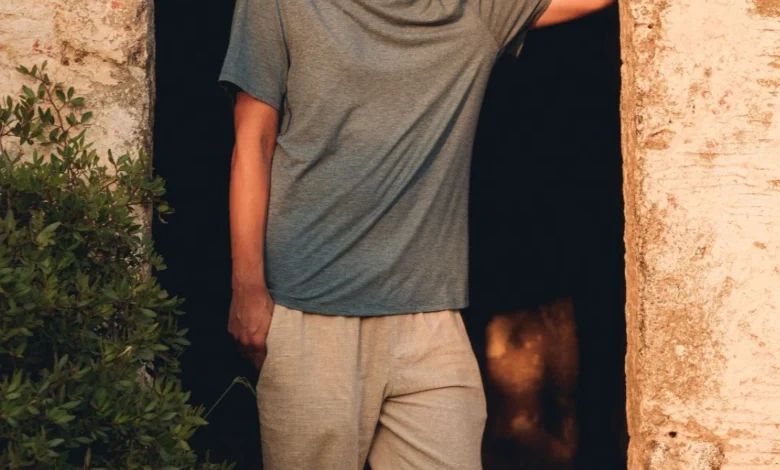
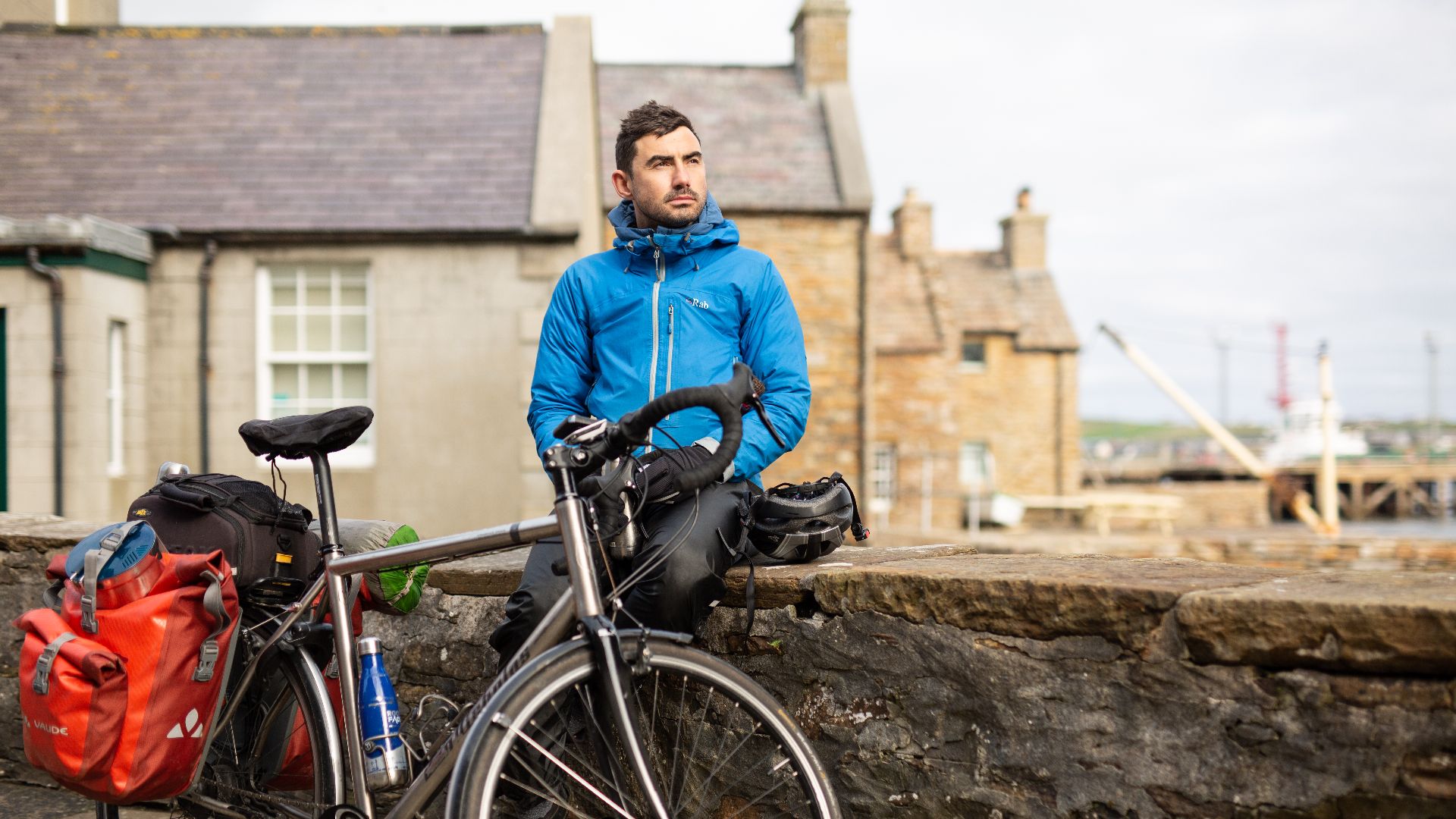
The image of a lone cyclist battling a rain-lashed storm in the American Rocky Mountains serves as a poignant metaphor for the modern male experience of solo travel: a mixture of grit, isolation, and the unexpected warmth of human connection. Simon Parker, an award-winning writer and long-distance cyclist who has reported from over 100 countries, recounts a pivotal moment in a Colorado diner where a group of strangers offered him a seat, a meal, and a sense of community. This encounter highlights a burgeoning dialogue in the travel industry: why, despite the profound benefits of independent exploration, do men remain a significant minority in the solo travel sector?
Current market data indicates a stark gender disparity in the way people choose to see the world. While solo travel has seen a global surge in popularity over the last decade, recent studies suggest that only approximately 15% of solo travelers are male. This statistical gap points to a complex web of societal expectations, psychological barriers, and a shifting landscape of male friendship that experts are only beginning to unpack. As the travel industry adapts to post-pandemic realities, the narrative surrounding male solo travel is being redefined not as an act of isolation, but as a critical intervention against a growing "friendship recession."
The Statistical Reality of the Gender Gap in Travel
To understand the current state of male solo travel, one must look at the broader trajectory of the tourism industry. According to data from Solo Traveler World, the appetite for independent trips has increased significantly since 2015, yet the demographic breakdown remains heavily skewed. While women have embraced solo travel as a form of empowerment and liberation, men often cite social stigma and a lack of perceived purpose as primary deterrents.
The "15% male" figure is corroborated by booking data from various adventure travel operators. This discrepancy is often attributed to the way different genders are socialized to view leisure and safety. For many men, the concept of a "holiday" is traditionally tethered to social units—friends, family, or partners. Stepping outside of these units can feel like a breach of social norms. James Johnston, a 46-year-old accountant from Cambridge, UK, notes that there is a persistent "macho" image that suggests men should already have their social circles solidified, making the act of seeking new connections through travel appear unnecessary or even awkward.
The Friendship Recession: A Sociological Context
The decline in male solo travel coincides with a broader sociological phenomenon known as the "friendship recession." A 2021 report by the Survey Center on American Life revealed a dramatic shift in the social lives of men over the last three decades. In 1990, 55% of men reported having at least six close friends; by 2021, that number had plummeted to just 27%. Furthermore, 15% of men reported having no close friendships at all—a fivefold increase since 1990.

Psychologists suggest that male friendships are often "face-to-face" rather than "side-by-side," meaning they are frequently predicated on shared activities like sports or workplace projects. When these structured environments fade due to age, career shifts, or family commitments, many men find themselves without the tools to forge new emotional bonds. Solo travel, therefore, represents a daunting prospect because it removes the "side-by-side" activity and forces the individual to confront their "internal dialogue," as described by filmmaker Richard Watson. Watson admits to a sense of guilt when spending money on himself for travel that isn’t "productive" or "purpose-driven," reflecting a common sentiment that male leisure must always serve a tangible goal.
A Chronology of the Solo Travel Evolution
The evolution of solo travel can be categorized into four distinct phases, each impacting the male demographic differently:
- The Pre-Digital Era (Pre-2000s): Solo travel was largely the domain of the "hardcore" backpacker or the business traveler. Information was scarce, and the lack of constant connectivity made solo trips truly solitary experiences.
- The Rise of the Digital Nomad (2000s–2010s): The advent of social media and smartphones began to bridge the gap. Travelers could remain connected to home, reducing the fear of isolation. However, this era also saw the rise of "curated" travel, where the pressure to appear successful and socially connected intensified.
- The Mainstream Shift (2010s–2020): Solo travel became a recognized "trend." Companies began tailoring packages for solo individuals, though marketing remained heavily focused on female travelers seeking safety and "self-care."
- The Post-Pandemic Re-evaluation (2021–Present): Following years of lockdowns, there has been a surge in "revenge travel." Men, increasingly aware of the "friendship recession," have begun to look at group-based solo travel as a way to reintegrate socially.
The Small-Group Model: A Bridge for the Solo-Curious
For many men, the solution to the hurdles of solo travel lies in the small-group adventure model. Statistics show that roughly 90% of solo travelers utilize group tours at some point. This format provides the logistical safety net and the "side-by-side" activity that male social dynamics often require, while still allowing for the independence of traveling without a pre-existing social circle.

Patrick Murphy, a software engineer from Ireland, serves as a case study for this transition. Despite identifying as an introvert, Murphy has visited 76 countries, often joining group expeditions. He describes the emergence of a "Patrick 2.0"—a version of himself that is more confident and open to spontaneity when removed from his usual environment. On a group trip to Guatemala, Murphy recounted how an unplanned invitation to a house party led to a night of shared Irish dancing and laughter with strangers. This "social lubricant" effect of group travel allows men to bypass the initial awkwardness of making new friends in middle age.
Similarly, James Johnston’s experience hiking Kilimanjaro illustrates the long-term impact of these connections. The camaraderie forged during the physical challenge of the climb resulted in a lifelong friendship group. Despite living in different parts of the UK, the group meets every few months to hike in the Peak District and maintains a daily WhatsApp dialogue. This suggests that solo travel, when facilitated by shared goals, can be a powerful antidote to the isolation of the modern male experience.
Fact-Based Analysis: The Implications of Travel on Mental Health
The reluctance of men to engage in solo travel has implications beyond the tourism industry; it is a public health consideration. The World Health Organization (WHO) has identified social isolation as a major risk factor for mental health issues, including depression and anxiety. For men, who are statistically less likely to seek traditional therapy, "adventure therapy" or travel-based social integration can serve as a vital outlet.

Travel requires a level of "cognitive flexibility"—the ability to adapt to new situations and solve problems in unfamiliar environments. For men like Richard Watson, who feel the need to be "productive," the challenge of navigating a new culture or completing a physical trek provides the necessary "mission" to justify the trip. By framing travel as a skill-building exercise rather than just a vacation, the industry may be able to attract more male participants.
Broad Impact and the Future of Masculinity in Travel
As the definition of masculinity continues to evolve, the travel industry is likely to see a gradual shift in these demographics. The "macho" requirement of self-sufficiency is being replaced by a recognition of the importance of community and shared vulnerability. Simon Parker’s advocacy for solo travel emphasizes that the biggest misconception is the idea that one is "doing it alone." In reality, the solo traveler is often more approachable to locals and other travelers than those in couples or established groups.
The future of male solo travel likely lies in "niche" adventure—cycling tours, photography workshops, or conservation-focused expeditions—that provide a clear objective while fostering organic social interaction. By addressing the "friendship recession" through the lens of adventure, men can move from being "solo-curious" to becoming active participants in a global community.

In conclusion, while the data currently shows a significant gender gap in solo travel, the underlying reasons are rooted in addressable societal trends. Through the adoption of small-group models and a focus on shared challenges, the travel industry is providing a pathway for men to reclaim their social lives. As Simon Parker noted after his hour in the Colorado diner, the transition from stranger to friend can be swift, provided one is willing to take the first step into the storm.