The distinctive orange and black stripes of a Bengal tiger slink through the forest, a silent predator moving with Kipling-esque insouciance through the thickets of Ranthambore National Park. For many travelers, this sighting represents the pinnacle of the Indian experience—a moment of profound stillness in a country otherwise defined by its kinetic energy. High up in a safari Jeep, observers hold their breath as the big cat artfully camouflages itself against a backdrop of flame-red scenery and rugged terrain. This scene, while reminiscent of a classic safari, serves as a gateway to understanding the broader, more complex reality of travel within the Indian subcontinent.
Travel writer Laura Holt, alongside a cohort of seasoned local guides from Intrepid Travel, recently delineated the essential strategies for navigating India’s multifaceted landscape. The consensus among these experts is that India requires more than just logistical preparation; it demands a psychological shift. From the dust-choked pathways of Rajasthan’s wildlife reserves to the spiritual ghats of Varanasi, the country offers a sensory experience that is incomparable to any other global destination.
The Infrastructure of Adventure: Beyond the Safari
In India, the concept of a safari differs significantly from the luxury-laden "sundowner" culture of Southern or Eastern Africa. In Ranthambore, the experience is visceral. Drivers navigate root-riddled tracks at high velocities—a phenomenon local guides jokingly refer to as an "Indian massage"—sending plumes of dust into the air as they track the elusive Bengal tiger. This ruggedness is a microcosm of the Indian travel experience, where the transition from chaos to serenity occurs in heartbeats. One moment, a traveler may be dodging camels and carts on a congested thoroughfare; the next, they are observing peacocks from the window of a historic haveli hotel.
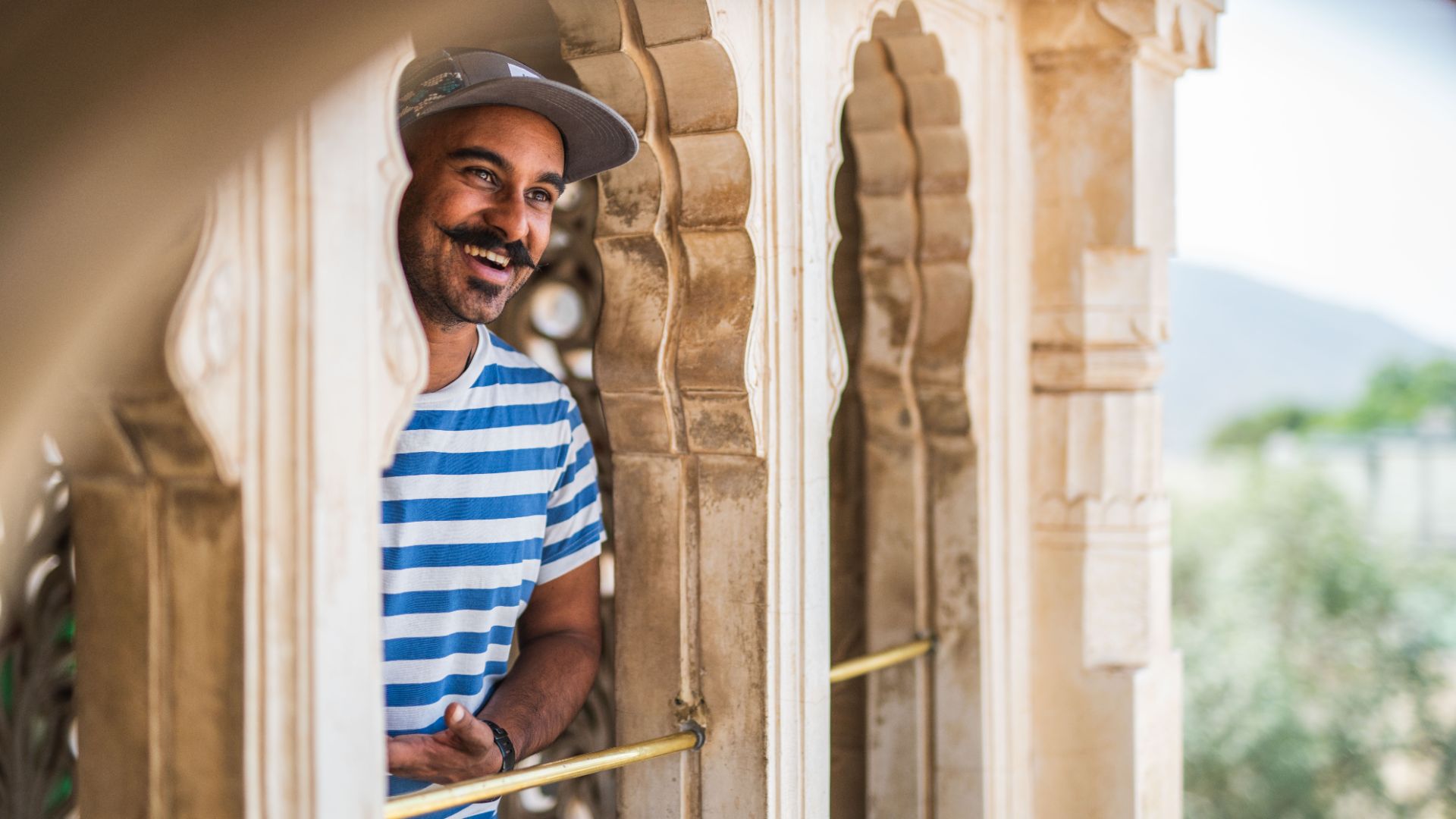
To master this environment, experts suggest looking beyond the surface-level stimuli. India’s tourism sector has seen a significant evolution in recent years, moving away from mass-market sightseeing toward immersive, small-group experiences. According to recent data from the Ministry of Tourism, India’s tourism industry contributes approximately 5% to the national GDP, with a growing emphasis on experiential and sustainable travel in regions like Kerala, Ladakh, and the "Golden Triangle" (Delhi, Agra, and Jaipur).
The Internal Journey: India as a Mirror
Mahaveer Singh, a veteran trip leader with years of experience navigating India’s backstreets, argues that the most successful travelers are those who treat the country as a tool for self-reflection. While visitors often fixate on the external—the vibrant saris, the scent of marigolds at temples, and the macaques traversing urban rooftops—Singh emphasizes the importance of the internal response.
"Many things will be challenging in India," Singh notes. "The sounds, the smells, the different food, the chaotic pace of life. But those travelers who get the most out of their trip are the ones who use it as a time of self-reflection."
This perspective aligns with a broader trend in global travel often referred to as "transformative tourism." By questioning one’s reactions to the unfamiliar, travelers can move beyond mere observation and into a deeper state of cultural integration. Singh’s advice is to use the country as a mirror, allowing the intensity of the environment to reveal personal biases and strengths.

Deconstructing Preconceptions: The Jaipur Case Study
A common pitfall for international visitors is over-researching, which can lead to a rigid "pre-written story" that leaves little room for the reality of the experience. Temsurenla Yaden, a guide who specializes in Jaipur’s culinary and cultural tours, observes that many guests arrive already overwhelmed by documentaries and online forums.
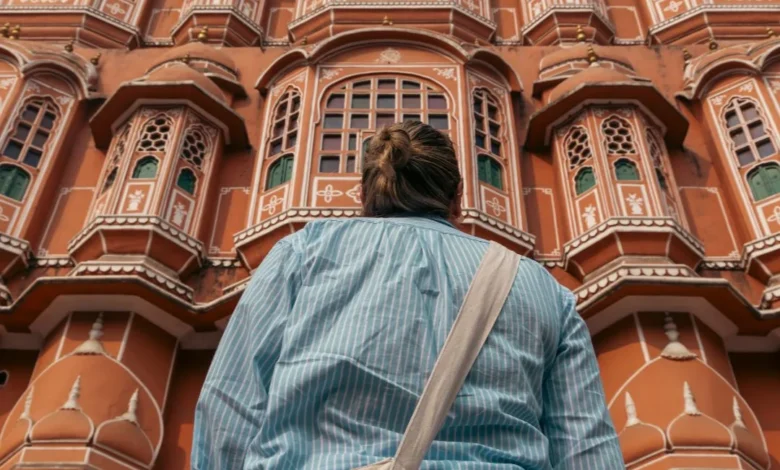
Jaipur, known as the "Pink City," serves as a prime location for deconstructing these preconceptions. One of the city’s most innovative initiatives is the Pink City Women Rickshaw Company, which provides sustainable livelihoods for women from low-income backgrounds. Travelers navigating the city in these rickshaws often find that their initial fear of the "chaotic" streets transforms into fascination.
"When travelers allow themselves to soften, to observe instead of judge, everything shifts," Yaden explains. She suggests that the antidote to culture shock is a willingness to be surprised. By approaching unfamiliar foods and cultural differences as lessons rather than discomforts, travelers can transition from being outsiders to active participants in the local rhythm.
The Mechanics of Group Dynamics and Trust
For those participating in small-group travel, the dynamic between the group and the leader is paramount. Sabyasachi Pathak, known as Saby, who leads cycling expeditions through the rural landscapes of Rajasthan, highlights the necessity of "group rhythm." Unlike independent travel, small-group tours are structured to balance physical activity, cultural engagement, and essential rest.

Pathak notes that independent agendas within a group setting can create friction. "Trust isn’t about losing independence; it’s about teamwork," he states. In a country where logistics—ranging from train schedules to permit requirements in sensitive areas like Ladakh—can be notoriously complex, relying on a local expert is a strategic advantage. This trust allows travelers to focus on the experience rather than the minutiae of navigation.
The Power of Local Rituals: Finding Calm in the Chaos
In high-intensity environments like Varanasi, finding moments of stillness is vital for long-term travel sustainability. Varsha Shekhawat, a guide with nearly a decade of experience, recommends tapping into local rituals to ground oneself. Varanasi, one of the world’s oldest continually inhabited cities, can be overwhelming due to its raw authenticity and spiritual depth.
Shekhawat’s primary recommendation is the "chai ritual." Starting the day with a cup of freshly brewed tea from a local chai wallah, served in traditional terracotta cups known as kulhads, provides a window into the daily life of the community. "Slowing down will enhance the experience," Shekhawat advises. "It’s impossible to see everything in India. Taking these moments of rest allows you to stay flexible and trust your instincts."
This emphasis on "slow travel" is supported by industry trends showing that travelers are increasingly spending more time in fewer locations to gain a deeper understanding of regional nuances.

Practical Logistics: The "Travel Light" Philosophy
The final pillar of mastering India is practical: physical baggage. Given the geographical scale of the country—from the Himalayan peaks to the tropical backwaters of the south—mobility is key. Ripudaman Singh Shaktawat and Madan Singh, both seasoned experts in Rajasthani village walks and national tours, advocate for a minimalist approach to packing.
The logistical reality of India involves navigating crowded train stations, bustling markets, and varying climates. A heavy suitcase can become a significant liability. "The happiest travelers are the ones who can grab their bag and go," says Madan Singh. Essential items typically include a small daypack, comfortable walking shoes, a scarf for temple visits, sunscreen, and a reusable water bottle.
Beyond the physical convenience, traveling light fosters an emotional openness. "When you travel light—physically and emotionally—you create space for shared moments and cultural surprises," adds Shaktawat. This approach is particularly beneficial for those catching early morning trains or rising at dawn to witness the sunrise at the Taj Mahal, where efficiency and speed are required to beat the crowds.
Broader Implications: The Future of Indian Tourism
The insights provided by these local experts point toward a more sophisticated future for Indian tourism. As the global travel market shifts toward sustainability and community-based initiatives, India is well-positioned to offer experiences that are both ethically sound and personally transformative.

The focus on women-led initiatives in Jaipur, the preservation of wildlife in Ranthambore, and the promotion of rural village walks in Rajasthan reflect a move toward a "high-value, low-impact" tourism model. For the traveler, mastering India is no longer about checking monuments off a list; it is about navigating the country’s complexities with the confidence of a local and the humility of a student.
By embracing the "mirror" of self-reflection, trusting local expertise, and adopting the rituals of the land, visitors can move through India not as overwhelmed tourists, but as informed explorers. As the experts suggest, the goal is to prowl through the subcontinent with "big-cat-like confidence," ready for the unexpected adventures that only India can provide.