Madagascar, the world’s fourth-largest island, stands as a destination of unparalleled natural beauty, extraordinary biodiversity, and profound cultural depth. It beckons adventurous travelers with its unique landscapes and endemic wildlife, a warm and welcoming populace, and an authentic experience largely untouched by mass tourism. However, prospective visitors must be prepared for significant infrastructural challenges and a level of unpredictability that sets it apart from more conventional travel destinations.
A Land of Distinctive Appeal
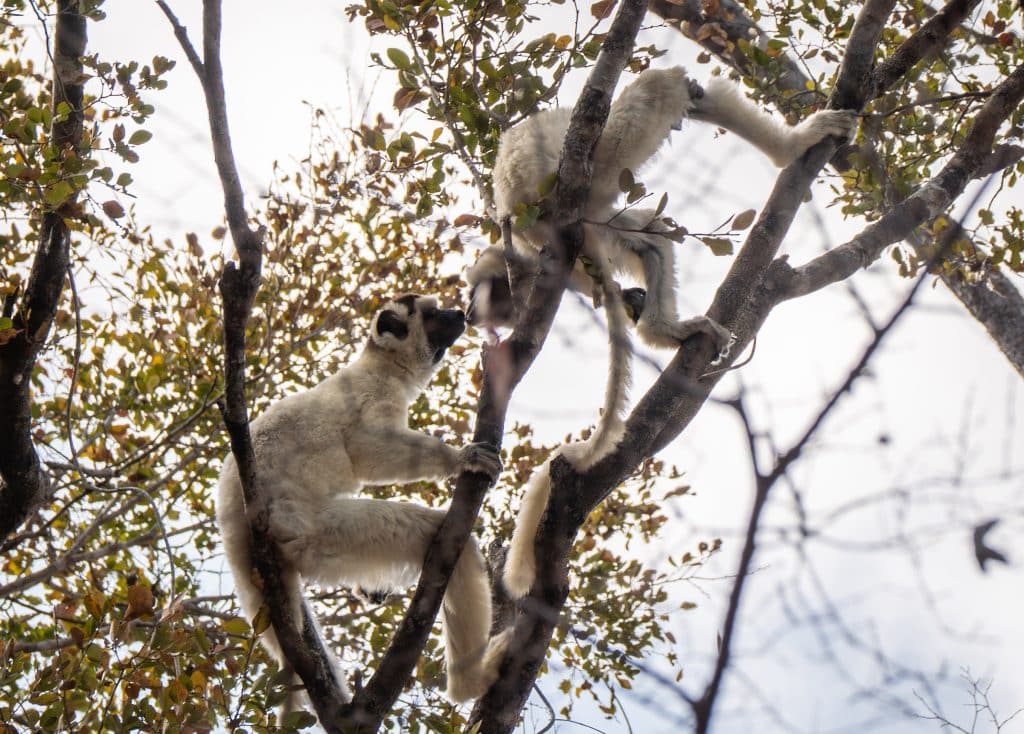
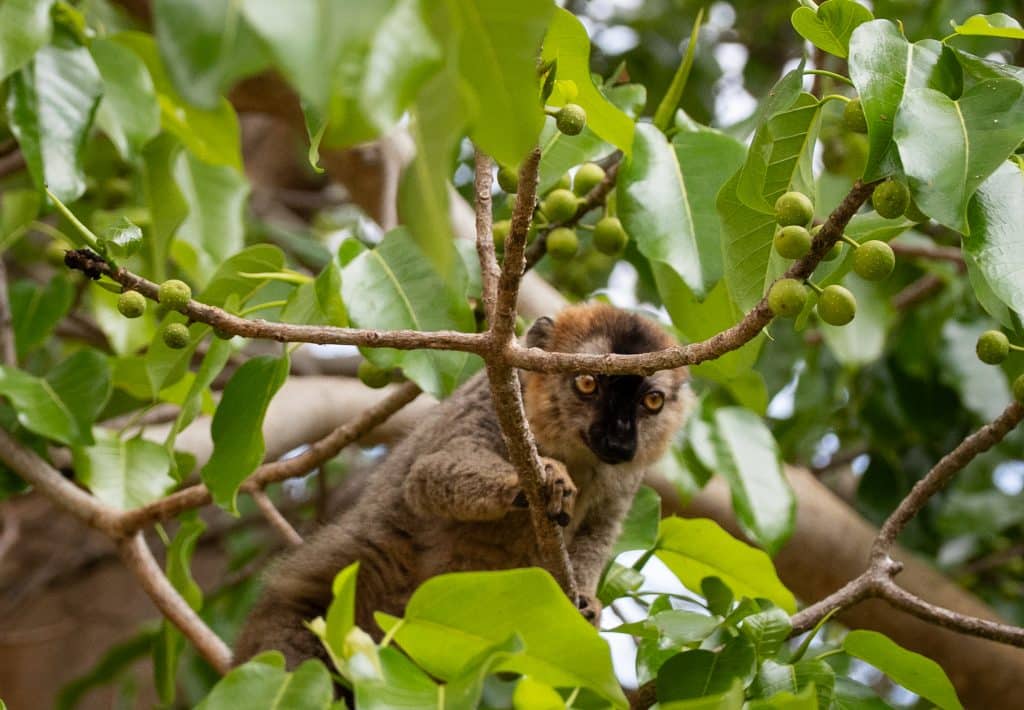
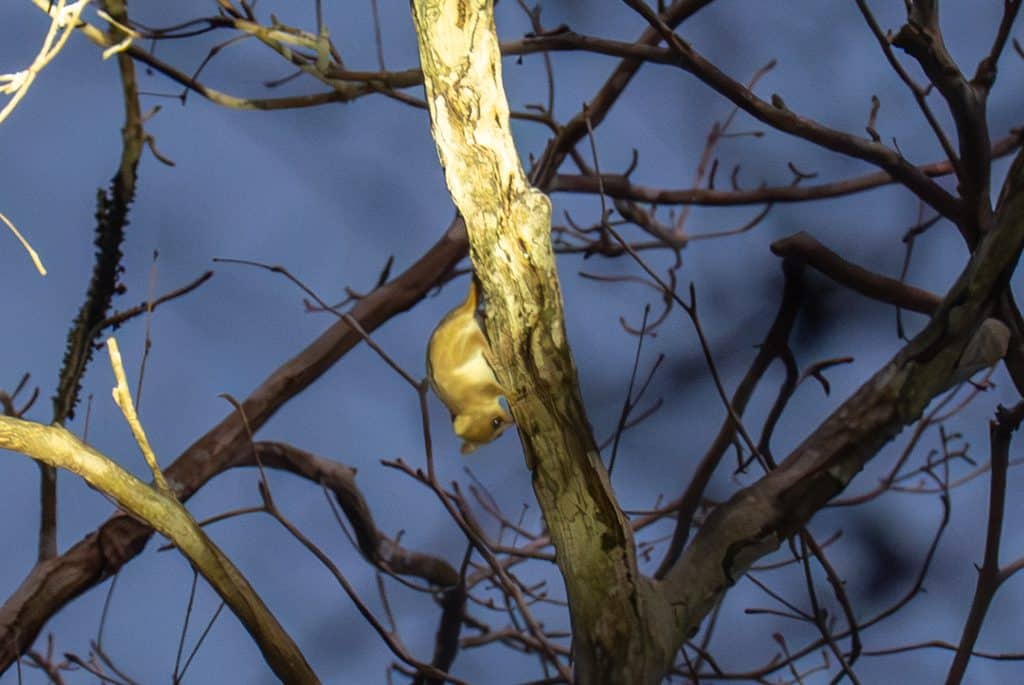
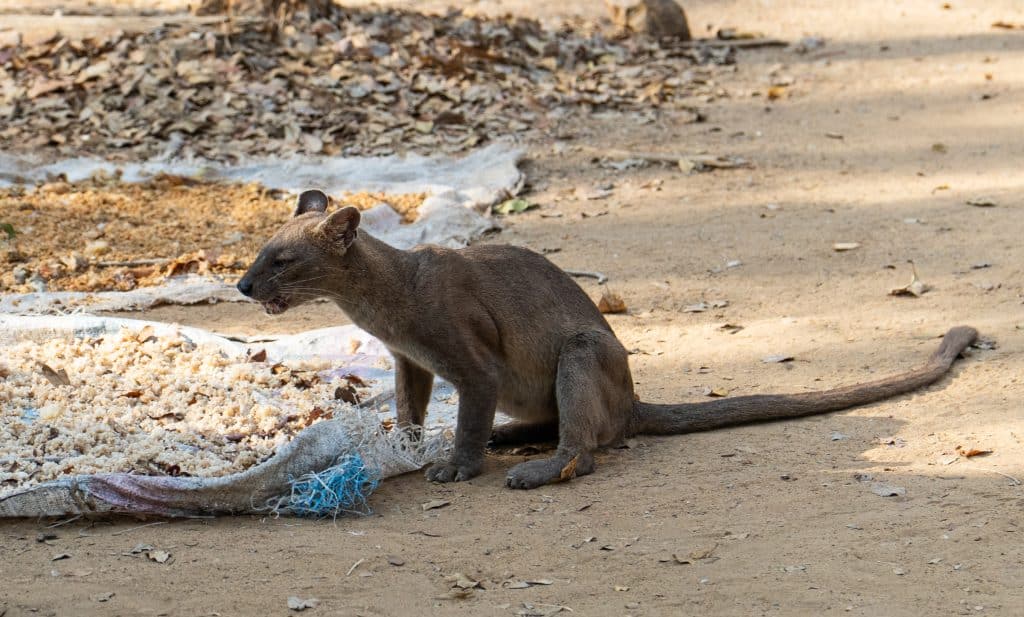
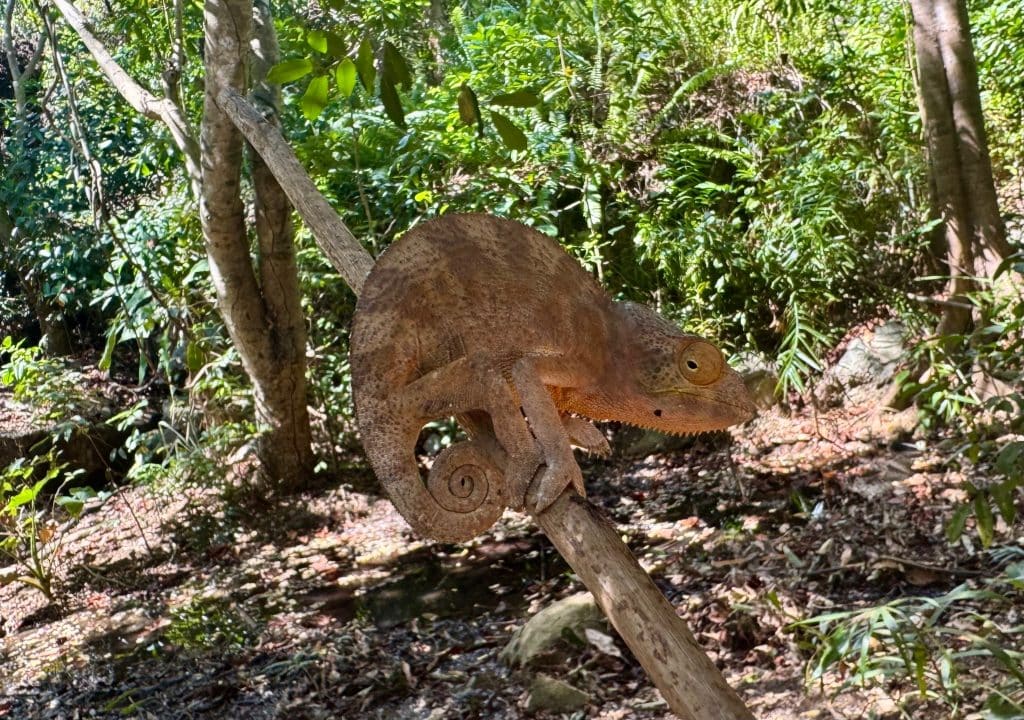
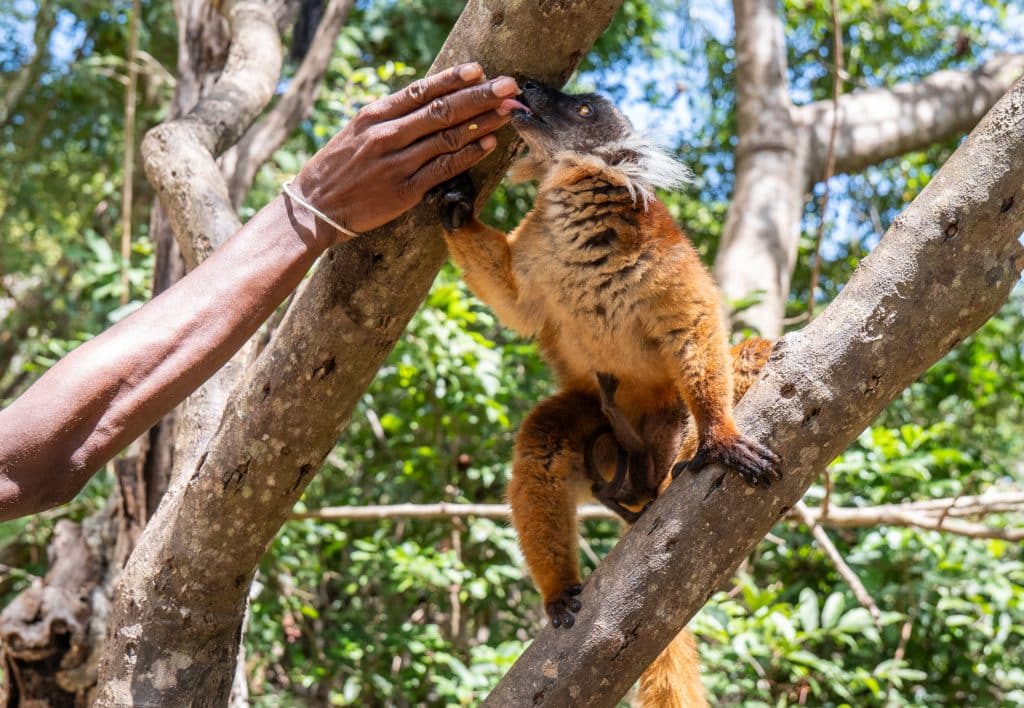
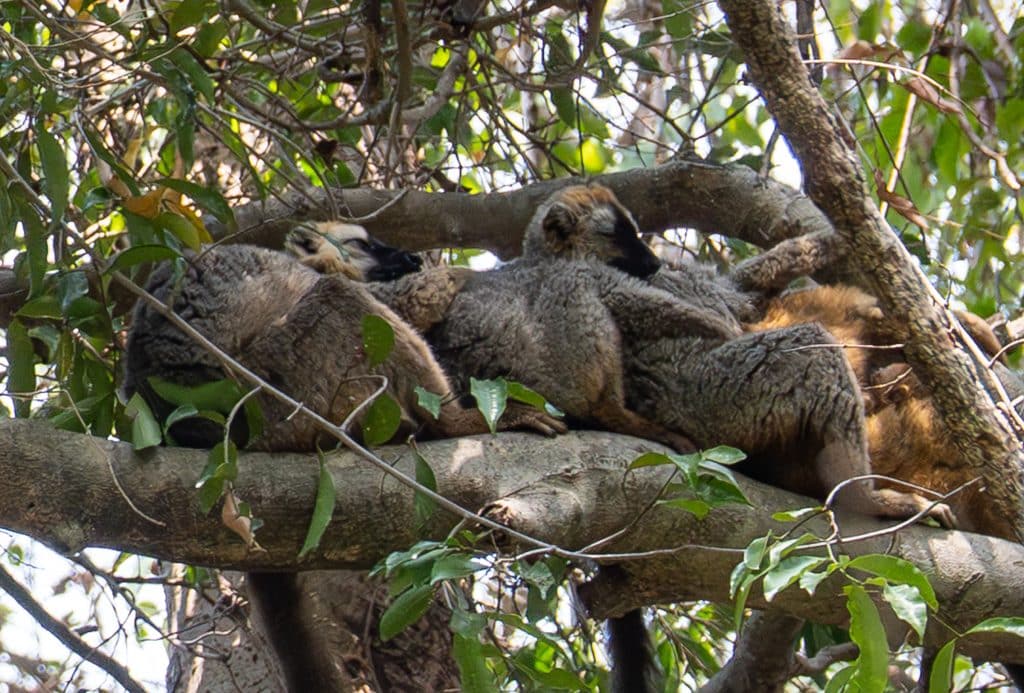
Madagascar’s allure lies in its singular ecosystems and the creatures that inhabit them. Over 90% of its wildlife is endemic, meaning it is found nowhere else on Earth. The island’s isolation, separating from the African mainland approximately 160 million years ago and then from the Indian subcontinent around 90 million years ago, has fostered an evolutionary crucible. This has resulted in iconic species such as lemurs, which are the main draw for many visitors. Beyond these charismatic primates, the island teems with diverse chameleons, geckos, and the elusive fossa, a cat-like predator with a rat-like face.
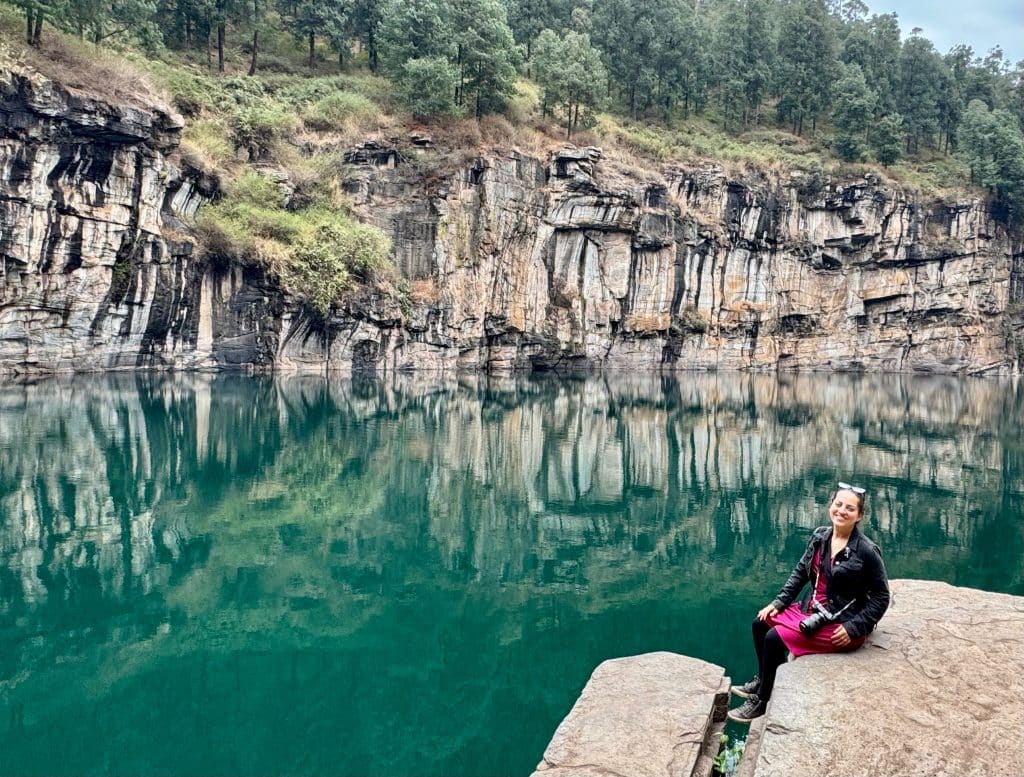
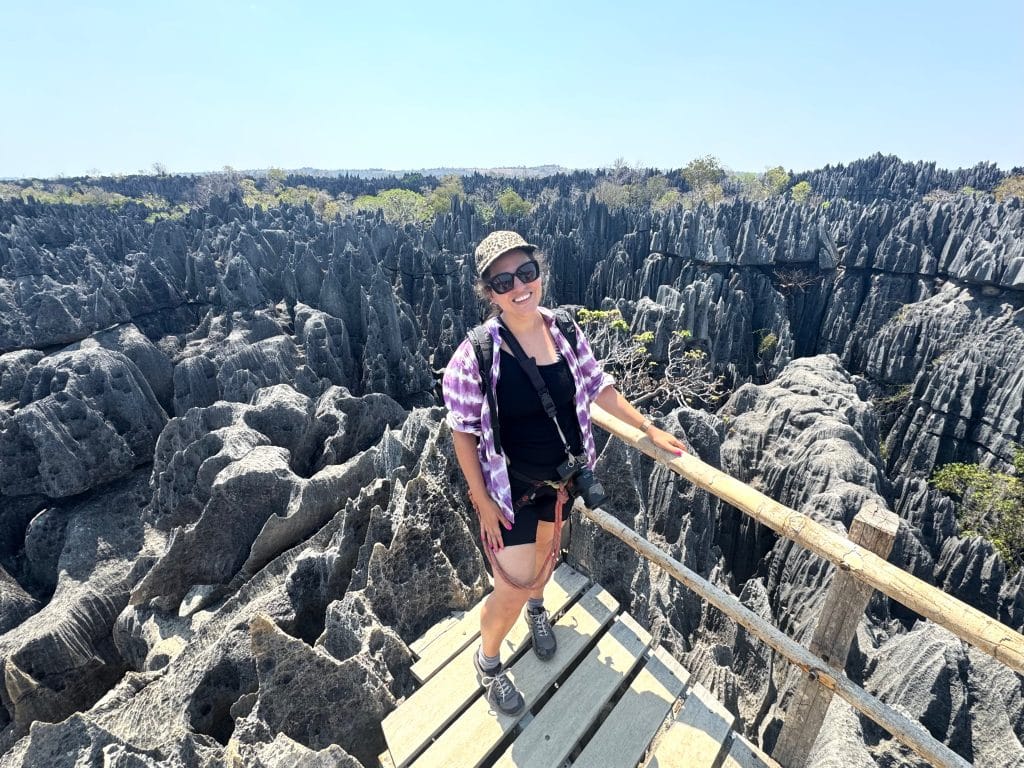
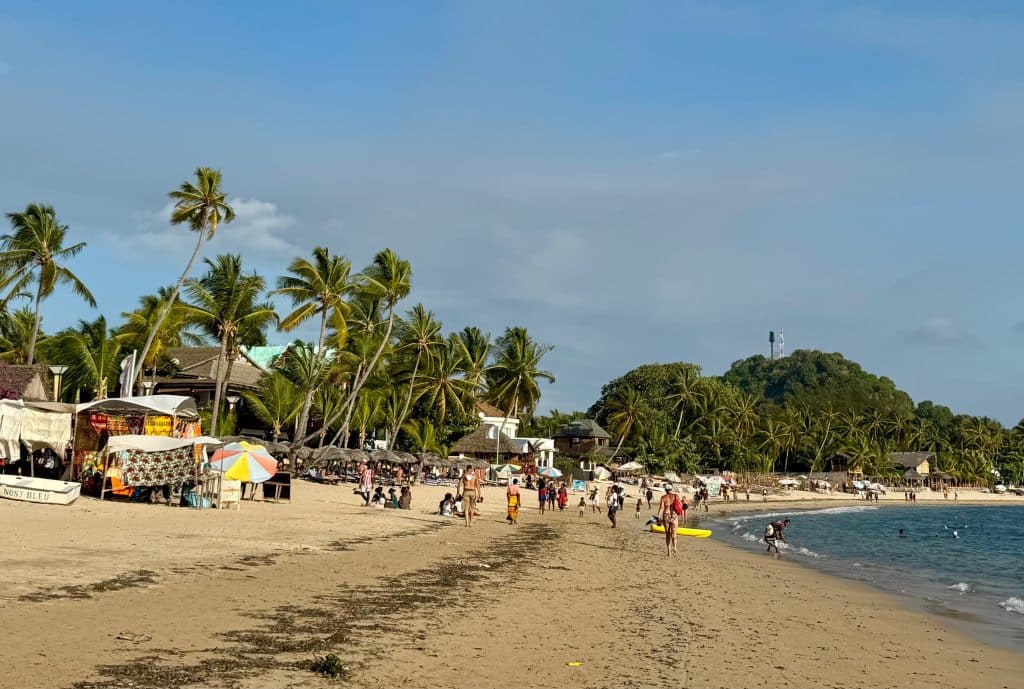
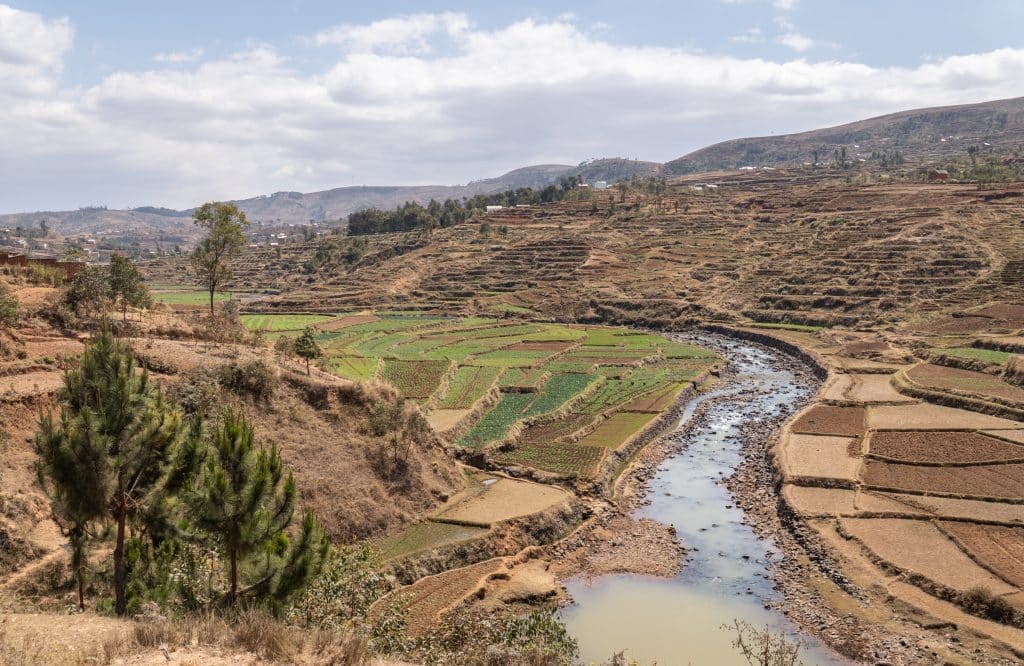
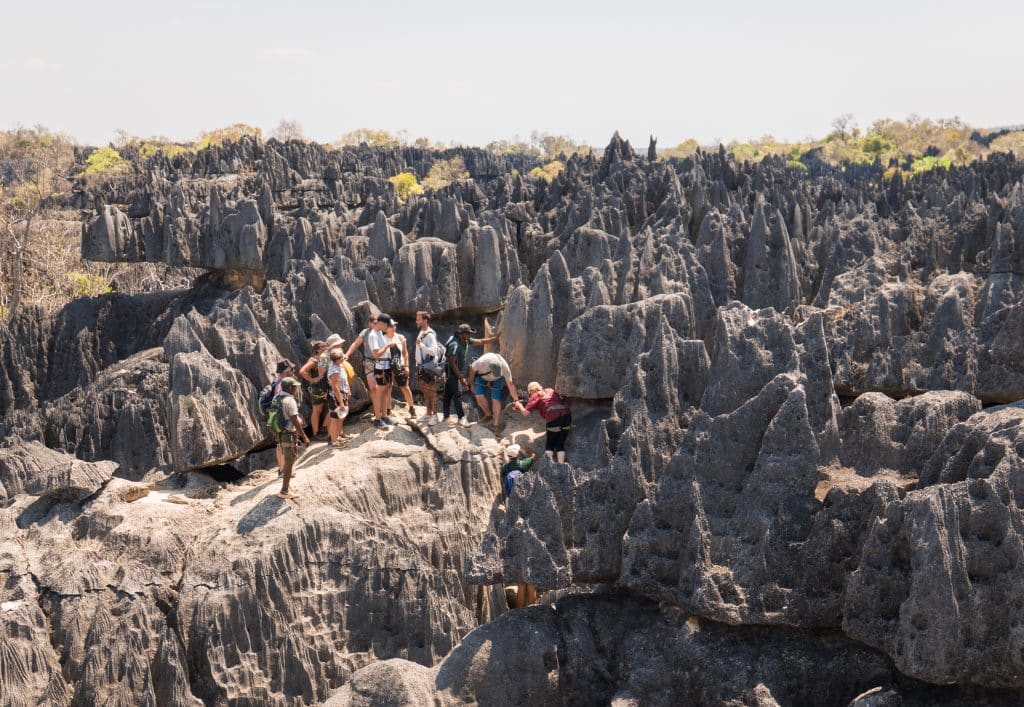
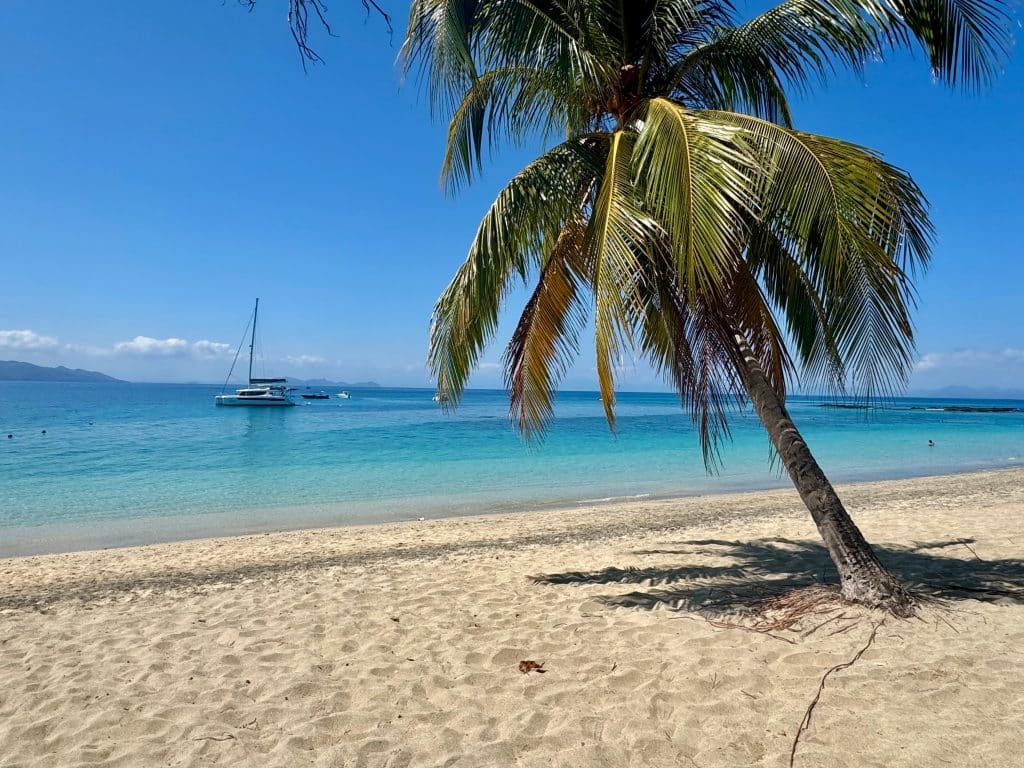
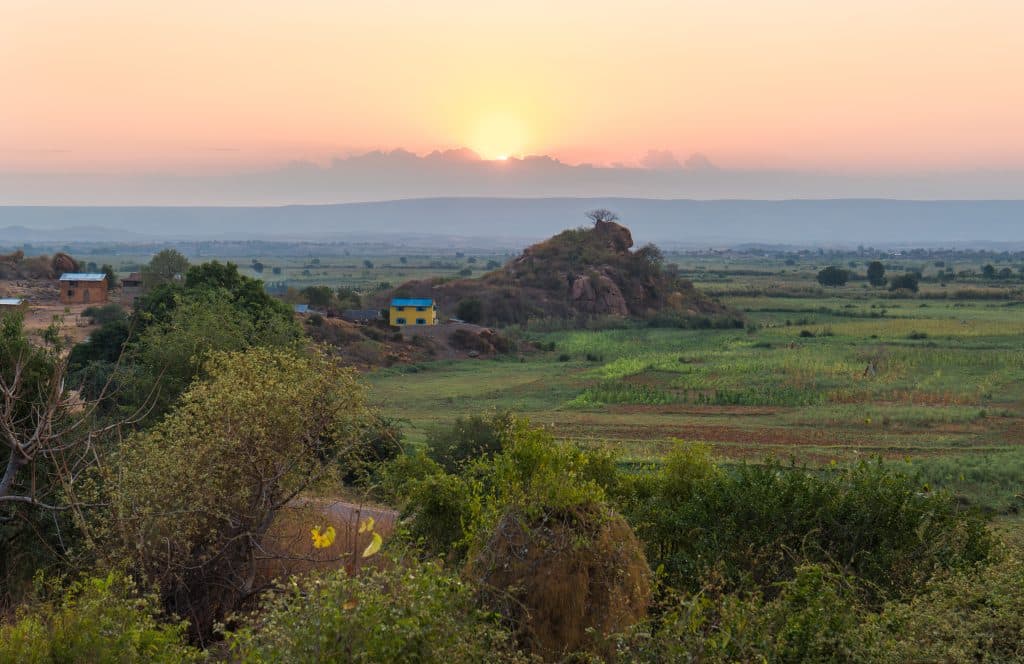
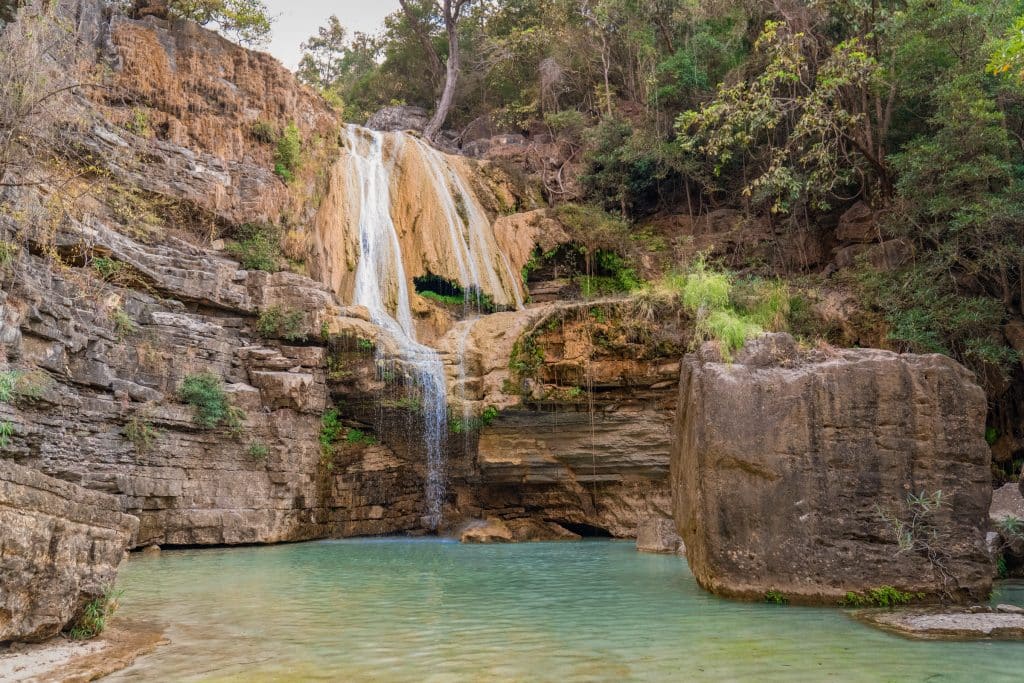
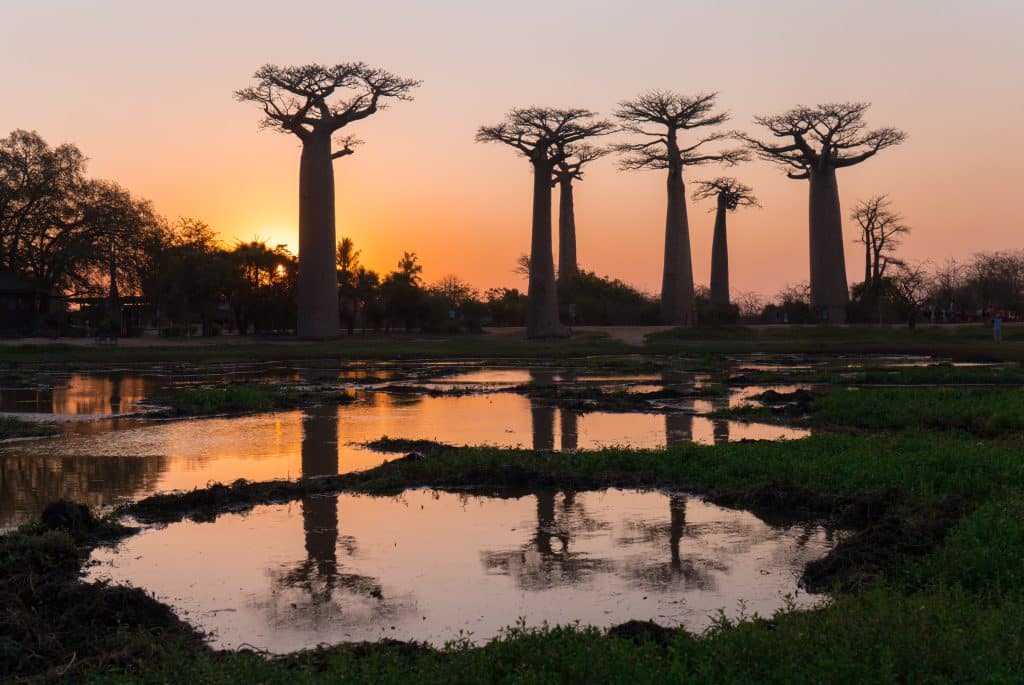
The landscapes are equally captivating. The spiky limestone formations of Tsingy de Bemaraha National Park, a UNESCO World Heritage Site, offer a challenging yet rewarding hiking experience, traversing via ferrata-style routes and suspension bridges. The iconic Avenue of the Baobabs near Morondava presents a breathtaking spectacle, particularly at sunrise or sunset, with ancient, colossal trees silhouetted against the sky. Inland, the central highlands reveal verdant rice paddies cascading down mountainsides, reminiscent of Southeast Asian vistas, while the coastal regions, particularly around Nosy Be, boast idyllic tropical beaches with turquoise waters and swaying palm trees.
Navigating the Challenges: Infrastructure and Logistics
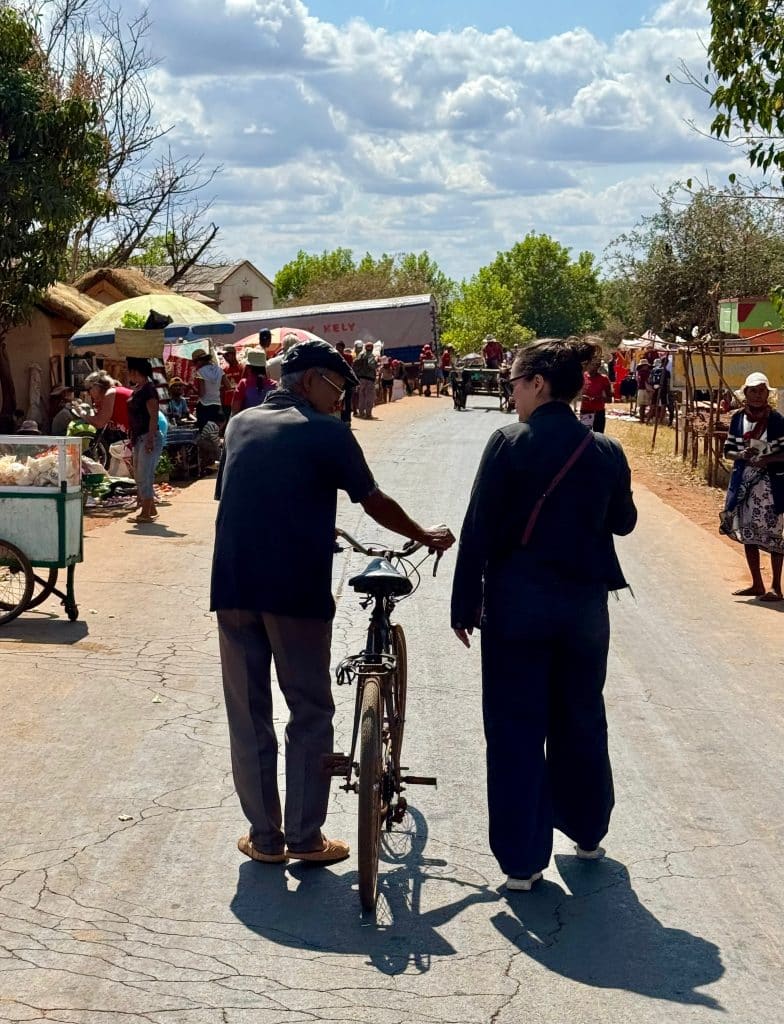
Traveling through Madagascar is often an exercise in patience and adaptability. The country’s infrastructure, particularly its road network, is notoriously underdeveloped. Secondary roads, known as "B-roads," are often unpaved, poorly maintained, and demand robust 4×4 vehicles. These journeys can be protracted and physically demanding, taking the better part of a day to cover distances that would be short elsewhere. During the rainy season (typically January to March), these roads can become impassable, highlighting the critical importance of timing visits to the dry season (May to October). Even primary paved roads can present delays due to blockages or disrepair.
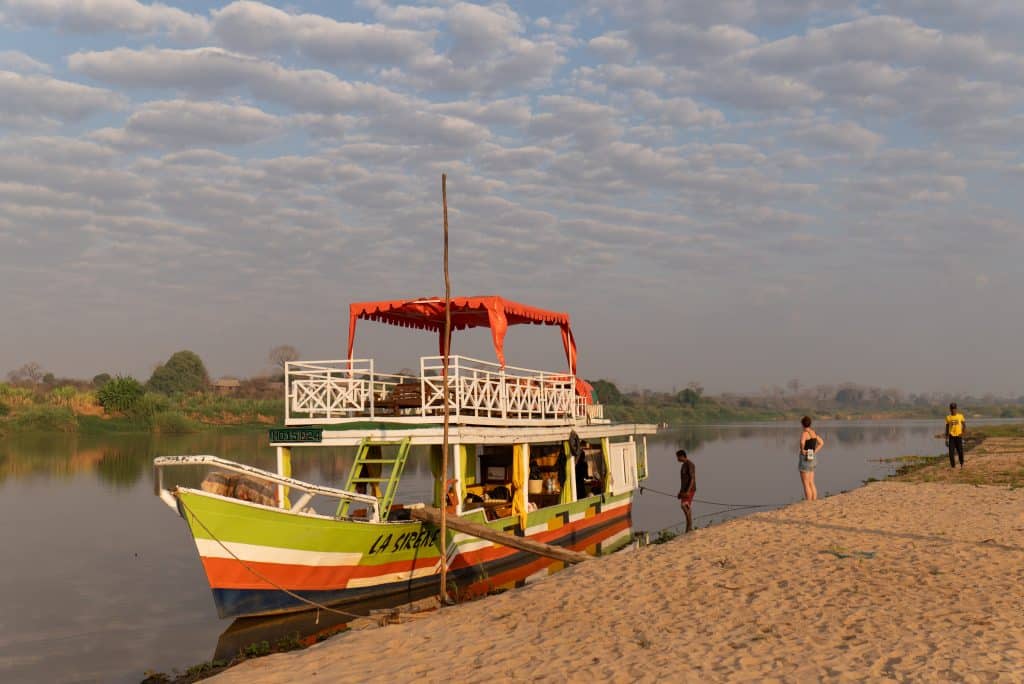
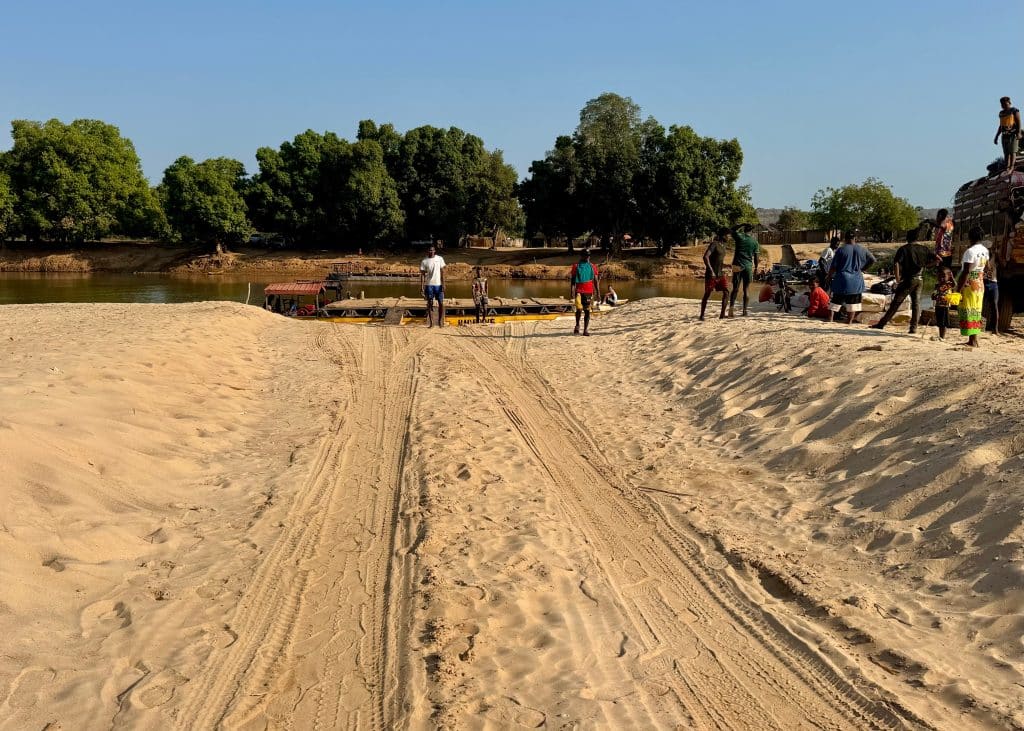
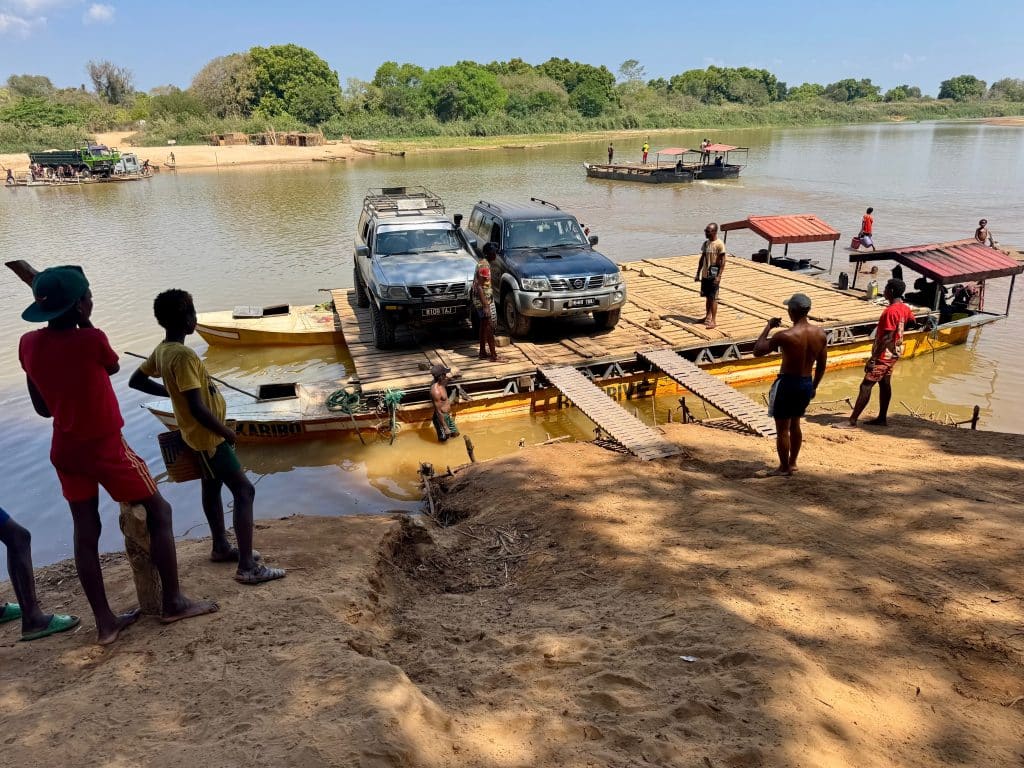
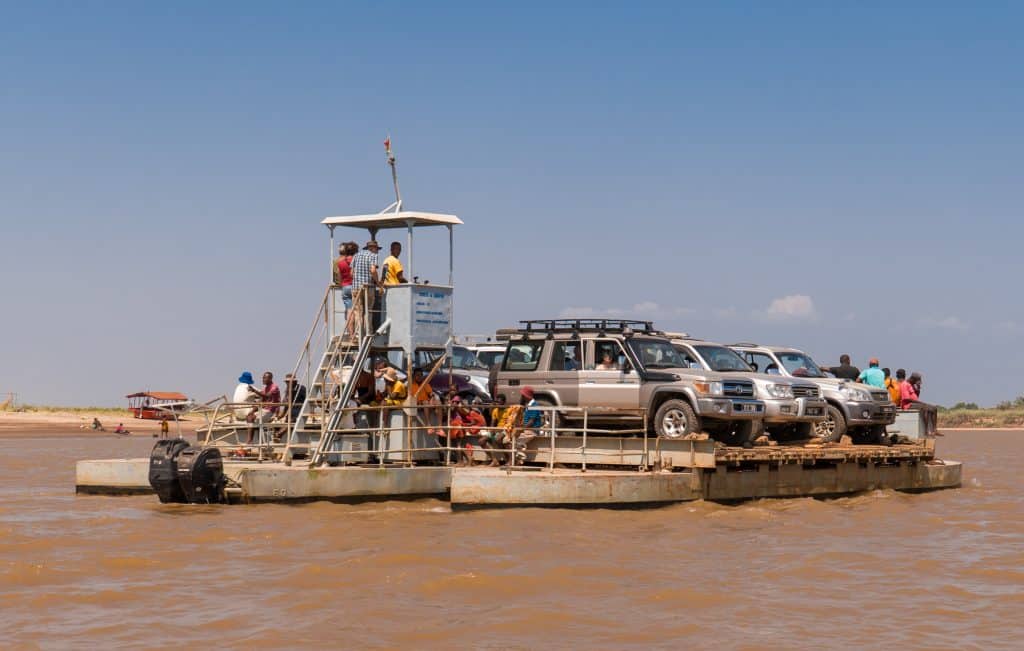
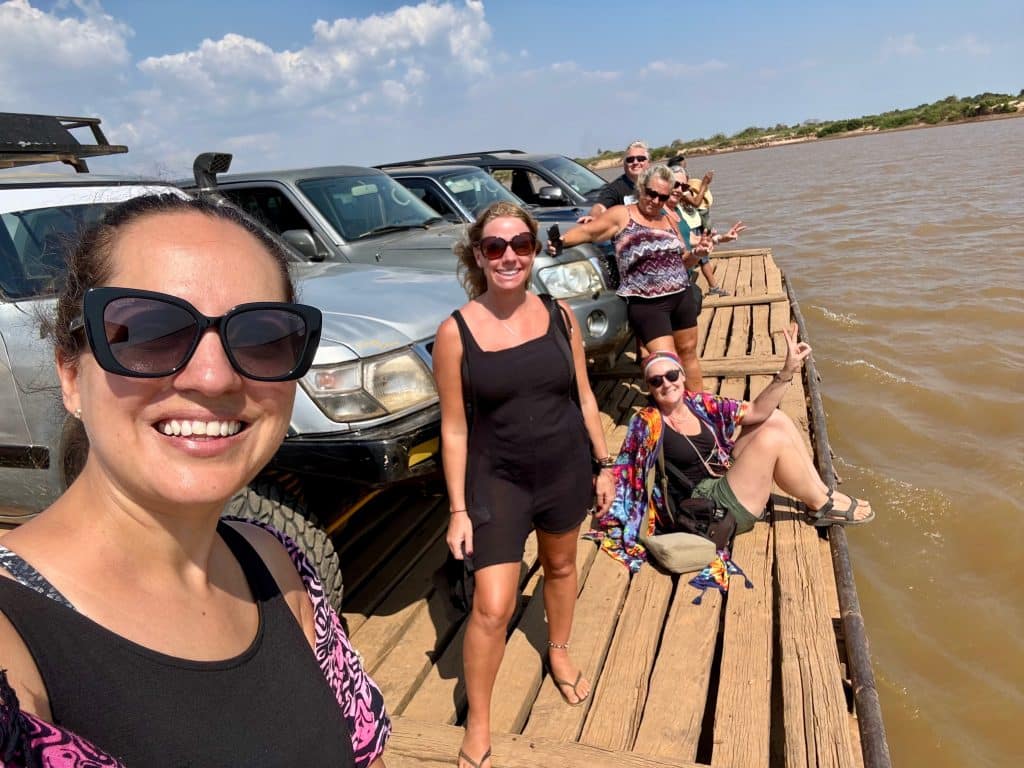
River crossings add another layer of adventure, often involving vehicles carefully maneuvering onto rudimentary wooden rafts, propelled across by small, noisy motors. This mode of transport, while functional, underscores the limited infrastructure and the need for travelers to embrace a less predictable journey.
Antananarivo Protests and Political Instability (September/October 2025)
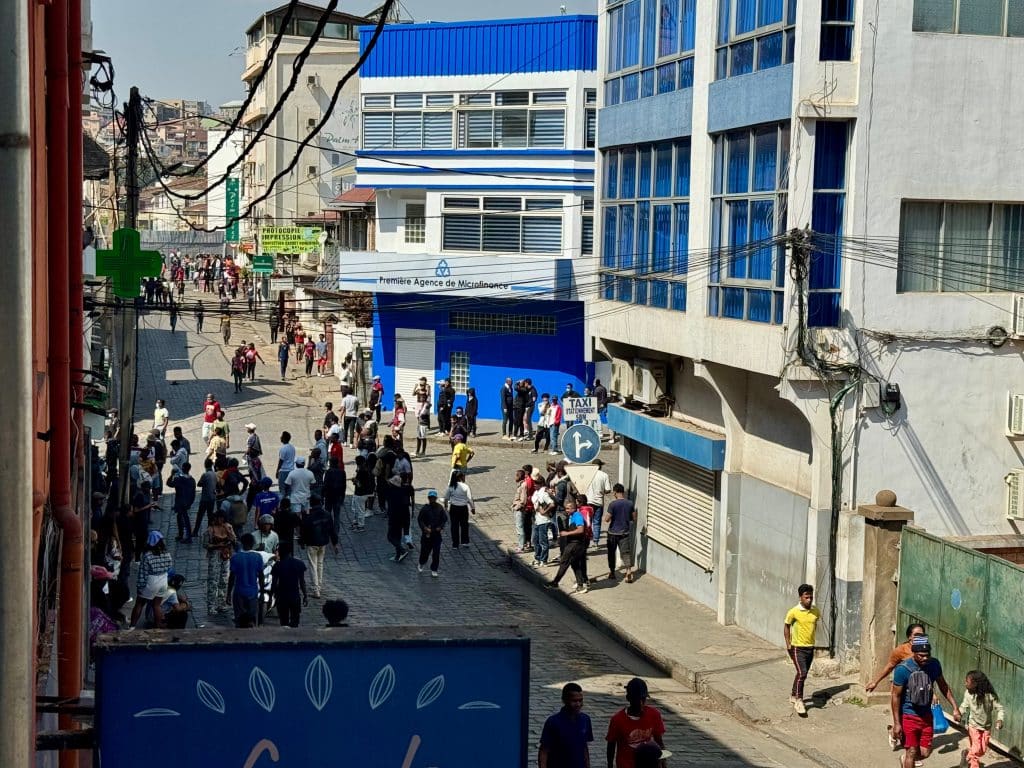
The experience of travelers in late September and early October 2025 highlighted the potential for political instability to impact travel plans. During this period, widespread protests erupted across Madagascar, including in the capital, Antananarivo (locally known as Tana). These demonstrations, fueled by public grievances over power cuts, water shortages, and perceived government corruption, escalated, leading to violent clashes with security forces.
Witnesses reported scenes of public unrest, including street blockades and the deployment of tear gas, which forced travelers to seek shelter and adjust itineraries. The capital’s Hotel Sakamanga, located near protest epicenters, provided refuge for tourists as the situation unfolded. Subsequently, flights, particularly domestic routes from Antananarivo, experienced cancellations and significant delays. This led to extended stays for some visitors in the capital or nearby secure locations, and some tour participants opting to curtail their trips to ensure international connections.
The political situation culminated in a military takeover of leadership, following the evacuation of the sitting president. This event, while disruptive for travelers at the time, was reportedly met with a degree of local satisfaction among Malagasy citizens hoping for improved governance. Travel advisories from nations like the US and UK were updated to "Level 3: Reconsider Travel" during this volatile period, underscoring the severity of the situation. However, the situation reportedly stabilized shortly thereafter, with the country returning to its pre-unrest travel conditions. Such incidents, though rare, emphasize the inherent risks of travel in developing nations with fragile political landscapes and limited emergency infrastructure. Travelers are advised to register with their respective government’s traveler enrollment programs (e.g., the US’s Smart Traveler Enrollment Program, STEP) for updates and potential assistance.
The Human Heart of Madagascar
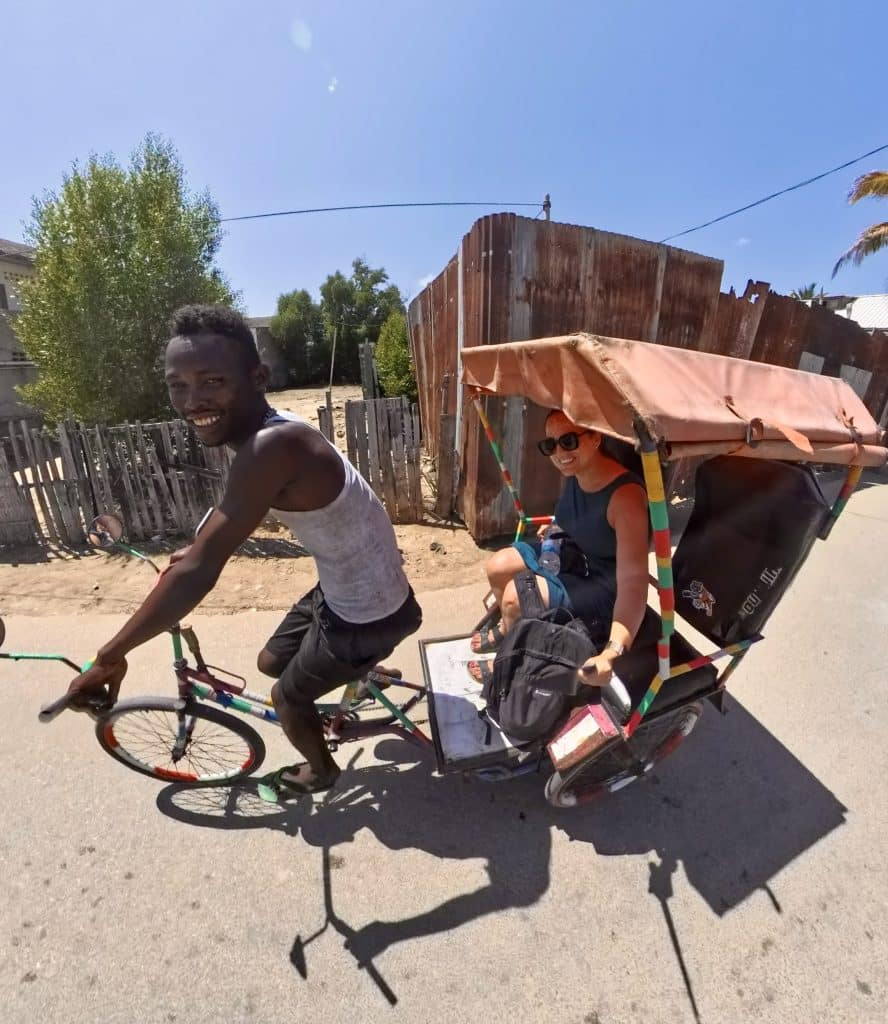
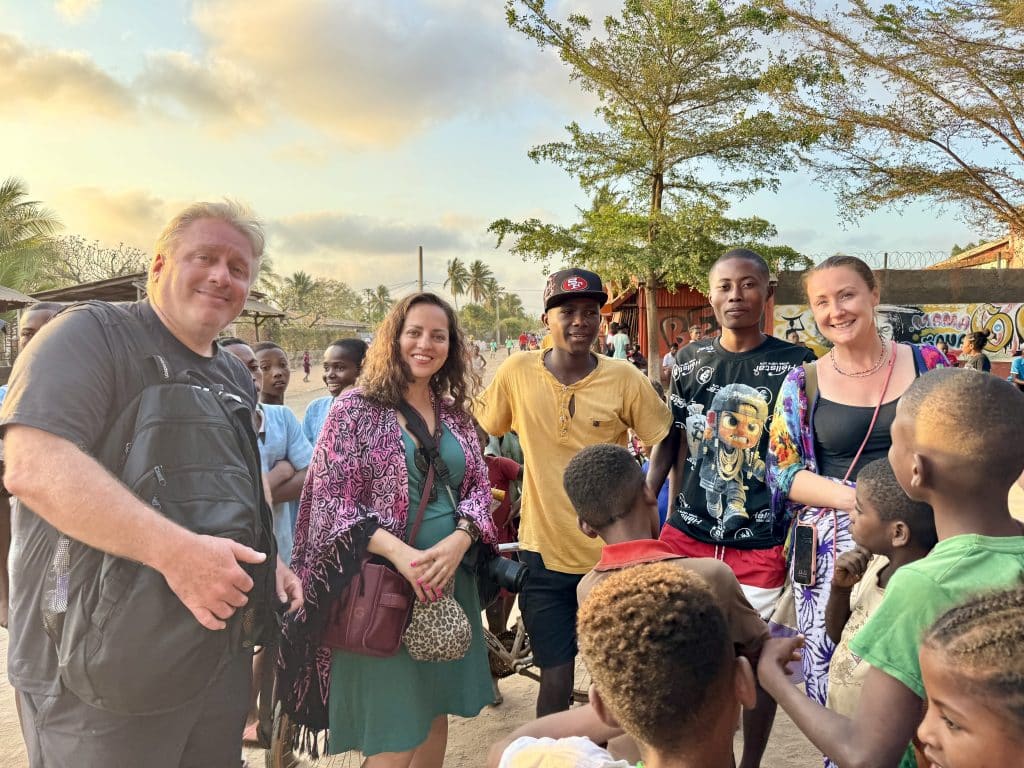
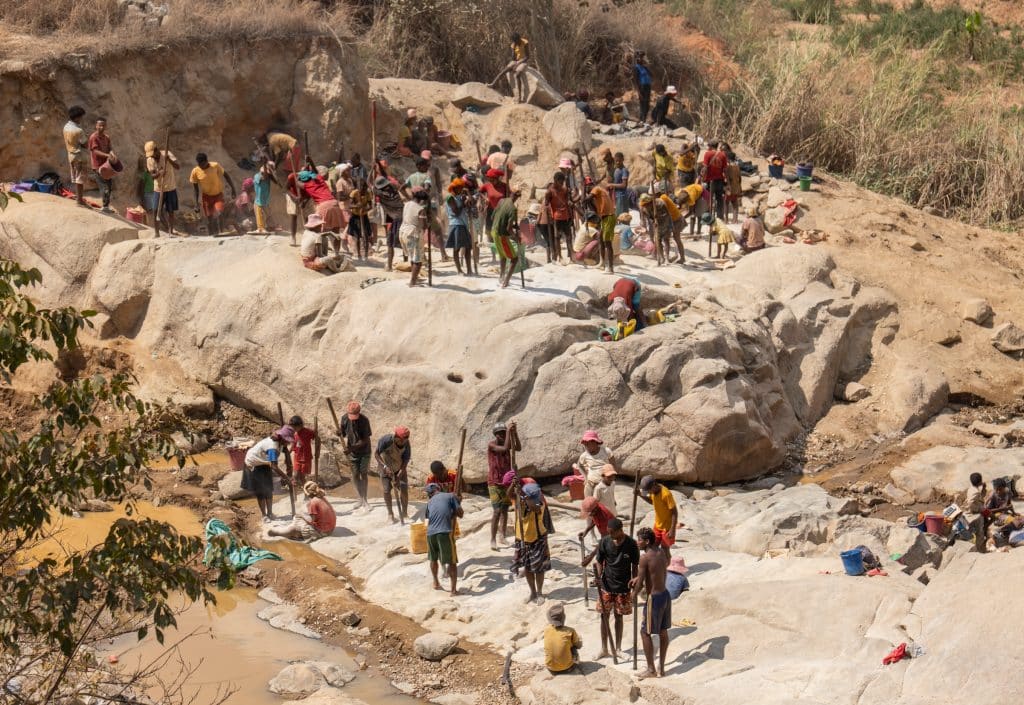
Despite the challenges, the Malagasy people consistently emerge as a highlight of any visit. Their warmth, resilience, and welcoming nature leave a lasting impression on visitors. The population is a fascinating blend of Austronesian (Southeast Asian) and Bantu (East African) heritage, a genetic and cultural fusion that arrived approximately 1,000 years ago. This heritage is evident in everything from facial features to agricultural practices and culinary traditions.
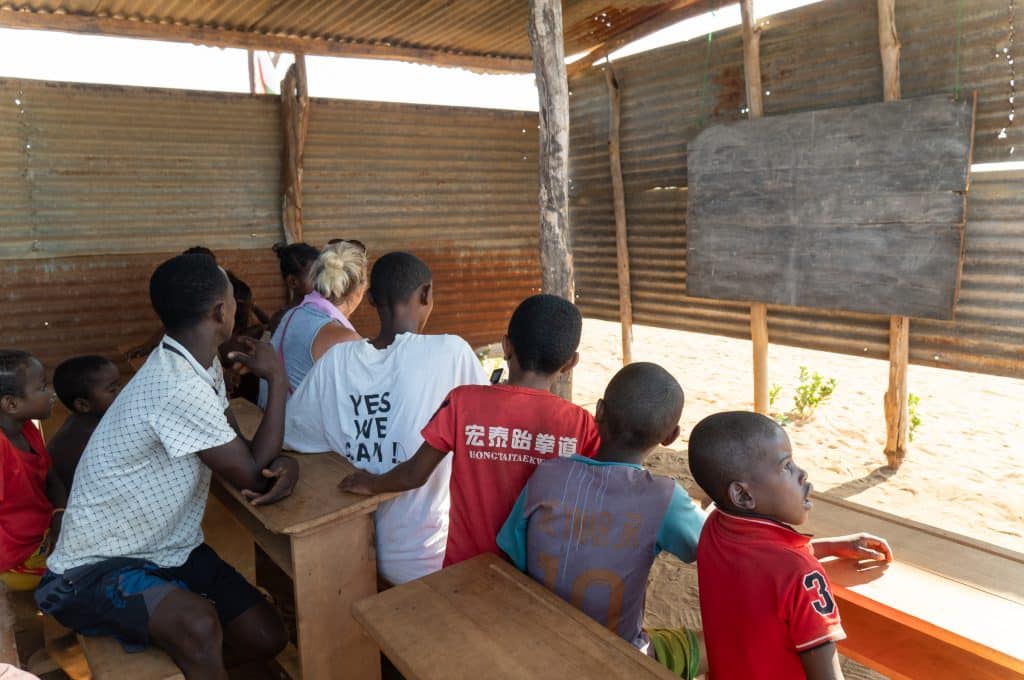
In remote villages, children often greet visitors with unbridled enthusiasm, eager to hold hands and interact. This genuine hospitality, however, comes with a responsibility for ethical tourism. Travelers are advised against giving money or candy directly to children, as this can foster a culture of begging and negatively impact local communities. Instead, constructive engagement includes hiring local guides and drivers, patronizing locally owned guesthouses and restaurants, purchasing souvenirs directly from artisans, and offering generous tips. Some travelers also find that leaving behind gently used clothing or shoes, rather than discarding them, is met with deep gratitude in communities where resources are scarce.
French, a legacy of colonial rule, serves as a crucial lingua franca alongside Malagasy, the national language. While English proficiency is limited outside of major tourist hubs, a basic understanding of French significantly enhances interaction with locals, enabling deeper cultural exchanges and smoother navigation of daily life.
Culinary Landscape
Madagascar’s cuisine, while generally simple, offers a taste of local life. Staple meals typically feature fish or zebu (local cattle) meat, served with generous portions of rice and often some vegetables. Zebu, being the primary cattle, is a common protein, appearing in various forms from steaks to stews. Romazava, a hearty Malagasy beef stew, is a recommended traditional dish.
While not a globally recognized foodie destination, there are pockets of culinary excellence. Establishments like Mad Zebu in Belo Tsiribihina, a transit town, are lauded for their sumptuous, elegantly plated dishes, attracting tour groups with their focus on fresh fish and vegetarian options. Coastal areas like Morondava and Nosy Be offer fresh seafood. In Antananarivo, hotel restaurants such as Hotel Sakamanga provide quality dining in a cozy ambiance, often blending French and Malagasy influences.
Tourism Development and the "Luxury" Experience
Madagascar’s tourism sector is still in its nascent stages compared to other African destinations. While some properties offer a "luxury feel" with appealing aesthetics, the overall luxury travel experience is not yet fully mature. This is largely due to the systemic challenges of infrastructure, staff training, and consistent service delivery. Even at upscale establishments, travelers might encounter inconsistencies in service, such as meal courses being served out of order, unreliable air conditioning in otherwise well-appointed rooms, or intermittent Wi-Fi connectivity.
These observations are not a criticism of the hardworking Malagasy people but rather an indication that the extensive training and investment required to deliver a seamless luxury experience are still developing. The idea of "doing Madagascar in luxury" primarily means staying in the best available accommodations, which, while comfortable, may not meet the exacting standards of luxury found in countries like Tanzania, South Africa, or Botswana. Skipping rough B-roads through luxury means chartering private flights, a costly and exclusive option.

Travel Planning and Health Precautions
Effective planning is paramount for a successful trip to Madagascar. Due to limited internal flight availability, particularly with Madagascar Airlines, booking domestic flights several months in advance is essential to secure desired routes and avoid lengthy overland journeys. The country’s dry season (May to October) is universally recommended for travel, as heavy rains during the wet season can render critical roads impassable and disrupt travel logistics.
Health precautions are also critical. Visiting a specialized travel doctor well in advance of departure is highly advisable. Such professionals possess up-to-date information on global health risks and can recommend necessary vaccinations (e.g., for dengue fever, rabies, typhoid, hepatitis A/B, yellow fever, tetanus) and prophylactic medications like antimalarials (e.g., Malarone, considering individual sensitivities to alternatives like Doxycycline). Given the remote nature of many areas and limited access to medical facilities, carrying a comprehensive personal first-aid kit, including prescription medications for common ailments like UTIs or severe food poisoning, is a prudent measure. Robust mosquito repellent with high DEET concentration is essential, alongside protective clothing during dawn and dusk.
Packing essentials include pocket-sized wet wipes and hand sanitizer for hygiene in areas without modern plumbing, a headlamp for power outages or night excursions, a reusable water bottle (refilled with purified water or utilizing a LifeStraw), and sun protection (reef-safe sunscreen, wide-brimmed hats, light long-sleeved shirts). A sarong can serve multiple purposes and offers a way to respectfully engage with local culture.
Considerations for Family Travel
While some intrepid families travel with children to Madagascar, the consensus among experienced travelers often leans against it for younger children. The primary concern is the limited and often rudimentary medical infrastructure. In the event of illness or injury, particularly in rural areas, access to quality medical care can be extremely challenging, involving long, uncomfortable journeys over difficult roads. Medevac services are not widely available. This risk, while acceptable for many adults, may be too significant when traveling with vulnerable children. Alternative African destinations with more developed healthcare facilities, such as South Africa, Kenya, or Botswana, might be more suitable for family adventures.
Regional Connections: Reunion and Mauritius
Given Madagascar’s geographical isolation, combining a visit with neighboring Indian Ocean islands like Reunion or Mauritius offers an enriching extension. Both islands are within a two-hour flight and provide contrasting experiences. Mauritius is renowned for its luxury beach resorts, Hindu temples, waterfalls, and bustling markets. Reunion, a French overseas department, offers stunning volcanic landscapes, exquisite cuisine, and excellent infrastructure, appealing to those who appreciate adventure, diverse flora, and dramatic scenery, particularly if they speak French. Both islands offer direct flights to Madagascar and onward connections to Europe, making them convenient stopover points.
Conclusion
Madagascar is a destination that profoundly impacts its visitors, offering a rare blend of untamed natural splendor, unique wildlife, and genuine human connection. It demands an adventurous spirit, flexibility, and a willingness to navigate logistical complexities and confront stark realities of poverty. However, for those prepared for its challenges, Madagascar rewards with an unforgettable journey into a world unlike any other, leaving a deep appreciation for its magnificent beauty and the resilience of its people. The island’s enduring appeal lies in its authenticity, promising an adventure that tests, inspires, and ultimately enriches the soul.