Artemis II: A New Dawn in Lunar Exploration Captured Through the Eyes of Astronauts

The Artemis II mission, a monumental leap in human space exploration, has not only revived the spirit of lunar endeavors after a half-century hiatus but has also gifted the world with a breathtaking visual chronicle of humanity’s return to the vicinity of the Moon. This mission, which successfully orbited the Moon with a four-person crew aboard the Orion spacecraft, pays homage to the pioneering Apollo missions while forging an entirely new trajectory for future space voyages. The astronauts, through their lenses, have captured a series of extraordinary images that encapsulate the awe, wonder, and profound significance of this historic undertaking. These photographs offer a unique perspective, blending the raw beauty of celestial bodies with the undeniable human element of exploration.
A Glimpse Through the Orion Window: Human Perspective in the Void
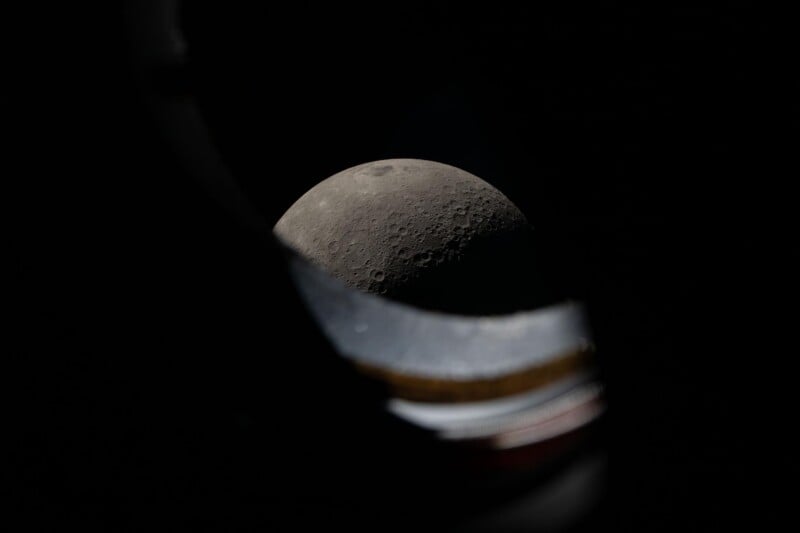
For many, the most resonant images from Artemis II are those that underscore the presence of humans amidst the vastness of space. While expansive vistas of Earth and the Moon have long captivated the public imagination, the photographs that feature the subtle, yet powerful, imprints of human interaction with these celestial views carry a distinct emotional weight. These images often frame iconic celestial scenes through the windows of the Orion spacecraft, incorporating elements of the vehicle itself – a glimpse of a window frame, a reflection, or even the subtle presence of an astronaut’s hand – that serve as potent reminders of the human endeavor at the heart of the mission.
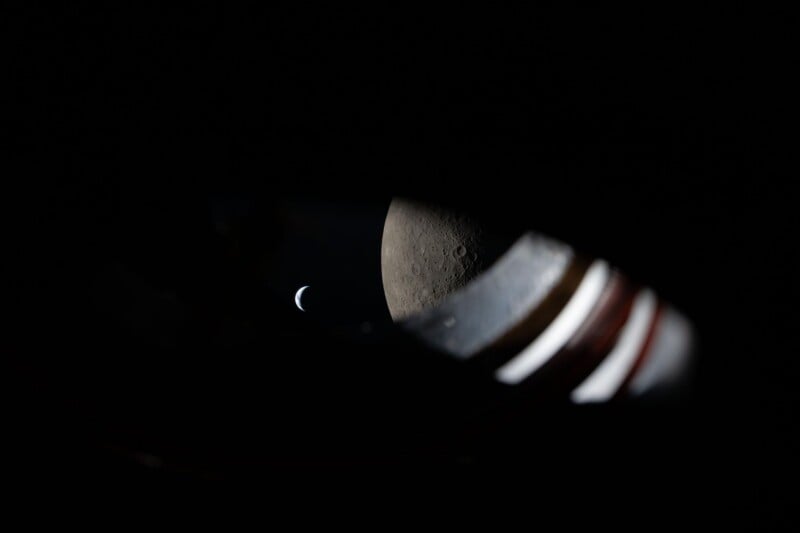
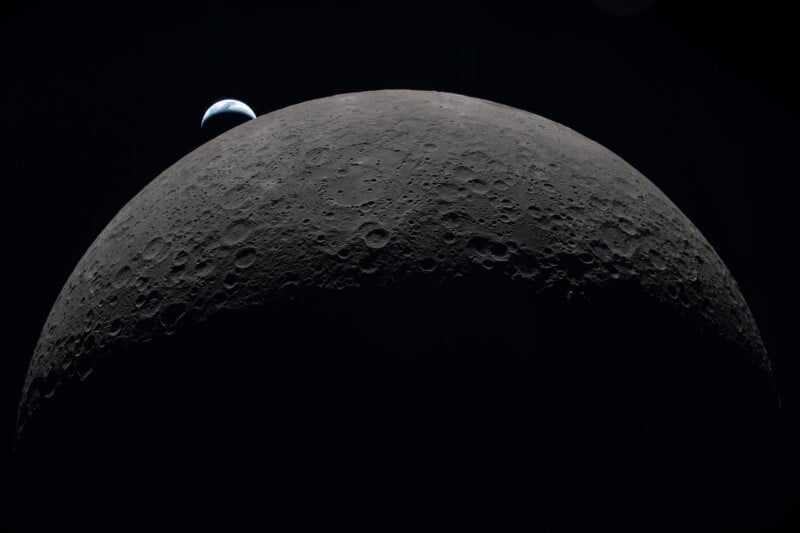
One such compelling photograph, captured approximately nine minutes before Earthset during the Artemis II lunar flyby on April 6, 2026, offers a view from the Orion spacecraft’s window. This image presents a crescent-shaped Earth hanging in the dark expanse above the Moon’s rugged surface. The inclusion of parts of the window frame in the foreground anchors the viewer to the spacecraft, emphasizing that this extraordinary sight was observed and documented by individuals on a journey far from home. This perspective is deeply relatable to photographers and anyone who has experienced the profound emotion of witnessing a magnificent scene unfold before them, coupled with the inherent challenge of capturing its essence within a single frame. The photographer’s intent to convey not just the view, but the experience of that view, is palpable.
Another striking image, titled "A Crescent Earth," showcases a sliver of our home planet illuminated against the profound blackness of space. This photograph, taken on the third day of the mission, is a testament to the delicate beauty of Earth as seen from a distance. The contrast between the vibrant, life-filled Earth and the desolate lunar landscape, viewed through the Orion’s viewport, evokes a profound sense of perspective on humanity’s place in the cosmos. The play of light and shadow across the Moon’s surface in other captured images, such as "Still Life," further enhances the dramatic visual narrative of the mission. These photographs, taken while the Artemis II crew spent approximately seven hours observing the Moon from the Orion windows, are invaluable not only for their aesthetic appeal but also for the scientific data they provide to researchers on Earth.
The act of pressing a camera shutter to capture such views, an action familiar to countless individuals on Earth, imbues these space photographs with an unparalleled human touch. This shared experience of photographic pursuit, even across the immense gulf of space, creates an invisible thread connecting the astronauts to the global audience. The urge to adjust the vantage point, to pull back and reveal the context of the observation – the spacecraft window, the mission interior – is a testament to the photographer’s desire to convey the full story, the human story, behind the image.
Human Element: The Soul-Fulfilling Aspect of Artemis II
The significance of the human element in these photographs cannot be overstated, particularly in an era increasingly dominated by automated systems and artificial intelligence. These images serve as powerful affirmations of human capability and the enduring drive for collective achievement. The ability of individuals to venture into space, to witness firsthand sights previously only imagined or glimpsed through robotic eyes, offers a profound source of inspiration and hope.
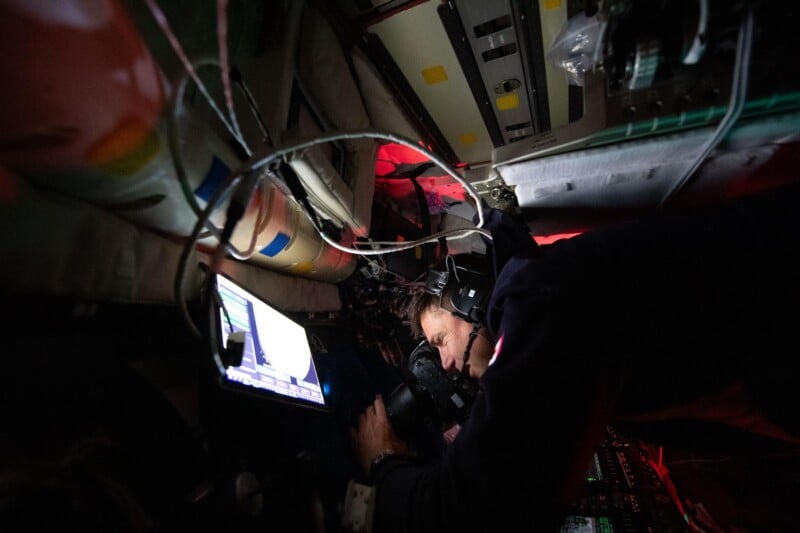
The presence of astronauts like CSA astronaut Jeremy Hansen, documented in the act of capturing images through the Orion spacecraft window during the lunar flyby, adds another layer of depth. Hansen and his fellow crewmates dedicated approximately seven hours to this task, meticulously documenting scientific observations for their teams on Earth. Their proximity to the Moon, coming within 4,067 miles of its surface at their closest approach, provided an unprecedented opportunity for close-up observation and photographic capture.

Similarly, the image of NASA astronaut Reid Wiseman, commander of Artemis II, silhouetted against a window reflecting the vastness of space, speaks to the personal experience of space travel. These moments, captured both intentionally and candidly, highlight the profound emotional and psychological impact of venturing so far from Earth. The reflections in the window, the dim interior of the spacecraft illuminated by the glow of instruments, all contribute to a narrative of human resilience and pioneering spirit.
Precision and Prediction: Training for the Lunar Canvas
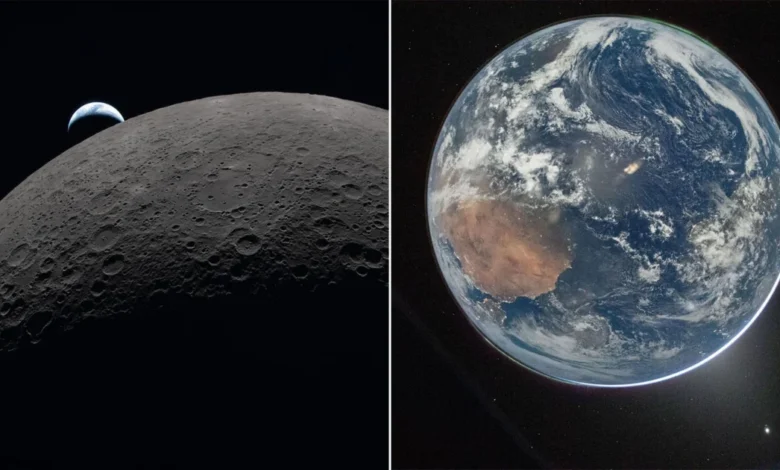
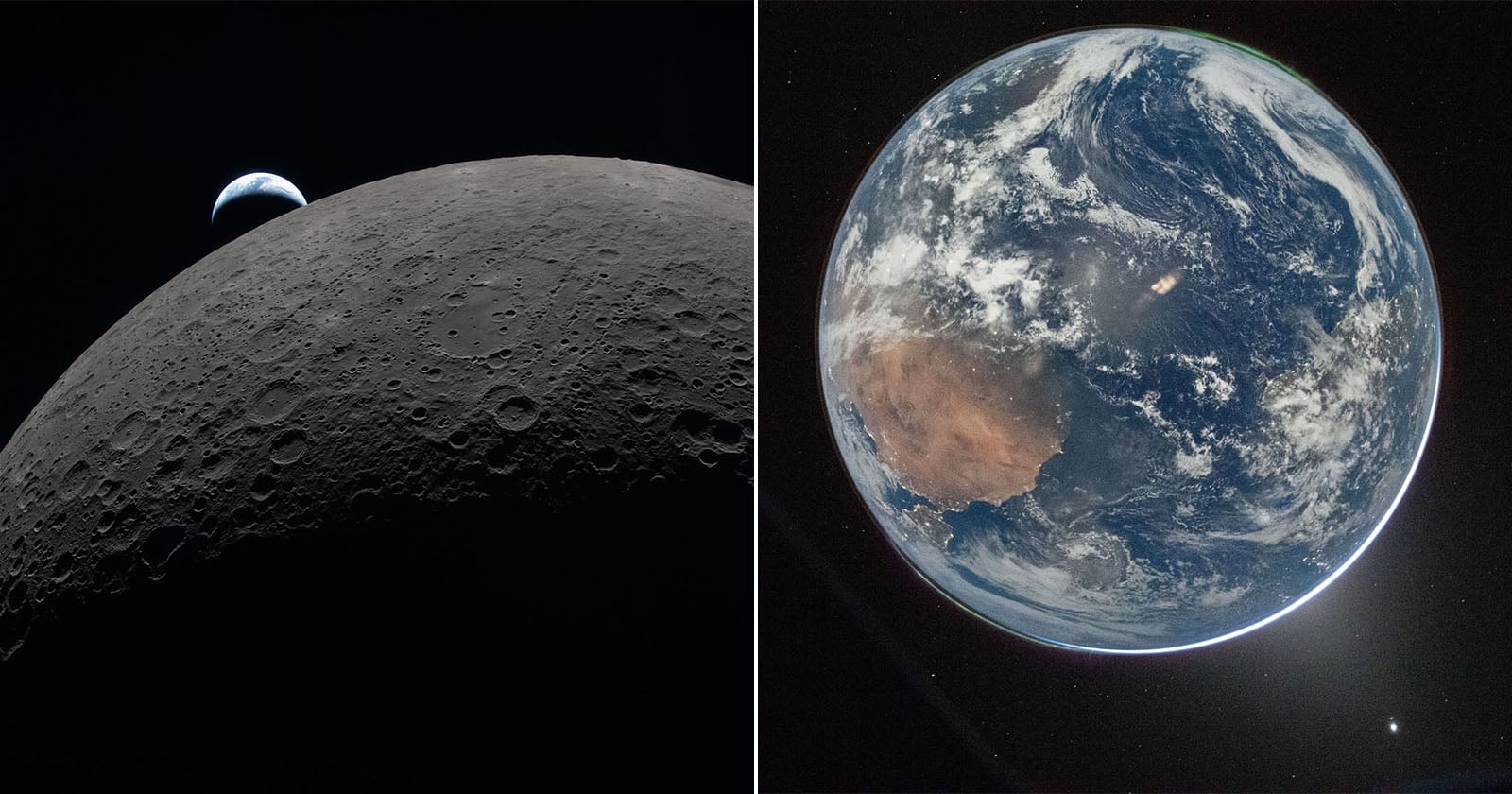
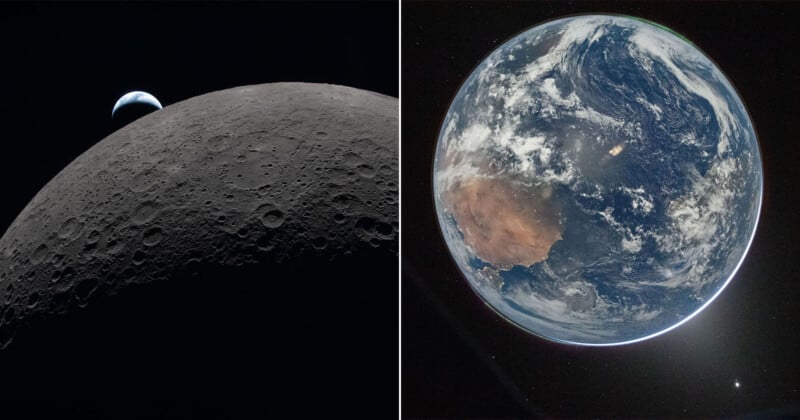
A remarkable aspect of the Artemis II mission that may have been largely overlooked is NASA’s predictive capability regarding the types of photographs the crew would capture. Prior to the mission, extensive training included simulations that allowed astronauts to prepare for specific photographic opportunities. The comparison between these simulated images and the actual photographs taken by the crew reveals a fascinating level of accuracy in predicting the visual outcomes of the mission.
One such generated image, designed to represent the relative sizes of Earth and the Moon as seen from the Orion spacecraft, closely mirrors the spectacular views that the Artemis II crew ultimately documented. This predictive accuracy underscores the meticulous planning and preparation that underpins human spaceflight, ensuring that astronauts are not only technically proficient but also visually prepared for the profound experiences awaiting them.
A Safe Return: The Emotional Climax of the Mission
Beyond the breathtaking images of space, the safe return of the Artemis II crew to Earth provided a deeply emotional and cathartic conclusion to the mission. The splashdown in the Pacific Ocean marked the culmination of a journey fraught with inherent risks. The memory of the Artemis I mission, where the heat shield experienced significant disintegration during atmospheric re-entry, heightened the anticipation and concern surrounding the return of Artemis II.
The image of Mission Specialist Christina Koch embracing the Orion module after safely splashing down is a poignant testament to the successful completion of this perilous phase of the mission. For many who had followed the mission closely, the anxiety of re-entry was palpable. Waking up to the news of the crew’s safe return was, as described by one observer, "the icing on the cake." This image symbolizes not just the physical return of the astronauts but also the successful execution of a complex and high-stakes operation, a triumph of engineering and human courage.
The Unbroken Thread: Humanity’s Enduring Connection to Space
The Artemis II mission represents more than just a technological achievement; it signifies the rekindling of humanity’s deep-seated connection with the cosmos, a bond that had lain dormant for over fifty years since the Apollo program. For enthusiasts like Jeremy Gray, whose lifelong passion for space borders on obsession, the Artemis missions represent a profound re-establishment of this relationship.

The Artemis II crew, Commander Reid Wiseman, Pilot Victor Glover, Mission Specialists Christina Koch and Jeremy Hansen, ventured farther from Earth than any humans in history, reaching a distance of nearly 253,000 miles. Their journey not only broke distance records but also shattered existing ceilings, particularly for Koch and Glover, as they became the first women and first African Americans to embark on such a lunar mission. This inclusivity is a critical aspect of the Artemis program, reflecting a modern vision of space exploration that embraces diversity and expands opportunities for all.
The mission’s success has rebuilt a vital link to space exploration that was severed after Apollo 17. The inspirational power of the crew’s journey and the beauty of their photographs are intrinsically intertwined. This reconnection is particularly meaningful for individuals who have dedicated themselves to understanding and appreciating the universe.

"Hello, World": A Modern "Blue Marble" for a New Generation
Among the most moving photographs released from the Artemis II mission is Commander Reid Wiseman’s image of Earth as the crew journeyed away from their home planet. This photograph serves as a powerful echo of the iconic "Blue Marble" image captured by Apollo 17 astronaut Harrison Schmitt in 1972. Wiseman’s "Hello, World" photograph creates a fifty-four-year throughline, connecting the groundbreaking achievements of the Apollo era to the renewed ambitions of the Artemis program.
While perhaps not as visually dramatic as some other images from the mission, "Hello, World" carries immense symbolic weight. It is a profound reminder of our shared planetary home, a singular sphere of existence in the vast cosmic expanse. The image underscores the notion that despite our differences, all of humanity is bound together on this floating ball of rock and water. This shared home, spectacular yet seemingly unremarkable in its solitude, is the most potent unifying force for humankind. The photograph, in its simplicity and clarity, encapsulates this fundamental truth, offering a perspective that is both awe-inspiring and deeply grounding.
The Unseen Architects of Success
It is crucial to acknowledge that the success of the Artemis II mission, and the breathtaking images it produced, are the result of the tireless efforts of thousands of individuals. Behind the scenes, engineers, scientists, technicians, and countless support staff worked diligently to ensure the safe launch, operation, and return of the Artemis II astronauts. While the astronauts rightly receive the spotlight for their courage and their remarkable photographic contributions, the mission’s overall achievement is a testament to a vast, collaborative human enterprise. The legacy of Artemis II is not only etched in the stunning photographs that adorn our screens but also in the renewed spirit of exploration and the profound sense of unity it has fostered.