Beyond the Façade: A Critical Examination of Large-Scale Hospitality in Marrakesh and the Case for Authentic, Sustainable Travel

A recent family vacation to Marrakesh, intended as a serene fall break, instead unveiled a series of operational discrepancies at a self-proclaimed five-star establishment, Le Grand Savoy Marrakesh. The experience, detailed by a travel industry professional, has prompted a broader discussion on the true value of star ratings, the prevalence of "greenwashing" in the hospitality sector, and the significant economic implications of tourism leakage, particularly in destinations like Morocco. This account serves not merely as a review of a single hotel but as a compelling argument for the merits of small, locally-owned properties that prioritize genuine hospitality and community impact over standardized, mass-market offerings.
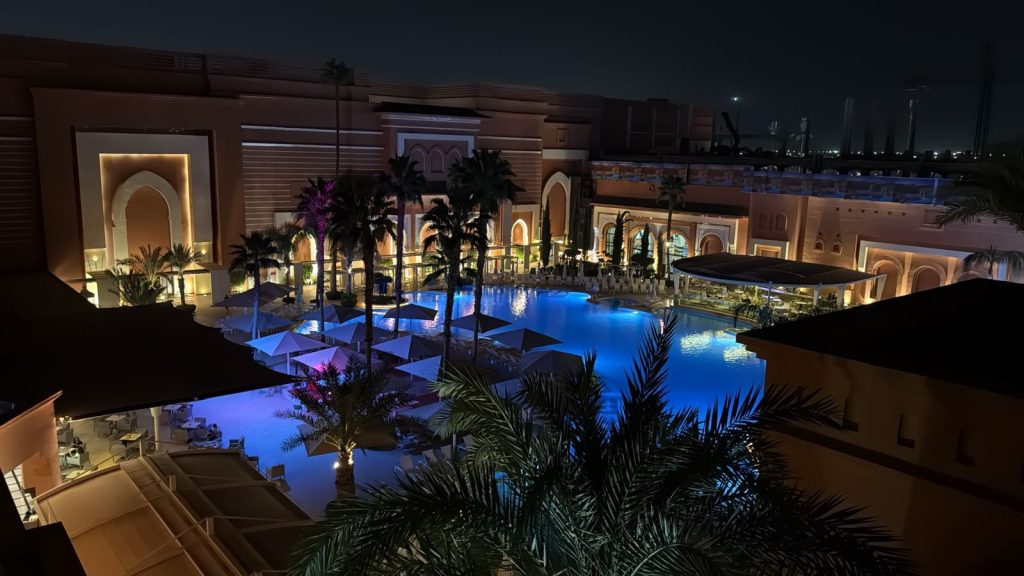
The family, residents of Tangier, sought a week of relaxation and child-friendly activities in Marrakesh, specifically desiring a property with extensive aquatic facilities for their "little fish" children and a diverse array of dining options. Le Grand Savoy Marrakesh, positioned at the lower end of the five-star pricing spectrum, appeared to meet these criteria on paper. Its advertised amenities included multiple pools, a spa, and even an on-site electric vehicle (EV) charging station, seemingly making it an "easy choice" for a family vacation. The parents also planned to enroll their children in an outdoor Waldorf-Steiner day camp, aiming to balance family time with professional commitments and meetings with travel partners in the city.
Operational Disconnects and Service Standards
From the moment of arrival, however, the ideal vacation vision began to fray. Check-in revealed an active construction project – a new restaurant being built directly above the lobby – generating persistent jackhammer noise that, while reportedly not reaching guest rooms, reverberated through common areas such as pools and courtyards. The corridors were noted to be heavily perfumed, an observation some might interpret as an attempt to mask construction odors or distractions. Outside the main entrance, staff were reportedly observed smoking alongside taxi drivers known for overcharging guests, setting an initial tone of detachment.
The family’s reserved suite, despite being spacious and clean with pleasant wood floors and bright terraces, was initially furnished with only a single matrimonial bed, lacking accommodations for the children. Rectifying this basic oversight required a two-hour ordeal involving multiple visits to the reception and repeated redirection between departments, highlighting a procedural rigidity rather than proactive problem-solving. This incident underscored a recurring theme: staff interactions, while polite, lacked the genuine warmth and initiative often associated with high-tier hospitality. An encounter at the fitness center further exemplified this, where a guest requiring a towel was instructed to retrieve one from their room on the fourth floor, across a vast courtyard, rather than being offered immediate assistance.
This perceived indifference, rather than outright hostility, was identified as a significant detractor from the overall experience. It prompted a broader critique of the five-star rating system itself, which, in many global contexts, tends to prioritize physical amenities (pools, spas, gyms, concierges) over the quality of human-centric hospitality and personalized service. This observation is particularly pertinent in Morocco, where, according to the travel professional, service standards across various hotel tiers, from one-star properties to international five-star brands, can often feel indistinguishable, with notable exceptions being rare.
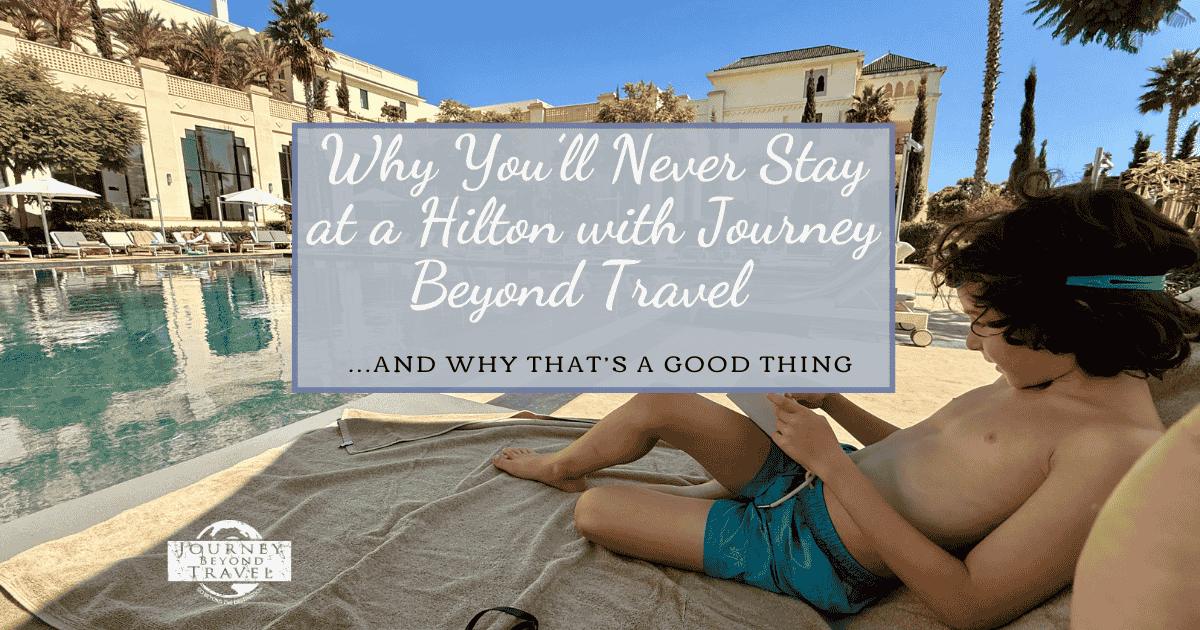
Further disappointments accumulated: the advertised EV charging station was non-existent, the "kids’ hammam" proved to be a marketing fabrication, and both hot tubs were found to be unheated, rendering them unusable in late October. These issues, individually minor, collectively painted a picture of a property managed by rigid systems and procedures rather than by a guest-focused, empathetic approach. The assessment concluded that had the property been accurately represented as a three-star or budget four-star hotel, expectations would have aligned with the reality.
The Illusion of Sustainability: Greenwashing in Practice
Le Grand Savoy Marrakesh operates under Pick Albatros Hotels & Resorts, a large regional chain that publicly champions a "Sustainable Management Policy" through the Green Star Hotel program. This policy outlines commitments to ethical employment, community support, and environmental compliance. However, the on-the-ground experience revealed significant contradictions, typical of what critics term "greenwashing." The suites were stocked with plastic water bottles and toothbrushes, and single-use shampoo and shower gel containers were prevalent – practices directly at odds with professed sustainability goals.
Such discrepancies underscore the challenge large-scale chain resorts face in translating corporate sustainability policies into tangible, daily operational practices. The gap between promotional materials and lived reality is a recurring frustration for environmentally conscious travelers. This observation aligns with broader critiques of the hospitality industry, where genuine sustainable practices often require fundamental shifts in operational models, supply chains, and staff training, rather than superficial adherence to certification programs.
The Economic and Experiential Case for Boutique Hospitality
The cumulative experience at Le Grand Savoy served as a stark reminder of why organizations like Journey Beyond Travel deliberately avoid large chain hotels, drawing parallels with global brands such as Hilton or Fairmont. The core argument is that these large properties often lack "soul," a term translated in journalistic context to mean authentic character, personalized service, and a deep connection to the local culture.
Journey Beyond Travel’s philosophy champions small, character-rich properties that prioritize human connection and local immersion. In Marrakesh, this translates to choosing restored riads within the medina, where guests might experience the owner’s family engaging with their children and preparing traditional breakfasts. In the High Atlas, it means family-run kasbahs offering an authentic experience infused with local scents and customs. These establishments are characterized by genuine hospitality, where staff often anticipate needs and respond to issues with warmth and creativity, a stark contrast to the procedural indifference encountered at larger, chain-operated hotels.
The distinction is crucial: while large hotels often function "technically," providing a standardized set of amenities, they frequently lack the emotional engagement that transforms a "fine" stay into a truly memorable, life-enriching experience. This approach to travel is not anti-luxury; many boutique properties offer exceptional comfort and aesthetic beauty. Rather, it is fundamentally against "sameness" – the replication of an identical experience across diverse locations. For Journey Beyond Travel, travel is about connecting with a story, experiencing local pride, craftsmanship, and a genuine welcome, rather than checking into a brand. This is the essence of their "boutique" philosophy.
Deep Dive: The Economics of Tourism Leakage
Beyond the experiential differences, the choice between large chain hotels and locally-owned boutique properties carries significant economic implications, particularly concerning "tourism leakage." This economic phenomenon describes the portion of tourist spending that exits the destination economy through various channels, including imports, foreign ownership, and profit repatriation.
International organizations such as the OECD and the UN World Tourism Organization (UNWTO) consistently highlight these leakage pathways. In many developing nations, leakage rates can be alarmingly high. Figures cited by UNEP and UNWTO indicate up to 40% leakage in India, 70% in Thailand, and as much as 80% in Caribbean economies, largely due to reliance on foreign-owned airlines, hotels, and imported goods.
For Morocco, research suggests a substantial inverse relationship, with often under 20% of total tourist spending remaining in the local economy. This figure, though potentially influenced by various factors, points to a significant outflow of capital. By contrast, studies consistently demonstrate that small, locally-owned hotels exhibit much lower leakage rates, often around 10%. This is because local owners are more likely to procure supplies domestically, hire local staff, and reinvest profits within their communities, fostering a more robust local economic cycle.
The mechanisms through which big-box brands facilitate money outflow are well-documented:
- Importation of Goods and Services: Large chains often rely on international supply chains for everything from food and beverages to linens and construction materials, bypassing local producers.
- Management Fees and Franchising Royalties: Local franchises or managed properties pay significant fees to the international brand for its name, systems, and marketing.
- Repatriation of Profits: Profits generated by foreign-owned hotels are often repatriated to the parent company’s home country rather than reinvested locally.
- External Marketing and Sales: Global marketing campaigns are typically managed and funded externally, with local properties contributing substantial fees.
- Debt Servicing: Large-scale developments often involve international financing, with interest payments flowing out of the local economy.
While acknowledging that not all chains are identical and local impact varies, the fundamental lesson remains: choosing smaller, locally-owned accommodations significantly amplifies the positive economic impact on the destination. When travelers opt for vetted, locally-owned riads or lodges, a larger share of their expenditure directly supports local salaries, local suppliers, local tradespeople, and remains circulating within the community.

Implications for Travelers and the Future of Tourism
For travelers aligned with the philosophy of Journey Beyond Travel, this means that virtually every stay directly contributes to a local family or independent business. This financial contribution is channeled into local wages, property maintenance, and educational initiatives, circulating where it can have the most profound local effect. More importantly, this conscious choice profoundly deepens the travel experience, fostering genuine connections with the cultural fabric of Morocco – its warmth, craftsmanship, and authentic welcome.
The personal reflection on the Marrakesh trip, despite its frustrations, concluded with a powerful affirmation of family. The children, oblivious to the operational shortcomings, found joy in the simple act of swimming and the wonder of a buffet breakfast. These moments underscored that even imperfect settings can yield cherished memories. However, the recurring frictions – the missing amenities, the indifferent service, the pervasive sense of detachment – solidified the core belief: that travel is not merely about physical amenities but about the human element, the genuine care, and the authentic connection.
The experience at Le Grand Savoy Marrakesh serves as a powerful case study for a broader critique of mass tourism and a strong advocacy for a more mindful, sustainable, and economically beneficial approach to travel. It emphasizes that while large-scale tourism infrastructure has its place, the true essence of travel, particularly in culturally rich destinations, lies in fostering genuine interactions and ensuring that the economic benefits directly empower local communities. This perspective ultimately shapes travel decisions, ensuring that memories are forged not by corporate standardization, but by warmth, welcome, and genuine human connection.