The outdoor hospitality sector in California has undergone a significant transformation over the last decade, transitioning from a niche pastime into a primary driver of the state’s multi-billion-dollar tourism economy. As families increasingly seek "intentional bonding" experiences away from digital distractions, the demand for campgrounds that balance rugged natural immersion with modern safety and entertainment amenities has reached an all-time high. Selecting a destination for family camping requires a nuanced understanding of geography, facility management, and age-appropriate programming. In the diverse landscape of California—ranging from the temperate southern coasts to the ancient northern forests—four specific locations have emerged as benchmarks for the family-friendly camping experience.
The Evolution of Family Camping in the Golden State
The camping industry in North America has seen a sustained surge in participation, a trend accelerated by the global pandemic and the subsequent "Great Outdoors" boom. According to recent industry reports, California remains one of the most active markets for camping households, driven by its unique "biomes" and a robust infrastructure of private and public parks. Organizations such as Kampgrounds of America (KOA), which operates over 500 locations across the continent, have modernized the traditional camping model to include "resort-style" amenities. This shift addresses a critical concern for modern parents: the need for clean facilities and structured activities that mitigate the "boredom factor" often associated with primitive camping.
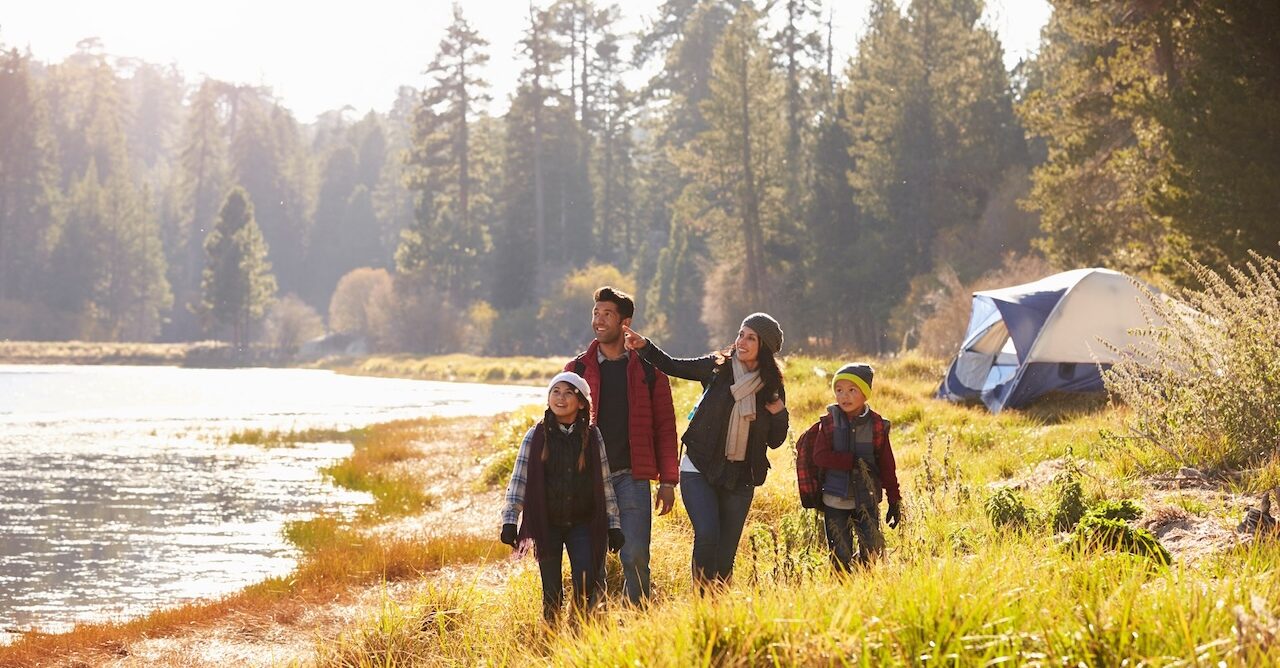
For a camping trip to be successful for families, experts suggest a "hybrid" approach. This involves choosing sites that provide access to wilderness while maintaining "home-like" safety standards. The following four California destinations represent the pinnacle of this hybrid model, each offering a distinct regional flavor and a specific set of developmental benefits for children.
1. Southern California Urban Escape: San Diego Metro KOA
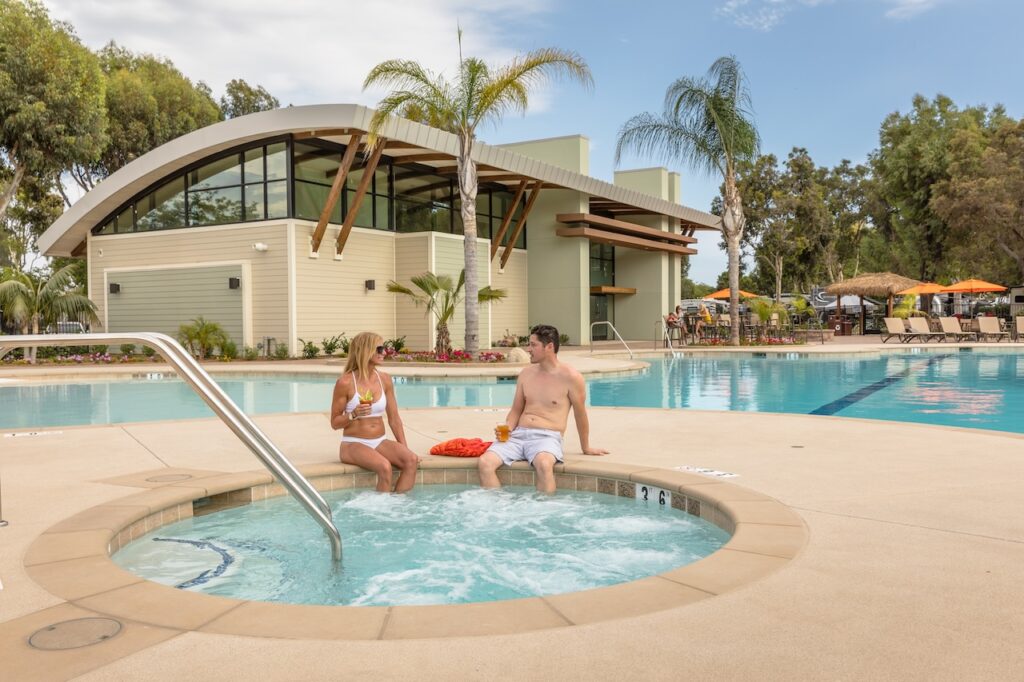
Located in Chula Vista, the San Diego Metro KOA Resort serves as a prime example of "urban-adjacent" camping. This facility is designed to bridge the gap between a traditional resort stay and a wilderness experience. The site is strategically positioned to offer families a basecamp for exploring the broader San Diego metropolitan area, including the world-renowned San Diego Zoo and Balboa Park, while maintaining a self-contained ecosystem of activities.
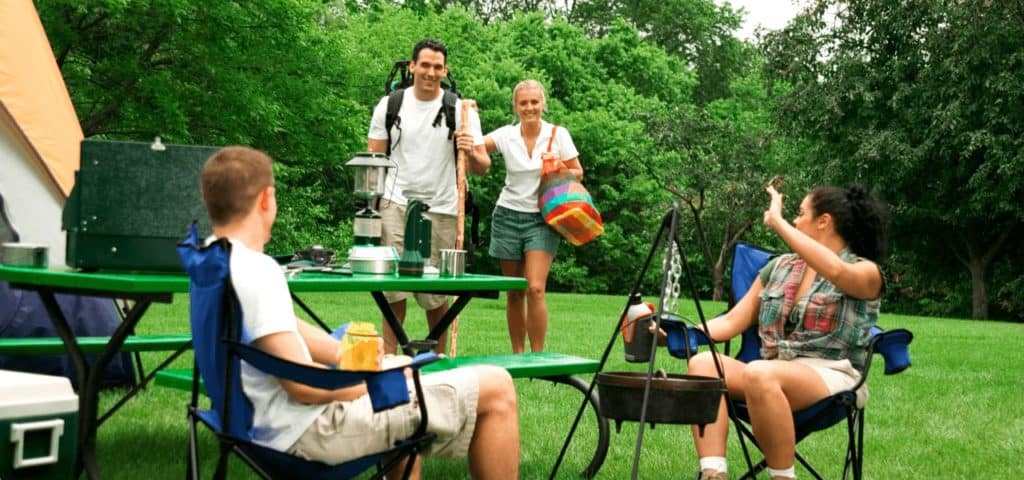
One of the defining features of this location is the presence of a dedicated Activities Director. This role is indicative of the professionalization of the camping industry, ensuring that youth programming is not merely incidental but curated. The resort offers a blend of physical challenges and social activities, ranging from rock-climbing walls to "movies under the stars."
Key Infrastructure and Programming:
- Educational Engagement: The site features unique activities such as small rocket launches, which introduce children to basic physics and aerospace concepts in a recreational setting.
- Recreational Diversity: On-site amenities include bike rentals, swimming pools, hot tubs, and a "Sandcastle Cafe" that provides high-quality food options, reducing the logistical burden of campfire cooking for every meal.
- Seasonal Adaptability: Unlike many high-altitude campgrounds, the Chula Vista location remains operational and comfortable year-round, making it a staple for winter "staycations" for Southern California residents.
2. Coastal Marine Exploration: Moss Landing KOA Express
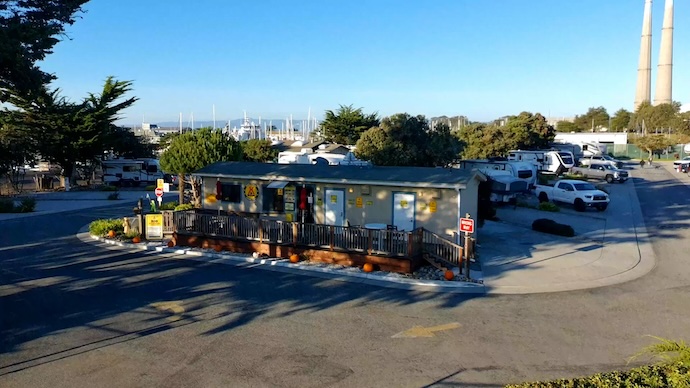
Moving north into Central California, the Moss Landing KOA Express offers a specialized experience focused on marine biology and coastal ecology. Situated within walking distance of the beach and in close proximity to the Monterey Bay National Marine Sanctuary, this site is a hub for nature-loving families.
The facility is an "RV-only" park, a decision that reflects a specific segment of the camping market that prioritizes the mobility and security of recreational vehicles. This model is particularly popular among families with younger children or those embarking on long-distance road trips along the Pacific Coast Highway.
Environmental Context and Local Impact:
- Wildlife Observation: The proximity to Moss Landing State Beach and the Elkhorn Slough provides unparalleled access to marine life. Families can observe sea otters, harbor seals, and various migratory bird species in their natural habitats.
- Nearby Attractions: The world-famous Monterey Bay Aquarium is a short drive away, allowing parents to pair the outdoor experience with formal scientific education.
- Facility Standards: To maintain a family-centric environment, the park enforces strict no-smoking policies and provides high-speed Wi-Fi and cable TV, acknowledging that modern families often require connectivity for remote work or evening entertainment.
3. Ancient Forests and Riparian Systems: Benbow KOA Holiday
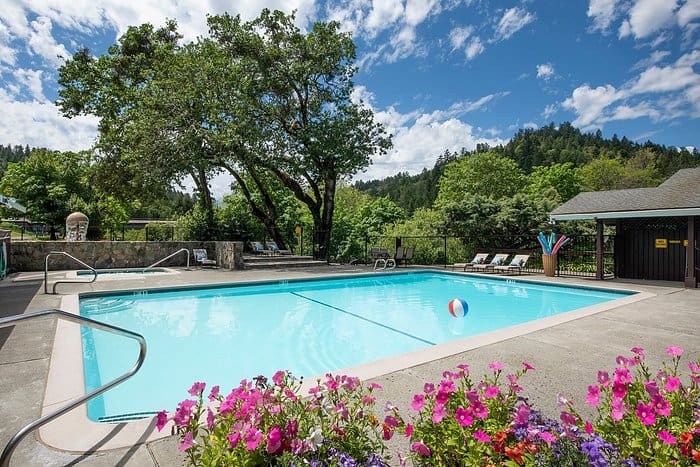
For families seeking a more traditional "woods and water" experience, the Benbow KOA Holiday in Garberville represents the rugged beauty of Northern California. Located near the "Lost Coast"—a remote, largely undeveloped stretch of the California coastline—this site is surrounded by the iconic California Redwoods.
The presence of the Eel River, which flows along the property, introduces a riparian element to the camping trip. This allows for unstructured play, such as fishing and swimming, which child psychologists often cite as essential for developing curiosity and problem-solving skills in nature.
Historical and Geographical Significance:
- The Redwoods: The nearby "Avenue of the Giants" offers a drive through some of the tallest and oldest trees on Earth. This provides a sense of scale and geological time that is difficult to replicate in other environments.
- The Benbow Barrel Train: A signature feature of this location is the barrel train, a structured activity that provides a safe and whimsical way for children to tour the campground grounds.
- Outdoor Sports: The facility integrates more formal sports, including golf and shuffleboard, providing a variety of options for multi-generational families where grandparents and children may seek different levels of physical exertion.
4. The "Glamping" Frontier: Ventura Ranch KOA Holiday
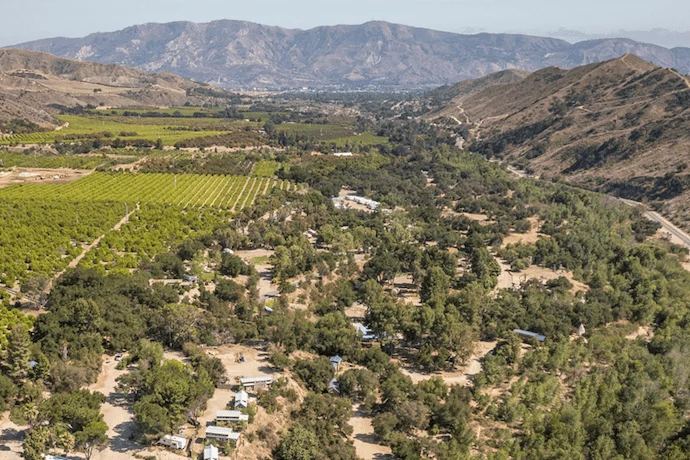
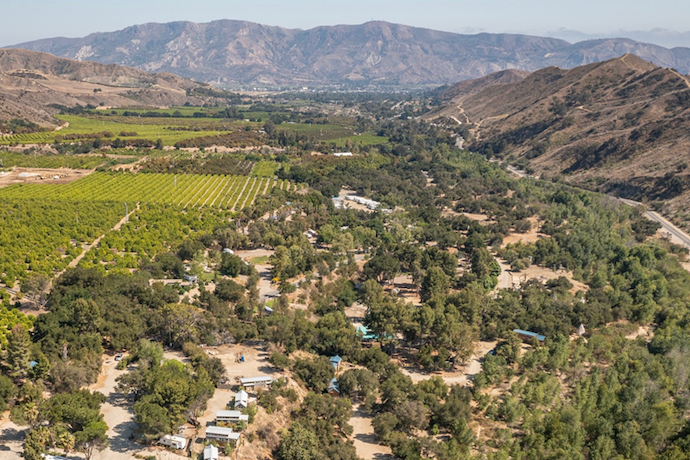
The Ventura Ranch KOA Holiday in Santa Paula represents the "Glamping" (glamorous camping) trend, which has seen exponential growth as families seek luxury-tier comfort in outdoor settings. Santa Paula, often cited as the "Citrus Capital of the World," provides a scenic backdrop of lemon and orange groves.
This location is notable for its diverse lodging options, which include safari tents and upscale cabins. This variety allows families to customize their level of "roughing it" based on their previous experience and comfort levels.
Activity-Based Development:
- High-Adrenaline Programming: The site features a zip line and rock-climbing towers, catering to older children and teenagers who may require more stimulation than traditional hiking provides.
- The World Labyrinth: In contrast to the high-energy activities, the Labyrinth offers a space for mindfulness and meditation. This balance is a key component of modern "wellness tourism," teaching children the value of quiet reflection in a natural setting.
- Educational Gems: The "gem mining" activities allow children to engage with geology in a tactile way, searching for minerals and learning about the Earth’s crust.
Analysis of Broader Impacts and Implications
The strategic selection of a campground has implications beyond a single weekend of fun. Studies have shown that early exposure to nature, often referred to as "Vitamin N," is crucial for mental health and physical development. However, the "Nature Deficit Disorder" identified by researchers like Richard Louv suggests that without structured access points like these professional campgrounds, many modern families struggle to engage with the outdoors.
Furthermore, the economic impact of these family-friendly sites is substantial. They support local economies in rural areas like Garberville and Santa Paula by driving "eco-tourism" dollars into small-town businesses, general stores, and local tour operators. By providing a safe, clean, and engaging "on-ramp" to the outdoors, these campgrounds ensure the long-term sustainability of the outdoor recreation industry by cultivating the next generation of environmental stewards.
Logistical Considerations for Families
When planning a California camping excursion, experts recommend several key considerations to ensure safety and satisfaction:
- Sleep Schedules: While children can camp at any age, parents should consider the "quiet hours" enforced by most professional campgrounds. A child who can sleep through the night is often a better candidate for shared camping environments.
- Safety Protocols: Professional campgrounds like those mentioned above offer 24-hour laundry, clean restrooms, and well-lit pathways, which are essential for families with toddlers.
- Reservations: Due to the high demand for California’s premier sites, especially during the summer months and themed weekends, reservations are often required months in advance.
In conclusion, the modern family camping trip in California is no longer just about survival in the wilderness; it is a curated experience designed to foster growth, education, and lasting memories. Whether it is the urban resort of San Diego, the marine sanctuary of Moss Landing, the ancient forests of Benbow, or the high-action "glamping" of Ventura Ranch, these destinations provide the infrastructure necessary for a successful transition from the living room to the great outdoors.
Related posts: