The Strategic Transition to Ultralight Backpacking: Maximizing Efficiency and Comfort on the Trail


The pursuit of an ultralight backpacking kit, defined by a base weight of 10 pounds or less, represents a significant paradigm shift for many outdoor enthusiasts. This methodical reduction of pack weight is not merely a trend but a strategic approach to enhancing the overall wilderness experience, promising less physical strain, increased mileage, and greater enjoyment of the natural environment. While the allure of a feather-light pack is strong, the transition from traditional, often heavier, gear requires a deliberate and well-considered strategy. A piecemeal upgrade, driven by budget constraints or a desire for gradual adaptation, demands a specific order of investment to maximize comfort and efficiency and avoid unnecessary discomfort or financial missteps. This article delves into the rationale behind this incremental approach, providing detailed insights into the most impactful gear swaps and the broader implications of adopting an ultralight philosophy.
The Ultralight Imperative: Why Less is More
For decades, backpacking gear emphasized rugged durability, often at the expense of weight. Traditional packs, tents, and sleeping systems, while robust, frequently led to base weights exceeding 20-30 pounds, placing considerable stress on hikers’ bodies. The advent of ultralight backpacking, spurred largely by the thru-hiking community and advancements in materials science, has fundamentally altered this perspective. The core principle is simple: less weight translates directly into less energy expended, fewer aches and pains, and the ability to cover greater distances more quickly and comfortably. This directly addresses common complaints such as shoulder and hip soreness, fatigue, and the general wear and tear associated with carrying substantial loads over varied terrain.
The benefits extend beyond mere physical relief. An ultralight kit can foster a deeper connection with the outdoors by allowing hikers to focus more on their surroundings and less on the burden on their backs. It opens up opportunities for longer trips, more ambitious routes, and greater flexibility in itinerary planning. Furthermore, the minimalist ethos often associated with ultralight backpacking encourages a critical assessment of every item carried, fostering a greater appreciation for essentialism and efficiency. Industry analysis indicates a growing market for ultralight gear, with a compound annual growth rate reflecting increasing consumer demand for high-performance, low-weight solutions. This trend is supported by data from outdoor recreation surveys, which consistently show improved satisfaction levels among hikers who have successfully reduced their pack weight.
A Strategic Transition: The Incremental Approach
The primary barrier to adopting an ultralight setup for many is the significant financial investment required to replace an entire traditional kit. High-performance ultralight gear, often utilizing advanced fabrics like Dyneema Composite Fabric (DCF), high-fill-power goose down, and aerospace-grade aluminum or carbon fiber, comes with a premium price tag. Consequently, most backpackers opt for a gradual transition, replacing individual items over time. However, the order of these upgrades is critical. Simply buying the lightest available version of each item without considering its overall impact on the system can lead to an unbalanced and uncomfortable experience.
Experts in outdoor gear and long-distance hiking generally advocate for prioritizing items that offer the most substantial weight savings first. This strategy ensures that initial investments yield the greatest tangible reduction in base weight, immediately improving trail comfort and performance. Conversely, upgrading smaller, lighter items prematurely, or, critically, purchasing an ultralight backpack before the rest of the kit is optimized, can lead to dissatisfaction and discomfort. The "Big Three"—shelter, sleep system, and backpack—are universally recognized as the heaviest components of any kit, making them the logical starting points for a weight-saving overhaul.
The Foundation: Prioritizing the Big Three (and Beyond)
1. Shelter First: The Tent Transformation
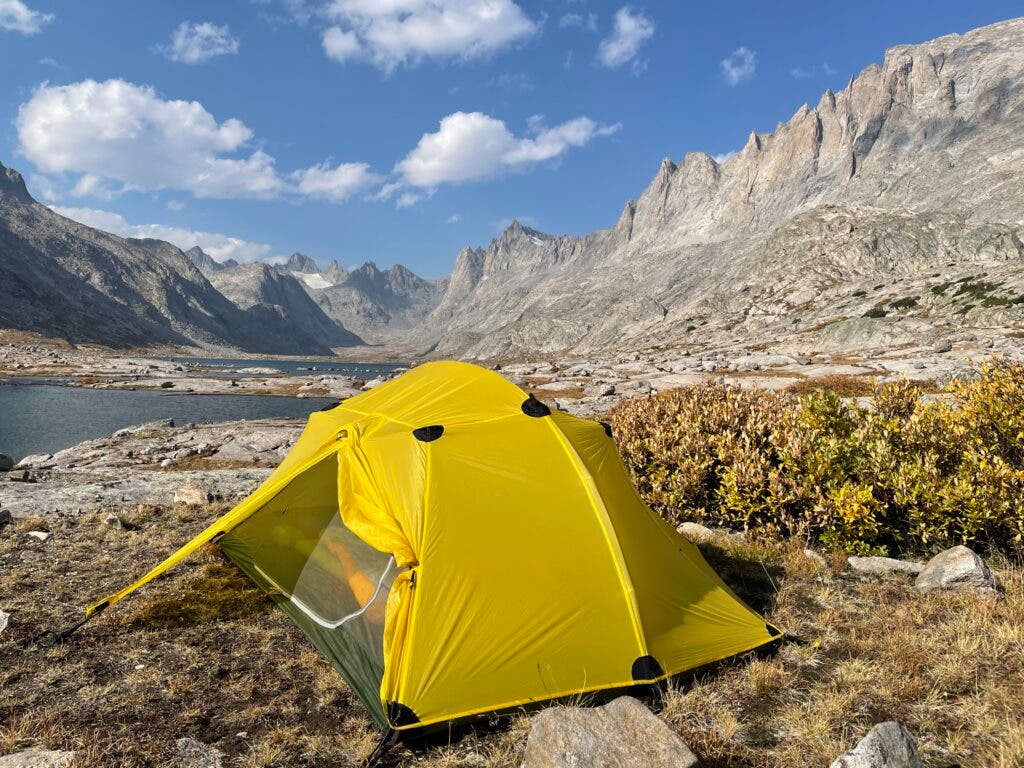
The tent or shelter system is almost invariably the heaviest single item in a backpacker’s kit. Traditional backpacking tents, particularly older models designed for extreme durability and spaciousness, can weigh upwards of 5-7 pounds. Upgrading this component offers the most dramatic and immediate reduction in base weight. Modern ultralight shelters, utilizing advanced materials such as DCF or lightweight silnylon/silpoly, can weigh as little as 1-2 pounds, some even less than a pound for solo setups. This represents a potential weight saving of 4-6 pounds from a single item.

Beyond the sheer weight reduction, ultralight tents often feature more compact packed sizes, freeing up valuable space within the backpack. While some ultralight shelters sacrifice a degree of interior space or freestanding capability for weight savings, many contemporary designs, like the Durston X-Mid Pro 1, strike an excellent balance between minimal weight, weather protection, and livability. This particular model, often lauded by thru-hikers, exemplifies how innovative design can achieve significant weight reduction without compromising essential functionality. By prioritizing the tent upgrade, hikers immediately experience a noticeable difference in overall pack burden, laying a solid foundation for subsequent weight reductions.
2. The Sleep System Revolution: Bags, Quilts, and Pads
Following the shelter, the sleep system—comprising the sleeping bag or quilt and sleeping pad—typically represents the next heaviest category. Older sleeping bags, especially synthetic models or those with lower-fill-power down, can be bulky and weigh 3-5 pounds. The evolution of sleeping gear has introduced highly efficient alternatives.
- Sleeping Bags and Quilts: Modern ultralight sleeping bags leverage high-fill-power goose down (800-950+ fill power) for an unparalleled warmth-to-weight ratio. Even more radical, many ultralight enthusiasts opt for sleeping quilts. Quilts eliminate the back fabric and zippers found in traditional sleeping bags, as the insulation on the underside is often compressed by the user’s body and thus provides minimal warmth. By removing this "dead weight," quilts can be significantly lighter and more compact than comparable sleeping bags. A high-quality ultralight quilt, such as the Katabatic Flex 22, can weigh under 2 pounds while providing robust warmth for three-season use. The choice between a bag and a quilt often comes down to personal preference for warmth retention and freedom of movement, but both offer substantial weight savings over older gear.
- Sleeping Pads: The sleeping pad, crucial for insulation and comfort, has also undergone a dramatic transformation. Traditional foam pads, while durable, are bulky. Older inflatable pads could be heavy and prone to punctures. Contemporary ultralight inflatable pads, such as the NEMO Tensor Elite, utilize advanced baffle designs and insulation materials to achieve high R-values (a measure of thermal resistance) at weights often under a pound and packed sizes smaller than a 32oz Nalgene bottle. Closed-cell foam pads, like the Therm-a-Rest Z-Lite, remain a viable ultralight option for their durability and simplicity, though they offer less comfort and packed volume efficiency. The key is to select a pad that provides adequate insulation for anticipated conditions and sufficient comfort, as sacrificing sleep quality for weight savings can severely impact trail performance and enjoyment. A comfortable sleep system is paramount for recovery and morale on multi-day trips.
3. Culinary Efficiency: Streamlining the Camp Kitchen
While not as heavy as the "Big Two," the cooking system can still contribute significant unnecessary weight. Traditional camp stoves, fuel canisters, and heavy-gauge pots and utensils can easily add several pounds to a pack. Downsizing this setup can yield noticeable savings.
- Stoves: Many backpackers are transitioning from larger, heavier liquid fuel or integrated canister systems to minimalist canister stoves. Models like the Toaks Stove, known for its compact size and efficient burn, represent the ultralight ideal. Some hikers even opt for alcohol stoves or simple wood-burning stoves, which can be incredibly light but require more skill and consideration for fuel availability and regulations. For the truly minimalist, cold soaking (rehydrating food without heat) eliminates the need for a stove entirely, though this approach is not for everyone.
- Cookware and Utensils: Swapping heavy stainless steel or aluminum pots for titanium alternatives, such as the SOTO Titanium Pot, provides significant weight reduction without compromising durability. Lightweight plastic or titanium sporks replace heavier cutlery. The shift towards dehydrated or "pouch" dinners also reduces the need for elaborate cooking vessels and multiple utensils, further simplifying the kitchen kit. This category, while offering smaller individual savings, embodies the ultralight philosophy of scrutinizing every item for its necessity and weight.
The Pack Paradox: Why Your Backpack Comes Last
Perhaps the most counterintuitive, yet crucial, piece of advice for transitioning to ultralight is to save the backpack upgrade for last. This recommendation stems from the fundamental design principles of ultralight packs. Unlike traditional packs, which are often built with robust internal frames, thick padding, and heavy-duty fabrics to comfortably carry loads exceeding 40-50 pounds, ultralight packs are engineered for minimal weight capacity, typically optimized for 25-35 pounds.
Ultralight packs, exemplified by models like the Zpacks Arc Haul Ultra, achieve their low weight through minimalist design, lighter fabrics (often DCF or ultra-high-molecular-weight polyethylene blends), and reduced padding or internal frame structures. Attempting to carry a heavy, traditional kit within an ultralight pack will inevitably lead to discomfort, instability, and potential damage to the pack. The shoulder straps will dig in, the load will shift improperly, and the pack’s integrity may be compromised. The lack of a substantial frame in many ultralight packs means that the contents of the pack itself act as part of the support structure, necessitating careful packing of lighter, more compressible items. Therefore, acquiring an ultralight pack prematurely, before the rest of your gear has been significantly lightened, is a recipe for regret and an uncomfortable trail experience. It is the final piece of the puzzle, chosen to perfectly complement the newly streamlined contents.
Beyond the Essentials: The Cumulative Impact of Micro-Savings
Once the "Big Three" and cooking system have been optimized, attention can turn to the myriad smaller items that, collectively, can still add substantial weight. While individual items like a toothbrush, headlamp, or first-aid kit may seem negligible, the ultralight philosophy encourages scrutinizing every single gram.
- Clothing: Transitioning to lightweight, quick-drying technical fabrics for all layers, and bringing only essential items, can save significant weight.
- Hydration: Swapping heavy Nalgene bottles for lighter disposable plastic bottles (like Smartwater bottles) or collapsible bladders.
- Toiletries: Decanting liquids into smaller containers, carrying only essential items.
- Navigation: Relying on smartphone apps with downloaded maps and a small power bank instead of heavier dedicated GPS units and paper maps (though a backup paper map is always prudent).
- Miscellaneous: Cutting toothbrush handles, trimming excess strap length, choosing a small, lightweight trowel, and even selecting lighter snacks all contribute to the cumulative weight savings.
The process of going ultralight is an ongoing journey of refinement and adaptation. It’s not about sacrificing safety or comfort, but rather about making informed choices that optimize the balance between weight, durability, and functionality. As gear wears out, it presents an opportunity to replace it with a lighter, more efficient alternative.
The Evolution of Ultralight Backpacking: A Historical Perspective
The concept of ultralight travel has roots dating back to early wilderness explorers and mountain climbers who prioritized efficiency, but the modern ultralight movement truly began gaining traction in the late 20th century. Pioneers like Ray Jardine, with his "Jardine’s Backpacking Book," challenged conventional wisdom about what was necessary for extended wilderness trips. His emphasis on lightweight gear, minimal supplies, and efficient hiking techniques resonated deeply with a growing community of long-distance hikers, particularly those tackling trails like the Appalachian Trail and Pacific Crest Trail.
Technological advancements have played a pivotal role. The development of lighter, stronger fabrics (e.g., ripstop nylon, silicone-impregnated fabrics, and later Dyneema Composite Fabric), higher-fill-power down, and improved stove technologies allowed manufacturers to produce gear that was both lighter and more capable. This evolution transformed ultralight backpacking from a niche, DIY pursuit into a mainstream segment of the outdoor industry, offering a wide array of commercially available, high-performance ultralight products.
Economic and Environmental Considerations
The initial investment in ultralight gear is often higher than for traditional equipment. However, proponents argue that the long-term benefits—reduced physical toll, increased enjoyment, and potentially longer hiking careers—justify the cost. The incremental upgrade strategy outlined above also makes the financial commitment more manageable over time.
From an environmental perspective, ultralight backpacking carries mixed implications. Lighter packs often lead to faster travel, potentially reducing overall impact on sensitive ecosystems by minimizing time spent in one area. The emphasis on minimalism also encourages consuming less and making deliberate choices about gear. However, some ultralight materials, particularly those with very high strength-to-weight ratios, can have complex manufacturing processes and end-of-life considerations. Durability is a key factor; while modern ultralight gear is remarkably robust, some extremely lightweight items might have a shorter lifespan than their heavier counterparts, potentially leading to more frequent replacements and increased consumption if not carefully selected and maintained.
Expert Insights and Community Consensus
Leading outdoor publications and experienced thru-hikers consistently underscore the importance of a thoughtful transition to ultralight. "The biggest mistake beginners make," notes a prominent outdoor gear reviewer, "is buying an ultralight pack before they’ve even begun to lighten the contents. You’ll end up with a pack that’s uncomfortable, overloaded, and ultimately not fit for purpose." This sentiment is echoed across various online forums and community groups dedicated to ultralight backpacking, where the phased approach is almost universally recommended. Manufacturers themselves, while eager to sell their ultralight offerings, often include disclaimers about appropriate load capacities for their minimalist packs, implicitly supporting the incremental upgrade philosophy.
Conclusion: An Ongoing Journey of Optimization
Transitioning to an ultralight backpacking kit is a transformative process that promises significant rewards on the trail. It is, however, a journey best undertaken with patience and strategic planning. By prioritizing the heaviest components first—the shelter, followed by the sleep system and cooking setup—backpackers can achieve substantial weight savings early in the process, maximizing immediate comfort and efficiency. Reserving the backpack upgrade for last ensures that this crucial piece of gear is perfectly matched to a meticulously curated, lightweight load. While embracing ultralight principles may involve an initial investment and a shift in mindset, the ultimate outcome is a more enjoyable, less strenuous, and deeply fulfilling wilderness experience, allowing hikers to move with greater freedom and connect more intimately with the natural world. The path to ultralight is not merely about shedding pounds; it’s about gaining miles, comfort, and a renewed appreciation for the essential.