Morocco readies for Yennayer 2976, marking the Amazigh New Year as a national holiday of profound cultural significance.

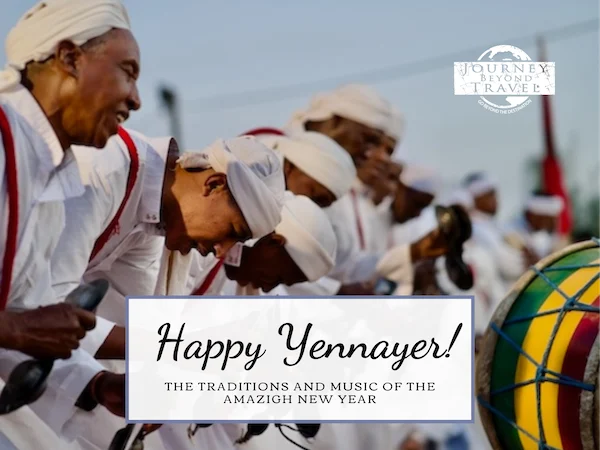
As the calendar turns to the Amazigh New Year, known as Yennayer, Morocco prepares for a vibrant celebration of its ancient roots and enduring traditions. In 2026, the Amazigh calendar marks the year 2976, a testament to a heritage that stretches back millennia. This annual event, observed between January 12-14, traditionally signals the commencement of the agricultural year and serves as a powerful period of renewal, community gathering, and profound festivity across the North African nation. The recent declaration of Yennayer as a public holiday in Morocco in 2023 has elevated its status, cementing its place as a pivotal moment in the national calendar and a symbol of the country’s rich, diverse cultural identity.
The Enduring Legacy of the Amazigh: Guardians of North Africa’s Heritage
The Amazigh, often referred to as Berbers, are the indigenous people of North Africa, their presence predating recorded history in the region. Their resilience and deep-rooted culture have allowed traditions, artistry, and a distinct worldview to be passed down through countless generations, creating a vibrant tapestry that continues to shape the identity of Morocco and other North African nations. From the majestic peaks of the Atlas Mountains, which bear their indelible mark through unique architectural styles and agricultural practices, to the sprawling, ancient sands of the Sahara Desert, where nomadic Amazigh communities maintain timeless ways of life, their influence is omnipresent. Their contributions are vast, encompassing distinctive architectural designs, a rich and varied cuisine, a diverse array of musical forms, and the Tamazight language, which has gained official status alongside Arabic in Morocco. This cultural bedrock is profoundly embedded in Morocco’s national soul, much like the iconic cedar trees that stand as silent sentinels in the Middle Atlas.
The Amazigh language, Tamazight, is not a monolithic entity but a collection of distinct dialects spoken across North Africa, reflecting the regional diversity of its speakers. In Morocco, key dialects include Tashelhit (southwest), Tamazight (Central Atlas), and Tarifit (Rif Mountains). The recognition of Tamazight as an official language in 2011 was a landmark achievement, underscoring a broader national commitment to acknowledging and preserving Amazigh identity. This linguistic revival is critical for cultural continuity, enabling younger generations to connect with their heritage and ensuring the survival of oral traditions, poetry, and storytelling that are central to Amazigh identity.
To delve deeper into the Amazigh’s history and profound influence, exploring detailed guides on Morocco’s Berbers provides invaluable insights into their societal structures, historical struggles, and unwavering cultural preservation efforts.
Yennayer: A Celebration Rooted in Agricultural Cycles and Ancestral Wisdom
Yennayer, beyond being a simple calendar date, is deeply entwined with the agrarian cycles that have sustained Amazigh communities for millennia. Its timing, traditionally marking the start of the agricultural year, aligns with the winter solstice, symbolizing the promise of new growth, fertility, and abundance after the dormant period of winter. The Amazigh calendar itself is a solar calendar, believed to have originated around 950 BC, coinciding with the ascension of the Amazigh pharaoh Shoshenq I to the throne of Egypt, a historical marker that gives the current year (2976) its precise numbering. This historical depth underscores Yennayer’s significance not merely as a harvest festival but as a connection to a profound, ancient civilization.
The festivities blend these ancient traditions with regional variations, creating a colorful, immersive experience that differs slightly from village to village, yet retains core elements of shared heritage. Highlights of Yennayer celebrations typically include:

- Communal Feasts (Imensi n Yennayer): At the heart of Yennayer is the shared meal, known as Imensi n Yennayer (the dinner of Yennayer). Families and communities gather to prepare and partake in special dishes, each imbued with symbolic meaning.
- Tagola: A quintessential Yennayer dish, Tagola is a thick porridge-like dish made from barley flour, butter, argan oil, and often enriched with nuts, honey, or dates. It symbolizes fertility, prosperity, and the bounty of the land. In some traditions, a date pit or a small coin is hidden within the Tagola; the person who finds it is believed to be blessed with good fortune for the coming year.
- Berkoukes (Abadir): A hearty, large-grain couscous often prepared with various vegetables, pulses (like lentils or chickpeas), and sometimes meat (chicken or dried lamb). Its substantial nature reflects the hope for a year of plentiful sustenance.
- Orkmen: A warming barley soup, particularly popular in colder mountain regions, symbolizing comfort and health for the new year.
- Poultry and Dried Meats: Chicken or other poultry, as well as dried meats like khlii (preserved cured meat), are often central to the feast, signifying prosperity and a successful livestock season.
- Fruits and Nuts: A wide array of dried fruits, nuts, and sweets are consumed, representing the sweetness of life and the richness of nature’s offerings.
- Traditional Music and Dance: Music and dance are integral to the celebrations, with specific forms varying by region.
- Ahwash: In the High Atlas Mountains, the Ahwash is a communal dance performed by men and women, often forming concentric circles. Accompanied by drums (bendir), flutes, and chanting, it tells stories, expresses joy, and strengthens community bonds. The rhythmic movements and collective singing are a powerful expression of Amazigh identity.
- Ahouzar: Predominant in the Middle Atlas, Ahouzar involves specific drum rhythms and call-and-response singing, often performed during evening gatherings.
- Taqqallalt: A women’s dance often performed at weddings and festivals, sometimes adapted for Yennayer celebrations, involving rhythmic clapping and singing.
- Symbolic Rituals and Practices: Beyond food and music, various rituals are observed to usher in good fortune and ward off ill will.
- New Clothing and Haircuts: Many families don new traditional clothing (jellabas, kaftans, headscarves) as a symbol of renewal. Children, especially, often receive new clothes or have their hair cut for the first time or styled specially, signifying a fresh start and growth.
- House Cleaning and Decoration: Homes are thoroughly cleaned and sometimes redecorated, symbolizing the cleansing of the old and welcoming of the new.
- Aghrum n Tferna (Bread of Fortune): Special breads are baked, sometimes with a hidden coin, to bring luck to the finder.
- Symbolic Planting: In some rural areas, a small symbolic planting of seeds occurs, reinforcing the agricultural connection and hopes for a fertile year.
- Storytelling and Oral Traditions: Elders often share ancestral stories, proverbs, and legends, passing down history and moral lessons to younger generations around evening fires, reinforcing cultural memory.
These diverse practices collectively weave a rich tapestry of celebration, emphasizing community, family, and a deep respect for nature and heritage.
Yennayer as a National Holiday: A Milestone for Cultural Affirmation
The declaration of Yennayer as an official public holiday in Morocco in 2023 by His Majesty King Mohammed VI marked a pivotal moment in the nation’s history. This decision was not merely a ceremonial act but the culmination of decades of tireless advocacy by Amazigh cultural associations and activists who sought greater recognition and integration of Amazigh identity within the national narrative.
The implications of this national recognition are far-reaching:
- Cultural Affirmation: It represents a powerful affirmation of Amazigh identity, language, and culture as an integral and indispensable component of Moroccan heritage. It validates the struggles and contributions of Amazigh communities throughout history.
- National Unity and Diversity: By embracing Yennayer at a national level, Morocco reinforces its commitment to national unity built on the foundation of its rich cultural diversity. It acknowledges that the strength of the nation lies in celebrating all its constituent identities.
- Educational and Institutional Integration: The holiday encourages greater integration of Amazigh culture, history, and language into public education curricula and official institutions. This can lead to increased awareness and understanding among all Moroccans, fostering a more inclusive national identity.
- Economic Impact and Tourism: As a national holiday, Yennayer offers new opportunities for cultural tourism. It draws attention to Amazigh regions and traditions, potentially boosting local economies through increased visitor engagement with artisanal crafts, traditional cuisine, and cultural performances.
- Global Recognition: The move also positions Morocco as a leader in cultural diversity and indigenous rights within the region, potentially inspiring similar recognition efforts for indigenous cultures worldwide.
Statements from related parties, though not explicitly provided in the original text, can be logically inferred. Amazigh cultural organizations have widely lauded the decision as a historic achievement, praising the King’s vision for a pluralistic Morocco. Government officials have emphasized the importance of Yennayer in promoting national cohesion and celebrating the country’s unique historical depth. The tourism sector has viewed it as an opportunity to enrich Morocco’s cultural offerings, inviting visitors to experience an authentic aspect of Moroccan life.
Experiencing Amazigh Culture Year-Round: Beyond the Festivities
While Yennayer is a profoundly special time, Morocco offers myriad opportunities to experience and engage with Amazigh heritage throughout the year. The essence of Amazigh culture permeates daily life, from savoring a traditional tagine in an Atlas Mountain village after a scenic mountain walk to joining in an ahwash dance under the Milky Way in the Sahara Desert, where the stars seem to tell ancient stories.
Travelers can immerse themselves in the high-altitude villages of the High Atlas Mountains, where terraced fields, ancient granaries (agadirs), and distinctive clay houses reflect age-old traditions of community living and sustainable agriculture. Exploring the lush oases of the Ziz Valley or the Draa Valley reveals verdant palm groves amidst arid landscapes, where Amazigh hospitality welcomes visitors with open arms, offering insights into traditional irrigation systems and community life. A journey to the Sahara Desert, particularly to areas like Merzouga or Zagora, reveals the timeless, photogenic lifestyle of nomadic Amazigh communities, offering experiences like camel treks, stargazing, and sharing tea in traditional tents, providing a glimpse into a culture deeply connected to the desert environment.
For tips on planning an authentic cultural experience, various travel blogs and resources offer guides to exploring Morocco’s hidden gems and meeting local artisans, ensuring responsible and enriching interactions.

Why Celebrate Amazigh Heritage with Journey Beyond Travel?
At Journey Beyond Travel, the philosophy is centered on the belief that meaningful travel stems from genuine connections with people and places. Their carefully curated itineraries are designed to offer immersive experiences that highlight Morocco’s diverse heritage, with a particular emphasis on its Amazigh roots. By joining one of their tours, travelers gain the chance to:
- Engage with Local Communities: Facilitating direct interactions with Amazigh families, artisans, and musicians, fostering a deeper understanding of their daily lives and traditions.
- Explore Historic Sites: Visiting ancient kasbahs, agadirs, and villages that showcase Amazigh architectural prowess and historical resilience.
- Participate in Cultural Activities: Offering opportunities to learn traditional crafts, participate in cooking classes for Amazigh cuisine, or experience authentic music and dance performances.
- Support Sustainable Tourism: By prioritizing local guides, accommodations, and businesses, ensuring that tourism benefits the communities directly, contributing to the preservation of their heritage.
- Experience Authentic Hospitality: Witnessing firsthand the legendary warmth and generosity of the Amazigh people, creating unforgettable personal connections.
Each journey is meticulously designed to foster understanding and appreciation through unforgettable moments, such as sharing stories with Amazigh elders around a crackling fire under the desert sky or learning the intricate art of Amazigh weaving firsthand from a master artisan. These experiences transcend typical tourism, offering profound insights into a vibrant culture.
Join the Celebration: A Call to Discovery
As Yennayer approaches, there is no better time to discover the beating heart of Morocco. The recognition of Yennayer as a national holiday underscores a growing acknowledgment of Amazigh culture as a central pillar of the country’s identity, shaping celebrations not only within Amazigh communities but also across schools, institutions, and public life throughout Morocco. Whether exploring the bustling souks of Marrakesh, hiking the majestic trails of the Atlas Mountains, or marveling at the boundless starry skies of the Sahara, the indelible Amazigh spirit is woven into the very fabric of the landscape and its people. It is a presence that simply requires one to look, listen, and engage.
To embark on a journey that truly reveals Morocco’s soul, shaped by its profound Amazigh heritage and timeless traditions, contact Journey Beyond Travel today. Experience a land where ancient customs thrive and every encounter is an opportunity for discovery.
Happy Amazigh New Year – Asogas amayno!
About the Author
Written and photographed by Morocco expert Lucas Peters. After spending years traveling to the distant corners of Morocco and writing about his adventures, he penned the best-selling guidebook Moon Morocco as well as Marrakesh and Beyond. He is the Managing Director of Journey Beyond Travel and currently lives in Tangier with his family.