The Evolution of Family-Centric Outdoor Recreation
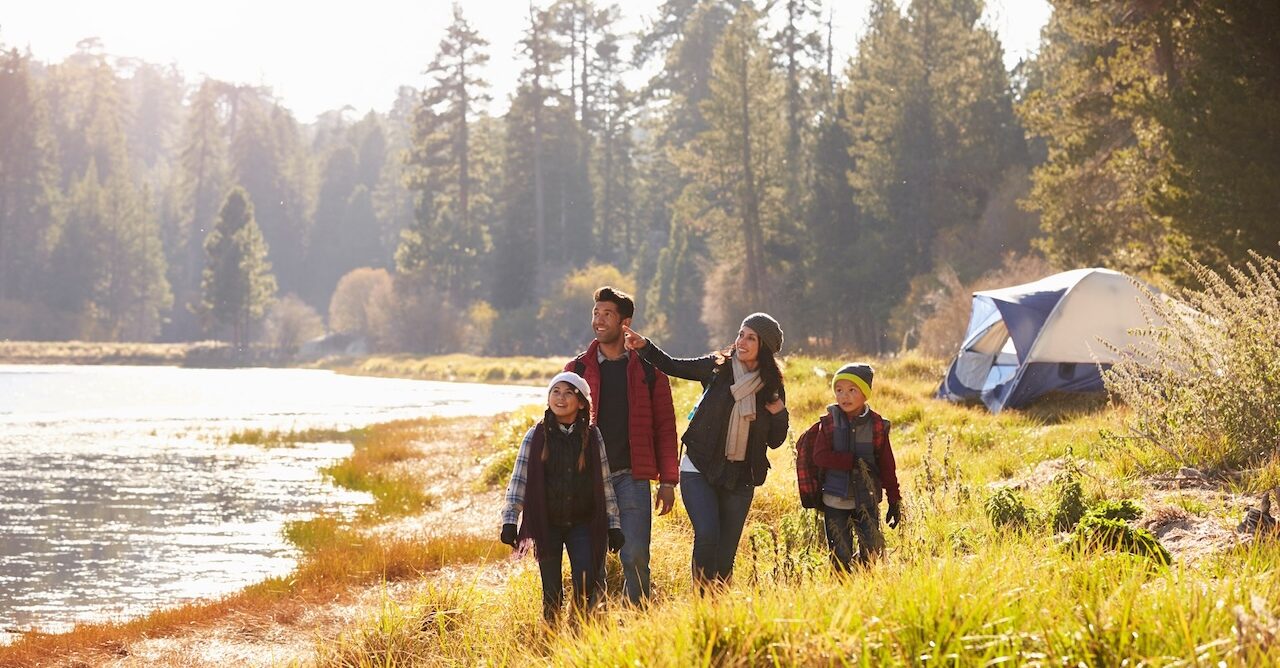
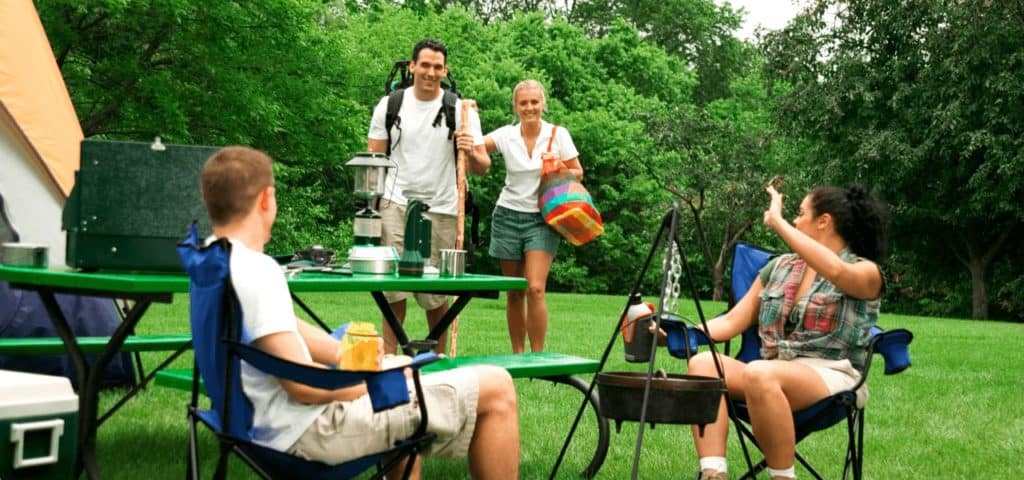
The shift toward "structured adventure" is reflected in the rising popularity of private campground networks like Kampgrounds of America (KOA), which operates more than 500 locations across North America. In California, these sites serve as a critical bridge between urban lifestyles and the wilderness. According to the 2023 North American Camping & Outdoor Hospitality Report, there has been a 77% increase in active camper households since 2014. This growth is driven largely by families seeking "glamping" (glamorous camping) options and high-quality infrastructure that ensures safety, hygiene, and entertainment for children.
For parents, the criteria for a successful camping destination have narrowed to focus on facility cleanliness, activity variety, and the availability of professional staff. This professionalization of the camping experience allows families to mitigate the logistical stresses of outdoor travel while maximizing the psychological benefits of nature immersion.
1. San Diego Metro KOA Resort: The Urban Adventure Hub
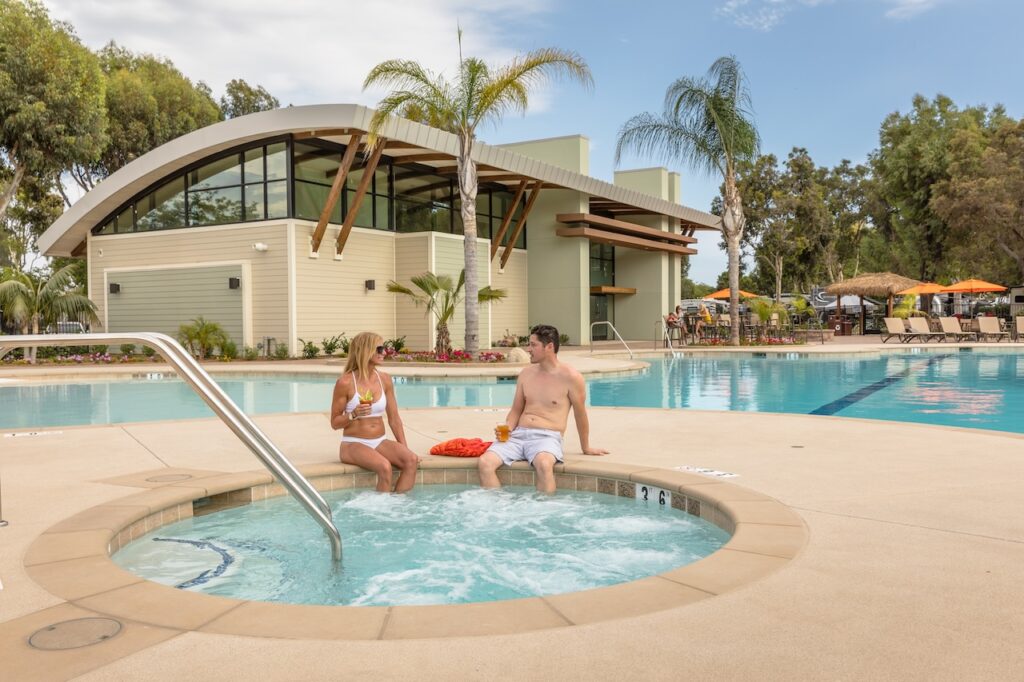
Located in Chula Vista, the San Diego Metro KOA Resort represents the pinnacle of the "resort-style" camping model. This destination is strategically positioned to offer a dual experience: access to the high-energy attractions of downtown San Diego and a self-contained, activity-rich environment for children.
Facility Specialization and Programming
The San Diego Metro location is notable for its dedicated Activities Director, a role that mirrors those found in high-end cruise ships or all-inclusive resorts. This position is responsible for curating a schedule that includes themed weekends, outdoor cinema experiences, and live musical performances. For children, the programming extends to educational and high-engagement activities, such as small rocket launches, tie-dye workshops, and scavenger hunts.
Key Infrastructure
- Physical Engagement: The site features rock-climbing walls and bike rentals to promote physical literacy.
- Aquatic Amenities: Multiple swimming pools and hot tubs provide leisure options for adults while maintaining supervised areas for youth.
- Culinary Integration: The on-site "Sandcastle Café" reduces the logistical burden of campfire meal preparation, offering a middle ground for families not yet comfortable with full-scale outdoor cooking.
2. Moss Landing KOA Express: Marine Education and RV Culture
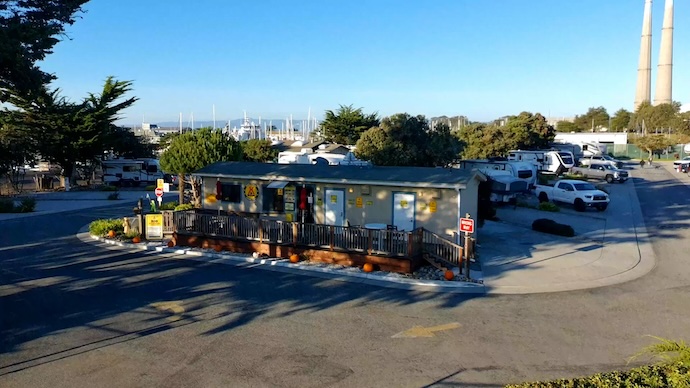
The Moss Landing KOA Express, situated near Monterey Bay, caters to a specific segment of the camping market: the recreational vehicle (RV) enthusiast. By implementing an RV-only policy, the campground maintains a specific logistical flow that prioritizes high-speed connectivity and long-term utility for mobile travelers.
Proximity to Marine Ecosystems
The primary draw of this location is its walking-distance proximity to the Monterey Bay National Marine Sanctuary. This area is a global hub for marine biology, providing families with direct access to nature trails and boat tours. The educational value of the site is high, as it offers reliable sightings of sea otters, harbor seals, and migrating whales.
Modern Utility Standards
In response to the "digital nomad" and remote-learning trends, this location emphasizes technical infrastructure.
- Connectivity: High-speed Wi-Fi and cable TV are standard, allowing for a "work-from-camp" balance for parents.
- Hygiene and Maintenance: 24-hour laundry facilities and strict no-smoking policies address the primary health concerns of modern parents.
- Recreational Simplicity: On-site playgrounds and cornhole courts provide low-barrier social opportunities for children to interact with peers.
3. Benbow KOA Holiday: Heritage and Wilderness Immersion
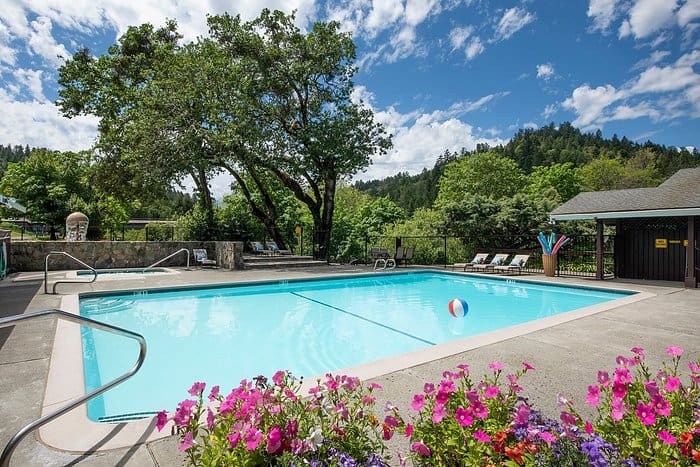
In Northern California, the Benbow KOA Holiday offers a more traditional wilderness experience, anchored by the state’s iconic redwood forests and the "Lost Coast." This region is characterized by its remote, undeveloped peaks and the Eel River, which serves as the property’s primary natural attraction.
The Eel River Ecosystem
The Eel River provides a natural laboratory for children to learn about freshwater ecosystems through fishing and swimming. The balance of tranquility and active engagement (such as the "nibble on the line" excitement) is a key factor in developing long-term interest in conservation among youth.
Regional Connectivity
The campground is located near the "Avenue of the Giants," a world-famous scenic drive through 51,222 acres of redwood groves. This proximity allows families to integrate historic and environmental education into their stay.
- Unique Transportation: The "Benbow Barrel Train" provides a whimsical, site-specific transport option for younger children.
- Sporting Facilities: The inclusion of shuffleboard and sports courts ensures that physical activity remains a daily component of the trip.
4. Ventura Ranch KOA Holiday: The Frontier of Glamping
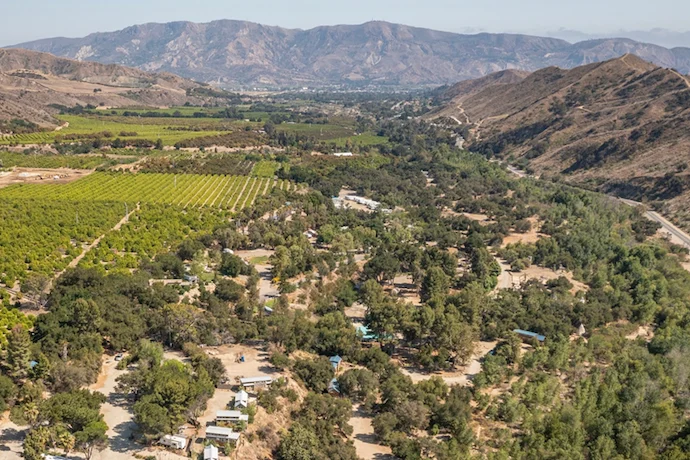
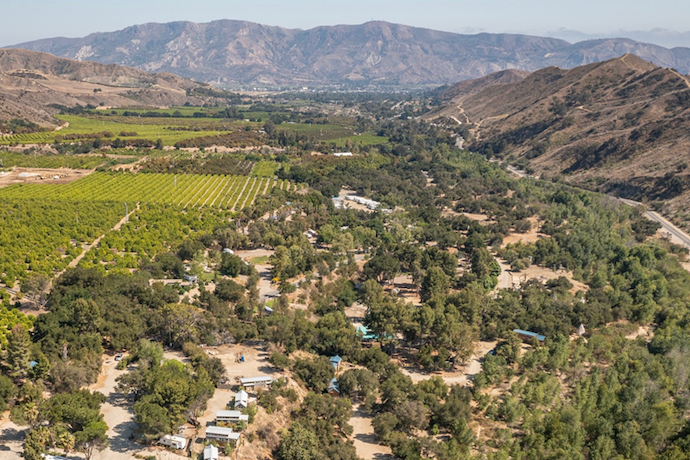
Ventura Ranch KOA Holiday in Santa Paula, known as the "Citrus Capital of the World," highlights the diversity of modern camping accommodations. This site is a leader in the glamping movement, offering safari tents and upscale cabins that appeal to families who may be intimidated by traditional tent camping.
High-Adrenaline Programming
Unlike more passive campgrounds, Ventura Ranch focuses on "action-adventure" features.
- Aerial Activities: The property includes a zip line and rock-climbing towers, designed to challenge children’s motor skills and build confidence.
- Geological Engagement: Gem mining activities provide a hands-on introduction to geology.
- Mindfulness in Nature: The "World Labyrinth" offers a serene space for meditation, teaching children the value of silence and environmental observation.
Economic and Agricultural Context
The Santa Paula location provides an opportunity for families to learn about California’s agricultural history. The surrounding citrus groves are not merely scenery; they represent a vital part of the state’s economy, allowing for a broader educational narrative during the vacation.
Industry Data and Economic Implications
The growth of family-friendly campgrounds has significant implications for California’s tourism economy. According to the California Travel and Tourism Commission, outdoor recreation contributes billions to the state’s GDP annually. Private campgrounds like those operated by KOA complement the state and national park systems, which often face over-tourism and infrastructure backlogs.
By providing "resort-style" amenities, these private sites attract a demographic that might otherwise opt for traditional hotels. This diversification of the outdoor market ensures that the economic benefits of tourism are spread into rural communities like Garberville and Santa Paula. Furthermore, the 2023 Outdoor Participation Trends Report indicates that families who camp at least once a year are more likely to support environmental conservation efforts and state park funding in the future.
Logistics and Planning: A Chronology for Families
For families looking to transition into camping, experts suggest a phased approach to ensure a positive experience.
- The Backyard Trial: For families with toddlers, a "backyard campout" is the recommended first step to test equipment and sleep schedules.
- Infrastructure Selection: Choosing a site with "Holiday" or "Resort" designations (such as those in Chula Vista or Santa Paula) ensures access to clean restrooms and emergency assistance.
- Themed Scheduling: Planning trips around "Themed Weekends" at campgrounds can provide built-in entertainment, reducing the pressure on parents to act as primary activity coordinators.
- Age-Appropriate Milestones: While children of any age can camp, the "Golden Age" for engagement is often cited as 5 to 12 years, when curiosity and mobility are at their peak.
Broader Impact on Conservation and Child Development
The long-term impact of family camping extends beyond simple recreation. Developmental psychologists have long advocated for "green time" as a counter to "screen time." Immersion in California’s diverse biomes—from the marine sanctuary of Moss Landing to the redwoods of Benbow—has been shown to reduce stress in children and improve cognitive focus.
Moreover, these campgrounds serve as an entry point for environmental stewardship. When a child catches their first fish in the Eel River or observes a sea otter in Monterey Bay, they develop a personal stake in the health of those ecosystems. As California continues to navigate the challenges of climate change and habitat preservation, the role of family-friendly campgrounds in fostering the next generation of environmental advocates cannot be overstated.
In conclusion, the professionalization of camping in California through high-amenity sites provides a vital service. By prioritizing safety, education, and variety, these destinations ensure that the "magical" memories of family adventures are supported by a foundation of logistical excellence and environmental integrity. Whether through the lens of urban resort camping or rugged redwood exploration, the state remains at the forefront of the global outdoor hospitality industry.