Global tourism trends for the upcoming years indicate a significant shift away from traditional, over-commercialized urban centers and overcrowded beach resorts toward off-the-beaten-path locations. As major global travel hubs grapple with the economic and environmental strains of overtourism, international travelers are increasingly seeking authentic, sustainable, and less-frequented alternatives. Industry analysts forecast that by 2027, the demand for immersive, localized travel experiences will reach an all-time high, driving tourists toward remote mountain villages, untouched islands, and culturally preserved heritage towns.
To help travelers navigate this paradigm shift, travel experts have identified five destinations that currently maintain their pristine charm and authentic local character. Spanning from the historic heart of the Balkans to the rugged peaks of the Caucasus and the remote islands of Indonesia, these locations offer a window into traditions and landscapes largely untouched by mass tourism.
Jajce, Bosnia and Herzegovina: A Convergence of Nature and Medieval History
Nestled in the central region of Bosnia and Herzegovina, the historic town of Jajce stands as a primary example of underappreciated European heritage. Historically significant as the final seat of the Bosnian Kingdom during the 15th century, Jajce seamlessly bridges its medieval past with contemporary life.
The town’s most prominent geographical feature is the Pliva Waterfall, a dramatic 22-meter natural cascade where the Pliva River plunges into the Vrbas River. Just downstream, a collection of historic wooden watermills—locally known as the Mlinčići—presents a preserved architectural landscape dating back to the Austro-Hungarian era. These structures, constructed entirely without nails, continue to draw interest from historians and architectural preservationists.
Beyond its natural assets, Jajce features an extensive network of medieval fortifications, including the Jajce Fortress, subterranean catacombs carved directly into the bedrock, and ancient defensive walls. Urban planners note that the integration of these historical monuments within a living, modern municipal center offers a unique educational and cultural landscape for visitors seeking depth over superficial sightseeing.
Subotica, Serbia: Central European Art Nouveau in the Balkans
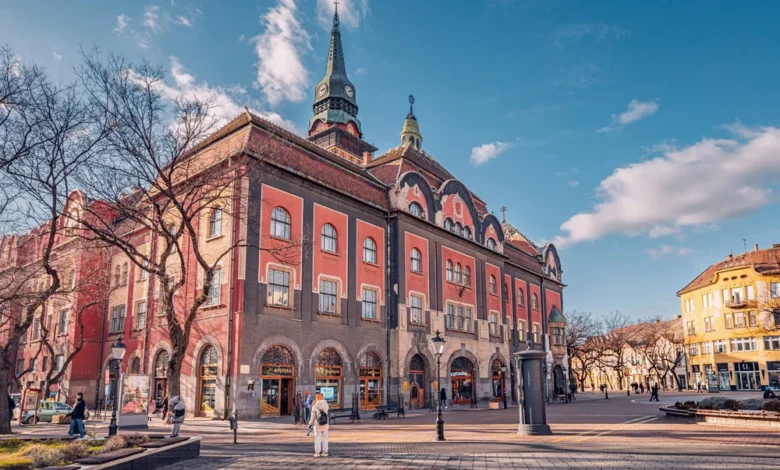
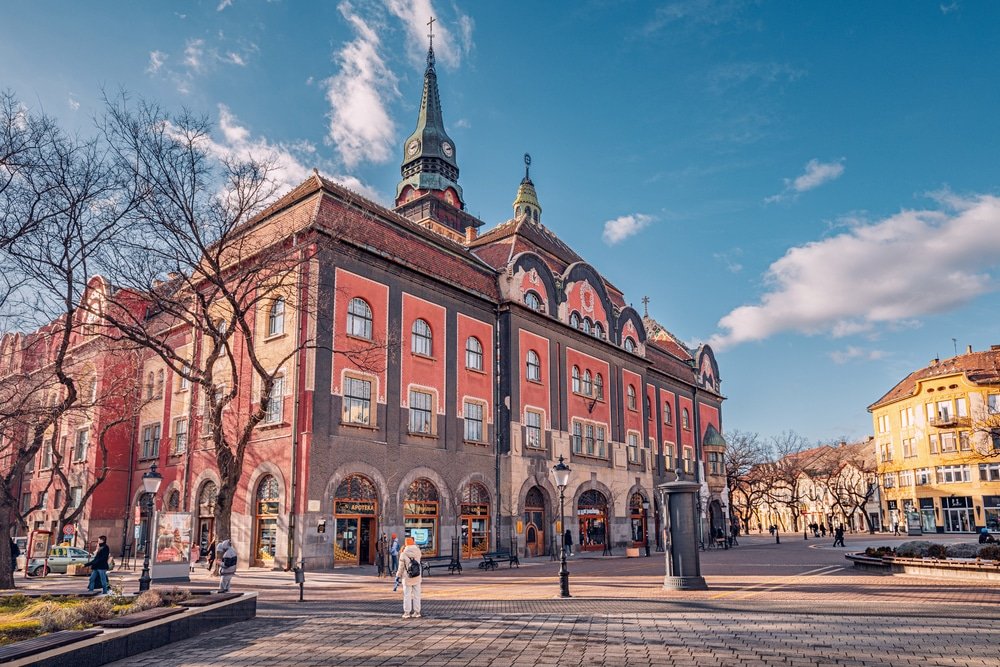
Located in the northernmost region of Serbia, mere kilometers from the Hungarian border, Subotica offers an architectural profile rarely found in the southern Balkans. Distinguished by its high concentration of Hungarian Art Nouveau architecture, the city serves as an open-air museum of early 20th-century design.
The urban landscape is anchored by the Subotica City Hall, constructed between 1908 and 1912 by Budapest architects Marcell Komor and Dezső Jakab. Featuring a distinctive clock tower, ceramic-tiled roofs, and intricate wrought-iron details, the building reflects the region’s historical ties to the Austro-Hungarian Empire. The surrounding pedestrian zones, lined with pastel-colored facades and vibrant cafes, maintain a slower pace compared to major European capitals.

A short distance from the city center lies Lake Palić, a historic spa and resort destination surrounded by protected parks and regional vineyards. The microclimate of the Palić region supports a burgeoning viticulture sector, offering visitors opportunities to sample indigenous Balkan wines and regional gastronomy that combines Hungarian, Serbian, and Central European culinary traditions.
Gökçeada, Türkiye: Preserving Aegean Island Authenticity
As the largest island in Türkiye, Gökçeada (historically known as Imbros) has largely escaped the intensive resort development that characterizes much of the Turkish Aegean and Mediterranean coastlines. Positioned at the entrance of the Saros Gulf, the island operates under a protected geographical and environmental status designed to preserve its traditional architecture and natural ecosystems.
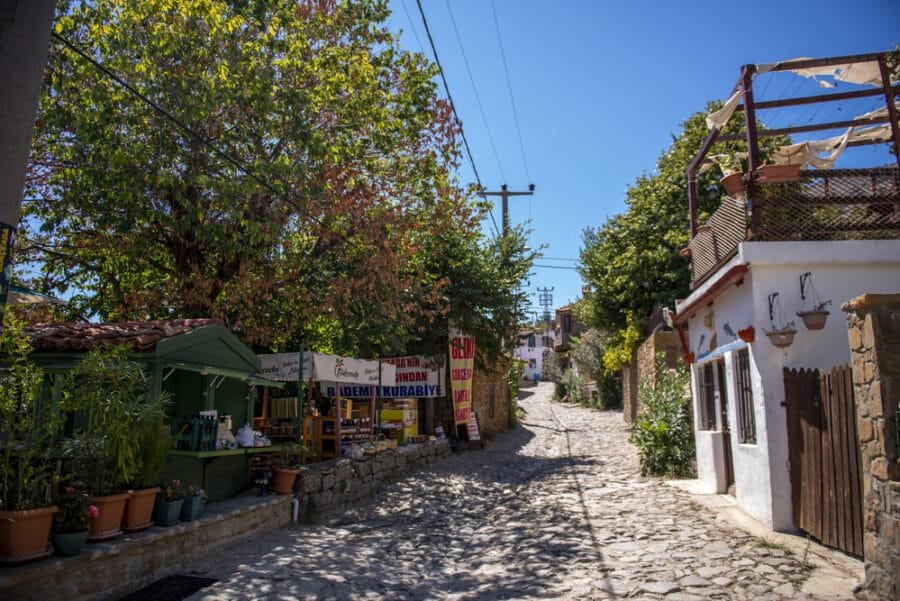
Gökçeada’s interior is defined by preserved Greek mountain villages, such as Zeytinliköy and Tepeköy, where stone houses, cobblestone alleyways, and historic churches stand as testaments to the island’s multicultural history. Local municipal authorities have placed strict regulations on new commercial construction, ensuring that the vernacular architecture remains intact.
In addition to its cultural preservation, Gökçeada has gained international recognition within the sports community. The island’s specific wind patterns and geographical positioning make it one of the premier locations in Europe for windsurfing and kitesurfing, particularly around Aydincik Beach. Furthermore, the island’s marine ecosystem is protected under Turkey’s first and only marine national park, offering pristine coves and rich biodiversity for ecological researchers and conscious travelers.

Mestia, Georgia: The Alpine Gateway to Svaneti
High in the central Caucasus Mountains, the town of Mestia serves as the administrative and cultural center of Georgia’s remote Svaneti region. Situated at an elevation of 1,500 meters and surrounded by snow-capped peaks exceeding 4,000 meters, Mestia provides access to one of the most geographically isolated and culturally distinct regions in Europe.
The defining characteristic of Svaneti is the presence of Svan towers—defensive stone structures built between the 9th and 12th centuries. These multi-story towers, designed to protect families from avalanches and invaders, rise above traditional stone houses throughout Mestia and neighboring villages such as Ushguli, a UNESCO World Heritage site recognized as the highest continuously inhabited settlement in Europe.
In recent years, regional investments in infrastructure, including the modernization of King Tamar Airport and the development of the Tetnuldi ski resort, have improved accessibility. However, the region retains its rugged character. Mestia functions as a vital hub for international mountaineers and hikers, offering trails that traverse alpine meadows, glaciers, and ancient trade routes. Anthropologists and cultural historians emphasize that Svaneti’s preservation of unique customary laws, polyphonic singing traditions, and pre-Christian religious syncretism offers an invaluable living archive of Caucasian heritage.
Sumba, Indonesia: Indigenous Traditions Beyond Bali
Located in the East Nusa Tenggara province of Indonesia, the island of Sumba offers a distinct contrast to the heavily commercialized tourism model of neighboring Bali. Characterized by rolling savannahs, dramatic limestone cliffs, and remote white-sand beaches, Sumba remains deeply rooted in Marapu, an indigenous animist religion and cultural system that governs daily life on the island.
Sumba’s architectural identity is defined by traditional villages, such as Ratenggaro and Prailiu, featuring towering thatched-roof houses constructed without metal fasteners. These villages serve as active ceremonial centers where ancient textile-weaving traditions—specifically the production of ikat cloth—are meticulously preserved by local artisans.
Economically, the island has seen targeted investments in sustainable luxury tourism, most notably through eco-resorts that prioritize local employment, renewable energy, and community development. Simultaneously, Sumba has emerged as a premier destination for international surfers, drawn by powerful reef breaks such as those off Nihiwatu Beach, as well as ecological explorers interested in exploring the island’s pristine lagoons, waterfalls, and mangrove forests.
Implications and Economic Outlook for 2027 Travel
The rising interest in destinations such as Jajce, Subotica, Gökçeada, Mestia, and Sumba reflects a broader structural change in the global tourism economy. Travel industry analysts project that sustainable and community-led tourism initiatives will capture a larger share of market growth through 2027, driven by consumer demand for authentic cultural engagement and environmental responsibility.
Local governments and tourism boards in these emerging regions face the dual challenge of economic stimulation and infrastructure development while safeguarding against the environmental degradation associated with overtourism. By implementing strict zoning laws, supporting local agricultural and artisanal economies, and promoting year-round travel rather than seasonal surges, these destinations aim to model a sustainable framework for global tourism in the decades ahead.