You’ve seen the Barcelona highlights, now what: a guide to exploring beyond the tourist trail

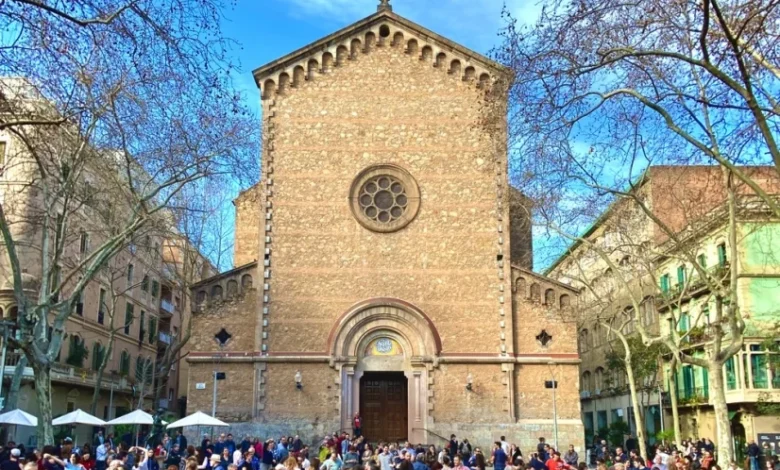
For millions of travelers, the first encounter with Barcelona is defined by a standard itinerary: the intricate spires of the Sagrada Família, the whimsical mosaics of Park Güell, the winding corridors of the Gothic Quarter, and the bustling promenade of La Rambla. According to data from the Barcelona Tourism Board, the city attracts over 12 million visitors annually, with a significant concentration of foot traffic directed toward these major cultural landmarks. However, for the returning visitor, the challenge lies in moving beyond these concentrated zones of mass tourism to engage with the city’s complex, evolving urban fabric.
The Evolution of Barcelona’s Tourism Landscape
The current state of tourism in Barcelona is the result of a deliberate, decades-long transformation initiated by the 1992 Summer Olympic Games. Before the Games, the city’s industrial waterfront was largely inaccessible. The massive urban renewal project that accompanied the Olympics rebranded the city as a premier European destination, prioritizing architectural heritage—specifically the works of Antoni Gaudí—and the revitalization of the historic center.

While these efforts successfully established Barcelona as a global powerhouse of culture and design, they also created a "tourist bubble" in the city center. Recent years have seen the local government, led by the Barcelona City Council, implement measures to manage the impact of this saturation. Strategies include the regulation of short-term holiday rentals, the promotion of "off-the-beaten-path" districts, and the encouragement of tourism distribution across all ten of the city’s administrative districts. For the sophisticated traveler, shifting focus toward these peripheral neighborhoods is not merely a preference; it is a way to engage with the authentic economic and social reality of Catalonia’s capital.
Navigating the Cultural Shift: El Raval and the Contemporary Scene
If the Gothic Quarter represents the medieval core of Barcelona, the neighboring district of El Raval stands as its modern, rebellious counterpart. Historically known as "Barri Xinès," or the Chinese Quarter, the area underwent significant demographic shifts during the 20th century, becoming a melting pot of migrant communities and working-class families.
Today, El Raval is the center of Barcelona’s contemporary art scene, anchored by the Museu d’Art Contemporani de Barcelona (MACBA). The museum, designed by architect Richard Meier, serves as a catalyst for urban renewal. The surrounding Plaça dels Àngels has become an iconic site for global skate culture, reflecting the city’s shift toward a more youth-oriented, vibrant public space. Unlike the strictly preserved Gothic streets, El Raval offers a raw, unfiltered look at the city’s social diversity, where vintage markets, independent record stores, and street art murals provide a stark contrast to the manicured facades of the Eixample district.

Gràcia: The Village Within the City
Perhaps the most distinct neighborhood in Barcelona is Gràcia. Prior to the industrial expansion of the 19th century, Gràcia was an independent town. Its annexation into the city of Barcelona in 1897 did little to erode its village-like character. Unlike the grid-like structure of the Eixample, Gràcia is characterized by narrow, pedestrian-friendly streets and a high density of public plazas, such as Plaça del Sol and Plaça de la Virreina.
This neighborhood remains a bastion of local identity, where residents place a premium on community-driven events, most notably the Festa Major de Gràcia. During this annual festival, streets are decorated by local residents in elaborate, thematic designs, a tradition that dates back to the early 19th century. For the visitor, Gràcia offers an opportunity to observe the daily rhythm of Barcelona life, far removed from the high-turnover service establishments found in the city center.
Culinary and Economic Hubs: Sant Antoni
The revitalization of the Mercat de Sant Antoni provides a perfect case study in modern urban planning. The market, which underwent a massive nine-year renovation completed in 2018, stands as a triumph of iron architecture and functional design. By integrating a modern shopping facility with archaeological remains uncovered during the renovation, the city has successfully preserved its history while serving contemporary commercial needs.

The implications for the neighborhood have been significant. The area surrounding the market has transformed into a culinary destination, with a high concentration of specialized food retailers and "vermuterias." This shift highlights the importance of the market as a social anchor in Mediterranean culture—a place where the economy and community intersect. Unlike the La Boqueria market, which has seen its focus shift heavily toward tourists, Sant Antoni remains a primary site for local food commerce.
Montjuïc: A Complex Historical Narrative
Perched above the city, the hill of Montjuïc offers more than just panoramic views. It is a site of layered history, housing the 1929 International Exposition infrastructure and the 1992 Olympic facilities. However, the site’s darker history is equally vital to understanding the Catalan experience. Montjuïc Castle, which served as a fortress and later a prison under the Franco regime, stands as a sobering reminder of the Spanish Civil War and the subsequent era of repression. Exploring the gardens and museums of Montjuïc requires a dedicated day, offering a necessary counterweight to the aesthetic focus of the city’s central architecture.
Industrial Heritage and Modern Innovation: The Case of Poblenou
Once referred to as the "Manchester of Catalonia," the Poblenou district was the heart of the city’s textile industry. As industry moved away from the city center, these massive brick warehouses were left abandoned. In the early 2000s, the 22@ project was launched to redevelop this area into a technology and innovation hub. Today, visitors can witness the architectural dialogue between the old industrial brickwork and the sleek, glass-fronted offices of global technology companies. This area provides insight into how Barcelona is positioning itself as a leader in the European tech sector, moving beyond its reliance on tourism to build a more sustainable, knowledge-based economy.

Regional Connectivity: Beyond the City Limits
For those seeking to understand the wider context of Barcelona, the region of Catalonia offers deep historical and cultural value. The accessibility of the regional train network allows for seamless day trips that provide a broader understanding of the local geography.
- Alella: A short commute from the city center, the Alella wine region has been producing wines since Roman times. Its focus on the Pansa Blanca grape variety highlights the region’s agricultural heritage.
- Montserrat: The Benedictine abbey, situated on a jagged, multi-peaked mountain range, is not only a site of religious pilgrimage but also a focal point for Catalan identity and nationalism.
- Girona: Often cited for its medieval architecture and the role of the Jewish Quarter, Girona offers a more intimate scale of urban history compared to the metropolitan sprawl of Barcelona.
- Sitges: This coastal town, renowned for its film festival and LGBTQ-friendly atmosphere, provides a different take on the Mediterranean lifestyle, emphasizing arts and leisure over the intense urban pace of the capital.
The Future of the Barcelona Experience
The shift toward exploring beyond the "must-see" sites is more than a trend; it is a logical response to the challenges of modern urban tourism. By choosing to patronize neighborhoods like Poble Sec—known for its traditional pintxos culture—or engaging with the industrial history of Poblenou, travelers contribute to a more equitable distribution of tourism revenue.
The "second-trip" philosophy to Barcelona involves a transition from the role of a spectator to that of an observer. As the city continues to navigate the balance between global appeal and local livability, the most rewarding experiences will inevitably be found in the quiet squares, the local markets, and the neighborhoods that do not appear on the standard postcards. Through this deeper engagement, the traveler gains a more nuanced appreciation for the complexities of a city that, while famous for its past, is defined by its constant, creative evolution.