The Ultimate Guide to Navigating European Rail Travel: Infrastructure, Ticketing Systems, and Strategic Planning

The revival of European rail travel has transformed continental mobility, establishing itself as the quintessential method for navigating diverse cultural
landscapes with high efficiency, environmental sustainability, and comfort. For international visitors unaccustomed to robust public transit frameworks, however, the continent’s interconnected network of high-speed corridors, regional lines, and national operators can present a complex logistical puzzle. Modernizing this experience requires a comprehensive understanding of dynamic pricing mechanisms, rail passes, station navigation, and ticketing protocols to optimize both travel expenditure and transit efficiency.
Infrastructure Context and Historical Evolution
Europe’s railway network is the product of over a century of continuous engineering and cross-border integration. Historically governed by isolated state-owned enterprises, the continent’s rails have progressively unified under European Union directives aimed at creating a Single European Railway Area. This initiative has harmonized safety standards, encouraged interoperability, and facilitated the rise of high-speed rail operators such as Eurostar, TGV, Thalys, and ICE.
Despite this integration, the legacy of national management remains visible. Each nation maintains its own primary rail infrastructure manager and national carrier—such as Deutsche Bahn in Germany, SNCF in France, and Trenitalia in Italy—operating alongside a growing cohort of private open-access operators. This structural diversity yields a mosaic of scheduling systems, ticketing rules, and onboard amenities. Consequently, travelers must balance the convenience of high-speed trunk lines with the intricacies of regional feeder services that connect smaller municipalities to the broader continental grid.
Financial Frameworks: Fixed versus Variable Pricing Models
Navigating European rail economics requires a clear grasp of how tickets are priced. Modern European rail operators generally deploy two distinct pricing models depending on the route category: fixed-price fares and variable-price fares.
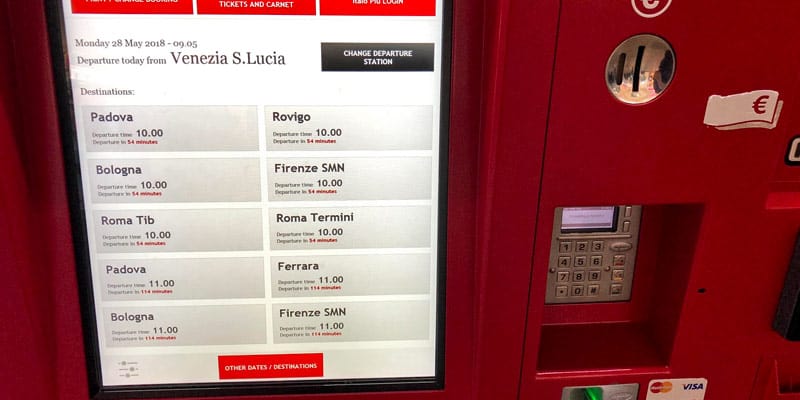
Variable-price fares govern nearly all long-distance and high-speed corridors. Similar to commercial airline revenue management, these ticket prices fluctuate based on demand, seasonal peaks, the day of the week, and the proximity to the departure date. High-demand routes during peak holiday periods command premium prices, whereas off-peak departures yield lower rates. This model rewards advance planning, with promotional tickets frequently releasing between 60 and 90 days before departure. Purchasing these tickets within a week of travel can result in exponential price increases, often doubling or tripling the baseline cost.
Conversely, fixed-price fares apply primarily to regional, local, and suburban services. Under this model, the ticket cost is strictly a function of geographic distance. Because pricing remains constant regardless of purchase timing, passengers derive no financial benefit from booking regional segments weeks in advance. This distinction allows travelers to strategically combine advance-purchase high-speed tickets with on-demand regional fares to minimize overall transit expenditures.
Ticketing Ecosystems: Third-Party Platforms versus National Operators
Acquiring European rail tickets involves navigating a dual-market ecosystem comprising third-party booking aggregators and official national railway portals. Platforms such as Omio and Trainline have gained widespread adoption among international travelers due to their user-friendly interfaces, multi-currency support, and ability to aggregate complex cross-border itineraries across disparate operators into a single transaction. These platforms typically charge modest booking fees in exchange for streamlined digital ticketing and unified customer service management.
In contrast, booking directly through national railway websites—such as Trenitalia, SNCF Connect, or ÖBB—frequently grants access to proprietary promotional fares, localized discounts, and flash sales that external aggregators may not feature. However, national portals can present linguistic barriers, cumbersome checkout processes, and occasional technical incompatibilities with foreign credit cards. Industry analysts generally recommend using aggregators for multi-country itinerary comparison and preliminary scheduling, followed by direct booking with national carriers when significant promotional savings are identified.
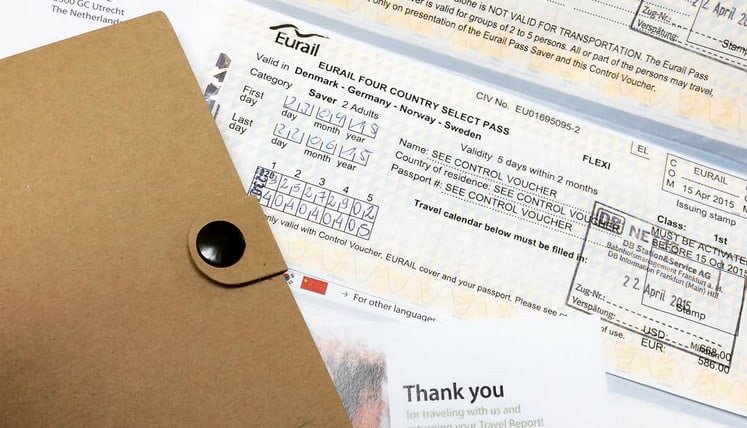
For travelers prioritizing absolute spontaneity over strict financial optimization, Eurail passes offer an alternative framework. These standardized passes permit unlimited or flexible travel across participating national networks within a designated timeframe. While rail passes eliminate the need to purchase individual point-to-point tickets, users must account for supplementary mandatory seat reservation fees on high-speed and international services, which can add substantial overhead costs during peak travel seasons.
Station Operations, Security, and Passenger Logistics
Arrival at a major European railway terminal requires adherence to established station protocols to mitigate the risk of missed connections and logistical confusion. Major metropolitan hubs—such as Paris Gare du Nord, Rome Termini, or Berlin Hauptbahnhof—handle hundreds of thousands of daily commuters and long-distance passengers, creating high-density environments susceptible to congestion and opportunistic theft.
Security and Access Control
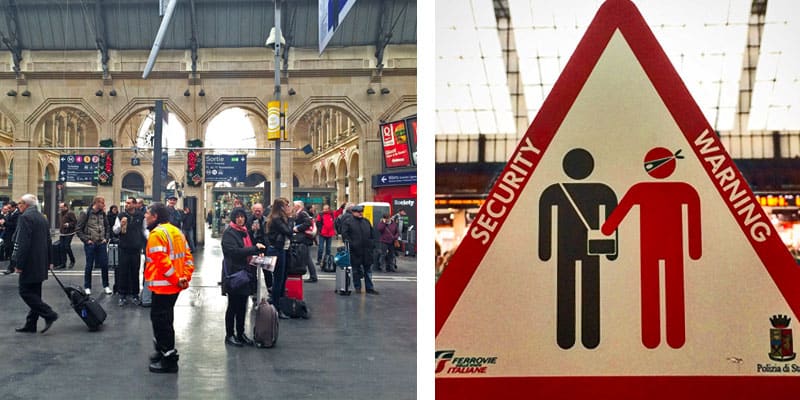
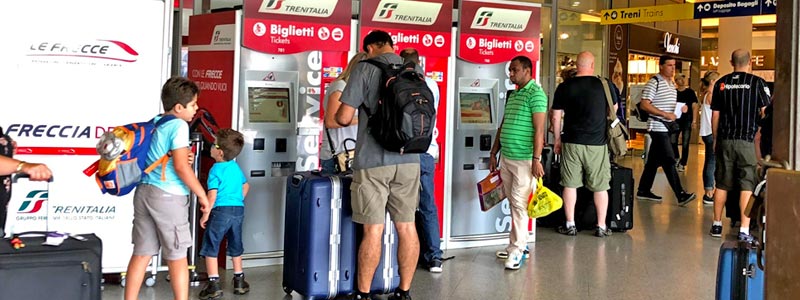
Unlike commercial aviation, European train stations generally lack centralized security checkpoints for baggage screening, permitting passengers to arrive mere minutes before departure. However, this open access increases vulnerability to pickpocketing and distraction scams, particularly near automated ticket kiosks and crowded platforms. Security experts advise travelers to remain vigilant regarding personal belongings and to disregard unsolicited assistance from individuals offering to operate ticket vending machines or carry luggage.
Departure Boards and Platform Allocation
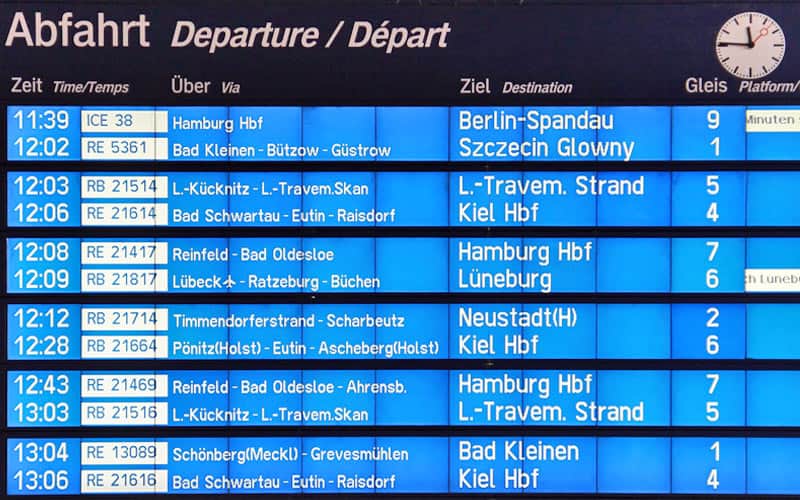
Mastering the station environment relies on accurate interpretation of electronic departure boards. These centralized displays list scheduled departures chronologically, detailing the train number, destination, intermediate stops, and operational status. Because platform assignments are frequently withheld until 10 to 15 minutes before departure to optimize terminal throughput, passengers must monitor these displays continuously.
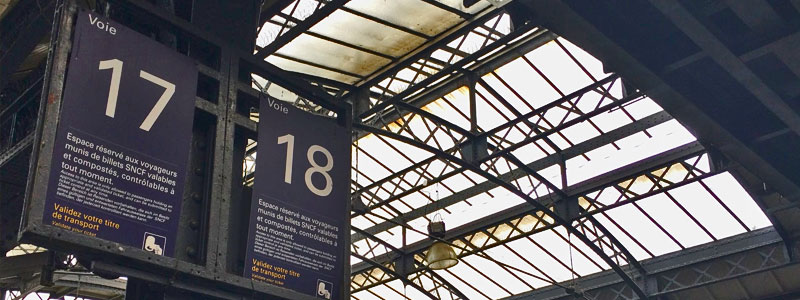
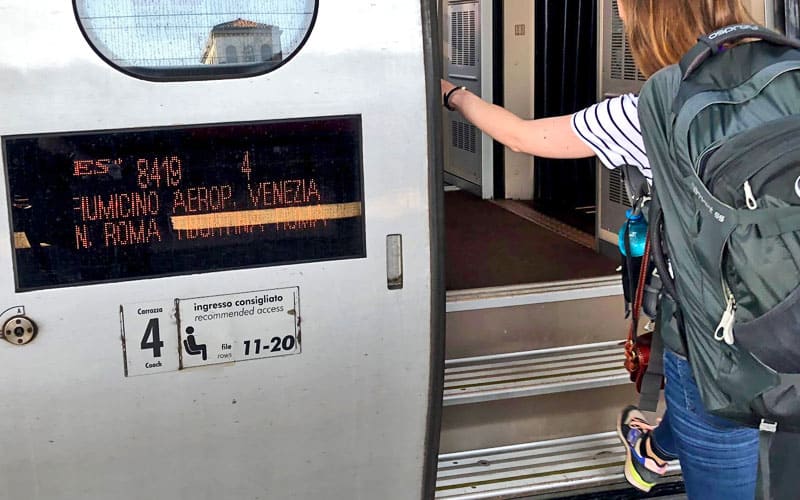
Once a platform is announced, travelers must locate the designated boarding zone. Many high-speed trains are divided into specific carriage sections corresponding to alphanumeric markers on the platform. Reviewing seat assignments prior to boarding ensures passengers position themselves near their designated carriage, minimizing platform congestion during tightly scheduled station stops.
Ticket Validation Protocols
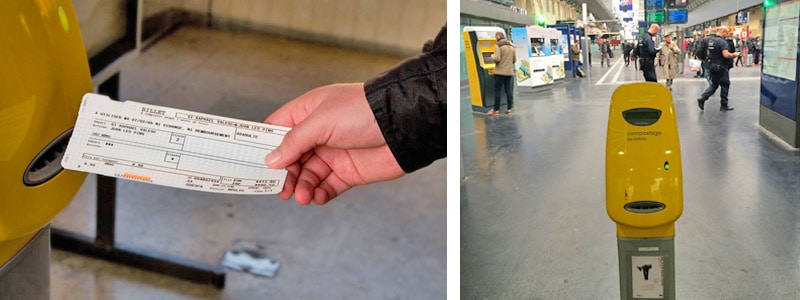
A critical operational nuance for international visitors involves ticket validation. While modern electronic tickets tied to mobile applications or home-printed barcodes are pre-validated for a specific time and date, traditional physical paper tickets issued by certain regional operators require physical stamping in mechanical validation machines located at platform entrances prior to boarding. Failure to validate a physical ticket can result in substantial on-board fines by ticket inspectors, who operate under strict anti-fraud protocols regardless of passenger intent.
Onboard Experience and Regional Nuances

Once underway, European rail travel offers a standardized suite of onboard amenities designed to balance productivity and relaxation. High-speed and intercity trains feature dedicated luggage racks positioned above seats or at carriage extremities, power outlets, and dining cars or mobile catering services. While complimentary wireless internet is increasingly common, network reliability can fluctuate significantly when transiting rural terrain or underground tunnels.
Conductors perform systematic ticket inspections shortly after departure. On cross-border routes within the Schengen Area, routine passport controls are rare, though border police retain the legal authority to conduct random immigration checks, particularly in Eastern Europe or along historical frontier zones.

Implications of Modern Rail Expansion
The ongoing expansion and digitization of Europe’s rail network carry profound economic and environmental implications. Driven by European Union sustainability targets aimed at reducing carbon emissions from intra-continental aviation, investments in high-speed rail corridors continue to accelerate. Projects such as the trans-Alpine tunnels and the expansion of night-train networks reflect a broader infrastructural shift toward sustainable mass transit.

For travelers, navigating this evolving landscape requires a blend of digital preparedness and logistical awareness. By mastering the interplay between variable pricing structures, advance booking windows, and station protocols, passengers can harness Europe’s rail network as a cost-effective, efficient, and culturally enriching mode of continental mobility.