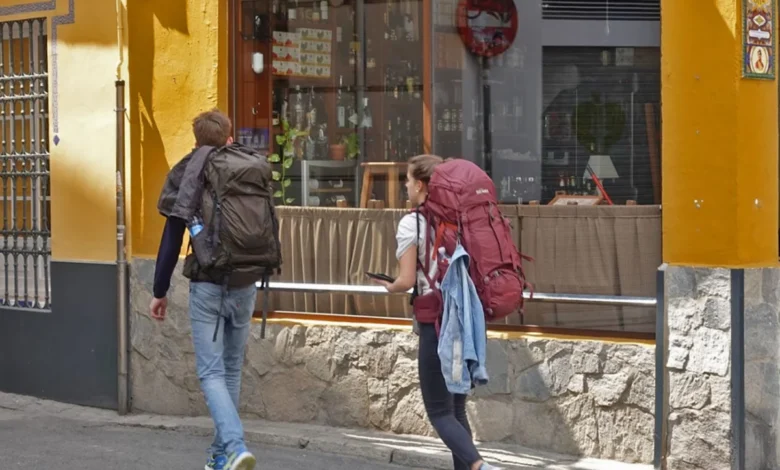
Efficient packing is a cornerstone of a successful backpacking experience in Europe, particularly for first-time travelers. The continent’s diverse landscapes, extensive public transportation networks, and prevalence of budget airlines necessitate a strategic approach to luggage. Overpacking, a common pitfall, can transform an exciting journey into a logistical challenge, leading to physical strain, increased travel costs, and heightened vulnerability to theft. This guide provides an in-depth, fact-based analysis of optimal packing strategies, emphasizing lightweight solutions, essential gear, and practical considerations for navigating Europe with ease and confidence.
The Imperative of Lightweight Travel: A Strategic Foundation

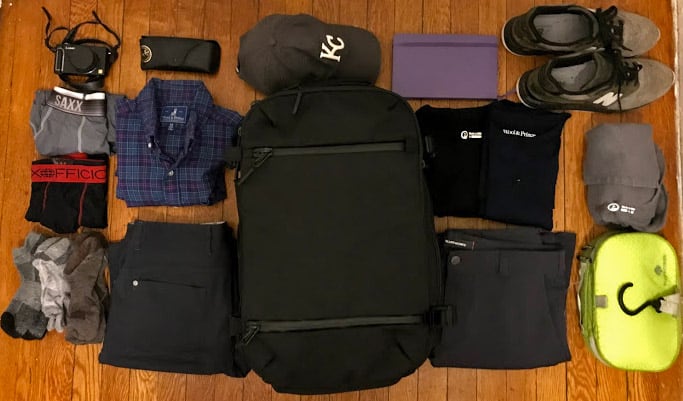
The philosophy behind effective European backpacking centers on minimalism. Travel experts consistently recommend limiting total gear weight to approximately 9-10 kilograms (20-22 lbs), including the backpack itself. This weight restriction is not arbitrary; it aligns with the carry-on baggage limits of many European budget airlines, which are popular for inter-country travel due to their affordability. Exceeding these limits often results in significant checked baggage fees, eroding travel budgets. Furthermore, a lighter load significantly reduces physical exertion, making it easier to navigate bustling train stations, climb hostel stairs, and walk extended distances through historic cities. This mobility enhances the travel experience, allowing for spontaneous itinerary changes and reducing reliance on costly taxis or ride-shares.
Optimizing Clothing: The Art of Layering and Versatility
Clothing typically constitutes the largest volume and weight in a backpack. The key to minimizing this lies in selecting versatile, multi-purpose items made from advanced fabrics that are quick-drying, odor-resistant, and adaptable to various climates and social settings. The principle of layering is paramount, allowing travelers to adjust to fluctuating temperatures encountered across different European regions and seasons.
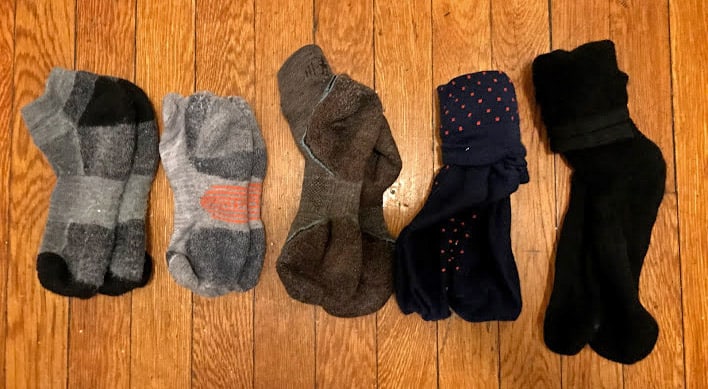
- Socks (5-8 Pairs): Often underestimated, high-quality socks are critical for foot health and comfort, especially given the extensive walking involved in European travel. Merino wool or wool-synthetic blends are highly recommended for their natural moisture-wicking, temperature-regulating, and odor-resistant properties. These materials keep feet dry and comfortable in both warm and cool conditions, significantly reducing the risk of blisters. While premium socks represent an upfront investment, their durability and performance justify the cost. Rotating pairs and allowing them to air out can extend their wear between washes.
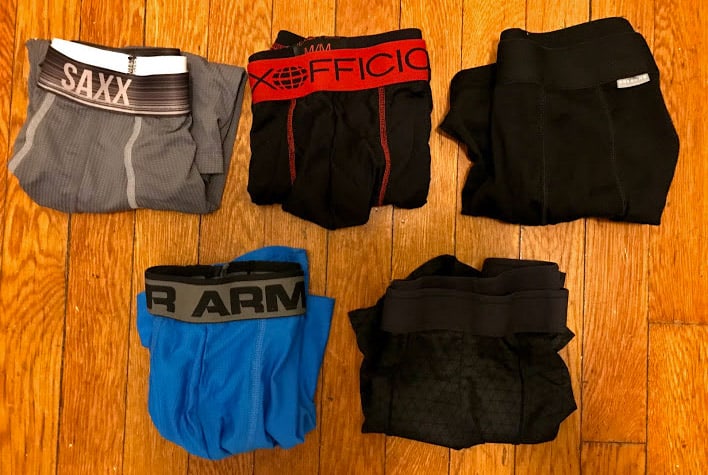
- Underwear (5-9 Pairs): Similar to socks, underwear made from quick-drying synthetic materials or merino wool is preferred. These fabrics ensure breathability and minimize odor, allowing for fewer pairs to be packed and easier hand-washing and drying on the go.
- Footwear (1-2 Pairs): Shoes are another significant weight contributor. The ideal strategy involves one primary pair of comfortable, supportive walking shoes and, optionally, a secondary pair for specific purposes.
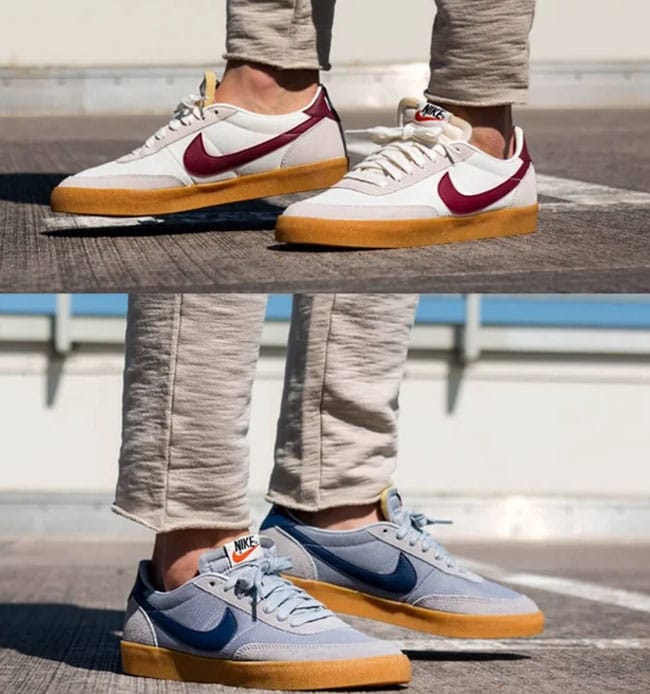
- Primary Pair: Supportive and stylish sneakers from brands known for comfort (e.g., New Balance, Adidas, Nike) are excellent for daily sightseeing. Leather sneakers can offer a balance of comfort and smart appearance, suitable for both daytime exploration and evening outings. For travel during rainy seasons or for those planning light hiking, waterproof, all-terrain shoes may be considered, though style can be a trade-off.
- Secondary Pair: Lightweight flip-flops or sandals are essential for hostel showers, providing hygiene protection, and can double as casual footwear in warmer climates. Dress shoes are generally unnecessary for budget backpackers, as smart sneakers typically suffice for most European establishments.
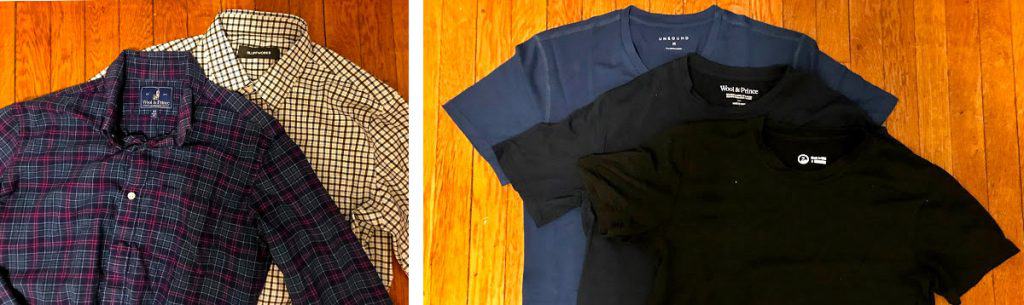
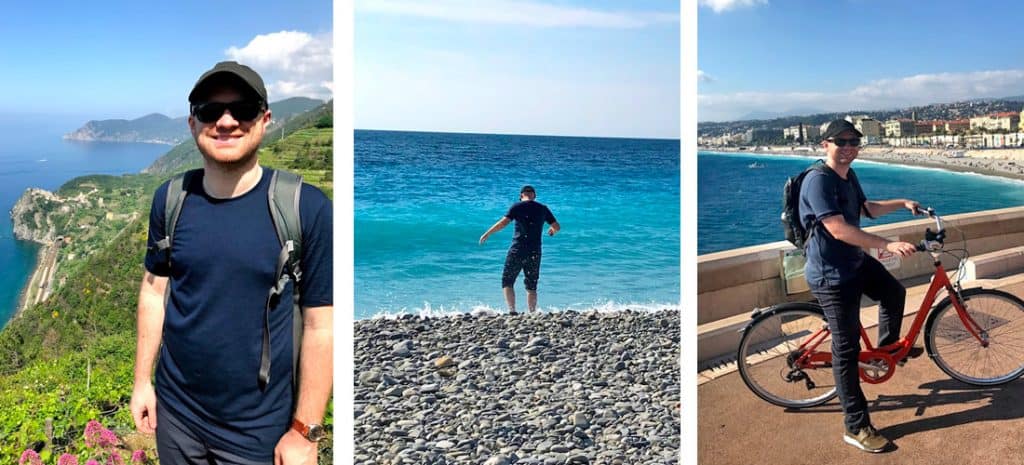
- Shirts and Tops (3-4): Focus on a mix of casual button-up shirts and t-shirts. Long-sleeve button-ups offer versatility, with sleeves that can be rolled up or down, and can be dressed up or down. Fabrics like linen, cotton, or merino wool blends are ideal for their comfort and breathability. Solid color t-shirts, particularly in cotton or merino, serve as excellent base layers or stand-alone casual wear.
- Sweaters/Sweatshirts (1-2): A lightweight sweater or sweatshirt is useful for cooler evenings or for layering. Merino wool or light fleece options provide warmth without excessive bulk. For summer travel, this item might be omitted to save space, relying instead on long-sleeve shirts or a light jacket.
- Pants (2 Pairs): A practical approach involves packing one pair of dark jeans and one pair of neutral-colored chinos or travel pants. Dark jeans are highly versatile, durable, and common in European fashion, easily transitioning from casual daywear to more formal evening attire. While they are heavier and slower-drying than synthetics, their versatility often outweighs these drawbacks for many travelers. Lightweight cotton chinos offer a more formal alternative and are suitable for warmer weather. Avoid bulky cargo shorts or overtly athletic shorts to blend more seamlessly with local fashion trends, especially outside of beach or resort areas.
- Jackets and Rainwear (1): The choice of outerwear depends heavily on the season and specific destinations.
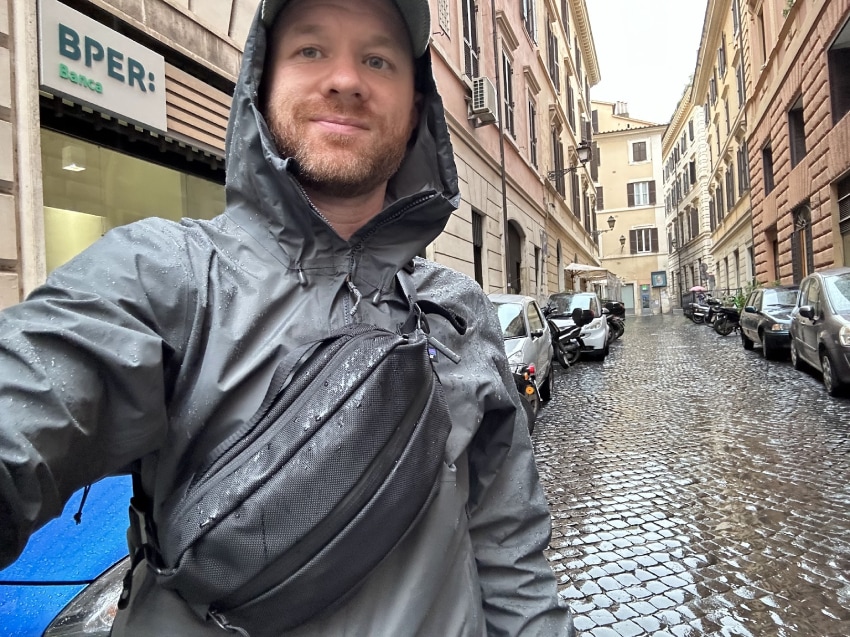
- Rain Jacket: A lightweight, packable rain jacket is a crucial item for unpredictable European weather. Waterproof and windproof options are essential.
- Insulated Jacket: For colder months, a packable down or synthetic insulated jacket provides significant warmth without taking up much space. This can be layered under a rain shell for maximum protection.
Streamlining Toiletries: Weight and Space Efficiency

Toiletries, particularly liquids, can quickly add considerable weight to a backpack. Minimizing these items is vital for staying within weight limits and complying with airline liquid restrictions for carry-on luggage.
- Travel-Sized Essentials: Opt for travel-sized versions of shampoo, conditioner, body wash, toothpaste, and other personal care items. Refillable silicone bottles are an eco-friendly and practical choice.
- Solid Alternatives: Consider solid shampoo bars, soap bars, and solid deodorant to eliminate liquid weight and reduce the risk of leaks.
- Local Purchases: Most essential toiletries are readily available throughout Europe, making it feasible to purchase larger items as needed rather than carrying them from the outset.
- Core List: Toothbrush, travel-sized toothpaste, deodorant, razor, small soap/shampoo, moisturizer, sunscreen, and any essential medications.
Essential Travel Accessories: Enhancing Functionality and Security
Beyond clothing and toiletries, a selection of well-chosen accessories can significantly improve the backpacking experience.
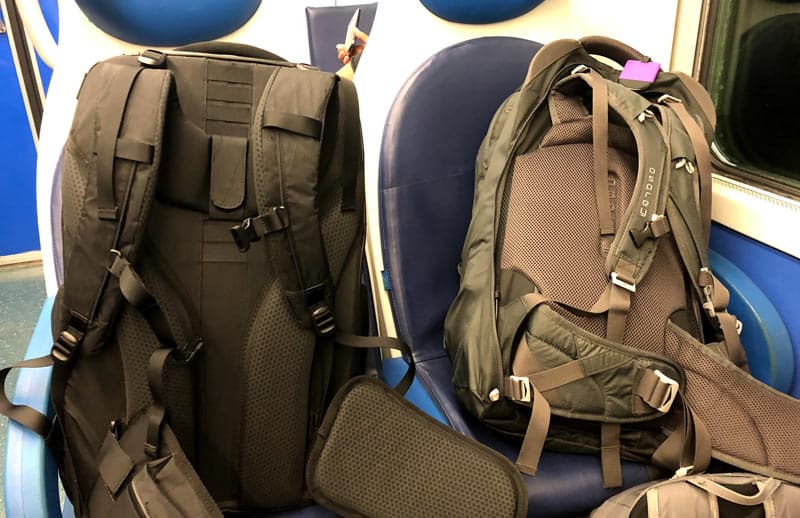
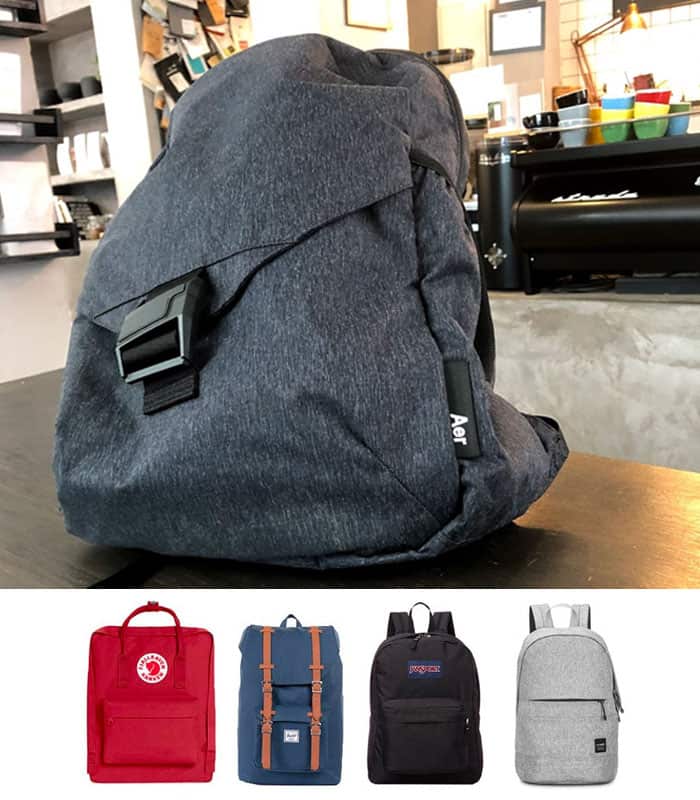
- Travel Backpack: The foundation of any backpacking trip. Criteria for selection include carry-on compliance (typically 40-50 liters), comfortable suspension systems, and durable materials. Top-loading vs. front-loading access is a common consideration, with front-loading often preferred for easier access to contents. Examples of widely recognized travel backpack designs include those from Osprey, Tortuga, and Cotopaxi, which balance capacity with airline restrictions.
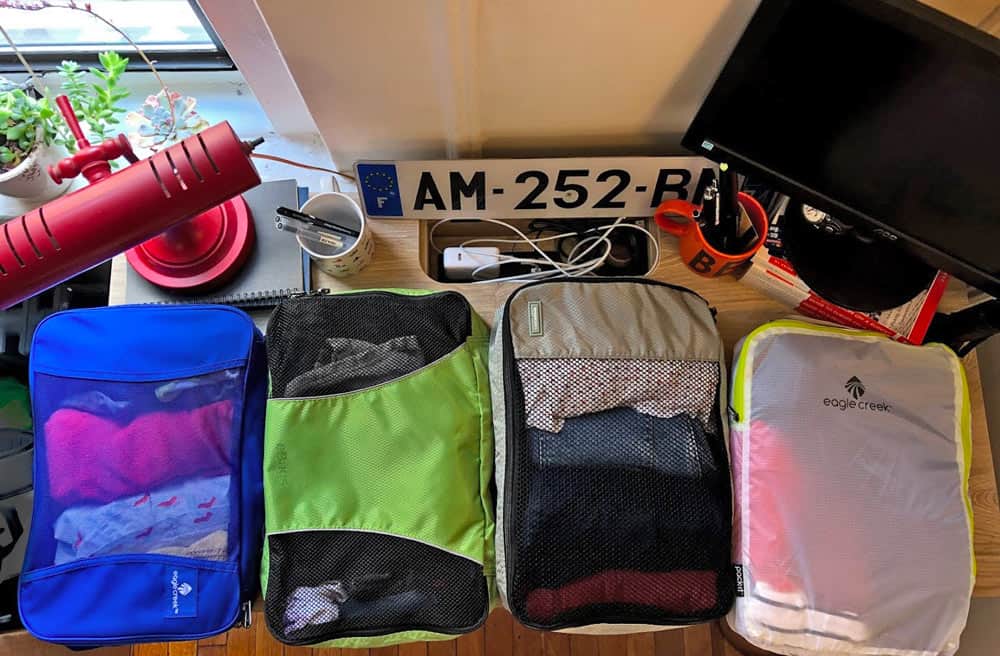
- Packing Cubes: These organizational tools are indispensable. They compress clothing, separate items (e.g., clean from dirty, socks from shirts), and streamline the process of finding specific items without unpacking the entire bag. This efficiency is particularly valuable in hostels or during quick transitions between locations.
- Travel Daypack: A smaller, collapsible backpack (15-25 liters) is essential for daily excursions. It should be lightweight, packable into the main backpack, and capable of carrying water, a camera, a rain jacket, and other daily necessities.
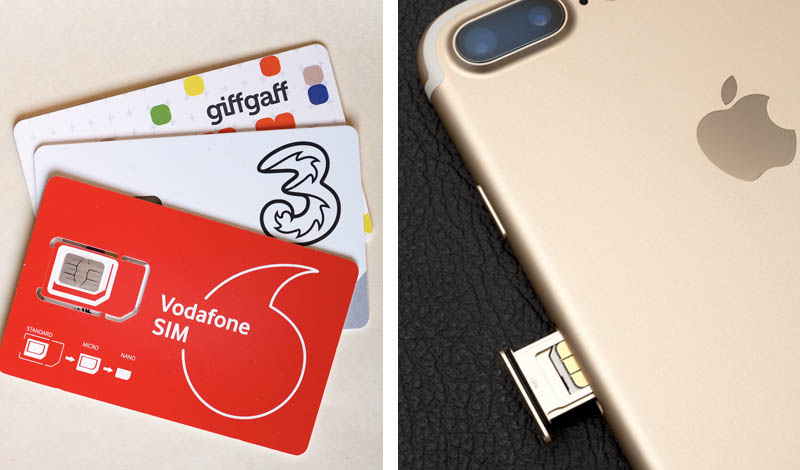
- eSIM Data Plan: For connectivity, utilizing an eSIM or local SIM card is significantly more cost-effective than international roaming plans offered by home carriers. eSIMs provide instant data access upon arrival, with plans often costing a fraction of traditional roaming charges (e.g., €3-€5 per day versus €10-€15). Providers like SimOptions and Holafly offer various regional and country-specific data plans, ensuring travelers remain connected for navigation, communication, and information access.
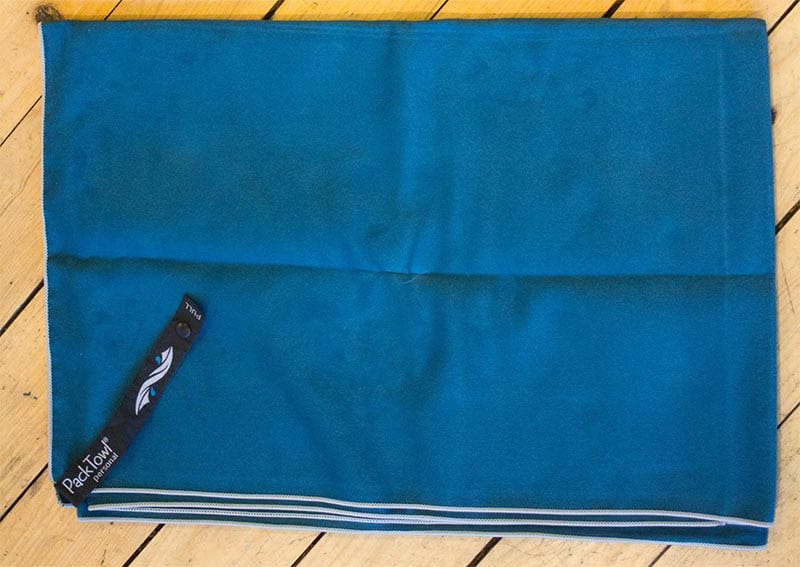
- Travel Towel: A quick-drying microfiber towel is a hygienic necessity, especially when staying in hostels that may not provide towels or charge for them. Unlike conventional towels, microfiber options absorb significant moisture and dry rapidly, preventing musty odors in luggage.
- Security Measures:
- Padlock & Retractable Cable Lock: Essential for securing lockers in hostels and for attaching luggage to bunks or luggage racks on trains, deterring opportunistic theft. Combination locks are often preferred for convenience, eliminating the need for keys.
- Money Belt: While debated among experienced travelers, a money belt worn under clothing provides an extra layer of security for passports, large sums of cash, and credit cards, safeguarding against pickpocketing, which can be prevalent in crowded tourist areas.
- Miscellaneous Practicalities:
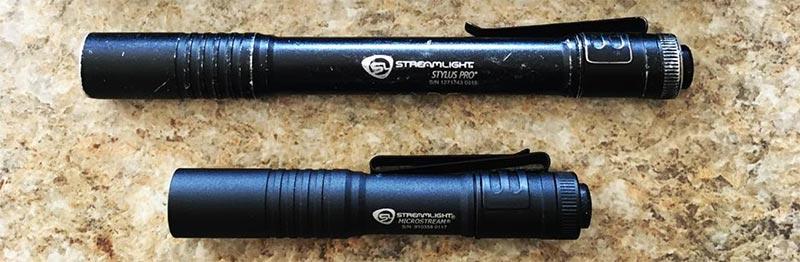
- Small Flashlight: A compact keychain flashlight is useful for navigating dark hostel dorms without disturbing others or for finding items in dimly lit areas.
- Notebooks: For jotting down directions, recommendations, expenses, or travel reflections, a physical notebook offers a reliable alternative to digital devices.
- Water Bottle: A reusable water bottle is environmentally friendly and cost-effective. Collapsible bottles are ideal for saving space when empty.
- Travel Utensils: A lightweight set of reusable cutlery is handy for picnics or self-catering, common among budget travelers.
- Toothbrush Cover: Essential for maintaining hygiene and protecting the toothbrush from contamination within a packed bag.
- Digital Luggage Scale: A small, portable scale can prevent unexpected overweight baggage fees at the airport, particularly when flying budget airlines with strict limits.
- Photocopies of Documents: Physical and digital copies (stored securely in cloud services or emailed to oneself) of passports, visas, and other critical documents are vital for emergencies.
- Ziploc Bags: Multi-sized plastic bags are invaluable for separating dirty clothes, containing liquids to prevent leaks, and organizing small items.
- Collapsible Umbrella: A compact umbrella provides protection against unexpected rain showers, a common occurrence in many European cities.
- Laundry Supplies: A small amount of concentrated laundry detergent, a universal sink stopper, and a lightweight clothesline can facilitate hand-washing clothes, extending the life of packed items and reducing the need for laundry services.
- Lint Roller: A mini lint roller can help maintain a tidy appearance, particularly important for blending in with European fashion sensibilities.
- Guidebooks & Phrasebooks: While digital resources are abundant, a compact physical guidebook or a phrasebook can offer reliable information and facilitate basic communication without relying on battery life or internet access.
Electronics for the Modern Backpacker
While minimizing electronics is advisable, certain gadgets have become integral to contemporary travel.
- Outlet Plug Adapters: European electrical outlets differ from those in North America. Continental Europe predominantly uses Type C and F plugs (two round pins), while the UK uses Type G (three rectangular pins). A universal adapter or a specific Type C/F adapter (and Type G for the UK) is essential. Most modern high-end electronics (laptops, phones, cameras) are dual voltage and only require a plug adapter, not a voltage converter.
- Travel Power Strip: Hostels and older hotels often have limited power outlets. A compact power strip with multiple outlets and USB ports allows travelers to charge several devices simultaneously using a single wall adapter, maximizing charging efficiency.
- Portable Phone Charger (Power Bank): With heavy reliance on smartphones for navigation, photography, and communication, a portable power bank is crucial for extending battery life throughout the day. High-capacity, compact models (e.g., Anker PowerCore 10000) are highly recommended.
- Tablet or E-Reader: A tablet offers a lightweight alternative to a laptop for casual browsing, entertainment, and communication. E-readers (e.g., Amazon Kindle) are excellent for carrying multiple books without the bulk of physical copies, ideal for long journeys.
- Headphones: Wireless earbuds (e.g., Apple AirPods) offer convenience, while a backup wired pair is useful for in-flight entertainment systems or when battery life is a concern.
Proactive Measures: Travel Insurance and Unnecessary Items
- Travel Insurance: A critical investment, travel insurance provides a safety net against unforeseen circumstances, including medical emergencies, lost luggage, trip cancellations, and theft. Reputable providers like World Nomads offer comprehensive coverage tailored for adventurous travelers. The financial and emotional costs of an uninsured incident far outweigh the premium for a good policy.
- Items to Exclude: To maintain a lightweight pack, certain items are generally deemed unnecessary for European backpacking. These include bulky hiking boots (unless undertaking serious treks), excessive clothing (especially heavy items like multiple pairs of jeans or formal wear), full-sized toiletries, multiple pairs of fashion shoes, and large quantities of physical books. Prioritizing versatility and minimalism prevents a burdened journey.
Procurement of Travel Gear
Quality travel gear is an investment that enhances comfort, durability, and overall travel satisfaction. Travelers can source their gear from various retailers:
- Online Retailers: Amazon, REI (for outdoor/travel gear), Zappos (for footwear).
- Specialty Travel Stores: Dedicated travel stores offer expert advice and a curated selection of travel-specific products.
- Outdoor Retailers: Stores like Patagonia, The North Face, and Columbia provide high-performance clothing and gear suitable for diverse conditions.
- Department Stores: For basic clothing items and some accessories.
Conclusion: The Enhanced Travel Experience
Efficient packing for backpacking Europe is more than just a logistical exercise; it is a fundamental strategy for maximizing the enjoyment, flexibility, and safety of the journey. By adhering to principles of minimalism, versatility, and thoughtful gear selection, travelers can avoid the common pitfalls of overpacking. A lighter, well-organized backpack not only simplifies transit and reduces costs but also fosters a sense of freedom, allowing for a deeper, more immersive engagement with Europe’s rich cultural tapestry and diverse landscapes. The focus on essential, multi-functional items, coupled with proactive measures like travel insurance and smart connectivity, empowers backpackers to navigate the continent with unparalleled ease, fostering memorable and stress-free adventures.
Related posts: