Comprehensive Travel and Infrastructure Guide: Navigating the Route Between Bucharest and Brașov

As Romania solidifies its status as one of Eastern Europe’s premier tourist destinations, infrastructural connectivity between its capital city, Bucharest, and the historical Transylvanian hub of Brașov remains a critical corridor for both domestic commuters and international travelers. Spanning approximately 170 kilometers through the dramatic and historically rich landscapes of the Carpathian Mountains, this transit route links the nation’s political and economic epicenter with its most prominent alpine tourism center. Whether approached as a direct business commute, a historical exploration, or a weekend leisure journey, understanding the available modes of transport—train, bus, automobile, or private transfer—is essential for efficient itinerary planning. This comprehensive report details the logistical framework, historical context, transit options, and broader economic implications of traveling between Bucharest and Brașov.
Geographic and Historical Context of the Transit Corridor
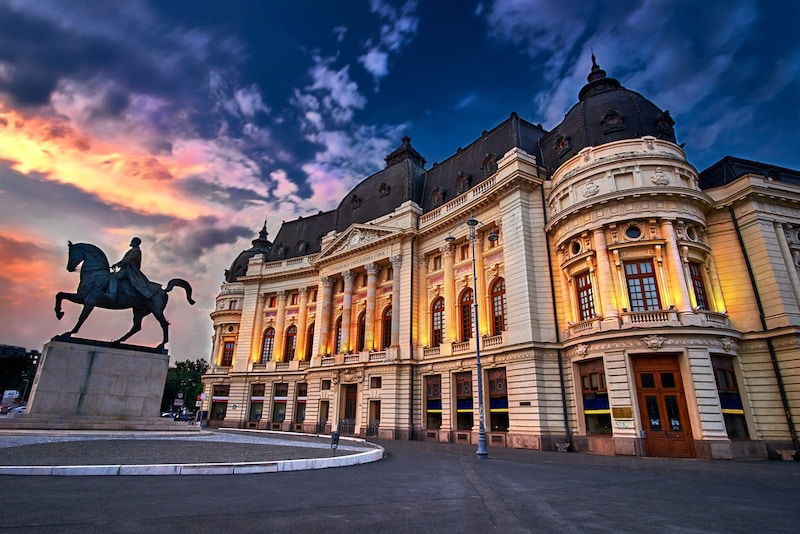
The route connecting Bucharest to Brașov cuts through the Prahova Valley and crosses the Southern Carpathians, serving as a vital geographic and cultural bridge between the historical regions of Wallachia and Transylvania. Bucharest, situated in the southern Romanian plain, functions as the country’s primary transport, financial, and political hub. Home to architectural landmarks such as the monumental Palace of the Parliament (Palatul Parlamentului) and the historic Old Town district of Curtea Veche—once a seat of power for Vlad the Impaler—the capital acts as the main entry point for the vast majority of international visitors arriving via Henri Coandă International Airport.
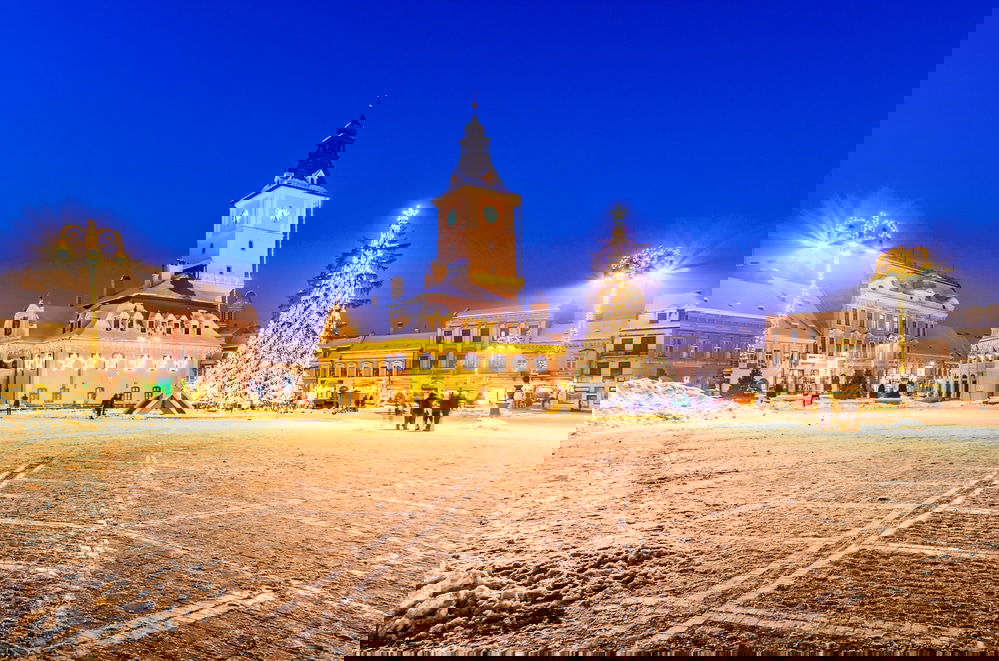
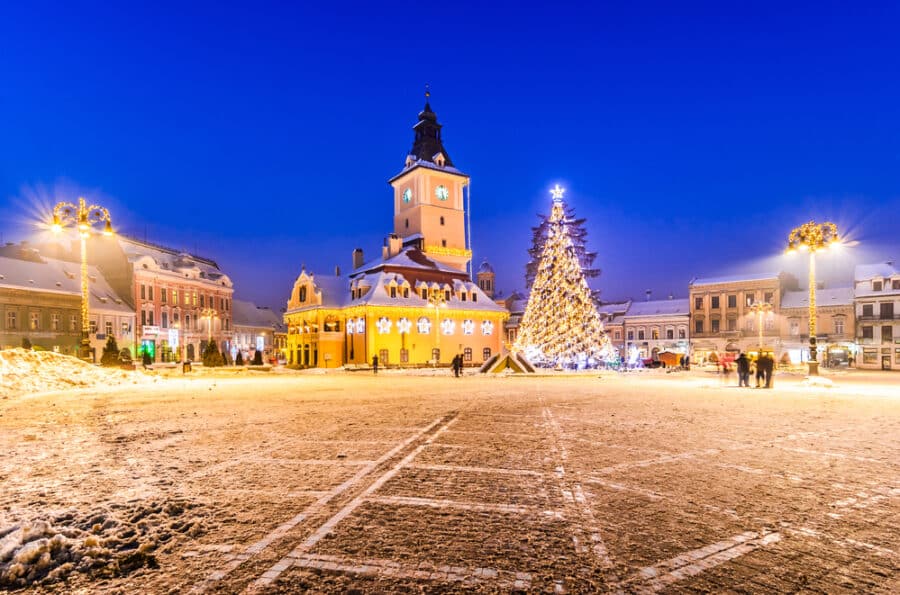
Conversely, Brașov is nestled in the foothills of the post-glacial Mount Tâmpa within the Carpathian bend, celebrated for its well-preserved medieval Saxon architecture, fortified walls, and proximity to major historical monuments. The economic interdependence between these two cities has driven continuous modernization efforts along the 170-kilometer corridor, though rugged topography continues to present engineering and traffic management challenges for regional authorities.
Transit Options and Comparative Analysis

Travelers moving between Bucharest and Brașov can choose from four primary transport modalities: rail, bus, self-drive automobile, and private transfer services. Each mode offers distinct advantages regarding cost, duration, comfort, and flexibility.
Rail Travel via CFR Călători
The state-owned railway operator, CFR Călători, operates frequent daily services connecting Bucharest North Railway Station (Gara de Nord) with Brașov Railway Station. Historically serving as the backbone of Romanian public transit, the rail network provides a reliable alternative to road travel, effectively bypassing the severe traffic congestion frequently encountered on mountain highways.
The journey by train typically ranges from 2 hours and 30 minutes to 3 hours, depending on the specific train category (InterRegio or Regio). The official ticketing portal,cfrcalatori.ro, allows domestic and international passengers to secure bookings in advance. Modernized carriages offer standardized comfort levels, with large windows providing uninterrupted views of the Prahova Valley and the advancing mountain ranges. Stations at both ends are fully integrated with local public transport networks, including metro systems in Bucharest and municipal bus lines in Brașov.
Intercity Bus Services
Bus and coach operations provide another scheduled public transport link between the two cities. However, unlike the rail sector, bus transit is highly susceptible to the vagaries of road traffic along the single-carriageway mountain routes. While off-peak travel times average around 3 hours, weekends, public holidays, and adverse winter weather conditions can easily extend transit durations by an additional one to two hours.
Bus operators offer comfortable long-distance coaches, but the winding topography of the Carpathian passes frequently poses challenges for passengers prone to motion sickness. Booking tickets online in advance is recommended, particularly during peak tourism seasons and winter ski holidays when demand surges.
Automobile and Self-Drive Logistics
For travelers prioritizing autonomy, renting a car provides the most flexible means of navigating the corridor. Major international and domestic car rental agencies maintain fleets at both Bucharest airports and downtown locations, as well as in Brașov.
The drive generally takes between 2.5 and 3 hours under optimal traffic conditions. However, transportation analysts and local authorities consistently advise motorists to avoid peak weekend periods, when bottleneck traffic near mountain resorts such as Sinaia and Bușteni can cause significant delays. Driving in Romania is conducted on the right-hand side of the road. International visitors must ensure they carry a valid driver’s license, an International Driving Permit where applicable, vehicle registration documents, and mandatory cross-border or local insurance coverage.
Private Transfers and Chauffeur Services
For those who desire the flexibility of road travel without the responsibility of driving, private transfer services—such as localized taxi firms or specialized door-to-door operators like Daytrip—provide viable alternatives. These services utilize English-speaking drivers and offer customizable itineraries, allowing passengers to incorporate multi-stop sightseeing excursions directly into their transfer schedule. While significantly more expensive than standard rail or bus tickets, private transfers offer premium convenience for families, small groups, or travelers with heavy luggage.
Strategic Stopovers and Regional Tourism Integration
The corridor between Bucharest and Brașov is globally recognized for its high concentration of cultural and architectural heritage sites, transforming what would otherwise be a straightforward transit route into a major tourism asset. Strategic integration of road-based stopovers allows travelers to explore several landmark locations:
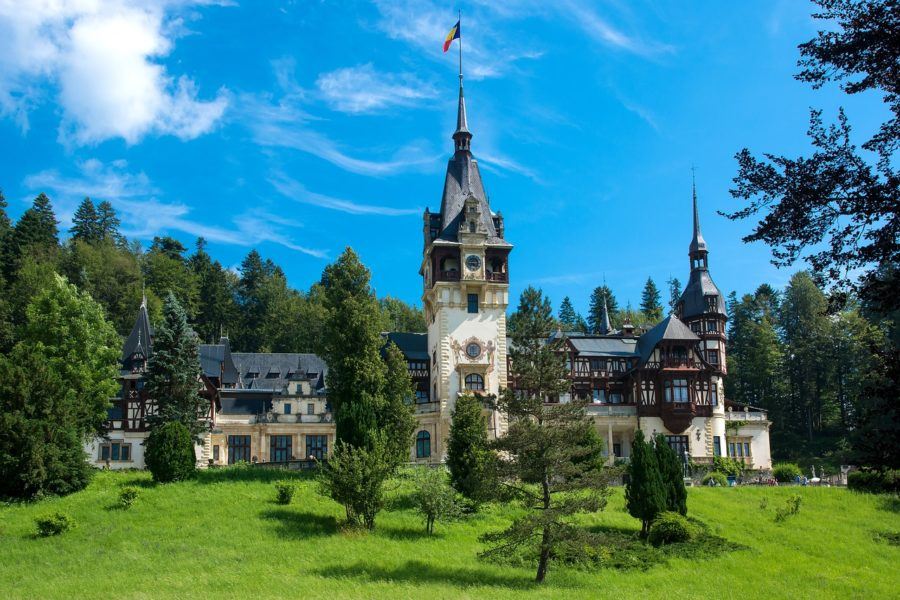
- Sinaia and Peles Castle: Located in the Prahova Valley, Sinaia is renowned for Peles Castle, a masterpiece of neo-Renaissance architecture that served as the summer residence of the Romanian royal family.
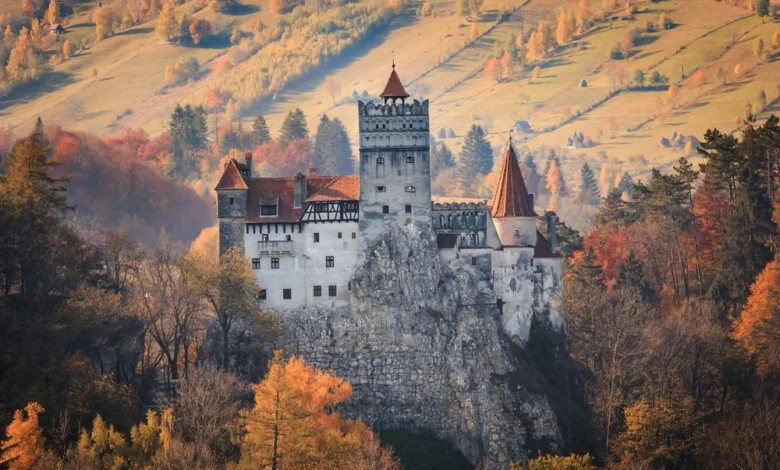
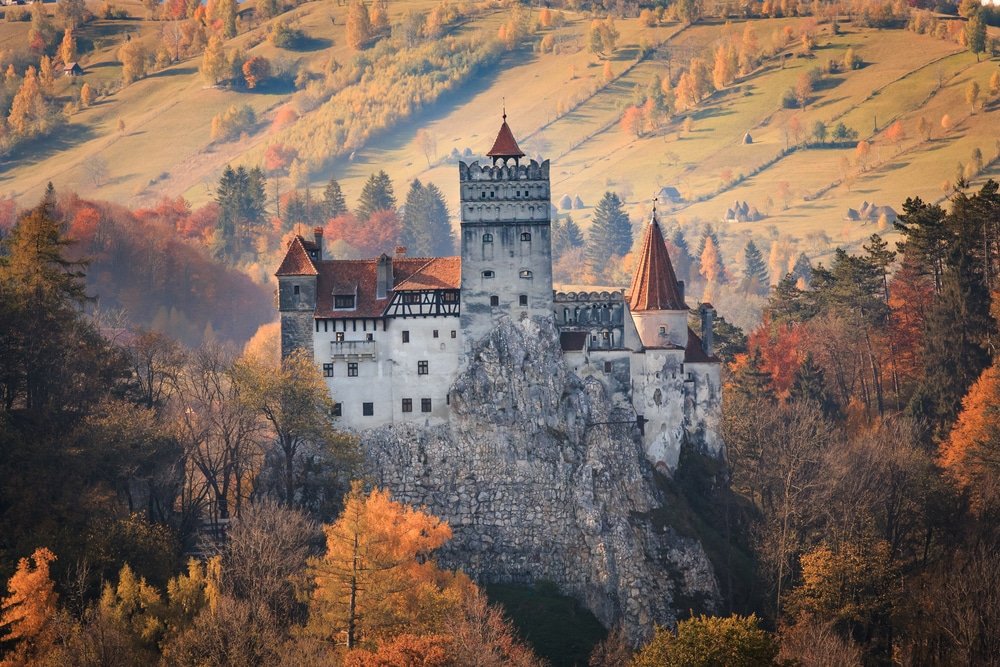
- Bran Castle: Situated just southwest of Brașov, this 14th-century mountaintop fortress is internationally famous for its association with Bram Stoker’s Dracula legend.
- Râșnov Citadel: Perched on a rocky limestone hill in Brașov County, this medieval peasant fortress offers panoramic views of the Burzenland depression and houses historical exhibits detailing local defensive architecture.
Economic Implications and Infrastructure Outlook
The constant flow of traffic between Bucharest and Brașov underpins a significant portion of Romania’s domestic tourism economy. The daily movement of thousands of commuters, business professionals, and leisure travelers highlights the ongoing necessity for infrastructure enhancement along the DN1 national road and the main railway line.
Economic analysts note that while rail modernization projects have marginally improved transit reliability, sustained investment is required to address highway bottlenecks. Proposals for high-speed rail links and expanded highway capacity remain subjects of ongoing debate within the Romanian Ministry of Transport. Nevertheless, the existing multi-modal transport network successfully accommodates the steady influx of visitors, ensuring that the vital link between Romania’s bustling capital and its alpine crown jewel remains robust, accessible, and economically vital.