Berlin Christmas Markets: A Comprehensive Guide to the Capital’s Seasonal Traditions

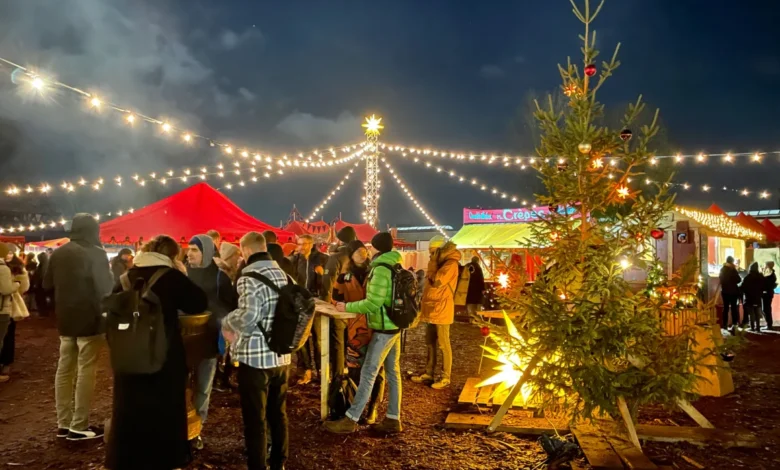
Berlin’s holiday landscape is defined not by a single central gathering, but by a sprawling, decentralized network of more than 70 distinct Christmas markets. While historical powerhouses like Nuremberg or Dresden emphasize centuries of singular tradition, Berlin’s approach reflects its modern identity: a blend of historic reverence, international diversity, and neighborhood-specific communal gathering. As the city approaches the 2024–2025 winter season, these markets have evolved into a critical component of the local economy and social fabric, offering residents and tourists a localized alternative to commercialized tourism.
The evolution of Berlin’s market culture has seen a significant shift over the past two decades. Historically, the capital lacked a unified “Christkindlmarkt” tradition, but since the early 2000s, the city has embraced the Advent season with fervor. In 2022, the city hosted approximately 70 registered markets, a record that highlights the growing importance of these events as a seasonal anchor for the city’s service and retail sectors.
The Economic and Social Impact of Advent
The Christmas market season, which typically runs from late November through early January, serves as a vital economic engine for Berlin. Beyond the direct revenue from food, beverage, and handicraft sales, the markets function as a "third space"—communal areas that mitigate the isolation often felt during the short, dark days of the German winter. With sunset occurring before 4:00 PM throughout December, the illumination of these markets provides a necessary psychological and social respite.

Market organizers, ranging from municipal authorities to private collectives, report that the focus has shifted toward high-quality, artisanal products to distinguish local offerings from the mass-produced goods that characterized the market expansions of the 1990s. The demand for authentic, regional, and sustainable products has forced vendors to pivot toward locally sourced ingredients, particularly for staples such as Glühwein (mulled wine) and regional street foods like Bratwurst and roasted almonds.
Categorizing the Berlin Experience
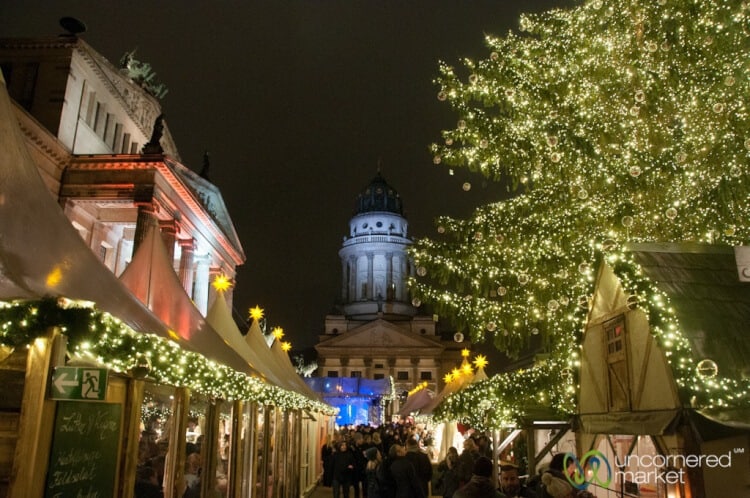
Berlin’s markets can be categorized by their atmosphere and primary focus. Traditionalists often gravitate toward the WeihnachtsZauber at Gendarmenmarkt, which is renowned for its architectural backdrop and stringent quality control. Here, visitors encounter a more curated experience, often requiring a nominal entrance fee that goes toward supporting the maintenance of the historic square and the high standard of the artisanal stalls.

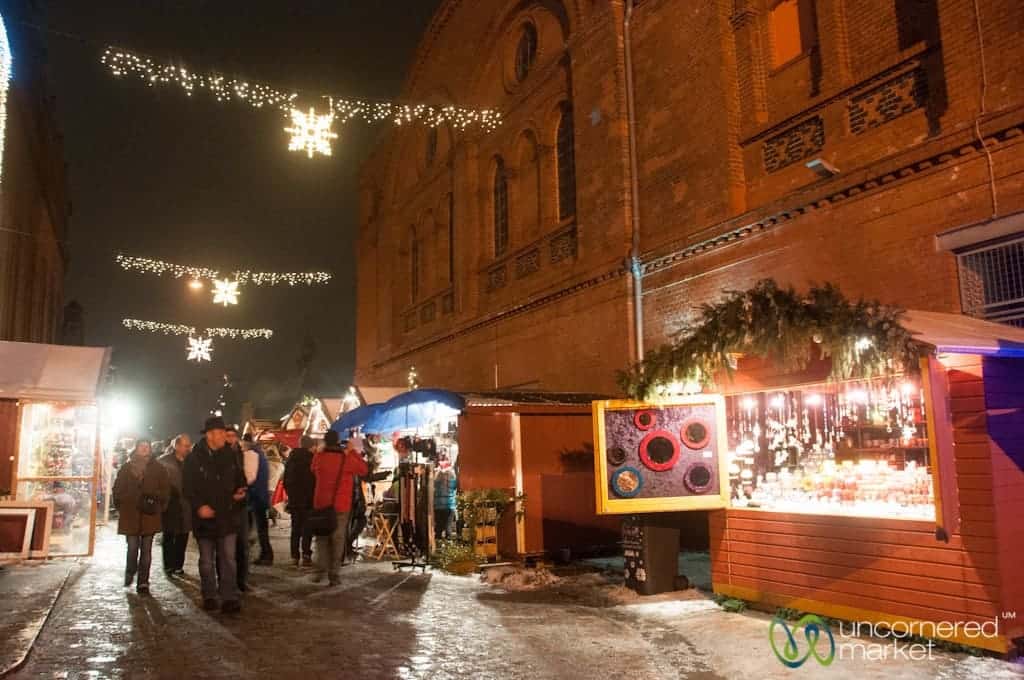
Conversely, the Lucia Christmas Market at the Kulturbrauerei in Prenzlauer Berg offers a distinct Nordic-Scandinavian theme. Set within the red-brick industrial architecture of a 19th-century former brewery, the market highlights northern European traditions, including Swedish and Danish variants of mulled wine (glögg) and reindeer-based culinary offerings. This site demonstrates the city’s ability to repurpose industrial heritage into culturally resonant event spaces.
For those seeking historical immersion, the Medieval Christmas Market at the RAW Cultural Center in Friedrichshain provides a stark contrast to more polished venues. With its focus on pre-modern crafts, traditional metalwork, and period-appropriate food, the market utilizes fire pits and manual entertainment to recreate a medieval aesthetic. This location has become a focal point for younger demographics and families seeking an interactive, historical environment.

Regional Perspectives and Neighborhood Dynamics
Beyond the city center, the Spandau Old Town market serves as a prominent example of local identity. Situated in one of Europe’s best-preserved Renaissance fortresses, the Spandau event functions as a self-contained "village within a city." The market’s longevity—spanning several decades—has solidified its role as a regional landmark, drawing visitors from the greater Brandenburg area.
In contrast, markets like those in Rixdorf (Neukölln) and Domäne Dahlem highlight the grassroots nature of Berlin’s seasonal festivities. The Alt-Rixdorfer market is particularly notable for its charitable focus; the stalls are largely operated by local schools, non-profits, and neighborhood groups. This model serves a dual purpose: it raises essential funds for community initiatives and reinforces local social cohesion. The event is characterized by its quaint, village-like atmosphere, which stands in juxtaposition to the urban intensity of the surrounding Neukölln district.

Operational Logistics and Timing
For visitors and residents planning their itineraries, understanding the chronology of the season is essential. Most markets open in the final week of November, coinciding with the first Sunday of Advent. While larger, permanent-style markets remain open until December 31st or early January, smaller, weekend-only markets require precise scheduling.
The following is a breakdown of the primary operational profiles:
- Full-Season Markets: These are the anchor events (Gendarmenmarkt, Charlottenburg Palace, Spandau) that operate daily, often featuring large-scale infrastructure such as ice rinks, stage performances, and elaborate lighting displays.
- Weekend/Short-Run Markets: These events (e.g., Alt-Rixdorfer) are often highly localized. They provide an authentic glimpse into neighborhood life but lack the commercial ubiquity of the larger central markets.
- Thematic Markets: These focus on specific cultural niches, such as the Nordic focus of the Lucia market or the historical reenactment focus of the RAW site.
Analytical Outlook: Trends and Challenges
Looking forward, the Berlin Christmas market sector faces a dual challenge of sustainability and cost-management. Rising energy costs for lighting and logistical overhead have led some smaller markets to reconsider their operational hours or consolidate their stall numbers. Simultaneously, there is a push from municipal authorities to ensure these markets align with Berlin’s broader environmental goals, encouraging vendors to move away from single-use plastics and toward reusable, deposit-based beverage containers.
Furthermore, the "commercialization" of these markets remains a point of contention. Industry observers note that while high-quality markets are thriving, there is an ongoing struggle to maintain the balance between tourist-centric commercialism and the authentic local character that makes Berlin unique. The success of the "neighborhood-led" model suggests that the future of the Berlin Christmas market lies in hyper-localization, where the community, rather than a centralized tourism board, defines the event’s identity.

Strategic Planning for Attendees
For those intending to participate in the upcoming season, the consensus among local experts is to prioritize variety. Rather than visiting only the most famous locations, a balanced itinerary should include one "grand" market (such as Charlottenburg Palace for its baroque architecture) and at least one "neighborhood" market (such as Rixdorf or Domäne Dahlem) to experience the diversity of the city’s social fabric.
As Berlin continues to grow as a destination for winter tourism, the city’s Christmas markets remain its most effective tool for showcasing its historical, cultural, and community-based evolution. Whether through the lens of a 300-year-old palace or a 19th-century industrial courtyard, the markets offer an indispensable perspective on how the German capital navigates the intersection of tradition and modernity during the year’s most reflective season.
Related posts: