The Ultimate Guide to Berlin Christmas Markets for the 2024-2025 Holiday Season

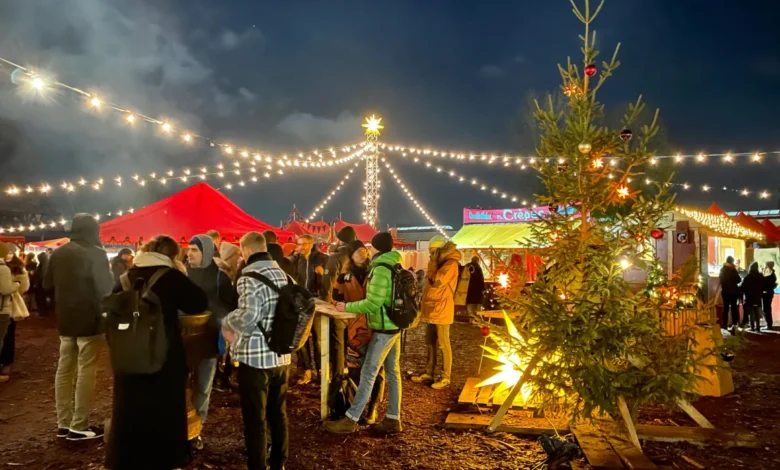
Berlin has transformed its winter identity over the past two decades, evolving from a city with sporadic festive displays into a central hub for European holiday culture. Unlike southern German cities such as Nuremberg or Munich, which often center their festivities around a single, historic town square, Berlin’s approach is decentralized and multifaceted. The German capital currently hosts over 70 distinct Christmas markets, a sprawling network that reflects the city’s unique administrative structure and diverse borough-level identities. For the 2024-2025 season, the city has confirmed that the vast majority of these markets will open on November 25, 2024, with operations continuing through the end of December or early January 2025.
The cultural significance of the Weihnachtsmarkt in Berlin extends beyond tourism. These gatherings serve as essential community infrastructure during the darkest months of the year. According to local economic observers, these markets function as a critical economic engine for the city’s hospitality and craft sectors, providing a venue for local artisans, small-scale food producers, and regional businesses to reach a massive seasonal audience.
A Chronology of the Modern Berlin Market Experience

The evolution of Berlin’s Christmas market scene can be categorized into three distinct phases. In the early 2000s, the markets were primarily local, neighborhood-oriented affairs. By the 2010s, as Berlin’s profile as a global travel destination rose, the city began professionalizing the market experience, introducing themes like the Nordic-Scandinavian focus at the Kulturbrauerei. The current phase, starting in the post-pandemic era, focuses on thematic variety—moving away from generic commercial stalls toward specialized, curated, and historically grounded experiences.
For visitors planning a route, the season generally follows a standard timeline. The markets serving the entire Advent season open in late November, coinciding with the first Sunday of Advent. Smaller, neighborhood-specific markets, such as the Alt-Rixdorfer, often operate only for a single long weekend, acting as localized anchors for community engagement.

Major Market Profiles and Economic Impact
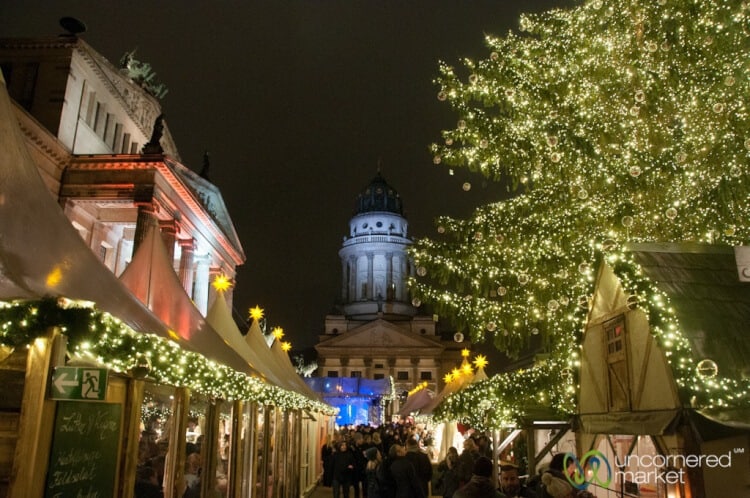
The Gendarmenmarkt (WeihnachtsZauber) remains the premier destination for traditionalists. Situated between the Französischer Dom and the Konzerthaus, it represents the high-end segment of the market economy. Because of its location in Mitte, it consistently draws the highest density of international visitors. The introduction of a nominal entry fee—currently one euro—reflects a trend toward managed access to ensure safety and maintain the high quality of artisan offerings.

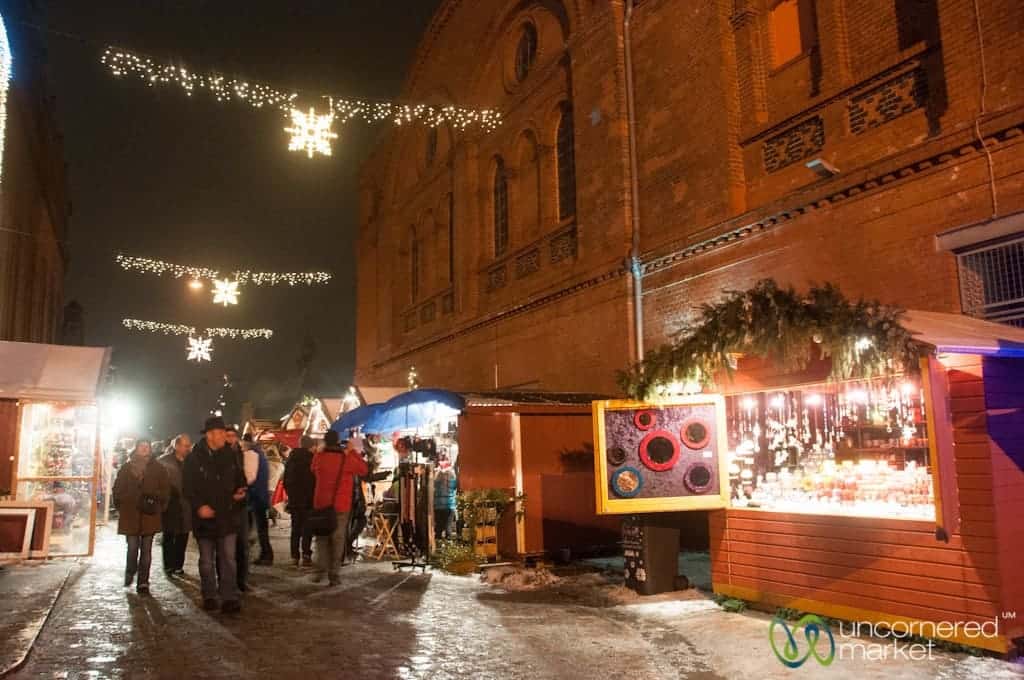
In contrast, the Lucia Christmas Market at the Kulturbrauerei in Prenzlauer Berg serves as a case study in niche marketing. By focusing on Nordic and Scandinavian traditions, the organizers have successfully carved out a specific market segment that differentiates itself from the broader, more generic German offerings. The reliance on the historic industrial architecture of a 19th-century brewery provides a unique backdrop that has been lauded by architectural preservationists as an example of adaptive reuse.
In the western reaches of the city, the Spandau Christmas Market and the Citadel market leverage historical infrastructure to provide a sense of place. The Spandau Citadel, one of the best-preserved Renaissance fortresses in Europe, acts as a venue that emphasizes historical continuity. This focus on "living history" is a strategic choice by event organizers to differentiate their offerings from the increasingly commercialized markets found in city centers across Europe.

Data and Logistics
With roughly 70 markets operational across Berlin, the logistics of the season are substantial. The city’s public transit authority, the BVG, typically increases frequency on key U-Bahn and S-Bahn lines throughout December to accommodate the influx of evening commuters and visitors.
Data regarding the environmental and social impact of these markets indicates a growing emphasis on sustainability. Many markets have shifted toward reusable "Pfand" (deposit) mug systems to minimize single-use waste. Furthermore, the reliance on regional, seasonal ingredients—such as local venison, organic regional produce, and traditional mulled wines—aligns with broader European Union goals regarding sustainable tourism and regional supply chains.
Perspectives on Market Management

City officials and tourism boards have noted that the decentralization of Berlin’s markets is a net benefit for the urban fabric. By spreading the festive crowds across different boroughs—from the medieval-themed RAW grounds in Friedrichshain to the pastoral setting of Domäne Dahlem—the city effectively prevents the "over-tourism" symptoms experienced by smaller cities like Salzburg or Rothenburg ob der Tauber.
Local chambers of commerce emphasize that the markets provide a vital platform for micro-enterprises. For many artisans, the four weeks of the Christmas season generate a significant portion of their annual revenue. This economic reality has led to a push for stronger protection of traditional, hand-crafted stalls against the encroachment of mass-produced, low-quality commercial merchandise.

Strategic Considerations for Visitors
For those planning an itinerary, the diversity of the landscape is the primary factor for consideration. The "traditional" visitor is best served by the Gendarmenmarkt or the Schloss Charlottenburg market, which offer the aesthetic expectations of a classic German holiday. Conversely, those seeking an "alternative" experience should look toward the Holzmarkt, where the atmosphere is defined by urban artistic culture, bonfires, and a more eclectic, youthful vibe.

The incorporation of the Potsdam Christmas Market into the broader Berlin travel circuit is highly recommended by regional tourism experts. Situated just a short train ride from the capital, Potsdam offers a different pace. The market’s scale, combined with its proximity to the UNESCO World Heritage site of Sanssouci Palace, provides a comprehensive look at the historical and cultural depth of the Brandenburg region.
Broader Implications for the Future

As Berlin continues to grow, the role of the Christmas market is being re-evaluated in the context of urban planning. The markets are no longer viewed merely as temporary attractions but as permanent fixtures of the city’s winter economy. The trend toward high-quality, curated markets suggests that future seasons will likely feature more stringent criteria for stallholders, prioritizing local origin and craftsmanship.
Furthermore, the integration of these markets into the city’s winter identity has had a measurable impact on seasonal tourism figures. Even in the cold, dark days of December, when the sun sets before 4:00 PM, the "glow" of the markets provides a psychological and economic boost that sustains the city through the winter doldrums.

In summary, the Berlin Christmas market landscape is a complex, evolving entity that requires navigation and planning. Whether one chooses the high-culture setting of the city center or the intimate, community-focused courtyards of the outlying districts, the markets represent an essential aspect of the modern German holiday experience, balancing the weight of historical tradition with the forward-moving, progressive energy that defines Berlin. Visitors are encouraged to verify specific dates, entrance requirements, and opening hours through the official VisitBerlin portal or the individual websites of the markets, as operational details can be subject to localized changes due to weather or municipal requirements.
Related posts: