Holafly Plans: The Evolution of Global Digital Connectivity and International Roaming Solutions

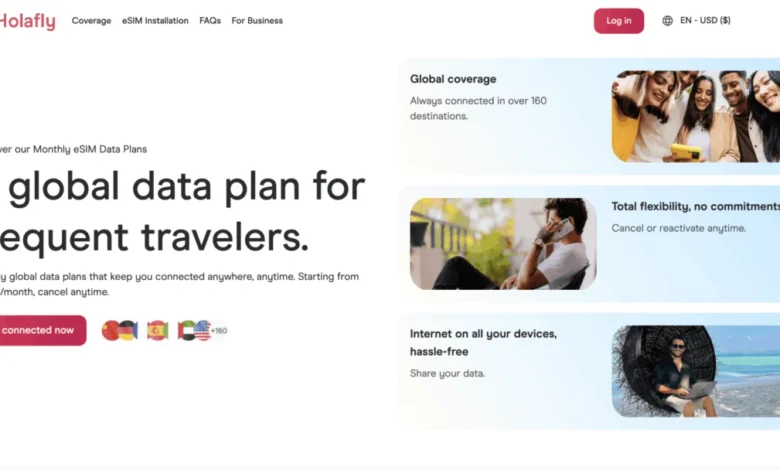
The modern landscape of international travel has undergone a profound technological transformation over the past decade, driven largely by the shift away from physical subscriber identity module (SIM) cards toward embedded SIM (eSIM) architecture. As digital nomads, frequent business travelers, and long-term backpackers continuously seek streamlined connectivity options that eliminate exorbitant carrier roaming fees, the telecommunications market has responded with continuous innovations. Among the latest developments in this sector is the introduction of global subscription models designed to provide uninterrupted cross-border data coverage. A prominent example of this trend is the rollout of subscription-based international data packages, which seek to redefine how mobile users stay connected across multiple countries without altering their device configurations or frequently purchasing localized hardware.
Technological Background and the Rise of eSIM Architecture
To understand the significance of ongoing global data subscriptions, it is essential to examine the underlying technology. An eSIM is a digital SIM card built directly into the hardware of a smartphone, tablet, or smartwatch. Unlike traditional nano-SIMs, which require physical extraction and insertion when transitioning between network operators or countries, an eSIM functions entirely via software. Activation is typically achieved by scanning a quick response (QR code) or installing a profile directly through an application.
This technological paradigm shift offers several operational advantages for global travelers. Because the SIM profile is software-based, a single modern smartphone can store multiple eSIM profiles simultaneously. Users can maintain their primary domestic phone number for essential incoming calls and texts while seamlessly toggling to an international data plan upon arrival at a foreign destination. This eliminates the traditional logistical hurdles of visiting local kiosks upon landing, navigating language barriers to purchase prepaid physical cards, or risking the loss of a home-country SIM card while swapping hardware.
Product Evolution: From Single-Destination Passes to Global Subscriptions
Historically, third-party eSIM providers focused primarily on single-country or regional packages tailored to discrete vacation periods. A traveler visiting a specific nation for two weeks would purchase a dedicated data allotment, which would expire upon the conclusion of the trip or the exhaustion of the data cap. While this model successfully undercut the high daily roaming fees charged by traditional domestic carriers—which often average $10 to $12 per day—it presented inefficiencies for individuals who travel continuously or traverse multiple national borders within a short timeframe.

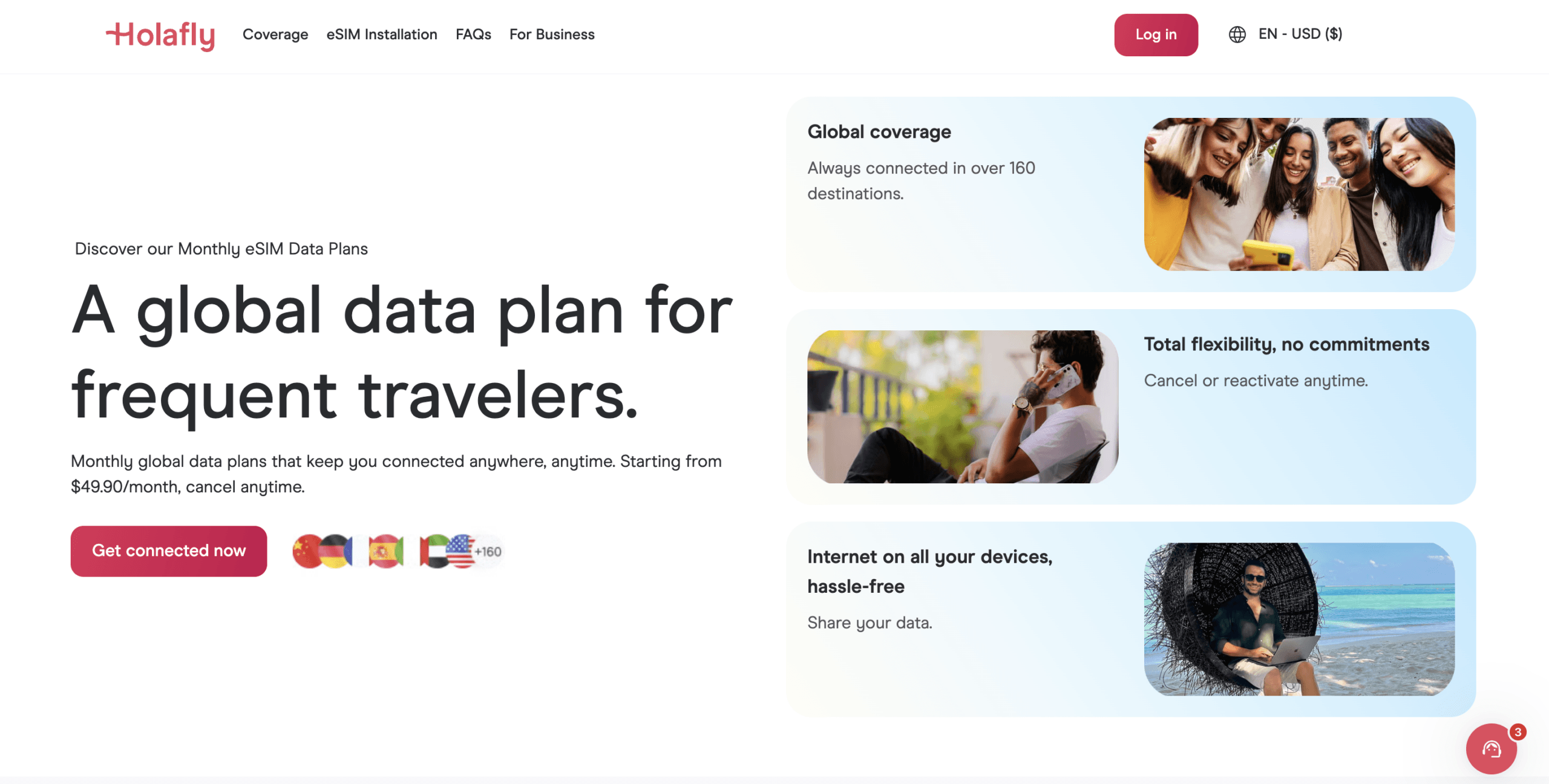
To address the needs of long-term travelers and digital nomads, providers have begun introducing ongoing subscription models. These offerings function similarly to traditional domestic mobile carrier contracts but operate across multi-country agreements without requiring physical SIM modifications. By consolidating dozens or hundreds of destinations into a single recurring billing structure, these plans aim to provide continuous service as users transition between distinct international telecommunications jurisdictions.
Comparative Analysis of International Data Solutions
When evaluating options for staying connected abroad, consumers generally choose between three primary models: traditional domestic carrier roaming add-ons, localized prepaid physical or digital SIM cards, and comprehensive international eSIM subscriptions. Each option carries distinct financial and operational implications.
-
Domestic Carrier Roaming Passes: Major telecommunications providers in North America and Europe typically offer international roaming features. While convenient—allowing users to retain their exact phone number and plan structure—these services are frequently expensive, ranging from $100 to over $300 per month depending on usage. Furthermore, many carriers throttle high-speed data after a relatively modest daily or monthly consumption threshold, diminishing utility for remote workers who rely on heavy data transmission.
-
Localized Prepaid SIMs and Destination eSIMs: Purchasing a localized prepaid product upon arrival or a single-destination eSIM online remains cost-effective for isolated trips. However, the administrative friction is high for frequent cross-border travelers. Every time a user enters a new country, a new package must be selected, purchased, and activated. Furthermore, coverage abruptly terminates upon expiration, potentially leaving travelers disconnected during critical transit moments.
-
Global Subscription Plans: Ongoing multi-destination subscriptions bridge the gap between convenience and cost efficiency. By paying a flat monthly, quarterly, or annual fee, users secure continuous data access across vast geographic footprints—often encompassing more than 160 countries. These plans typically include provisions for mobile hotspot tethering, enabling remote professionals to connect laptops and secondary devices securely without incurring additional charges.
Financial Implications and Market Pricing Structures
The economics of international telecommunications are heavily influenced by wholesale carrier agreements negotiated between global eSIM providers and local network operators in destination countries. Subscription models leverage bulk purchasing of data capacity to offer competitive pricing tiers.
Market data indicates that comprehensive international data subscriptions generally range between $55 and $65 per month, with variance dependent on whether the consumer selects a monthly, quarterly, or annual billing cycle. Longer-term commitments, such as yearly subscriptions, often feature incremental discounts of approximately 10% to 15% compared to month-to-month billing.
Within these subscription frameworks, service providers frequently segment offerings into distinct usage categories. Standard or "light" tiers typically provide a generous fixed data allotment per month alongside mobile hotspot capabilities, catering to casual travelers, map navigators, and messaging app users. Conversely, unlimited tiers remove data caps entirely and frequently incorporate supplementary features, such as foreign virtual phone numbers capable of receiving SMS verification codes—an essential tool for international banking and remote work authentication.
Strategic Implications for Remote Work and Global Mobility
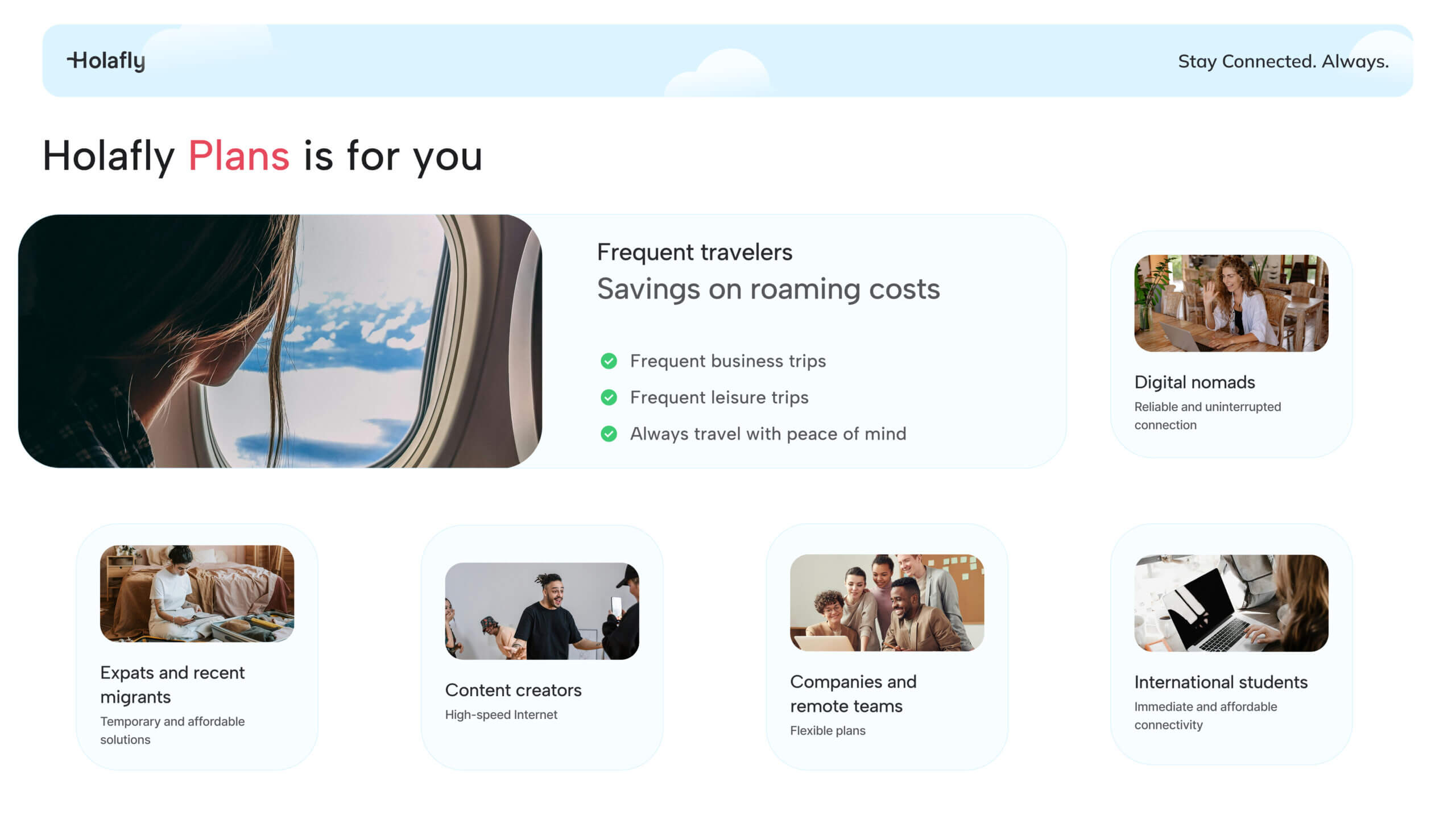
The proliferation of flexible international data products reflects broader macroeconomic shifts toward remote work and digital nomadism. As multinational corporations and independent professionals increasingly operate across distributed geographic environments, reliable, uninterrupted telecommunications infrastructure is no longer a luxury, but a baseline operational requirement.
The ability to maintain a consistent digital footprint across multiple continents without experiencing connectivity dropouts at international borders reduces administrative overhead and minimizes communication downtime. Moreover, the integration of backup data contingencies—such as small allotments of auxiliary data that persist even if a subscription is temporarily paused or canceled—highlights an industry trend toward enhanced consumer flexibility and risk mitigation.
Future Outlook for International Telecommunications
As smartphone manufacturers increasingly phase out physical SIM card trays in favor of dual-eSIM and eSIM-only hardware configurations, the market share of software-based international data providers is expected to expand. Traditional mobile network operators are facing mounting competitive pressure from agile digital platforms that bypass legacy infrastructure constraints.
Future developments in this sector are likely to focus on further reducing latency through optimized local routing, expanding rural and developing-nation network partnerships, and integrating advanced security features such as built-in virtual private networks (VPNs) directly into the eSIM profile layer. For the global consumer, these advancements promise a future where international borders impose virtually no friction on digital communication and productivity.
Related posts: