The Lost City Trek: A Comprehensive Guide to Navigating Colombia’s Ancient Teyuna

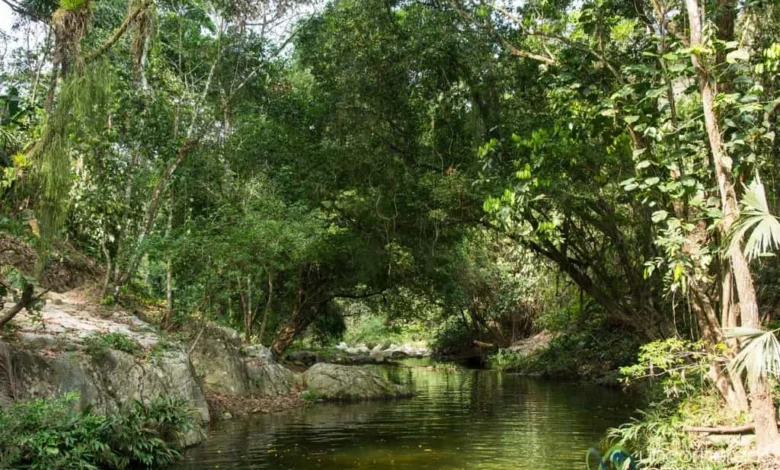
The trek to Ciudad Perdida, or the Lost City, represents one of South America’s most significant archaeological and cultural expeditions. Located deep within the Sierra Nevada de Santa Marta mountain range in northern Colombia, this ancient site—known locally as Teyuna—was constructed by the Tayrona civilization around 800 A.D. The site predates the construction of Machu Picchu by approximately six centuries, serving as the political and spiritual heart of a sprawling indigenous network. Today, the journey to Teyuna is a 46-kilometer (28-mile) round-trip expedition that traverses dense tropical rainforests, rugged mountain terrain, and river valleys, offering a rare window into the history and contemporary life of the region’s indigenous Wiwa, Kogi, Arhuaco, and Kankuamo communities.

Historical Context and Rediscovery

While the Tayrona people inhabited the Sierra Nevada region for centuries, the existence of Teyuna remained largely unknown to the outside world for hundreds of years. The city was abandoned in the 16th century, likely as a defensive measure during the period of Spanish colonization, allowing the dense jungle canopy to reclaim the stone terraces and circular plazas. For generations, the site was known only to the indigenous shamans of the region, who continued to visit the area for ceremonial purposes, maintaining its sanctity.

The modern "rediscovery" of the site in the early 1970s marked a turning point in Colombian archaeology. Treasure hunters, motivated by rumors of gold and precious artifacts, stumbled upon the ruins. The ensuing looting caused significant damage to the site, stripping away many of the gold ornaments and pottery that provided a narrative of Tayrona daily life. In response, the Colombian government intervened to secure the area, and it has since been managed as a protected cultural heritage site. Despite the loss of many artifacts, the architectural integrity of the 169 stone terraces remains a testament to the sophisticated engineering capabilities of the pre-Columbian Tayrona.

The Hiking Itinerary and Logistical Requirements

The trek is classified as a medium-to-high difficulty challenge, primarily due to the intense humidity, steep elevation changes, and the physical toll of navigating jungle terrain. The standard itinerary spans four to five days, departing from the coastal city of Santa Marta.

Day 1 typically involves a transfer to Machete, the trailhead, followed by an initial ascent into the foothills. Hikers cross the Rio Buritaca multiple times, a feature that characterizes the entire route. The path is non-technical, requiring no specialized mountaineering equipment, but it demands consistent stamina. The first campsite serves as the introduction to the rustic living conditions of the trek, which include hammocks, basic washing facilities, and communal meals prepared by local staff.

Day 2 and Day 3 constitute the heart of the journey. The trail winds through remote indigenous villages where travelers may observe the daily customs of the Wiwa and Kogi people. These communities act as the stewards of the mountain, often referring to themselves as the "elder brothers" of humanity, tasked with maintaining the ecological and spiritual balance of the planet. Upon reaching the base of Teyuna, hikers must ascend 1,200 ancient stone steps. The arrival at the upper terraces offers a panoramic view of the Sierra Nevada range, providing a stark contrast between the architectural order of the city and the wild, untamed nature of the surrounding forest.

Environmental and Physical Considerations

Prospective hikers should be aware of the environmental conditions inherent to the Sierra Nevada rainforest. Temperatures remain high throughout the year, and humidity levels often lead to significant physical exertion. Hydration is the most critical factor for success; trekking companies emphasize the necessity of carrying at least one to two liters of water, often supplemented by electrolyte tablets to counteract mineral loss.

The presence of insects, particularly mosquitoes, requires rigorous preparation. Health experts and experienced guides recommend the use of high-concentration DEET repellents and, where possible, wearing long-sleeved clothing to mitigate the risk of insect-borne irritations. Furthermore, the prevalence of bedbugs in communal sleeping areas at some of the older, less-maintained campsites has led many professional guides to recommend the use of personal silk or cotton sleeping liners for hygiene and protection.

The rainy season, which typically runs from May through September, presents unique challenges, including mud-slicked paths and higher water levels in river crossings. While the rain can provide relief from the heat, it also necessitates the use of high-quality waterproof gear for electronics and personal belongings. Many tour operators suspend operations for a portion of September to allow for essential maintenance of the trails and camp facilities, reflecting a commitment to sustainable tourism management.

Economic and Cultural Impact of Guided Tourism

Tourism to the Lost City is strictly regulated by the Colombian government; independent hiking is prohibited. All visitors must be accompanied by authorized tour operators and indigenous guides. This policy is designed to protect the integrity of the archaeological site and ensure that the indigenous communities of the Sierra Nevada receive a direct economic benefit from the influx of visitors.

The role of the indigenous guide is central to the experience. By facilitating a dialogue between visitors and the local culture, these guides provide context that a standard historical plaque cannot. They share oral histories regarding the symbolism of the terraces and the connection between the current indigenous population and the ancient Tayrona. This model of tourism promotes a respectful exchange, shifting the focus from mere sight-seeing to an educational and cultural immersion.

Data from the regional tourism office indicates that interest in the Lost City Trek has grown steadily over the last decade. As the profile of Colombian ecotourism rises, stakeholders are increasingly focused on balancing visitor capacity with the preservation of the delicate ecosystem. The G Adventures model, which includes a social enterprise component, serves as a prominent example of how international tourism can support community-led initiatives, such as the Wiwa community projects.

Preparing for the Journey: Essential Gear

For those planning to undertake the trek, the consensus among experts is to prioritize weight management. Because the trek involves steep climbs, carrying unnecessary gear can significantly increase fatigue. A standard packing list includes:

- Moisture-wicking base layers and quick-dry hiking pants.
- Sturdy, broken-in trail shoes with high traction for mud.
- A lightweight, durable hiking backpack (30–40 liters).
- A high-quality rain cover for the backpack.
- A personal medical kit including antiseptic, blister treatment, and rehydration salts.
- A headlamp with extra batteries for navigating campsites at night.
- A lightweight sleeping bag liner.
Conclusion and Future Outlook

The trek to the Lost City is more than a physical challenge; it is an expedition into a landscape where history and contemporary indigenous life coexist. As the site continues to gain international recognition, the focus remains on ensuring that the preservation of Teyuna takes precedence over commercial expansion. For the traveler, the reward of the trek is not just the arrival at the stone-carved ruins, but the understanding gained through the long, humid, and challenging journey through one of the most biodiverse regions on Earth. As conservation efforts continue to evolve, the Lost City stands as a reminder of the resilience of both the environment and the cultures that have called the Sierra Nevada home for nearly a millennium.
Related posts: