Beyond the Taj Mahal: The Rise of Authentic Cultural Immersion and Experiential Tourism in India

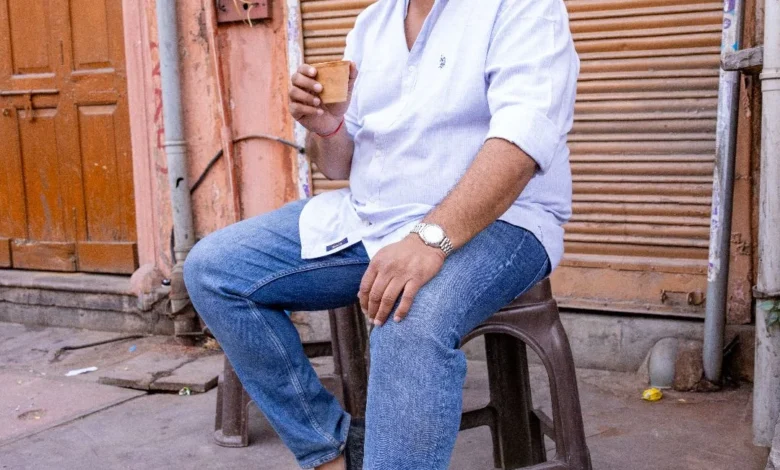
The traditional image of Indian tourism, long defined by the white marble of the Taj Mahal, the bustling markets of Delhi, and the spiritual iconography of the Ganges, is undergoing a significant transformation. As global travel trends shift toward "slow travel" and experiential immersion, the focus for international visitors is increasingly moving away from static monuments toward the lived experiences found in the country’s regional nuances, rituals, and daily interactions. Industry experts and local guides suggest that the "real India" is increasingly being discovered not in the grand architecture of its past, but in the subtle cultural pauses of its present.
According to data from the Indian Ministry of Tourism, the country saw a significant recovery in foreign tourist arrivals (FTAs) post-pandemic, with a growing percentage of travelers expressing interest in rural tourism, culinary heritage, and community-based initiatives. This shift highlights a deeper cultural layer where regionality—expressed through language, clothing, and dietary traditions—serves as the primary draw for the modern traveler.
The Evolution of Spiritual Tourism in Varanasi
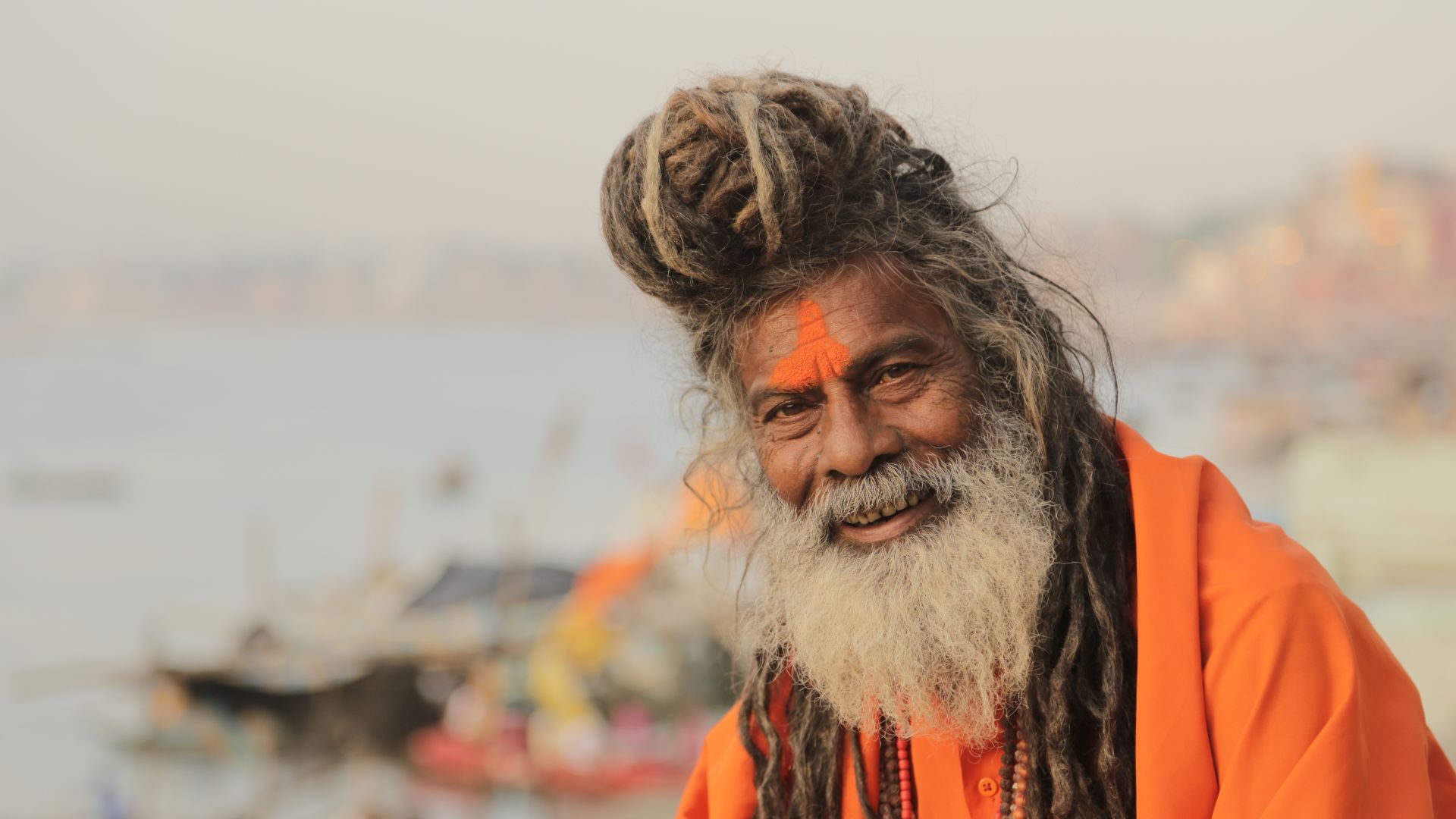
Varanasi, arguably one of the oldest continuously inhabited cities in the world, has historically been a focal point for religious pilgrimage. However, the nature of tourism in this "spiritual capital" is evolving. While the Ganga Aarti—a daily ritual of light and prayer at dusk—remains a major attraction, there is a burgeoning interest in the quietude of the city’s backstreets and the observational pace of life along the ghats.
Ankita Jaiswal, a local guide who grew up in the city, notes that the power of Varanasi lies in its smallest daily rituals. "While taking a walk in the markets, the temple bells begin to ring, incense fills the air, and shopkeepers pause to wave prayers at their doorsteps," Jaiswal explains. This practice, often overlooked by those rushing to the riverfront, represents the intersection of commerce and faith. For travelers, participating in leader-led walking tours provides a context that photography alone cannot capture, allowing for a deeper understanding of the city’s role as the capital of Hinduism.
Social Impact and the Modern Rickshaw Experience
In Jaipur, the "Pink City," the ubiquitous auto-rickshaw—a three-wheeled motorized vehicle—has been repurposed as a tool for social change. While the vehicle is a standard mode of transport for millions of Indians due to its affordability compared to private taxis, initiatives like The Pink City Rickshaw Company are leveraging it for female empowerment.
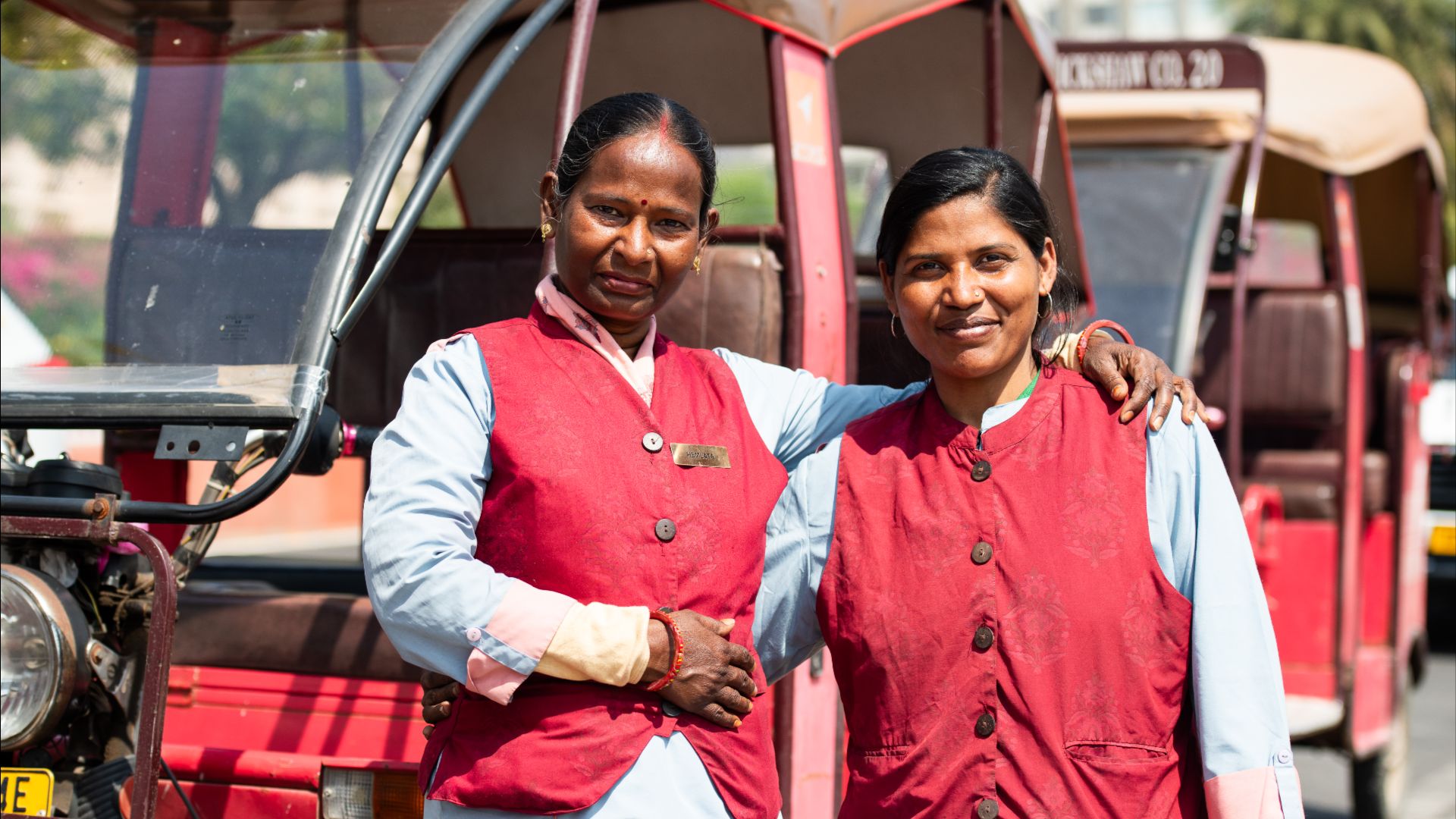
This not-for-profit organization provides employment opportunities for women from low-income households, training them as professional drivers and guides. For the international traveler, this offers a dual benefit: authentic navigation through Jaipur’s historic streets and a direct contribution to local social mobility. The "rickshaw" or "auto," as locals call them, provides a sensory-rich vantage point for viewing Jaipur’s Art-Deco architecture and vibrant street life, while facilitating direct conversations with residents who are breaking traditional gender barriers in the workforce.
Cinema as a Social Mirror: The Raj Mandir Legacy
Indian cinema, particularly the Mumbai-based "Bollywood" industry, is a multi-billion-dollar enterprise that produces more films annually than Hollywood. To understand Indian social dynamics, observers point to the cinema hall as a vital cultural venue. The Raj Mandir Cinema in Jaipur, an Art-Deco masterpiece opened in 1976, serves as a prime example of the communal nature of film-going in India.
The experience inside a 1970s-era cinema hall differs sharply from the quiet, dark theaters of the West. In India, film is a participatory event. Audiences often engage in whistling, clapping, and cheering when a hero appears on screen. During musical numbers, it is not uncommon for patrons to dance in the aisles. This level of engagement provides travelers with a unique insight into the emotional and social fabric of the country, where cinema serves as both a form of escapism and a shared cultural vocabulary.

The Economic and Cultural Significance of the Tea Journey
Agriculture remains the backbone of the Indian economy, employing nearly half of the nation’s workforce. Tea, or chai, is more than a beverage; it is a socio-economic staple. While street-side chaiwalas are a fixture of urban life, the "source-to-cup" movement has led to an increase in plantation-based tourism, particularly in the rolling hills of Munnar, Kerala.
Kuldeep Pujari, a regional expert in South Indian tourism, emphasizes that visiting a tea plantation allows travelers to participate in farming activities, particularly during the harvest season. This hands-on approach offers a rare glimpse into the agricultural labor that sustains one of India’s most famous exports. "It’s about understanding the full journey—from the terraces to the terracotta cups," Pujari states. The economic impact of this tourism is significant, as it provides supplementary income to plantation workers and helps preserve traditional farming techniques in the face of industrialization.
Culinary Traditions: The Ritual of the First Transaction
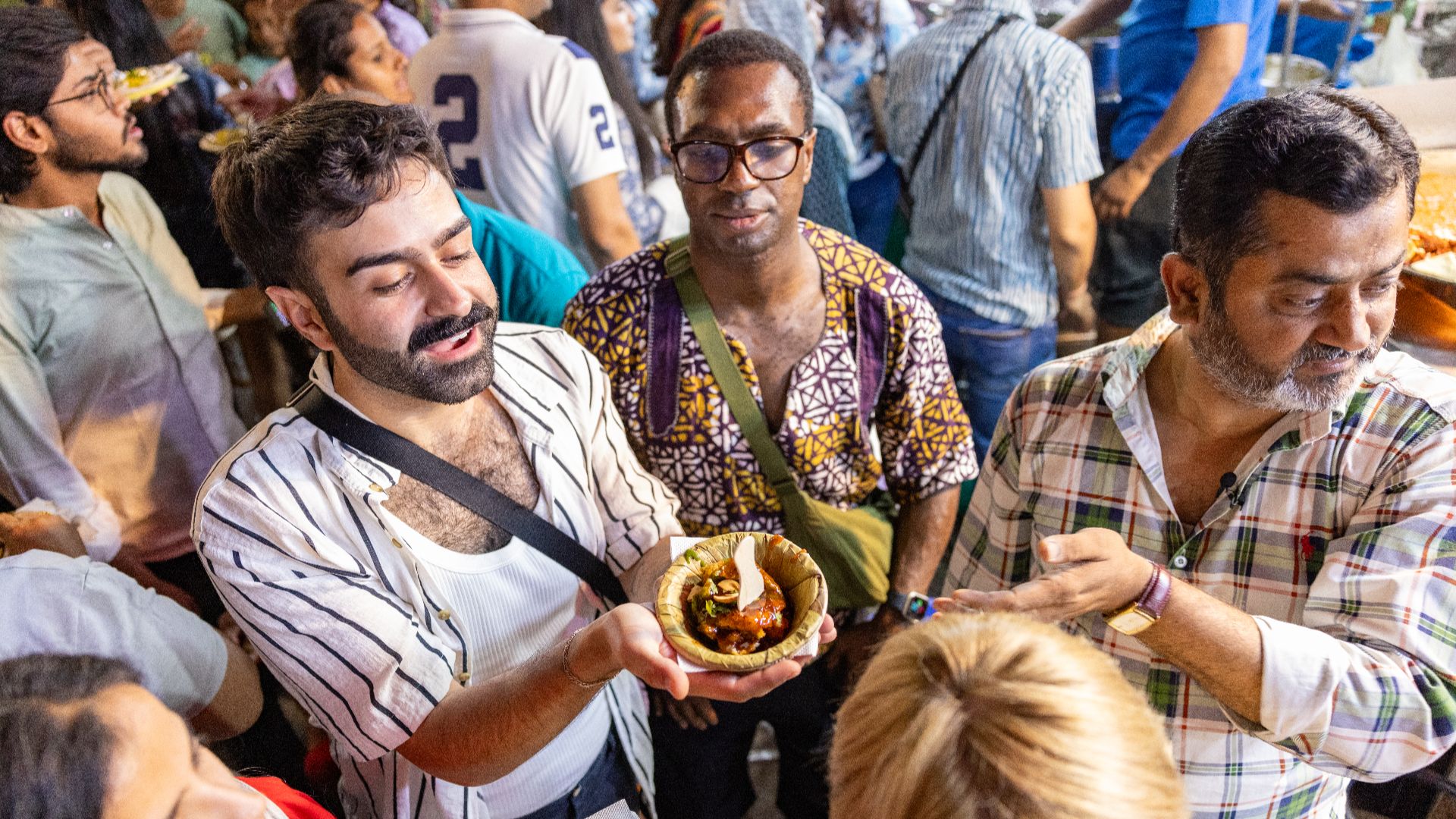
Indian street food—ranging from savory chaat and samosas to sweet lassis—is a central pillar of the tourist experience. However, the cultural significance of food often goes beyond flavor. A unique aspect of Indian commerce is the "Bohni," or the first transaction of the day.

Local guide Mahaveer Singh explains that the first sale is considered highly auspicious, believed to set the tone for the day’s prosperity. "You will often see shopkeepers blessing the item they are selling you and giving thanks when they receive the payment," Singh notes. For a traveler, being the "first customer" is a moment of mutual blessing, bridging the gap between a simple commercial exchange and a deeply rooted traditional belief system. This level of interaction is a hallmark of the "authentic" travel experience that modern tourists seek.
Reclaiming Yoga: From Physicality to Holistic Philosophy
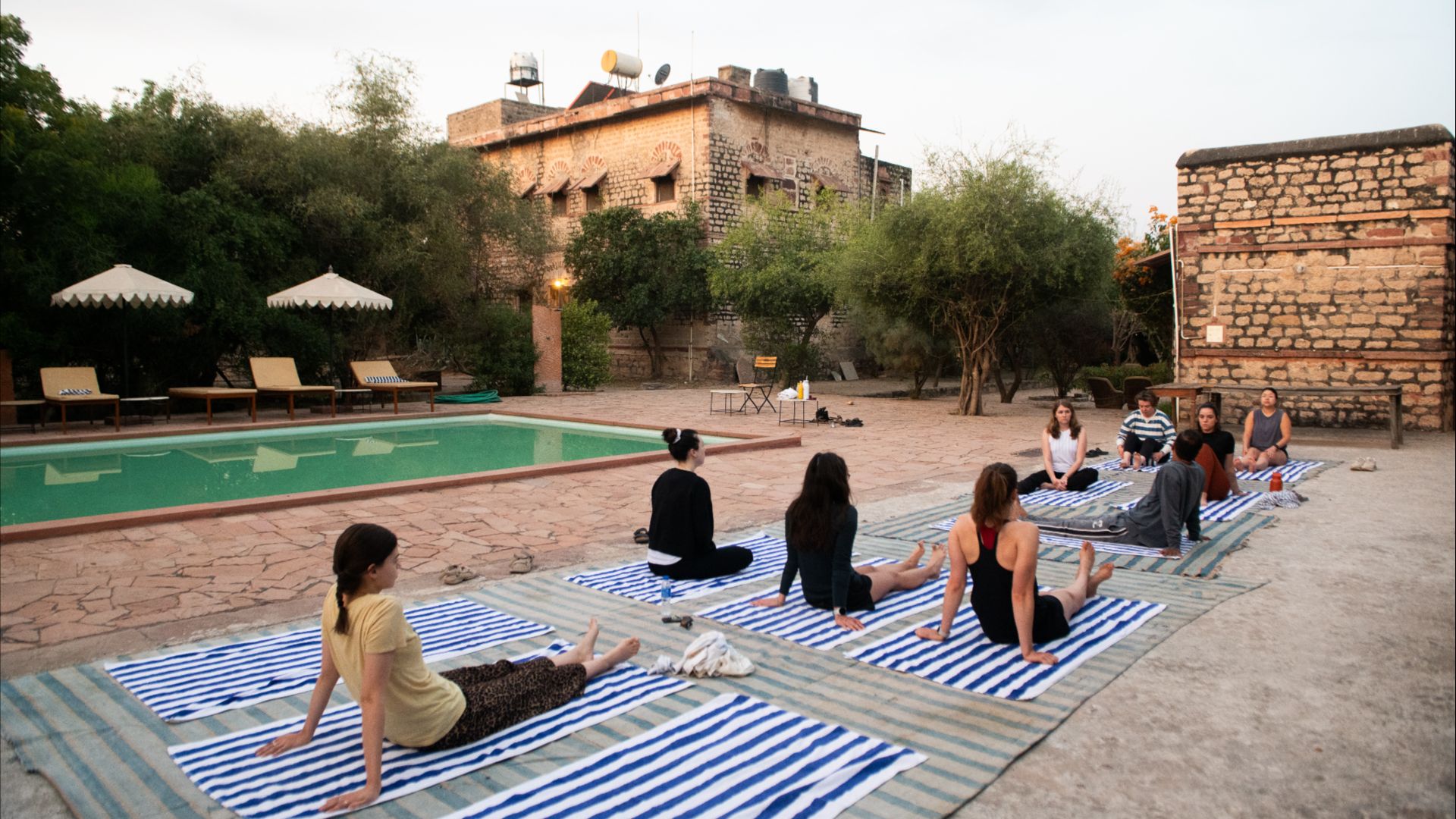
While yoga has become a global wellness phenomenon, its practice in India remains deeply tied to a holistic way of life. In the Himalayan town of Rishikesh, known as the "Yoga Capital of the World," the focus remains on the spiritual and mental aspects of the discipline—meditation, breathwork, and self-discovery—rather than the purely physical asanas often emphasized in Western studios.
The proximity to the sacred Ganges and the foothills of the Himalayas provides a geographical context that many practitioners find essential for "true" yoga. For international visitors, engaging with local teachers in Rishikesh offers a chance to decolonize their understanding of the practice, viewing it not as a workout, but as a daily ritual for inner strength and mental clarity.
Preservation of Heritage through Artisanal Craft
India’s textile industry is one of the oldest in the world, with each region boasting its own distinct weaving and embroidery styles. In villages like Chandelao, projects such as Sunder Rang are working to keep these traditional skills alive. By creating handmade textiles and teaching ancient art forms like rangoli (decorative patterns made on floors) and mehndi (henna), these initiatives provide rural women with a sustainable income.
For the traveler, these artisanal interactions offer a deeper narrative than purchasing a mass-produced souvenir. Understanding the difference between a Chikankari sari from Lucknow and a Patola weave from Gujarat requires a level of cultural literacy that is only gained through direct contact with the makers. This form of "craft tourism" is instrumental in preventing the loss of traditional knowledge and discouraging urban migration by making village life economically viable.
Slow Travel: The Keralan Backwaters and Seasonal Rhythms
The southern state of Kerala offers a stark contrast to the frenetic energy of northern India. The network of lagoons, canals, and lakes known as the backwaters has become a premier destination for "slow travel." Staying on a traditional houseboat, or kettuvallam, forces a departure from the digital world.
Historically, these boats were used to transport rice and spices; today, they serve as floating hotels that allow tourists to observe the rhythmic pace of waterside life. This form of tourism supports local fishermen and small-scale farmers while encouraging the preservation of the delicate aquatic ecosystem. Furthermore, aligning travel with seasonal festivals, such as Basant Panchami (the arrival of spring), allows visitors to witness authentic celebrations—such as kite flying in Jaipur—that are performed for the community rather than for a tourist audience.
Implications for the Future of Indian Tourism
The move toward authentic cultural immersion suggests a maturing tourism market. By focusing on "the pauses in between" monuments, travelers are fostering a more equitable and sustainable form of tourism that benefits local communities directly. The role of the local leader or guide has become more crucial than ever, acting as a cultural translator who can navigate the complexities of Indian society.
As Bhupesh Tamang, a veteran travel leader, concludes, the most memorable parts of a journey are often the everyday interactions—a conversation with a rickshaw driver, a shared cup of tea on a plantation, or a walk through a village market. These experiences, though less grand than the Taj Mahal, provide a more accurate and enduring portrait of India. The broader implication for the travel industry is clear: the future of global tourism lies in depth, not just distance, and in connection, not just sightseeing.