Beyond the Taj Mahal: Navigating the Cultural Nuances and Local Traditions of Modern India

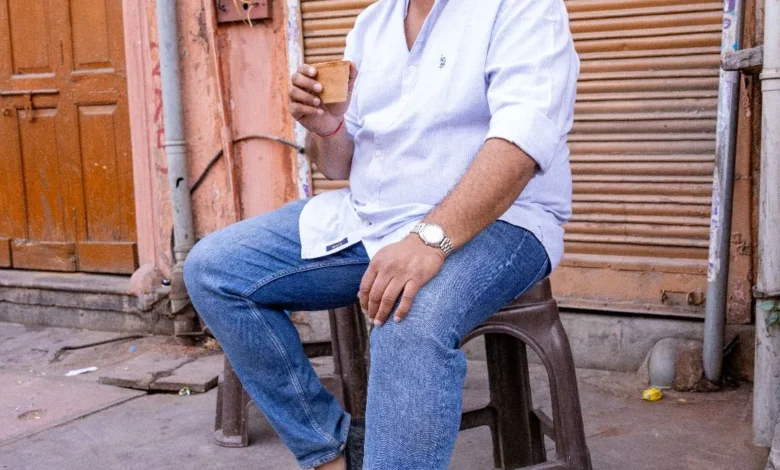
The global travel industry is witnessing a significant shift as international visitors increasingly bypass traditional "bucket-list" monuments in favor of deep-immersion, experiential tourism. In India, a country often defined by its iconic architectural landmarks like the Taj Mahal and the Red Fort, the most profound cultural connections are frequently found in the "pauses in between"—the small-scale rituals, regional culinary traditions, and local interactions that constitute the fabric of everyday life. This evolution in travel preference highlights a broader desire to understand India’s complex regionality, which spans 28 states and eight union territories, each possessing distinct languages, sartorial traditions, and social customs.
The Regionality of the Indian Identity
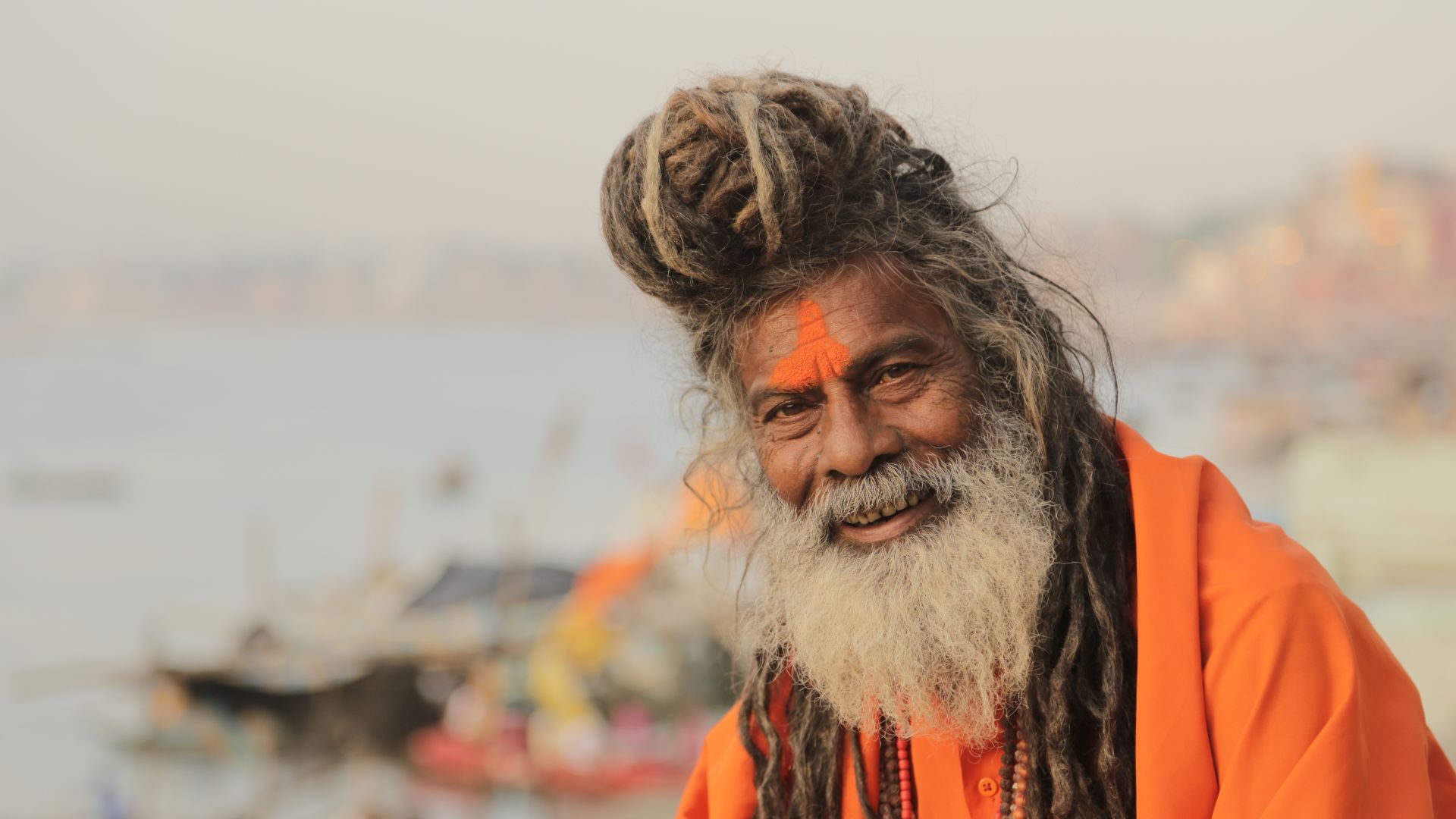
India’s cultural identity is not monolithic; it is a mosaic of regional prides. From the saffron-swathed sadhus of the northern Kumbh Mela to the tea-plucking communities of the southern Western Ghats, the country’s diversity is reflected in its smallest daily rituals. One such ritual is the drawing of rangoli—intricate patterns made of colored powder, flour, or flower petals—outside homes. While often viewed by tourists as mere decoration, these patterns hold deep-rooted spiritual significance, intended to welcome deities and signify auspiciousness.
According to Madan Singh, a local leader with Intrepid Travel, the "real India" is a living entity found in these nuanced moments. As tourism infrastructure matures, there is a growing emphasis on "slow travel," where the objective is not to cover the maximum distance, but to achieve a deeper understanding of a specific locale.
Spiritual Rhythms: The Ganges and the Himalayan Foothills
Varanasi, often cited as the spiritual capital of India, serves as a primary example of how the pace of local life offers more insight than any singular monument. While the Ganga Aarti—a daily devotional ritual involving fire and chants at dusk—is a major draw for photographers, the true essence of the city is observed through its pedestrian rhythms.
Ankita Jaiswal, a Varanasi native and travel leader, notes that the city’s power lies in its sensory transitions. At dusk, the ringing of temple bells and the scent of incense signal a momentary pause in commerce. Shopkeepers often perform brief prayers at their thresholds, a practice intended to invite prosperity. This intersection of the sacred and the commercial is a hallmark of Indian urban life.
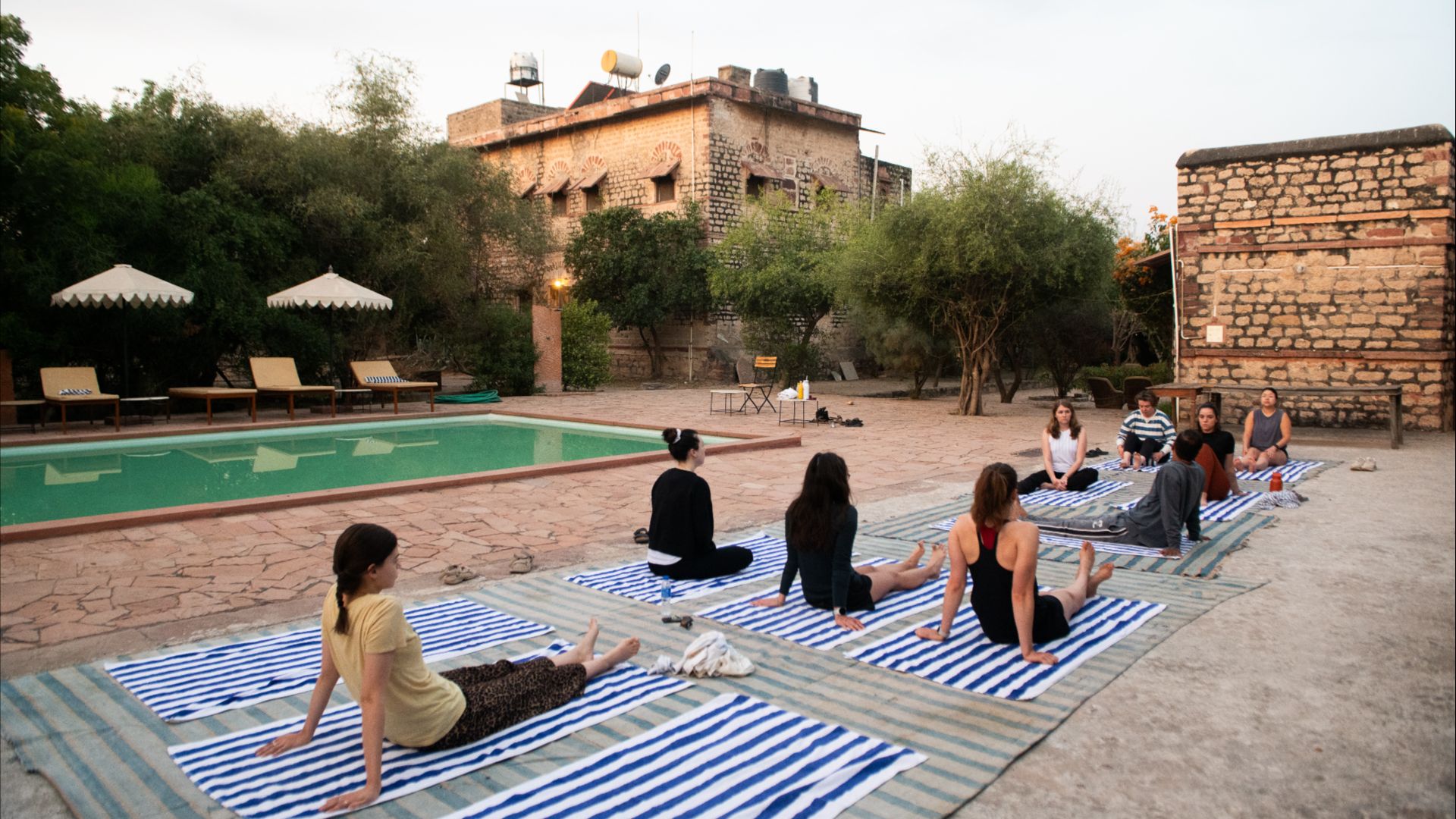
Further north, in Rishikesh, the focus shifts to the holistic heritage of yoga. While Western iterations of yoga frequently emphasize physical asanas (postures) and flexibility, the Indian tradition treats yoga as a comprehensive way of life and a daily ritual for self-discovery. Situated in the Himalayan foothills, Rishikesh remains a center for those seeking the philosophical and meditative roots of the practice, providing a stark contrast to the commercialized fitness versions found globally.
Socio-Economic Empowerment Through Urban Transit
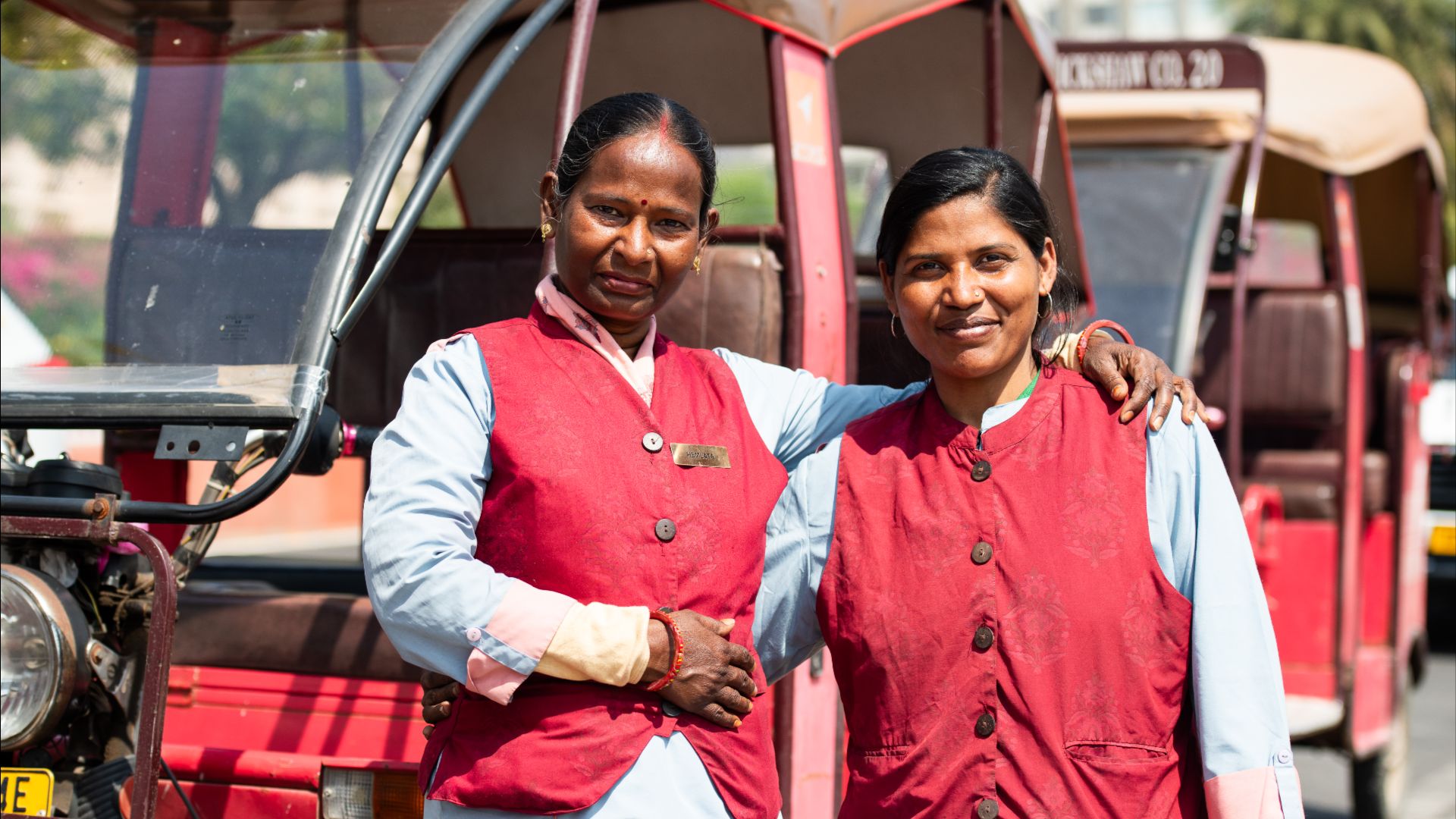
The Indian auto-rickshaw, colloquially known as an "auto" (and rarely referred to as a "tuk-tuk" by locals), is more than a novelty for travelers; it is a critical component of the country’s urban transport infrastructure. Positioned between the affordability of public buses and the higher cost of private taxis, rickshaws are the lifeblood of city transit.
In Jaipur, the "Pink City," this mode of transport has been leveraged for social change. The Pink City Rickshaw Company, a non-profit organization, provides employment opportunities for women from low-income households. This initiative addresses a significant demographic challenge in India: according to the World Bank, the female labor force participation rate in India has historically faced hurdles, and programs like these offer a pathway to economic independence. For the traveler, a ride with these drivers provides an authentic perspective on the city’s social evolution and the personal narratives of the women navigating its streets.

Cinema as a Cultural Mirror: The Bollywood Experience
India’s film industry, the largest in the world by volume of films produced, is a central pillar of national culture. Watching a Bollywood movie at a venue like Jaipur’s Raj Mandir Cinema—an Art Deco masterpiece from the 1970s—is an exercise in communal participation.
Unlike the hushed atmosphere of Western theaters, Indian cinema halls are spaces of high engagement. Audiences frequently react to the screen with whistling, clapping, and cheering, particularly during the "hero entry" or high-drama sequences. This collective experience reflects the emotional transparency of Indian social life and provides visitors with a window into the archetypes and narratives that resonate with the domestic public.
The Agricultural Backbone: Tea and Street Food Traditions
The consumption of chai (spiced black tea) is perhaps India’s most universal daily ritual. While it is available on nearly every street corner, the cultural significance of tea is best understood at its source. In the rolling hills of Munnar, Kerala, tea plantations represent both an economic engine and a historical legacy.

Kuldeep Pujari, a regional expert, emphasizes that participating in the harvest allows travelers to understand the "agricultural backbone" of the country. This hands-on connection to the land provides context for why certain foods are consumed at specific times. For instance, the combination of hot chai and pakoras (vegetable fritters) is a traditional response to the monsoon rains, illustrating how the Indian palate is inextricably linked to the seasonal climate.
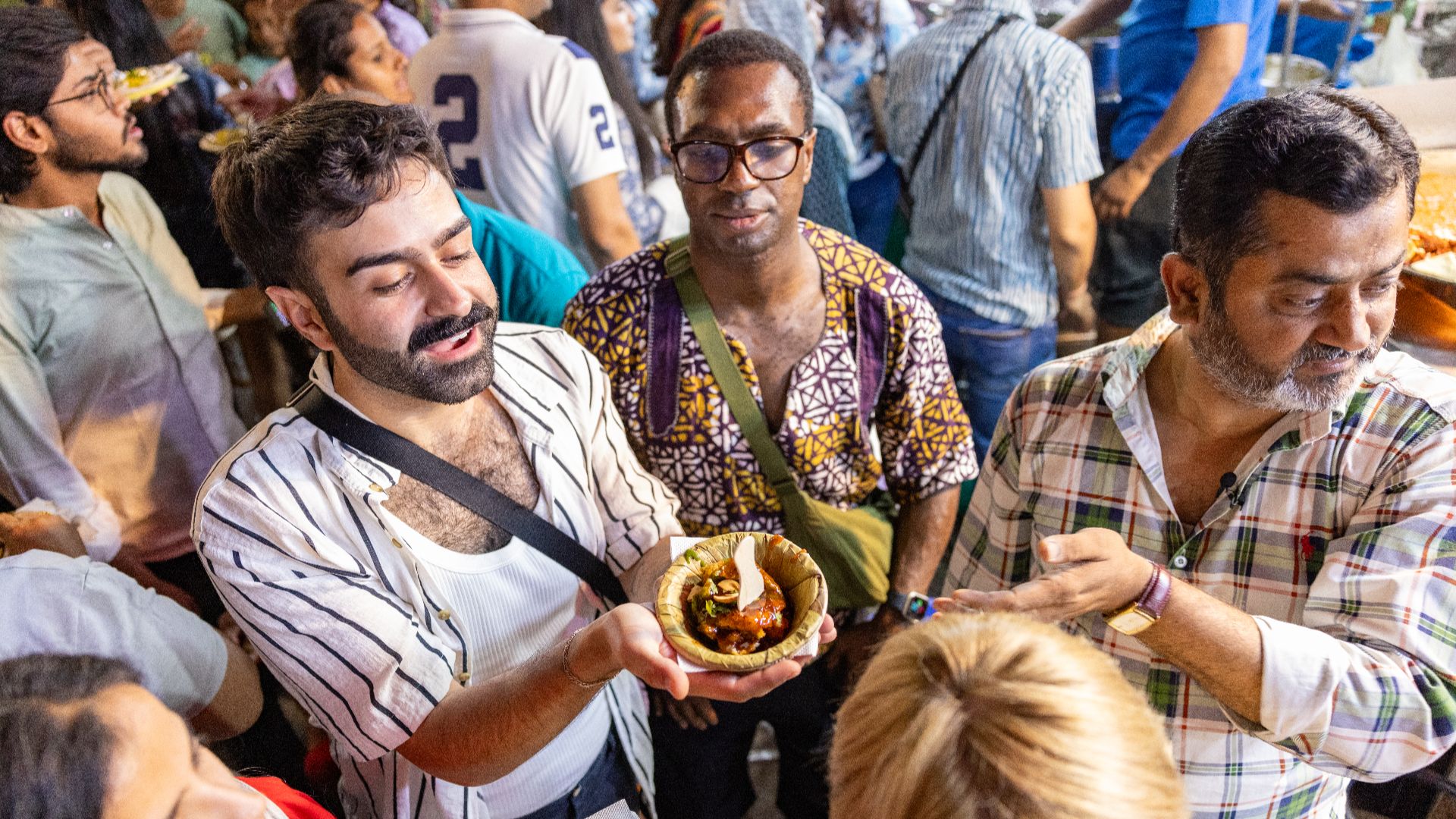
Furthermore, the "street food" culture is governed by ancient concepts of auspiciousness. Many stallholders believe the first transaction of the day, known as bohni, is a harbinger of the day’s success. It is common to see vendors bless the currency received from their first customer, a gesture that underscores the spiritual dimension of even the most mundane commercial exchanges.
Artisanal Preservation and the Textile Economy
India’s textile industry is one of the oldest in the world and remains a major contributor to the national economy, accounting for a significant portion of India’s export earnings. However, beyond the industrial scale lies a world of specialized regional crafts.
A sari is rarely just a garment; it is a geographical marker. The Chikankari embroidery of Lucknow, characterized by delicate threadwork, differs fundamentally from the Patola weaves of Gujarat, which utilize a complex double-ikat dyeing technique. Projects such as Sunder Rang in the village of Chandelao work to keep these traditional skills alive. By connecting artisans directly with visitors, these initiatives ensure that ancient techniques—such as mehndi (henna) and rangoli—are passed down through generations rather than lost to industrialization.
Slow Travel: The Backwaters of Kerala
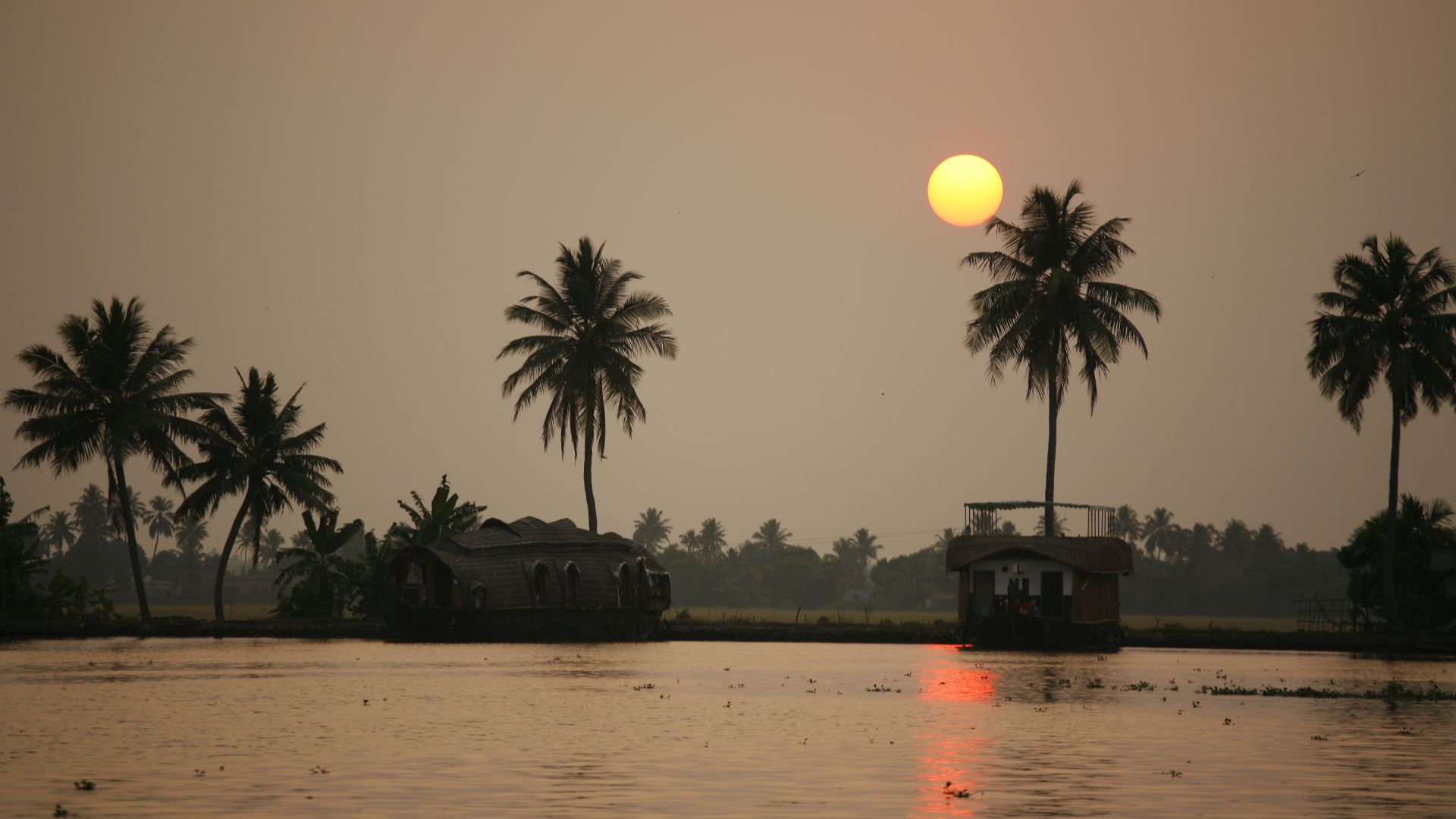
In the southern state of Kerala, the "slow travel" movement is exemplified by the traditional houseboats that navigate the region’s vast network of lagoons, canals, and lakes. Known as the backwaters, this area offers a respite from the high-velocity environment of India’s northern cities.
The backwaters are a unique ecosystem where daily life is conducted almost entirely on the water. Fishermen in vallam canoes and children playing in the shallows provide a living tableau of rural Kerala. This region is also notable for its high social development indices; Kerala boasts the highest literacy rate in India, a fact that is often reflected in the informed and hospitable nature of local interactions during village walks.
The Impact of Seasonal and Local Festivals
While Diwali (the festival of lights) and Holi (the festival of colors) are internationally recognized, India’s calendar is populated by hundreds of smaller, seasonal festivals that offer a more intimate look at local life.
One such example is Basant Panchami, which marks the arrival of spring. In cities like Jaipur, the sky becomes a battlefield for thousands of kites. Families gather on rooftops, sharing food and engaging in friendly competition. These events are not staged for the benefit of tourists; they are authentic expressions of community joy. Aligning travel schedules with these local observances allows for a connection that transcends the typical visitor-host dynamic.
Implications for the Future of Indian Tourism
The shift toward locally led, authentic experiences has profound implications for cultural preservation and economic distribution. When travelers engage with local guides, stay in community-run guesthouses, and support artisanal projects, the economic benefits of tourism are more equitably distributed.
Local leaders, such as Bhupesh Tamang, argue that the "friendliness and everyday interactions" are what ultimately define a trip to India. While the country’s monuments remain vital historical records, the "pauses in between"—the shared cup of chai, the conversation with a rickshaw driver, or the quiet observation of a riverside ritual—are the elements that foster a lasting cross-cultural understanding. As India continues to modernize, the preservation of these everyday traditions ensures that the country remains a "kaleidoscope" of human experience rather than just a collection of historical sites.