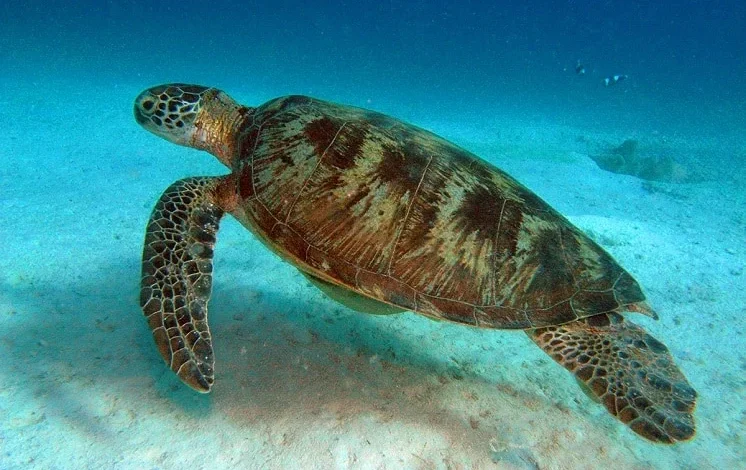
The Galapagos Islands, a volcanic archipelago situated approximately 600 miles off the coast of Ecuador, have solidified their reputation as a premier global destination for ecotourism and biological research. Known for a staggering array of endemic species that famously inspired Charles Darwin’s theory of evolution by natural selection, the islands now face the dual challenge of accommodating growing international interest while preserving one of the world’s most delicate ecosystems. In recent years, the region has seen an average of over 150,000 annual visitors, with the majority of land-based tourism concentrated on the central hubs of San Cristóbal and Santa Cruz.
To mitigate the environmental pressures associated with mass tourism, the Galapagos National Park Authority (GNPA) implemented a comprehensive set of new regulations in 2011. These mandates fundamentally restructured the itinerary frequencies and routes for cruise vessels, incentivizing operators to distribute foot traffic more evenly across the archipelago. This shift has not only protected high-traffic sites from degradation but has also elevated the profile of the "outer islands"—remote locations accessible only by sea. For the modern traveler, these regulatory changes have transformed the cruise experience from a standard sightseeing tour into a series of exclusive encounters with nature that are largely unavailable to those staying in land-based accommodations.
The Evolution of Conservation and Tourism Management
The history of the Galapagos as a protected entity began in 1959, when the Ecuadorian government declared 97% of the archipelago’s land area a national park. In 1978, UNESCO recognized the islands as the first-ever World Heritage Site. However, the rapid expansion of the tourism industry in the late 20th century necessitated more stringent controls. The 2011 GNPA regulations were designed to limit the number of times a specific site could be visited by a single vessel within a 15-day period, effectively doubling the variety of landing sites available to the cruise industry.
According to data from the Charles Darwin Foundation, these measures have been instrumental in reducing "trail crowding" and minimizing the stress placed on nesting bird colonies and marine mammal nurseries. By pushing cruises toward the edges of the archipelago, the GNPA has ensured that the economic benefits of tourism are matched by a commitment to biological "resting periods" for the environment.
1. Deep-Sea Exploration at Wolf Island
One of the most significant advantages of a small-ship cruise is the ability to reach the far northern reaches of the archipelago, specifically Wolf and Darwin Islands. Wolf Island, located roughly 100 miles northwest of Isabela, is a site of immense importance for marine biology. Because the GNPA prohibits land transitions on the island to protect its pristine state, it remains a sanctuary for pelagic species.
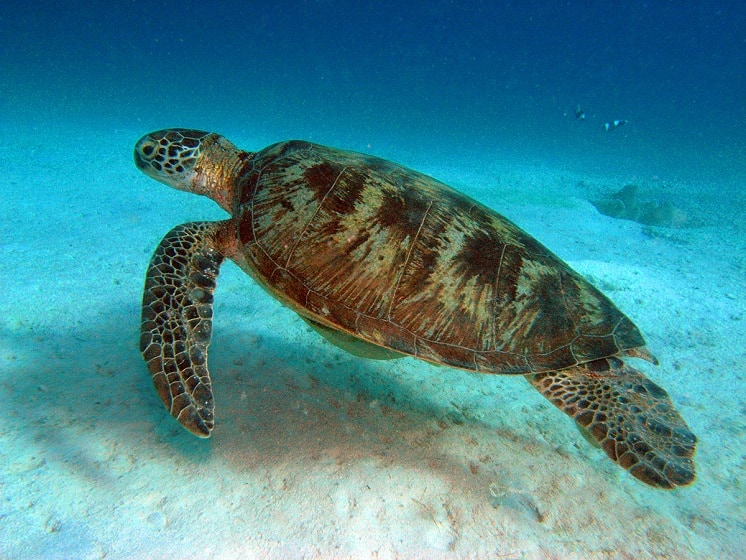
The waters surrounding Wolf Island, particularly "Shark Point," are internationally renowned among the diving community. The site serves as a critical corridor for massive Whale Sharks and serves as a congregating point for thousands of Scalloped Hammerhead Sharks. In 2016, the Ecuadorian government further protected this area by creating the Wolf and Darwin Marine Sanctuary, which covers 15,000 square miles and is off-limits to all fishing. For experienced divers, the opportunity to witness these apex predators in a high-current, nutrient-rich environment is an experience that cannot be replicated by land-based day trips, which are restricted by distance and fuel capacity.
2. Avian Diversity on Genovesa Island
Genovesa Island, often referred to as "Bird Island," offers a concentrated look at the archipelago’s unique ornithology. The island is the collapsed caldera of an extinct volcano, creating a horseshoe-shaped harbor known as Darwin Bay. Unlike the central islands, Genovesa provides a habitat for species that are rarely seen elsewhere, such as the Red-footed Booby.
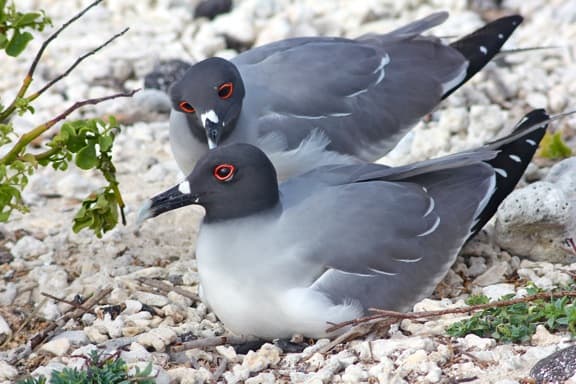
Small ship cruises allow travelers to navigate the steep cliffs of Prince Philip’s Steps, where Storm Petrels and short-eared owls can be observed in a perpetual cycle of predator and prey. Data from avian surveys indicate that Genovesa hosts one of the largest and most diverse colonies of nesting seabirds in the world. The proximity of the trails to the nesting sites allows for an intimate look at Darwin’s Finches, Swallow-tailed Gulls, and Nazca Boobies. This level of access is a direct result of the GNPA’s "low-impact" cruise model, which ensures that human presence remains a controlled variable in the birds’ reproductive cycles.
3. Human History and the Tradition of Post Office Bay
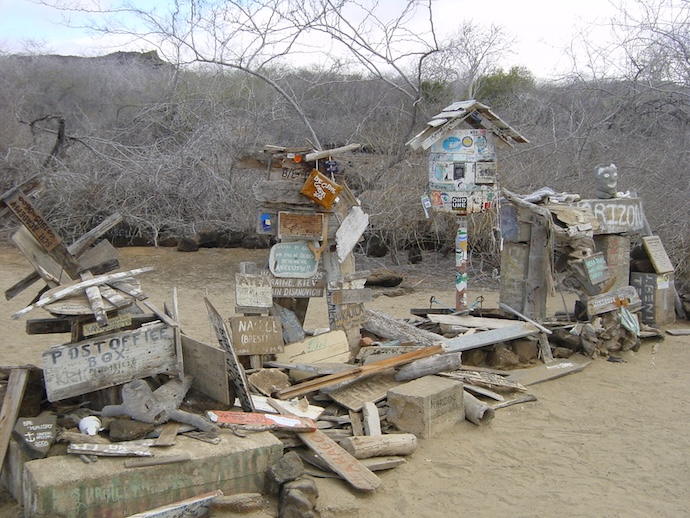
While the Galapagos is primarily celebrated for its wildlife, Floreana Island offers a compelling look at the human history of the Pacific. In the 19th century, Floreana became a vital stop for whaling vessels. Sailors established a makeshift postal system in 1793 by placing a wooden barrel at what is now known as Post Office Bay. Homesick mariners would leave letters in the barrel, hoping that a passing ship headed toward their home port would pick them up and deliver them by hand.
This tradition survives today, maintained by the cruise industry. Travelers visit the bay to sift through postcards left by previous visitors, selecting those addressed to locations near their own homes to deliver personally upon their return. Beyond this cultural ritual, Floreana is steeped in the mystery of the "Galapagos Affair," a series of disappearances and deaths among European expats in the 1930s that remains a subject of historical debate and documentary interest.
4. The Primitive Landscape of Fernandina Island
Fernandina is the youngest and most volcanically active island in the archipelago. It is often cited by conservationists as the most "pristine" island in the world because it has never been successfully colonized by invasive species like rats or goats. This lack of ecological interference makes Fernandina a living laboratory for primary succession.
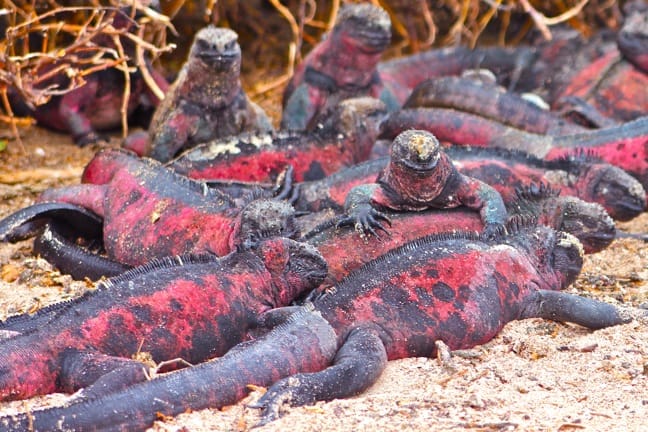
The island’s lava-strewn shores are home to the largest colony of Marine Iguanas in the Galapagos. These endemic reptiles are the only lizards in the world that have adapted to forage in the ocean, feeding on underwater algae. On Fernandina, hundreds of iguanas can be seen huddling together on black basalt rocks to regulate their body temperature after diving into the cold Pacific waters. The sight of these prehistoric-looking creatures sneezing salt from their nasal glands against a backdrop of the active La Cumbre volcano provides a stark reminder of the islands’ tumultuous geological origins.
5. Genetic Research and the Wolf Volcano
Situated on the northern tip of Isabela Island, the Wolf Volcano is the highest point in the archipelago, standing at 5,600 feet. The volcano’s isolation has led to the development of highly specific subspecies of Galapagos Tortoises. Following the death of Lonesome George in 2012—the last known Pinta Island Tortoise—scientists discovered that several tortoises living on the slopes of Wolf Volcano possessed DNA that was 50% to 90% identical to the Pinta species.
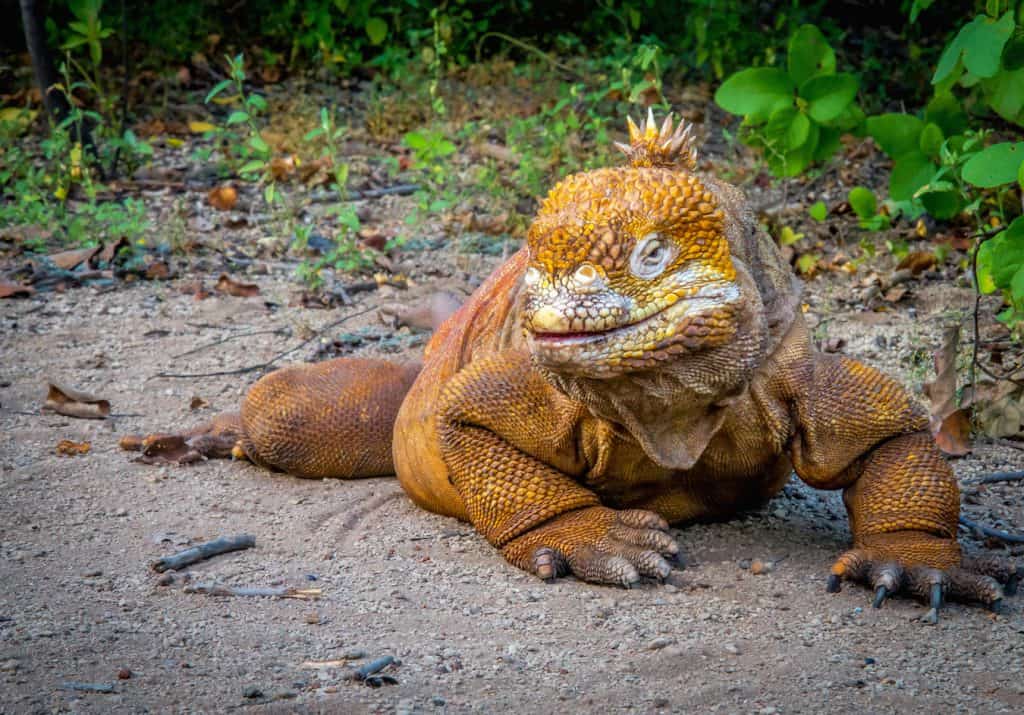
Researchers believe that 19th-century whalers may have abandoned Pinta tortoises at Isabela to lighten their ships’ loads. Today, the area is a focal point for "de-extinction" efforts led by the Galapagos Conservancy and the GNPA. Furthermore, Wolf Volcano is the exclusive home of the Pink Land Iguana, a species that was only formally described by scientists in 2009. The rarity of these sightings makes the Isabela coastline a high-priority stop for cruises focused on evolutionary biology.
6. The Humboldt Current and the Galapagos Penguin
Tagus Cove, located on the western coast of Isabela Island, serves as a testament to the archipelago’s unique oceanography. The cove is influenced by the Cromwell Current, which brings cold, nutrient-rich water to the surface. This phenomenon allows the Galapagos Penguin—the only penguin species to live north of the equator—to thrive in a tropical environment.
The population of Galapagos Penguins is estimated to be fewer than 2,000 individuals, making them one of the rarest penguin species on Earth. Cruises provide the necessary platform for snorkeling excursions in Tagus Cove, where visitors can observe these birds hunting schools of fish with remarkable speed. The cove also holds historical significance, as the surrounding cliffs are marked with the names of graffiti-carved ships from the 1800s, documenting the era of early Pacific exploration.
7. Endemism on Española Island
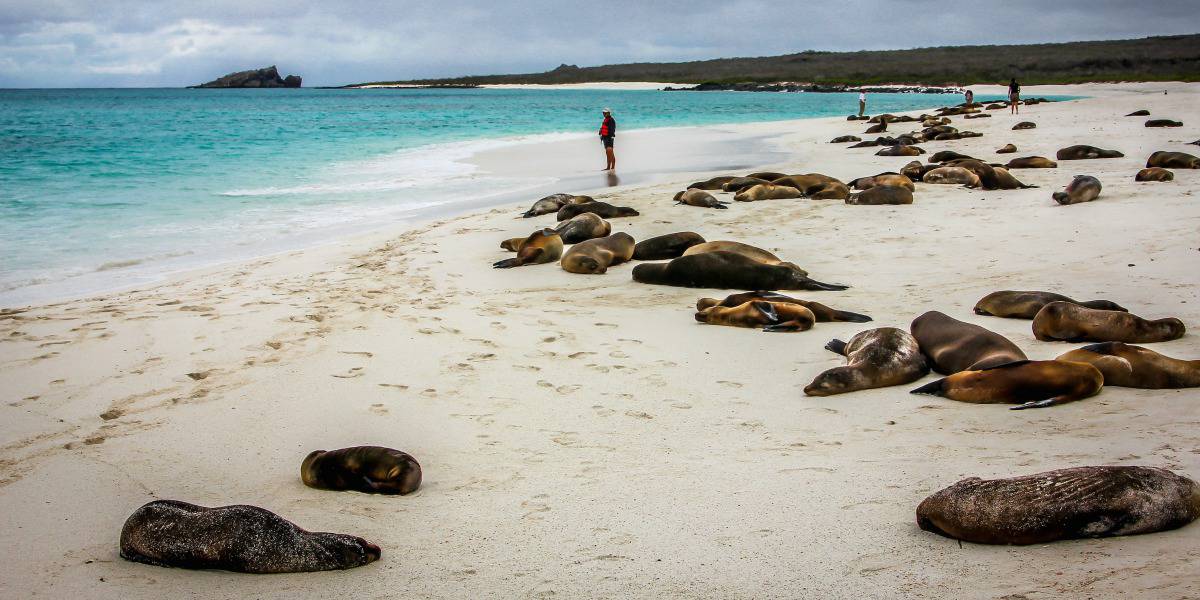
Española Island is the oldest in the chain, estimated to be approximately four million years old. Because of its extreme isolation, it has a high rate of endemism even by Galapagos standards. Gardner Bay on Española is famous for its extensive colony of Galapagos Sea Lions. Unlike other populations, the Española sea lions are known for their relative lack of fear toward humans, allowing for close-range observation of their social hierarchies and nursing behaviors.
Perhaps more significantly, Española is the primary breeding ground for the Waved Albatross. Nearly the entire global population of these birds—approximately 12,000 pairs—nests on this island between April and December. The sight of these massive birds, with wingspans reaching eight feet, launching themselves from the island’s southern cliffs is a cornerstone of the Galapagos experience that is only accessible via the regulated cruise routes established by the 2011 reforms.
Broader Implications and Future Outlook
The management of the Galapagos Islands remains a delicate balancing act. While the 2011 regulatory changes successfully diversified the tourism footprint, the threat of invasive species and climate change continues to loom. The Ecuadorian government recently expanded the Galapagos Marine Reserve by 23,000 square miles, creating a "migramar" corridor that connects with Costa Rican waters to protect migratory paths for sharks and rays.
The cruise industry, particularly small-ship operators, plays a vital role in this conservation framework. By providing a controlled, high-value/low-impact tourism model, cruises generate the revenue necessary to fund the National Park’s patrol boats and scientific research. As the archipelago moves forward, the emphasis on remote, ship-based exploration will likely remain the gold standard for preserving the integrity of Darwin’s "Enchanted Isles" while allowing the world to witness their unique biological wonders.
Related posts: