The Last Mountain to Climb: Redefining Representation and the Future of Female Exploration

In a significant move to address the historical and contemporary imbalance in the travel and adventure industry, Intrepid Travel has announced the launch of three new Women’s Expeditions to Cambodia, Bhutan, and Peru. Timed to coincide with International Women’s Day, the initiative aims to provide female travelers with unique, safe, and culturally immersive experiences while highlighting the persistent lack of visibility for female explorers in mainstream narratives. Despite centuries of women breaking records and traversing the globe, the "explorer" archetype remains overwhelmingly male—a phenomenon often described as the "last mountain to climb" for gender equality in the outdoors.
The challenge of female representation in exploration is not merely a matter of modern marketing but is rooted in a deep-seated historical erasure. While names like Sir Edmund Hillary, Roald Amundsen, and Ernest Shackleton are household staples, their female contemporaries often require a concerted effort to uncover. Professional explorers and journalists, including Laura Holt, note that while women have been present in every age of discovery, their stories were frequently relegated to the footnotes of history, omitted from official records, or dismissed by the male-dominated press of their time.
A Chronology of Exclusion and the Struggle for Recognition
The history of formal exploration is inextricably linked to the military and academic institutions of the 19th and early 20th centuries, most of which were strictly male-only environments. To understand the current lack of visibility, one must look at the timeline of the world’s most prestigious exploration societies. The Royal Geographical Society (RGS), founded in 1830, did not admit women as permanent members until 1913. Even more striking is the record of The Alpine Club, the world’s oldest mountaineering club, which barred women from membership until 1974.
This exclusion meant that for 117 years, the Alpine Journal—the definitive record of mountaineering achievements—rarely covered female-led expeditions in any official capacity. Consequently, the achievements of pioneers like Isabella Bird, who became the first woman elected to the RGS, or Gertrude Bell, who played a pivotal role in the archaeology and politics of the Middle East, were often viewed as anomalies rather than part of a broader movement.
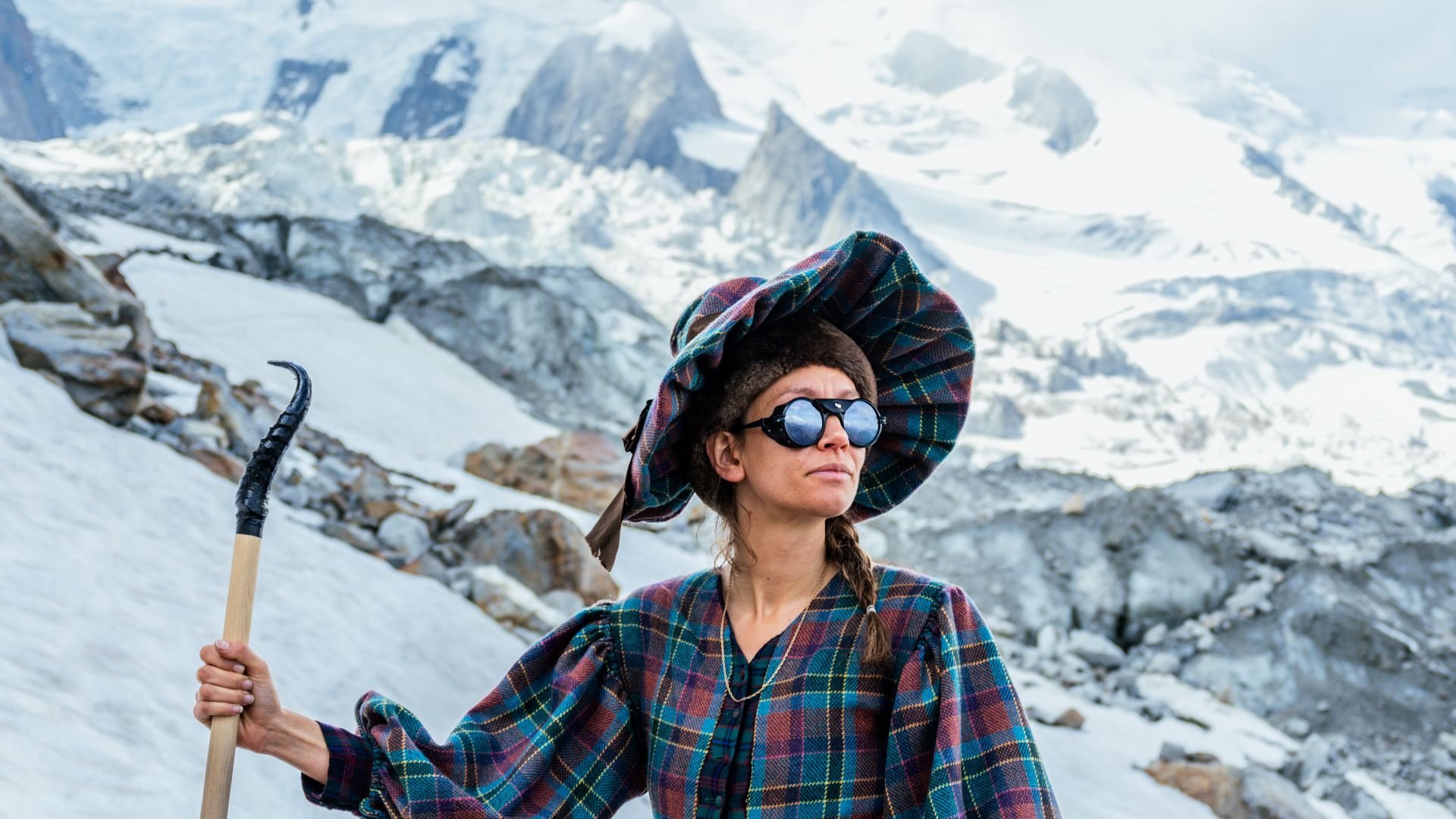
Modern explorers are now working to reverse this trend. Lise Wortley, through her "Woman with Altitude" project, has documented the stories of over 150 forgotten female adventurers. Wortley’s work involves physically recreating historic journeys using period-accurate gear—such as yak-wool coats and wooden backpacks—to honor the grit of her predecessors. By retracing the steps of Alexandra David-Neel in India and Freya Stark in Iran, Wortley aims to provide the press coverage and recognition these women were denied a century ago.

Cultural and Structural Barriers in the 21st Century
While historical exclusion laid the foundation for the current visibility gap, contemporary female explorers face a different set of hurdles. These range from cultural expectations in their home countries to systemic issues like "passport privilege" and financial disparities.
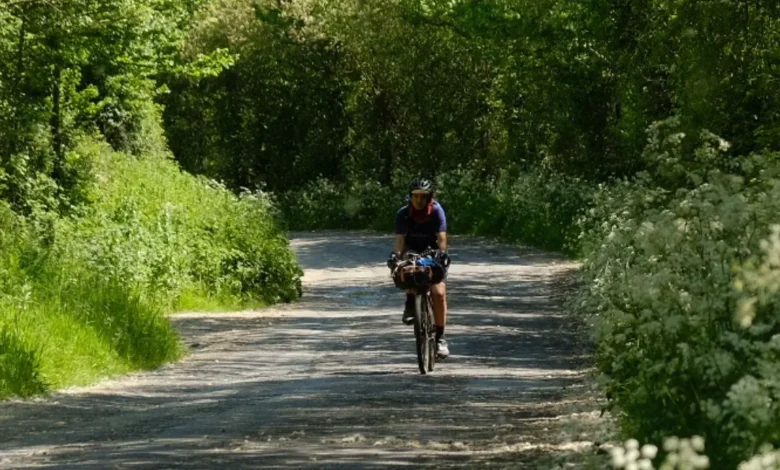
Vedangi Kulkarni, an Indian-born ultra-cyclist who became the youngest woman to cycle solo around the world, highlights the cultural resistance many women still face. Growing up in Pune, Maharashtra, Kulkarni noted that her desire for adventure was often met with overprotectiveness or the view that women are "second-class citizens" in the outdoor space. Her success was made possible only through the support of an ally—her father—who encouraged her to ride across the Indian Himalayas at age 17.
However, even after achieving world-class feats, Kulkarni points to "passport privilege" as a major barrier to global representation. The strength of a traveler’s passport often dictates their ability to participate in international events or film shoots. Kulkarni has frequently faced visa refusals due to her Indian passport, a barrier rarely encountered by her peers from Western nations. This geopolitical reality often limits the diversity of voices in the global adventure community, ensuring that the most visible explorers remain those from privileged economic and racial backgrounds.

The Financial Gap and the Media Lens
The financial logistics of exploration further complicate the path to representation. For an expedition to gain mainstream visibility, it often requires a film crew, guides, and marketing support, which can quadruple the cost of the journey. Lise Wortley notes that while a solo climb of Mont Blanc might cost £5,000, turning that climb into a visible media project requires significant investment—funds that are disproportionately directed toward male-led projects.
This financial disparity is echoed in the media industry. Beki Henderson, an expedition film producer and RGS fellow, points to a systemic bias in what is commissioned for television. A 2023 report from "We Are Doc Women" revealed that only 24% of directors in UK factual television were women in the 2021/22 period. This lack of diversity behind the camera influences the types of stories that are told on screen.
According to Henderson, the traditional "adventure" narrative is often defined through a male lens: record-chasing, conquering the landscape, and enduring physical hardship. Women, she argues, often approach adventure with a focus on depth, connection, and cultural immersion. Because mainstream media frequently prioritizes the "Bear Grylls" style of survivalist content, woman-led shows are often dismissed as "softer" or less marketable, despite a growing audience appetite for diverse storytelling.

Redefining Adventure: Data and Implications
The push for better representation is supported by shifting demographics in the travel industry. According to data from the Adventure Travel Trade Association (ATTA), women make up a significant and growing portion of the adventure travel market, often outnumbering men in the "soft adventure" and "cultural immersion" sectors. Furthermore, studies indicate that women make approximately 80% of all travel decisions, representing a massive economic force that the industry can no longer afford to ignore.
Intrepid Travel’s decision to expand its Women’s Expeditions is a direct response to this data. These trips are designed to foster economic empowerment by employing female guides, supporting women-owned businesses, and visiting communities where traditional tourism often excludes women. For example, in Bhutan, the expedition focuses on the lives of Buddhist nuns, while in Cambodia, it highlights female survivors of the Khmer Rouge who have turned to traditional weaving to rebuild their communities.
The broader implication of this shift is a fundamental redefinition of what "adventure" means. By moving away from the "conqueror" narrative, the industry is opening up space for a more inclusive definition that values sustainability, community impact, and emotional resilience.

The Future of the Narrative: From Mainstream to Democratized Media
As traditional media outlets slowly catch up, female explorers are increasingly turning to democratized platforms like YouTube, Instagram, and TikTok to tell their stories. Digital creators such as Lucy Shepherd, Lizzie Daly, and Eva zu Beck have bypassed traditional gatekeepers to build massive audiences, often employing women-only or indigenous production teams.
This shift to digital platforms allows for a more authentic representation of the challenges women face, including discussions on safety, biological realities, and the balance of family life—topics that were historically treated as taboos or signs of weakness. Cecilie Skog, the prolific Norwegian mountaineer who conquered the Seven Summits and trekked across Antarctica, has spoken openly about the constant questioning she faced regarding motherhood and her personal life, questions rarely posed to her male counterparts. By addressing these issues head-on in books and online content, Skog and others are providing a roadmap for the next generation of girls.
Conclusion: A New Era of Exploration
The launch of new expeditions and the rising voices of female adventurers suggest that the "last mountain" of representation is finally being scaled. However, achieving true parity will require more than just individual feats of endurance; it will necessitate a systemic overhaul of how stories are funded, recorded, and broadcast.

The goal is not to diminish the achievements of male explorers but to ensure that the history of human discovery is told in its entirety. As the adventure community becomes more diverse at the grassroots level, the pressure on mainstream institutions and media to reflect this reality will continue to mount. By supporting female-led expeditions and celebrating the names of those who were once "written out" of history, the travel industry can ensure that the image of the adventurer is no longer limited to a single archetype, but is as diverse as the landscapes being explored.