Decoding the Backpacking Sodium Dilemma: How Much Salt Do You Really Need on the Trail

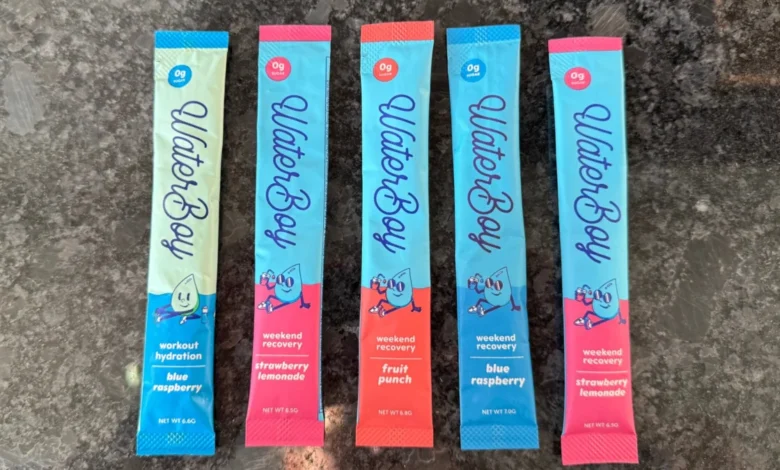
The nutrition label on a standard freeze-dried backpacking meal can be startling for health-conscious outdoor enthusiasts, frequently revealing sodium contents exceeding 1,500 milligrams per single-serving pouch. This single meal accounts for roughly two-thirds of the broad dietary limit of 2,300 milligrams per day recommended for most adults by the American Heart Association. Yet, this high-sodium profile exists in sharp contrast to the physical realities of multi-day backpacking, where hours of strenuous exertion under heavy loads cause hikers to expel substantial amounts of water and essential electrolytes through perspiration.
This paradox creates a complex nutritional puzzle for backcountry travelers. While everyday dietary guidelines warn against excessive sodium consumption to protect cardiovascular health, the immediate demands of endurance hiking introduce variables like sweat rates, fluid balance, and caloric expenditure. Understanding how to navigate trail nutrition requires a careful examination of baseline food choices, physiological differences in sweat composition, and the actual mechanics of hydration and electrolyte replacement.
The Great Backpacker Menu Discrepancy
To understand how dietary sodium accumulates in the backcountry, nutritionists and outdoor researchers frequently analyze the cumulative impact of multi-day meal plans. A comparative study of two realistic backpacking food menus—each designed to provide approximately 3,150 calories and weighing roughly 23 ounces in dry weight—demonstrates a staggering variance in sodium content.
Menu #1, featuring items such as a Mountain House Breakfast Skillet, Pop Daddy Garlic Parmesan Pretzels, a Starkist Tuna Salad pouch, and Mountain House Beef Lasagna, totals an astonishing 5,190 milligrams of sodium. Conversely, Menu #2—comprising a Backpacker’s Pantry Oatmeal, Snyder’s Honey Mustard Pretzels, peanut butter, and a Good To-Go Pad Thai—delivers an identical caloric and weight profile while containing just 1,830 milligrams of sodium.
This near-3,500-milligram divergence occurs long before a hiker mixes a single commercial electrolyte packet into their water bottle. The variance stems from brand-to-brand formulations and product selections, proving that two hikers carrying identical quantities of food can ingest vastly different amounts of salt. Rather than indicating that one meal plan is inherently superior, this data highlights the necessity of auditing trail provisions to understand baseline nutritional intake before attempting to supplement electrolytes.
Physiological Realities: Sweat, Exertion, and Electrolytes
The human body relies heavily on sodium to regulate fluid balance, maintain normal nerve conduction, and facilitate muscle contractions. However, the rate at which an individual loses sodium during physical activity varies dramatically. Scientific literature indicates that sweat sodium concentrations can range anywhere from 230 to 1,600 milligrams per liter of sweat.
These losses are dictated by a complex matrix of environmental and physiological factors, including ambient temperature, exercise intensity, clothing choices, individual heat acclimatization, and personal physiology. Consequently, total mileage or hours on the trail offer little insight into an individual’s actual electrolyte depletion. Furthermore, losing a specific quantity of sodium through perspiration does not translate to an exact, one-to-one replacement requirement. Human homeostatic mechanisms regulate internal balances, meaning that habitual hourly consumption of commercial electrolyte mixes often fails to account for actual sweat rates, fluid volume intake, or the sodium already present in solid food.
Evaluating Health Implications: Daily Limits Versus Trail Exertion
Public health organizations consistently advocate for restricted sodium intake to mitigate the long-term risks of hypertension, stroke, and cardiovascular disease. Chronic overconsumption of sodium stiffens blood vessels and strains renal function over years of sedentary or moderate living. In the short term, excessively salty meals can cause temporary fluid retention, acute bloating, and intense thirst. For individuals managing pre-existing medical conditions such as hypertension or chronic kidney disease, these physiological limits remain critical considerations even while navigating wilderness environments.
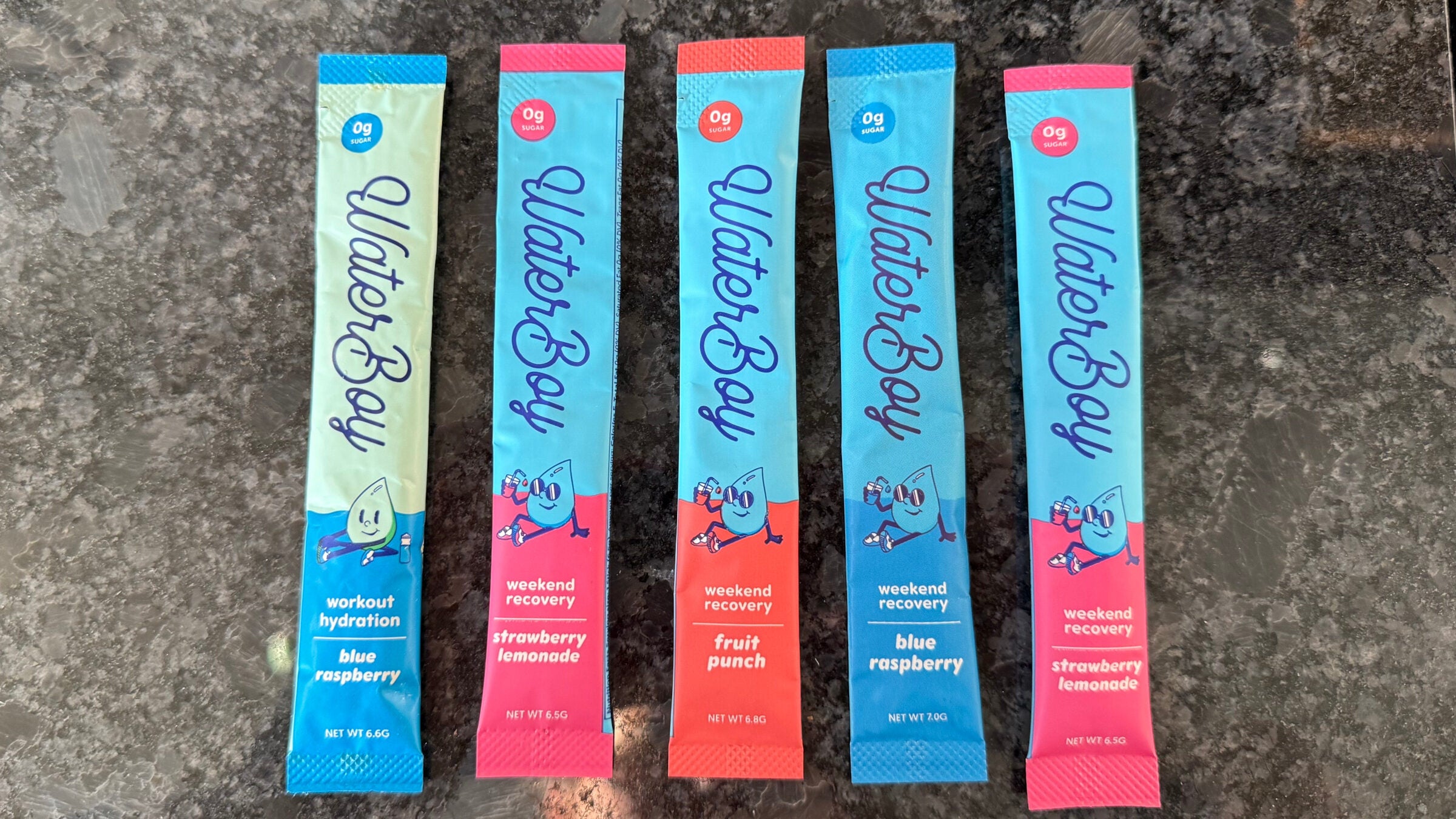
Nevertheless, sports dietitians and wilderness medicine experts emphasize that the metabolic demands of a grueling multi-day backpacking trip differ fundamentally from a sedentary lifestyle. Heavy, sustained sweating alters the body’s mineral requirements. While this does not grant a free pass to consume limitless sodium or justify indiscriminate supplementation, it underscores the importance of context. The human body processes nutrients differently under conditions of high caloric output and thermal stress, requiring a nuanced approach that separates chronic dietary habits from acute expedition nutrition.
The Role of Timing and Food Distribution
The timing of sodium ingestion plays a vital role in maintaining electrolyte equilibrium during long treks. Many backpackers commit the error of consuming minimal sodium throughout a 10-hour day of strenuous climbing, relying solely on water to sustain them, only to ingest a massive bolus of sodium via a high-sodium freeze-dried dinner at camp.
While that evening meal assists with post-exertion recovery and fluid retention, it leaves the body under-resourced during the actual hours of peak physical output. Distributing salty snacks—such as pretzels, nuts, cheese, or jerky—throughout the day provides a steady stream of electrolytes, reducing reliance on emergency supplementation at the end of the day. Conversely, hikers whose menus are naturally low in sodium, or those who experience suppressed appetites while climbing at high altitudes, may find electrolyte-infused beverages a practical solution. The central objective is ensuring consistency between what the body expends and what food and drink collectively supply.
Dispelling Myths Surrounding Exercise-Associated Hyponatremia
A persistent misconception in outdoor recreation is that comprehensive sodium replacement will definitively prevent Exercise-Associated Hyponatremia (EAH)—a potentially fatal condition characterized by dangerously low blood sodium levels. According to the Wilderness Medical Society, the primary driver of EAH is the excessive consumption of hypotonic fluids (water or sports drinks) relative to total bodily losses, frequently exacerbated by the body’s natural tendency to retain water during prolonged endurance efforts.
While significant sweat sodium losses can contribute under specific conditions, merely consuming electrolyte supplements will not protect a hiker who is chronically overdrinking. Medical authorities advise hikers to drink according to natural thirst cues, rely on personal experience in similar thermal conditions, and incorporate salted foods during extended warm-weather excursions.
Wilderness medicine protocols caution that common symptoms such as headaches, fatigue, nausea, and muscle cramps are poor diagnostic indicators for specific electrolyte deficiencies, as they stem from multiple physiological causes. If a hiker or expedition partner exhibits severe signs of cognitive confusion, repeated vomiting, seizures, or physical collapse during or immediately following exertion, immediate emergency medical intervention is required, rather than remedial adjustments to water or salt intake.
Broader Impact and Recommendations for Backpacker Nutrition
Ultimately, modern sports science suggests that chasing precise, milligram-accurate replacement targets offers little proven enhancement to endurance performance. Standard guidelines such as the 1,500-milligram adequate intake or the 2,300-milligram upper limit serve as general population benchmarks rather than prescription formulas for backcountry expeditions.
Navigating nutrition in the wilderness ultimately relies on individual self-awareness and preparation. By tracking dietary patterns, monitoring environmental conditions, and observing how the body responds to varying food menus over time, outdoor enthusiasts can develop personalized nutritional strategies. This measured approach eliminates the anxiety of tracking every single grain of salt while ensuring safe, sustainable performance on the trail.