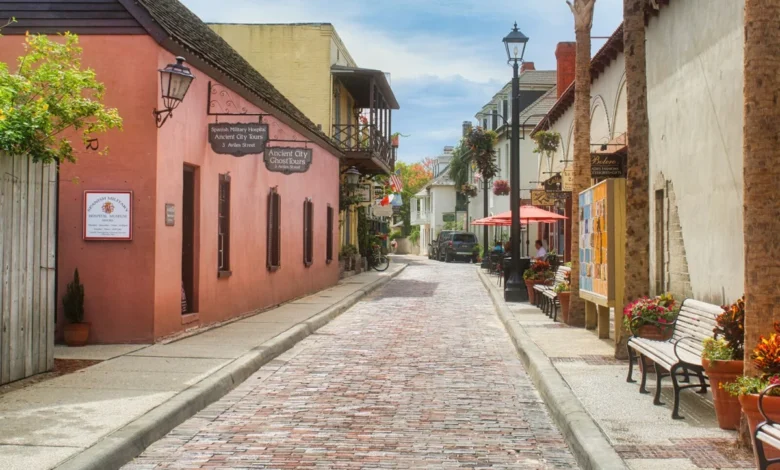
St. Augustine, the oldest continuously occupied European-established settlement in the continental United States, has transformed itself into a premier destination for live music through the annual Sing Out Loud Festival. While the city is historically recognized for its 1565 founding by Pedro Menéndez de Avilés and its colonial Spanish architecture, the contemporary cultural landscape is increasingly defined by a sophisticated, decentralized music infrastructure. The festival, which utilizes a variety of venues—from historic taverns and independent breweries to purpose-built concert halls—serves as a primary engine for local economic and artistic development.
The Mechanics of a Decentralized Festival
The Sing Out Loud Festival operates on a model that integrates performance art directly into the urban fabric. Unlike centralized, fenced-in music festivals that isolate attendees from the host city, this event relies on the existing topography of St. Augustine. By utilizing spaces like Hornski’s Brewing Company and the arcade-focused venue Sarbez!, the festival encourages a fluid movement of patrons through the historic district.
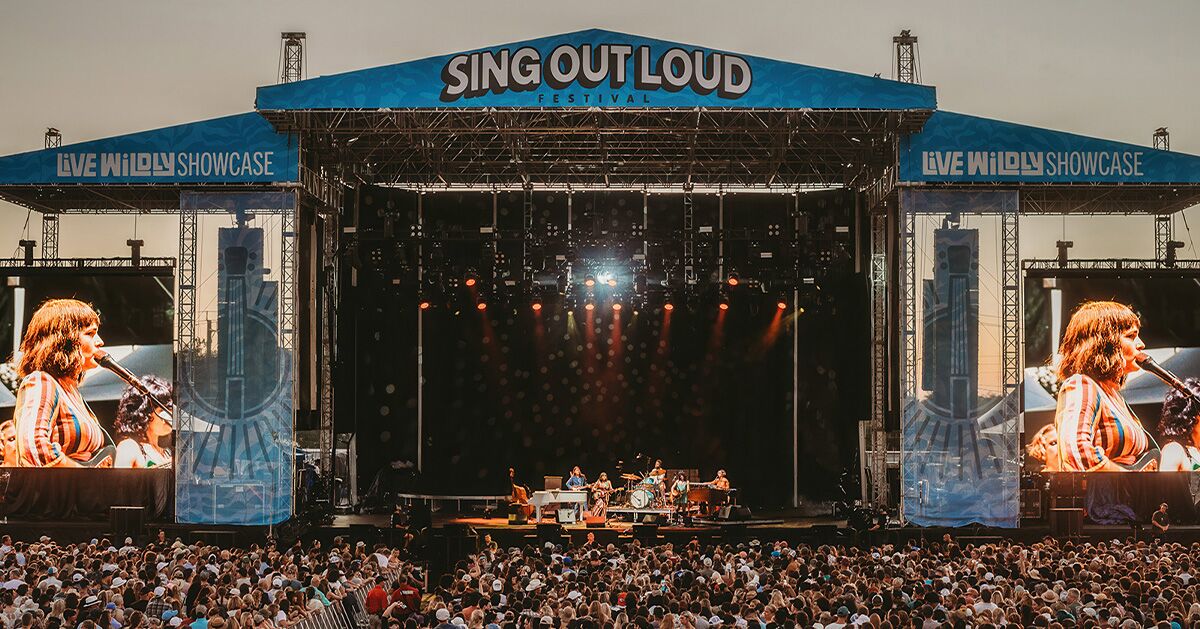
Data suggests that this decentralized approach provides a tangible boost to local hospitality businesses. By embedding stages in bars, restaurants, and public parks, the festival ensures that foot traffic is distributed across various commercial corridors. This strategy serves a dual purpose: it mitigates the logistical strain of mass-gathering events while simultaneously exposing visitors to a wider range of the city’s historic and modern assets.
Chronology and Evolution of the Music Scene
The festival’s structure has evolved significantly since its inception. While local showcases currently define the September calendar, organizers have scheduled a shift for the primary Francis Field Showcase, which will transition to a May timeline beginning in 2027. This change reflects a broader strategy to balance tourist traffic throughout the year, capitalizing on the more temperate spring climate to enhance the outdoor performance experience.
The evolution of St. Augustine’s music scene is anchored by two major facilities: the Ponte Vedra Concert Hall and the St. Augustine Amphitheatre. The Ponte Vedra Concert Hall, originally constructed in 1980 as a community center for the Palm Valley Baptist Church, underwent a comprehensive $12.9 million expansion that concluded in August 2025. The project increased the venue’s footprint from 10,500 square feet to 25,500 square feet, adding a balcony and modernizing acoustic systems. According to regional arts officials, this expansion was driven by a fan-led initiative to improve capacity and intimacy, allowing the venue to seat 615 for theater-style performances or accommodate 1,100 in a standing configuration.
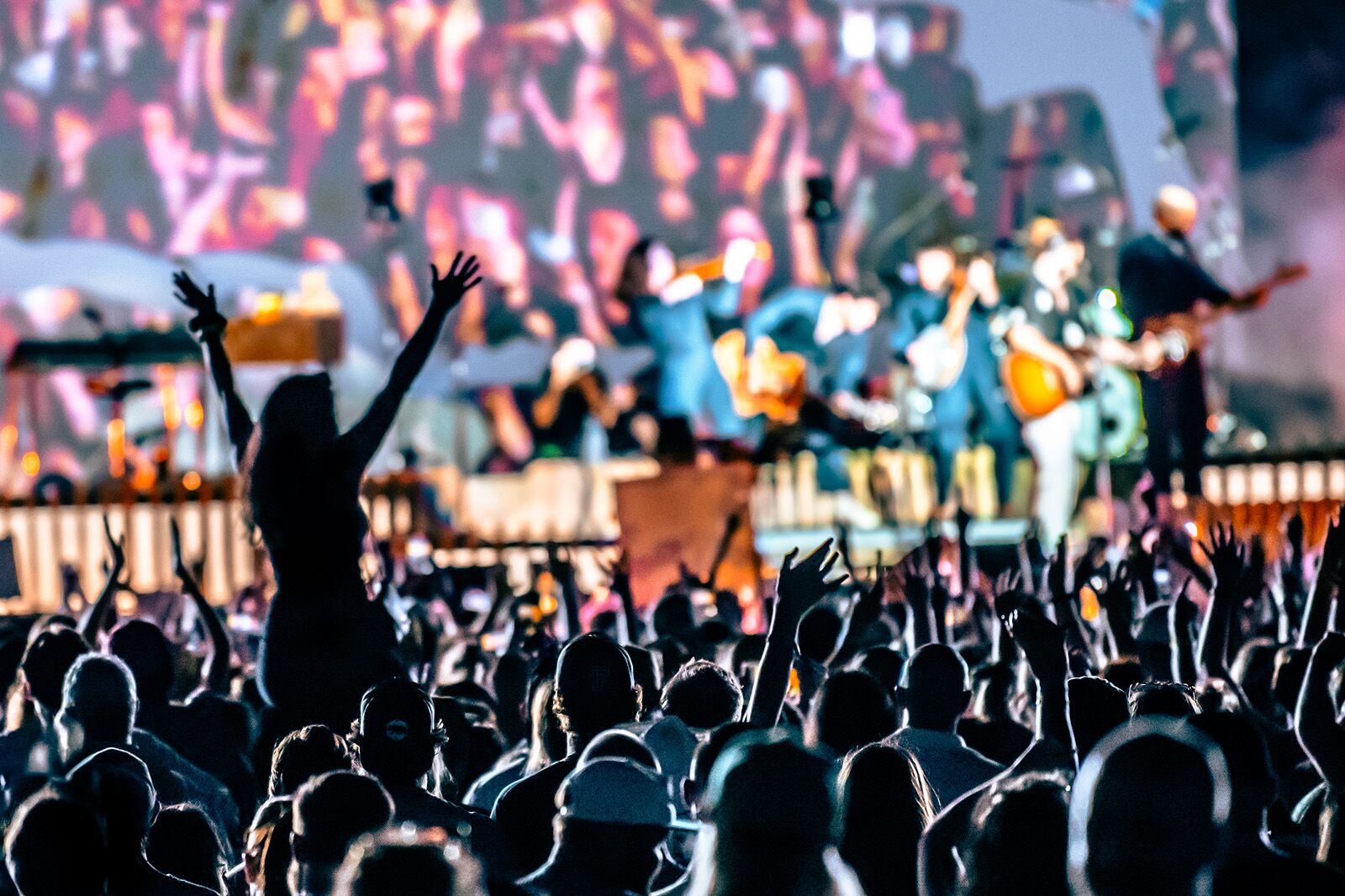
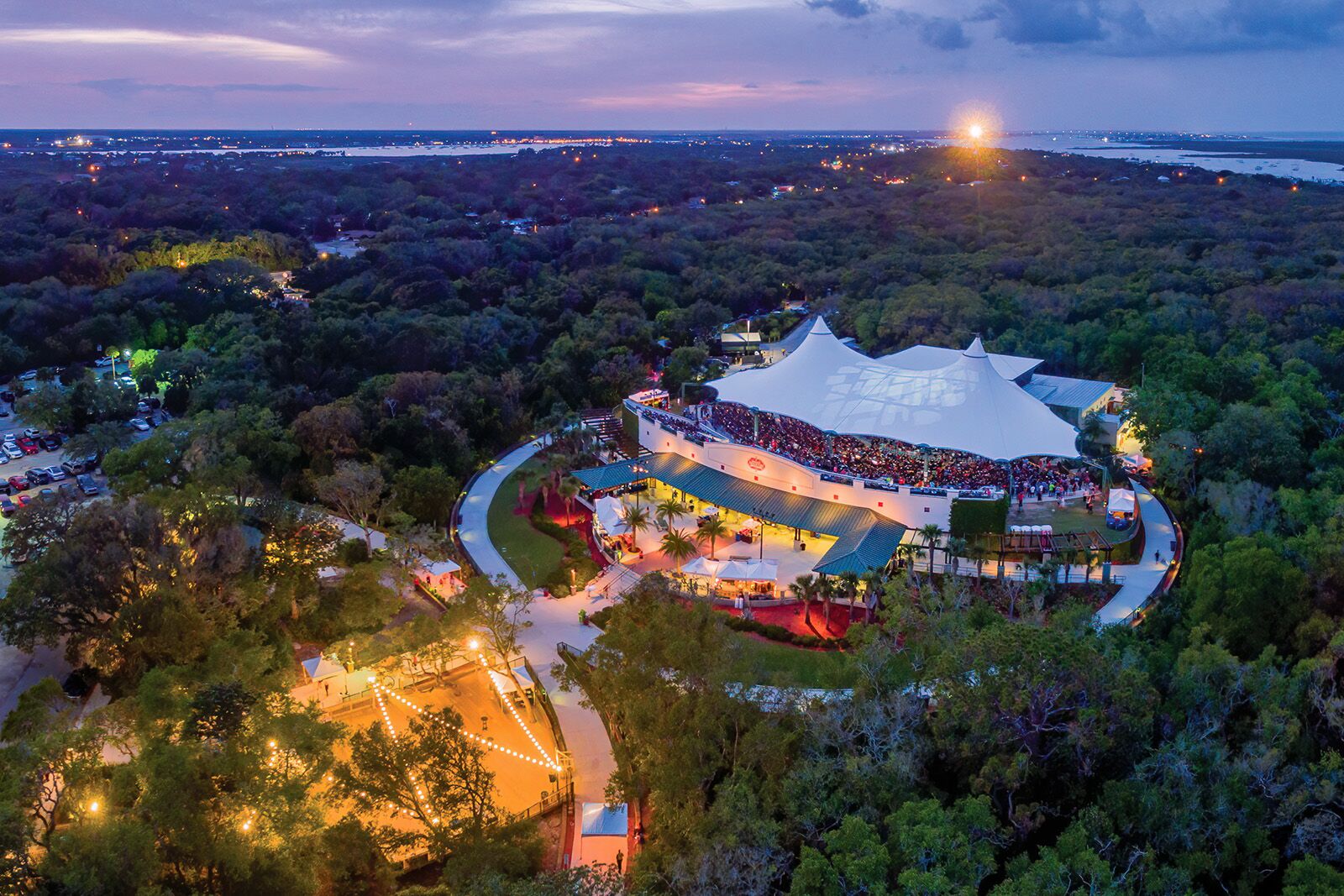
The St. Augustine Amphitheatre, or "The Amp," represents the city’s heavyweight performance venue. Positioned within the natural ecosystem of Anastasia State Park, it has hosted a diverse array of international talent, ranging from legendary acts like Bob Dylan and Stevie Nicks to modern comedy headliners. By maintaining an open-air design surrounded by protected state park greenery, the venue preserves a uniquely Floridian aesthetic that distinguishes it from the industrial-style arenas found in larger metropolitan areas.
Historical Context and Cultural Integration
St. Augustine’s history is a multifaceted narrative that extends beyond its European colonial roots. The city’s identity is inextricably linked to the Timucuan people, who inhabited the region long before 1565. The Fountain of Youth Archaeological Park serves as a critical site for understanding this history, with excavations revealing evidence of the village of Seloy. Modern researchers emphasize the importance of acknowledging the displacement and colonial disruption faced by Indigenous populations during the Spanish missionary era.
Furthermore, the city hosts the legacy of Fort Mose, established in 1738 as the first legally sanctioned free Black community in what is now the United States. This site, located north of the city, serves as a poignant reminder of the early resistance to enslavement. The integration of this history into the local cultural calendar, most notably through the Fort Mose Jazz & Blues Series held in February, serves to contextualize contemporary music within a broader narrative of freedom and perseverance.
Strategic Infrastructure and Economic Impact
The city’s tourism and arts strategy relies on the walkability of the historic district. Spanish colonial planners, who designed the city in a grid pattern around the Plaza de la Constitución, inadvertently created a layout that favors pedestrian movement. By encouraging visitors to walk between venues rather than relying on trolley tours, the city fosters a more immersive experience that highlights the wrought-iron balconies, coquina architecture, and hidden courtyards that characterize the district.
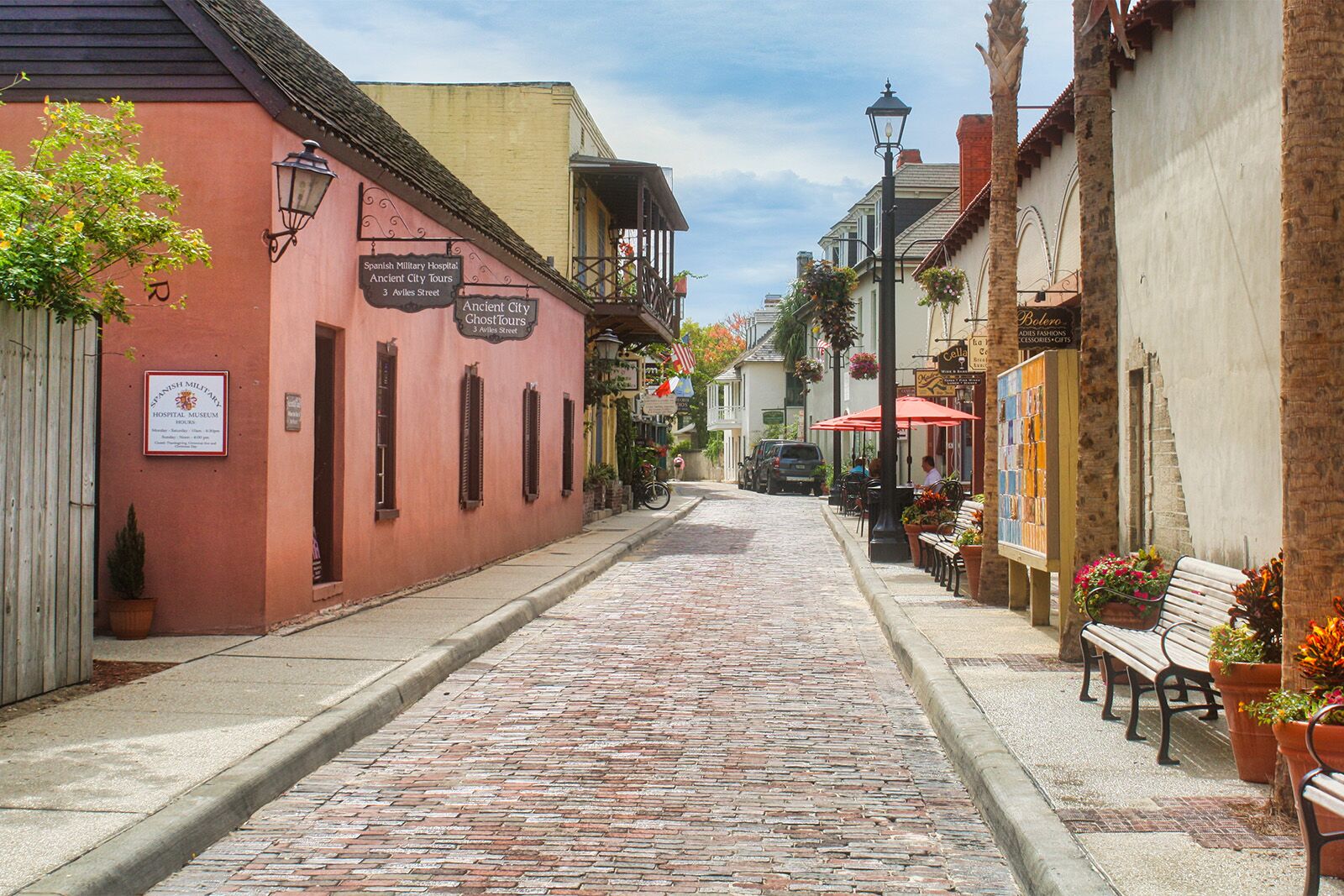
The development of the arts scene is further supported by dedicated hubs like Aviles Street, which serves as the core of the city’s arts district. This area, along with the Uptown San Marco neighborhood, functions as a living gallery for local, national, and international artists. The presence of academic institutions such as Flagler College, which operates the Crisp-Ellert Art Museum, ensures that the arts scene remains intellectually rigorous and connected to global contemporary discourse.
Official Perspectives on Venue Growth
Representatives from the St. Augustine Amphitheatre and the Ponte Vedra Concert Hall suggest that the success of these venues is predicated on the "intimacy of scale." Even as capacity has increased at the Ponte Vedra location, the design philosophy remains centered on proximity between the artist and the audience. Officials note that this closeness is a primary factor in attracting high-profile performers who prefer the acoustic and atmospheric quality of these regional halls over the impersonal nature of massive stadiums.
The logistical planning for these events also emphasizes sustainability and local engagement. The farmers market hosted at The Amp on Saturdays acts as a vital intersection for local agriculture and cultural consumption, ensuring that the economic benefits of major events are shared with local vendors and artisans.
Broader Implications for Urban Tourism
The success of St. Augustine as a music-centric destination provides a model for other historic cities attempting to diversify their tourism portfolios. By moving beyond the "one-day historic stop" paradigm, St. Augustine has managed to increase the average length of stay for its visitors. The diversification of programming—ranging from September’s free showcases to the February jazz series—effectively flattens the tourism peak and encourages repeat visitation.
The challenge for the city remains the preservation of its historic integrity while accommodating modern technological and infrastructure requirements. The delicate balance between maintaining the structural legacy of the 18th-century grid and providing high-end, modern concert experiences requires ongoing collaboration between city planners, historic preservationists, and arts organizations.
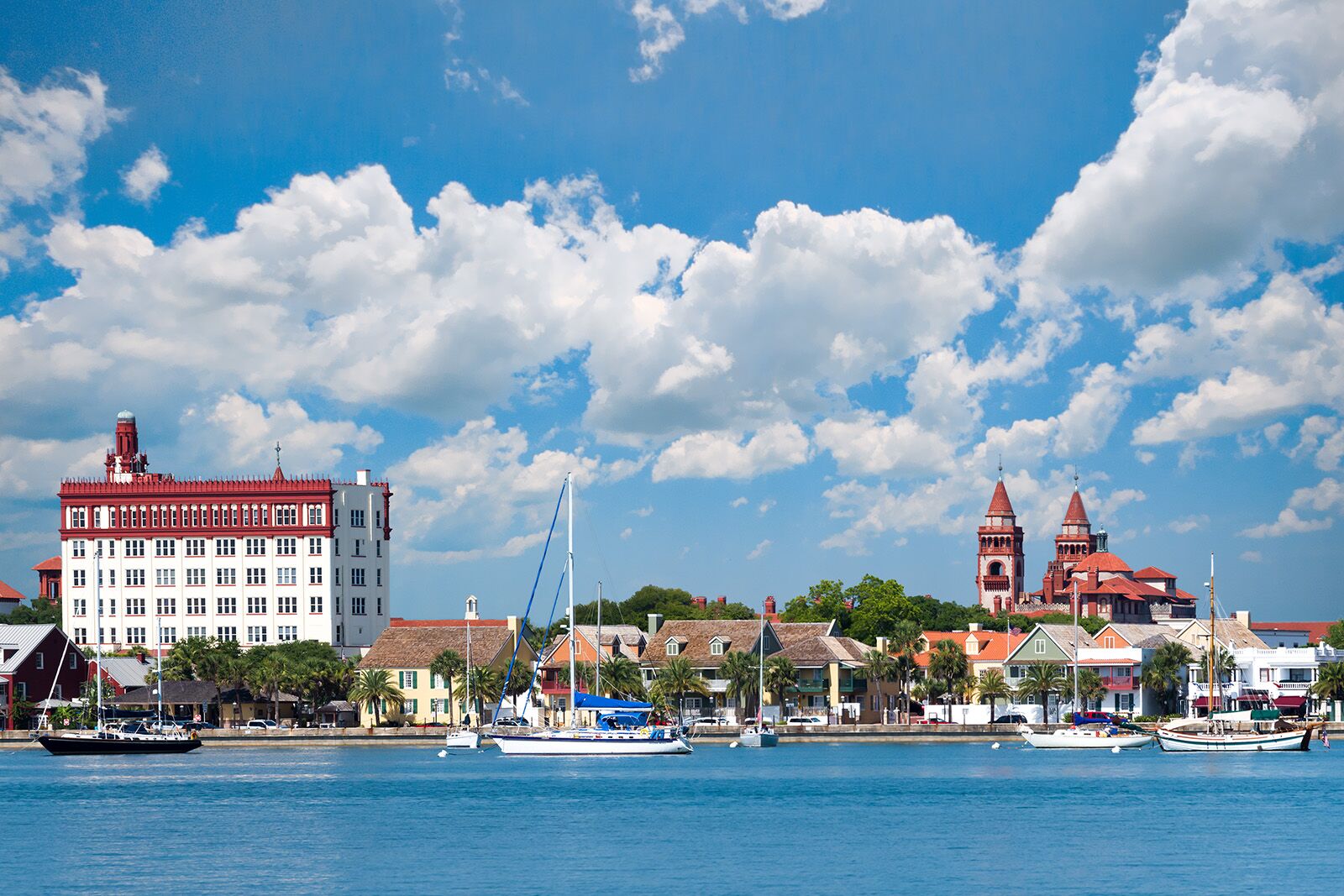
As the city looks toward 2027 and the restructuring of its major festival components, the focus remains on leveraging its unique combination of colonial history, natural beauty, and contemporary performance standards. For the visitor, the experience is not merely one of watching a show; it is an engagement with a city that treats its history as a living, breathing component of its current cultural expression. Whether one is walking the coquina streets of the historic district or attending a concert under the canopy of the state park, the message from St. Augustine is clear: the city is no longer just a museum of the past, but a deliberate participant in the future of the performing arts.