Journeys to the World’s Most Remote Inhabited Places: A Deep Dive into Isolation and Untamed Beauty

The allure of the truly remote, places where civilization’s footprint is light and nature reigns supreme, continues to captivate the human spirit. These destinations, often characterized by arduous travel, sparse populations, and breathtaking, untouched landscapes, offer an experience far removed from the demands of modern life. From the South Pacific’s volcanic outcrops to Greenland’s icy expanses and Australia’s vast arid plains, a select few locations offer a profound connection with the planet’s wilder side. This exploration delves into some of the most isolated inhabited places on Earth, examining their unique challenges, enduring appeal, and the intrinsic value of preserving their pristine environments.
Pitcairn Islands: Echoes of Mutiny in the South Pacific
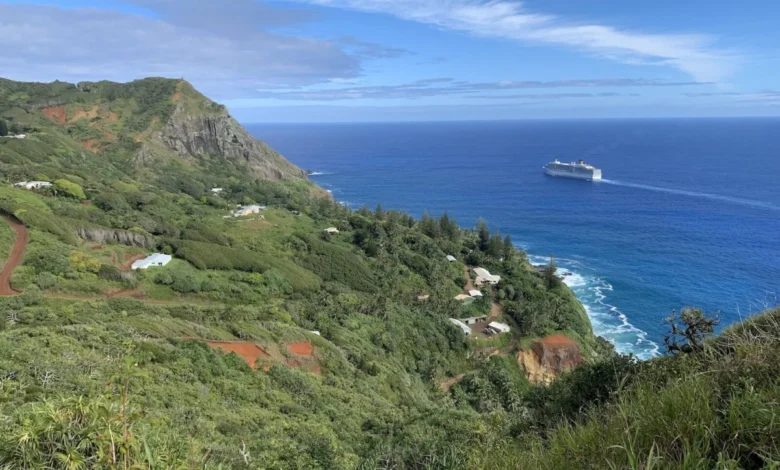
Nestled in the vast expanse of the South Pacific Ocean, the Pitcairn Islands stand as a testament to human resilience and isolation. With a permanent population fewer than 50 individuals, this British Overseas Territory is a realm where connectivity is measured in sea miles rather than digital signals. The journey to Pitcairn is an undertaking in itself, a pilgrimage for the determined traveler. Access is not granted by air; instead, visitors must first fly to Tahiti in French Polynesia, then embark on a secondary flight to Mangareva. From Mangareva, a supply ship undertakes a demanding, approximately 32-hour voyage across the Pacific, a passage that underscores the profound remoteness of this island paradise.
The reward for such an arduous journey is an encounter with dramatic volcanic cliffs that plunge into crystal-clear waters, and night skies so dark they reveal the cosmos in unparalleled clarity. The island’s history is as compelling as its geography. The current inhabitants are largely descendants of the mutineers from HMS Bounty and their Tahitian companions, a unique heritage that has fostered a distinct cultural identity. Activities on Pitcairn are intrinsically tied to its natural surroundings: hiking across its rugged terrain, observing whales in their migratory paths, snorkeling amidst vibrant coral reefs, and simply immersing oneself in the rhythm of life in one of the world’s most secluded communities. This is not a typical vacation; it is an expedition into a vanishing corner of the globe, a chance to disconnect and experience a profound sense of solitude. The island’s isolation has also meant a slower pace of technological adoption, with limited internet access and a reliance on satellite communication, further enhancing the feeling of being in a different era.
Ittoqqortoormiit, Greenland: Where Wildlife Outnumbers Humanity
In the northeastern reaches of Greenland lies Ittoqqortoormiit, a settlement that redefines the concept of remoteness. Reaching this community of fewer than 350 inhabitants is a significant logistical challenge. Most travelers begin by flying through Iceland to eastern Greenland, followed by a helicopter transfer to the isolated outpost, or by seasonal boat when the formidable sea ice recedes. The surrounding landscape is a domain of the wild, where polar bears, musk oxen, seals, and narwhals vastly outnumber the human population.
The seasonal rhythm dictates life in Ittoqqortoormiit. During the harsh winter months, dog sleds remain an essential mode of transportation, a tradition deeply embedded in the local culture and an effective way to navigate the snow-covered terrain. As summer arrives, the landscape transforms with nearly perpetual daylight, offering opportunities for kayaking amidst colossal icebergs or embarking on cruises through Scoresby Sund, the world’s largest fjord system. The celestial spectacle of the Northern Lights frequently graces the skies throughout much of the year, providing a breathtaking backdrop to the immense wilderness. The absence of crowds ensures that every encounter with Greenland’s raw beauty feels intensely personal, offering a profound connection to nature that is increasingly rare in the modern world. The community’s reliance on traditional hunting and fishing practices further solidifies its unique cultural heritage, a way of life intrinsically linked to the unforgiving yet awe-inspiring environment.
Shetland Islands, Scotland: Subarctic Serenity and Viking Roots
Located at the northernmost tip of Scotland, the Shetland Islands present a subarctic archipelago of striking beauty and profound tranquility. Comprising hundreds of islands, 15 of which are uninhabited, the Shetlands offer ample opportunities to escape the clamor of civilization. The islands’ natural therapeutic qualities have even gained recognition from medical professionals, with long walks, bird-watching, and simple communion with nature being prescribed for individuals seeking respite from chronic illnesses. In this landscape, where one can wander through vast moorlands or claim an entire beach for oneself, the restorative power of nature is palpable.
The islands’ proximity to the Arctic Circle, approximately 400 miles south of the Arctic Circle, means visitors should be prepared for bracing conditions, particularly outside the warmer summer months. July, the warmest month, typically sees average temperatures around 54°F (12°C). However, a winter visit offers its own unique rewards. January is when the islands are at their most windswept and rugged, a dramatic setting that perfectly complements the annual festival of Up Helly Aa. This vibrant celebration pays homage to the islands’ rich Scandinavian heritage, with participants dressed as Vikings taking over the town and culminating in the ceremonial burning of a longship. This tradition, dating back centuries, highlights the enduring influence of Viking settlers on the islands’ culture and identity, offering a powerful glimpse into their historical past. The economic landscape of the Shetlands has historically been tied to fishing and, more recently, oil and gas, but there’s a growing emphasis on sustainable tourism and preserving the islands’ unique natural and cultural assets.
Northern Patagonia, Argentina: Untamed Wilderness Beyond the Tourist Trail
Patagonia, straddling the southern reaches of both Chile and Argentina, is renowned for its vast, sparsely populated landscapes. While Southern Patagonia, particularly Chile’s Torres del Paine National Park, has garnered international acclaim as a premier hiking destination, the less-explored Northern Patagonia retains an aura of rugged, remote seclusion. Here, in many areas, tourism remains nascent, allowing for the exploration of breathtaking natural beauty without the intrusion of large crowds. This unadulterated wilderness offers an authentic experience for those seeking to venture off the beaten path.
The Lake District, with Bariloche as a prominent hub, showcases some of Argentina’s most stunning natural panoramas. These regions offer abundant opportunities for climbing, trekking, and skiing during the winter months. The geological history of Patagonia, marked by glacial activity and dramatic mountain formations, has sculpted a landscape of unparalleled grandeur. The region’s relative inaccessibility compared to more developed tourist destinations contributes to its pristine condition. Efforts are underway to promote sustainable tourism practices in Northern Patagonia, aiming to balance economic development with the imperative of preserving its fragile ecosystems and unique cultural heritage. The indigenous communities of Patagonia, such as the Mapuche people, have a deep historical and spiritual connection to this land, and understanding their traditions offers an additional layer of cultural richness for visitors.
Great Australian Bight: A Sanctuary of Marine Life and Vast Emptiness
Australia, a continent defined by its immense size and arid interior, offers vast stretches of undeveloped land. The Great Australian Bight, a colossal ocean bay spanning 720 miles along the border of South Australia and Western Australia, exemplifies this scale. Adjacent to the Bight lies the Nullarbor Plain, a semi-arid expanse of almost unimaginable emptiness, four times the size of Belgium. This region is a sanctuary for those seeking absolute solitude, a place where phone signals fade and the only company is the boundless horizon.
Between June and October, the Great Australian Bight becomes the stage for one of Earth’s most spectacular natural phenomena: the annual migration of Southern Right Whales. These majestic creatures journey thousands of miles from Antarctica to mate and calve near the towering cliffs of the Head of the Bight. Witnessing this event is a profoundly humbling experience, a stark reminder of humanity’s place within the grand tapestry of nature. However, the ecological integrity of this pristine environment faces significant threats. The exploration of the region for oil and gas reserves, including fracking opportunities, has raised serious concerns among environmental organizations. The "Fight for the Bight" campaign, a coalition of conservation groups, advocates for the establishment of a protected marine environment to safeguard this invaluable ecosystem for future generations. The Bight’s unique geological formations, including dramatic coastal cliffs and underwater canyons, also support a rich biodiversity that extends beyond the whales, encompassing various marine mammals, seabirds, and fish species.
The Galápagos Islands, Ecuador: A Living Laboratory of Evolution
The Galápagos Islands, an archipelago forged by volcanic activity millions of years ago, hold a paramount place in scientific history. It was here that naturalist Charles Darwin’s observations laid the groundwork for his groundbreaking Theory of Natural Selection. Despite their global significance, only five of the islands are inhabited, supporting a population of fewer than 30,000 people. Remarkably, Galápagos sea lions outnumber humans on the islands, a testament to the thriving wildlife populations.
While the islands’ sparse population and remote location contribute to their unique character, their primary allure lies in the unparalleled opportunity to encounter extraordinary wildlife. Visitors, whether exploring deserted plains or cruising between islands, are consistently outnumbered by a diverse array of species. Giant tortoises lumber across the landscapes, while 45 different species of birds, many endemic to the archipelago, flit through the air. The Galápagos ecosystem is a fragile and precious entity, meticulously managed to preserve its natural state. Strict regulations govern tourism, including designated visitor sites, limitations on group sizes, and mandatory guides, all aimed at minimizing human impact. The islands’ volcanic origins have created a diverse range of habitats, from arid coastal zones to lush highlands, each supporting unique flora and fauna. The ongoing scientific research in the Galápagos continues to yield invaluable insights into evolution and ecology.
Lofoten Islands, Norway: Arctic Majesty and Nordic Traditions
The Lofoten Islands, an archipelago off the northwestern coast of Norway, embody a vision of remote, rugged, and utterly captivating beauty. Situated within the Arctic Circle, these islands offer a year-round destination for nature enthusiasts and adventure seekers. Depending on the season, visitors can engage in a wide array of activities, including biking, hiking, skiing, sailing, snowshoeing, kayaking, diving, horseback riding, surfing, and, of course, fishing, which remains a traditional source of livelihood for the local communities.
These pursuits provide ample opportunities to experience the islands’ majestic mountainous fjords and dramatic, craggy coastline. For those seeking a more contemplative connection with nature, the Lofoten Islands offer solace. Northern Norway is globally renowned for its exceptional opportunities to witness the aurora borealis. During the winter months, simply looking out at the night sky can reveal the ethereal dance of the Northern Lights, a spectacle that adds an otherworldly dimension to the already breathtaking scenery. The islands’ distinctive red Rorbuer, traditional fishermen’s cabins, offer charming and authentic accommodation, further immersing visitors in the local culture. The Lofoten Islands represent a harmonious blend of natural grandeur and a resilient, community-focused way of life, deeply connected to the sea and the cycles of nature.
Westfjords, Iceland: A Labyrinth of Fjords and Waterfalls
Iceland’s Westfjords Peninsula is a region that embodies the raw, untamed spirit of the island. Characterized by high, steep mountains and accessed by narrow, winding roads, this remote corner of the country conceals a third of Iceland’s coastline, intricately coiled and curled around its rugged cliffs and fjords. The landscape is a mesmerizing tapestry of tumbling waterfalls, golden beaches, and perilously high cliffs, creating a profound sense of standing at the edge of the world. A visit to Látrabjarg, Europe’s westernmost promontory, offers an unforgettable experience, with millions of seabirds calling the cliffs home.
For those seeking a more tranquil encounter with nature, the Westfjords also offer geothermal springs. The Pollurinn springs, located near the village of Tálknafjörður, provide a natural spa experience with waters reaching temperatures of up to 114°F (45.5°C). These pools serve as prime viewing locations for spectacular sunsets over the mountains of the Tálknafjörður fjord, offering a moment of serene reflection amidst dramatic scenery. The Westfjords’ relative isolation has preserved its natural beauty and fostered a strong sense of community among its residents. The region’s unique geology, shaped by ancient glaciers, has resulted in its distinctive fjord system and dramatic coastal features, making it a paradise for photographers and nature lovers alike.
Lake Kawaguchiko, Japan: Serenity Near the Iconic Peak
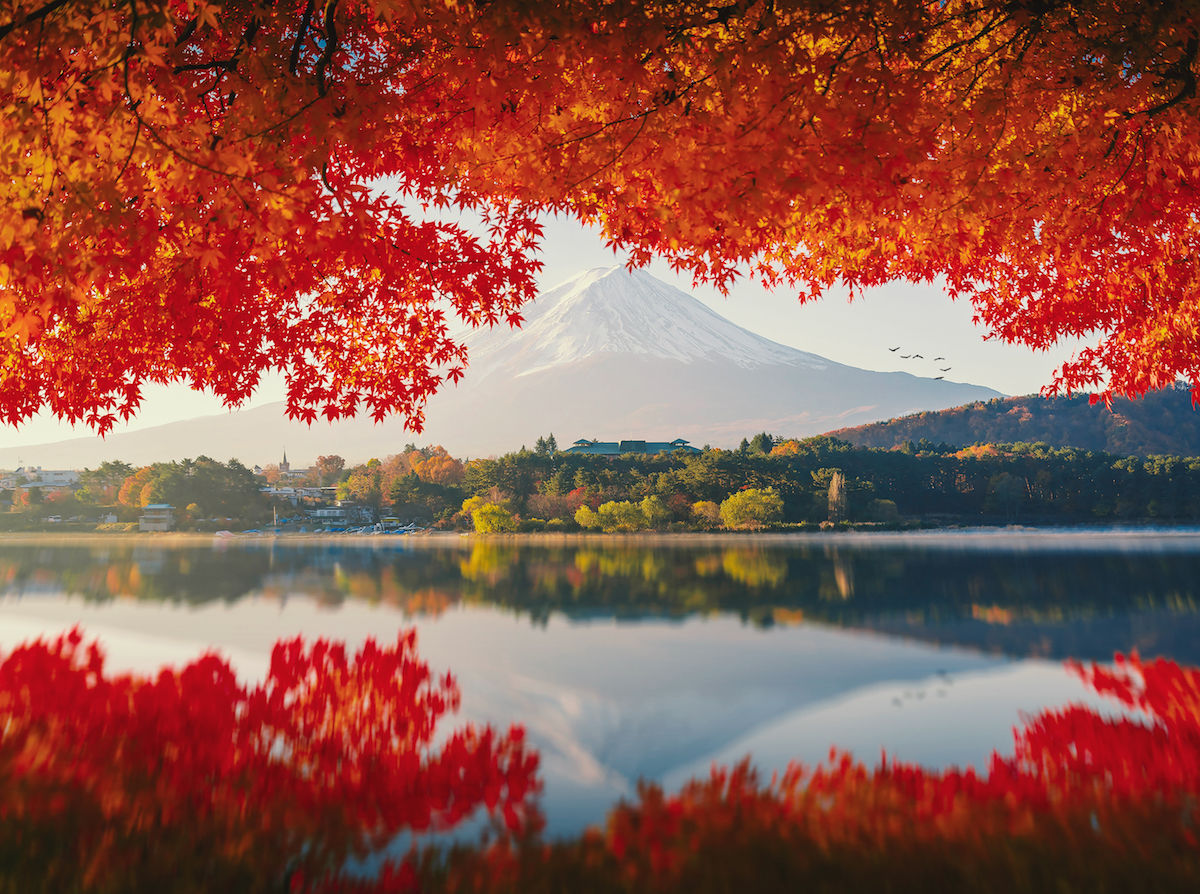
Nestled in the shadow of the iconic Mount Fuji, Lake Kawaguchiko offers a serene escape that belies its proximity to the bustling metropolis of Tokyo, a mere two-hour bus journey away. This sprawling area possesses a distinct hiking-base-camp atmosphere, a world away from the urban energy of the capital. While not a small town, Lake Kawaguchiko is notably less frequented by tourists than the nearby Hakone region, making it easier to discover pockets of unspoiled nature.
The Tenjō Ropeway cable car provides access to the summit of Mount Tenjō, serving as a starting point for various hiking trails and offering a viewpoint for Mount Fuji. While this viewpoint can attract crowds, the true essence of tranquility can be found by venturing onto the trails. Early morning excursions are recommended for the highest likelihood of a clear view of Mount Fuji, its majestic silhouette often shrouded in mist later in the day. Alternatively, taking the cable car at sunset and descending via the mountain trail into the town allows for a peaceful experience, soaking in the panoramic views of the setting sun casting a warm glow over the lake. The surrounding forests and the lake itself offer opportunities for boating, fishing, and leisurely strolls, providing a refreshing contrast to the demands of city life. The cultural significance of Mount Fuji in Japanese art and religion adds another layer of depth to any visit to the region.
Northern Kerala, India: Tranquil Backwaters Beyond the Crowds
While the image of houseboats gliding dreamily along the backwaters of Kerala is a familiar one to many travelers, the northern reaches of this Indian state offer a surprisingly tranquil and less-commercialized experience. Moving away from more popular destinations like Alappuzha and Kochi, boat trips along these quieter stretches of backwaters provide an idyllic perspective of the world slipping by, unmarred by throngs of tourists. These serene waterways serve as gateways to an often-unexplored paradise.
A particularly less-visited backwater is Kavvayi Kayal, home to the golden beach of Valiyaparamba. This area boasts a rich diversity of flora and fauna and a history that stretches back to the time of Marco Polo. The backwaters here are not only fascinating and serene but also remain somewhat off the beaten track, deterring the casual visitor. Consequently, compared to the more popular southern backwaters, Northern Kerala’s waterways are less commercialized and offer a more affordable exploration experience. The traditional way of life along these backwaters, centered around fishing and agriculture, provides a glimpse into a timeless existence. The cultural heritage of Northern Kerala, influenced by various historical interactions, adds another dimension to the visitor experience, with ancient temples and local art forms offering further insights.
The Aleutian Islands, Alaska: Volcanic Majesty and Rugged Coastlines
Even by Alaskan standards, the Aleutian Islands represent a pinnacle of remoteness. Accessible only during the summer months, when the MV Tustumena ferry makes its limited eight voyages to the archipelago, these islands are a testament to Alaska’s vast and untamed wilderness. Visitors are greeted by a dramatic landscape of towering submarine volcanoes rising from the ocean, expansive green tundra, and a coastline that is as treacherous as it is breathtakingly beautiful.
The journey itself is an integral part of the experience. The ferry stops at Kodiak, where the Barometer Mountain trail offers a jaw-dropping vista over the ocean, and the hardy port of Cold Bay, a community of just over 100 residents who maintain their strong community spirit through traditions like the annual Silver Salmon Derby. The Aleutian Islands, situated on the Pacific Ring of Fire, are geologically active, contributing to their dramatic and ever-changing topography. The islands’ strategic location has also played a significant role in history, particularly during World War II, when they became a theater of conflict. The indigenous Aleut people have inhabited these islands for millennia, developing a culture deeply intertwined with the marine environment and its resources. Their resilience and adaptation to this challenging environment offer a profound lesson in human endurance.
The Sahara Desert, Morocco & North Africa: An Ocean of Sand and Ancient Cultures
The Sahara Desert, often perceived as a barren expanse where little survives, offers some of the most extraordinary natural experiences on Earth, particularly for those seeking true remoteness. The profound quietude of the desert, far from urban centers, allows for an unparalleled appreciation of the night sky, with impossibly clear, starry vistas visible from locations like Merzouga on the outskirts of the Erg Chebbi desert. The stark contrast of date palms rising from the desert floor to form oases like Figuig provides a vivid illustration of life’s tenacity in extreme environments.
However, it is the human element that truly distinguishes the Sahara. The people who inhabit this arid land have built their lives in harmony with nature, rather than imposing their will upon it. Their way of life, deeply rooted in the traditions of the original Berber peoples, is dictated by the whims and changeability of the desert. This intimate relationship with the natural world offers a profound lesson in resilience, resourcefulness, and a deep understanding of ecological rhythms. The nomadic cultures of the Sahara, with their ancient traditions of hospitality and their intricate knowledge of the desert’s secrets, provide a rich cultural tapestry for those willing to venture into this vast, awe-inspiring landscape. The desert’s stark beauty, its shifting sands, and the resilient spirit of its inhabitants combine to create an unforgettable journey into one of the planet’s last truly wild frontiers.
Related posts: