Unveiling the Mediterranean’s Hidden Trailhead: Why Cyprus is Emerging as a Premier Winter and Spring Hiking Destination


While the Republic of Cyprus has long captured global attention as a premier Mediterranean resort destination famed for its sun-drenched beaches and all-inclusive coastal hotels, a growing contingent of outdoor enthusiasts is turning their gaze toward its rugged interior. Recent travel data and destination profiling indicate that the island nation is rapidly carving out a reputation as a diverse, year-round hiking haven. Far from the crowded coastlines of peak summer, the island’s varied topography—ranging from sheer limestone cliffs and marine caves to the snow-dusted alpine ridges of the Troodos Mountains—offers a complex geological tapestry that defies the traditional sun-and-sand narrative.
The Geography of Diversity: From Sea Level to Alpine Peaks
Geologically, Cyprus sits at a fascinating intersection of tectonic plates, creating microclimates and landscapes within a relatively compact geographic footprint that surprises even seasoned trekkers. According to regional conservation and tourism boards, the island’s trail network spans thousands of kilometers of protected national forests, state-managed pathways, and coastal reserves.
Unlike destinations where hiking is strictly seasonal, Cyprus benefits from a temperate Mediterranean climate that yields optimal trekking conditions outside of the scorching mid-summer months. Meteorological data shows that while July and August temperatures frequently exceed 35°C (95°F), the shoulder seasons of spring and late autumn—alongside the mild winter months—provide ideal conditions for active exploration. Winter days along the coast regularly hover between 18°C and 22°C (64°F to 72°F), while the interior peaks offer a stark, alpine contrast, occasionally accumulating significant snowfall capable of supporting regional winter sports.
Strategic Trail Analysis: Navigating the Republic’s Premier Routes
For travelers looking to transition from resort loungers to technical trails, travel itineraries organized around anchor hikes have become the gold standard. Destination experts emphasize four primary routes within the Republic of Cyprus that showcase the island’s ecological breadth.
1. The Aphrodite Loop Extended (Akamas Peninsula)
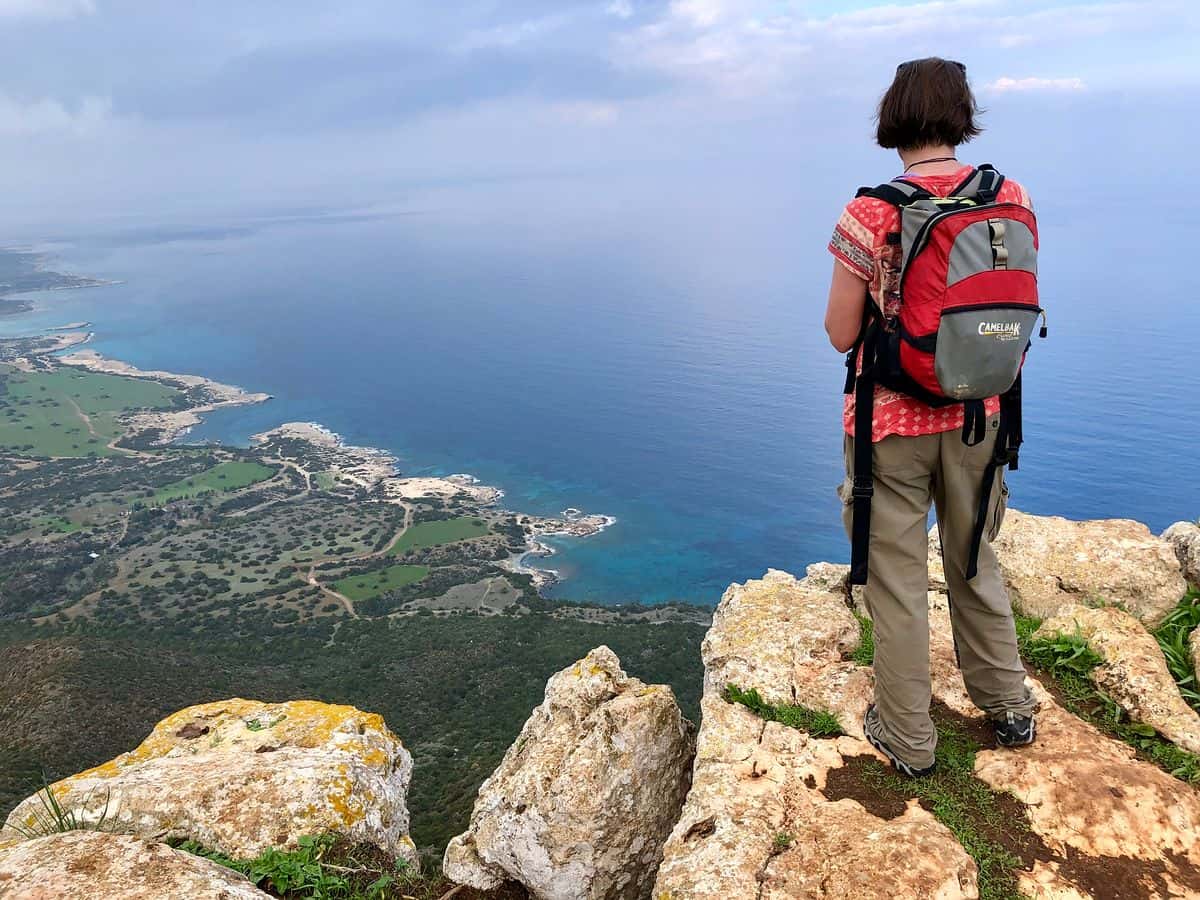
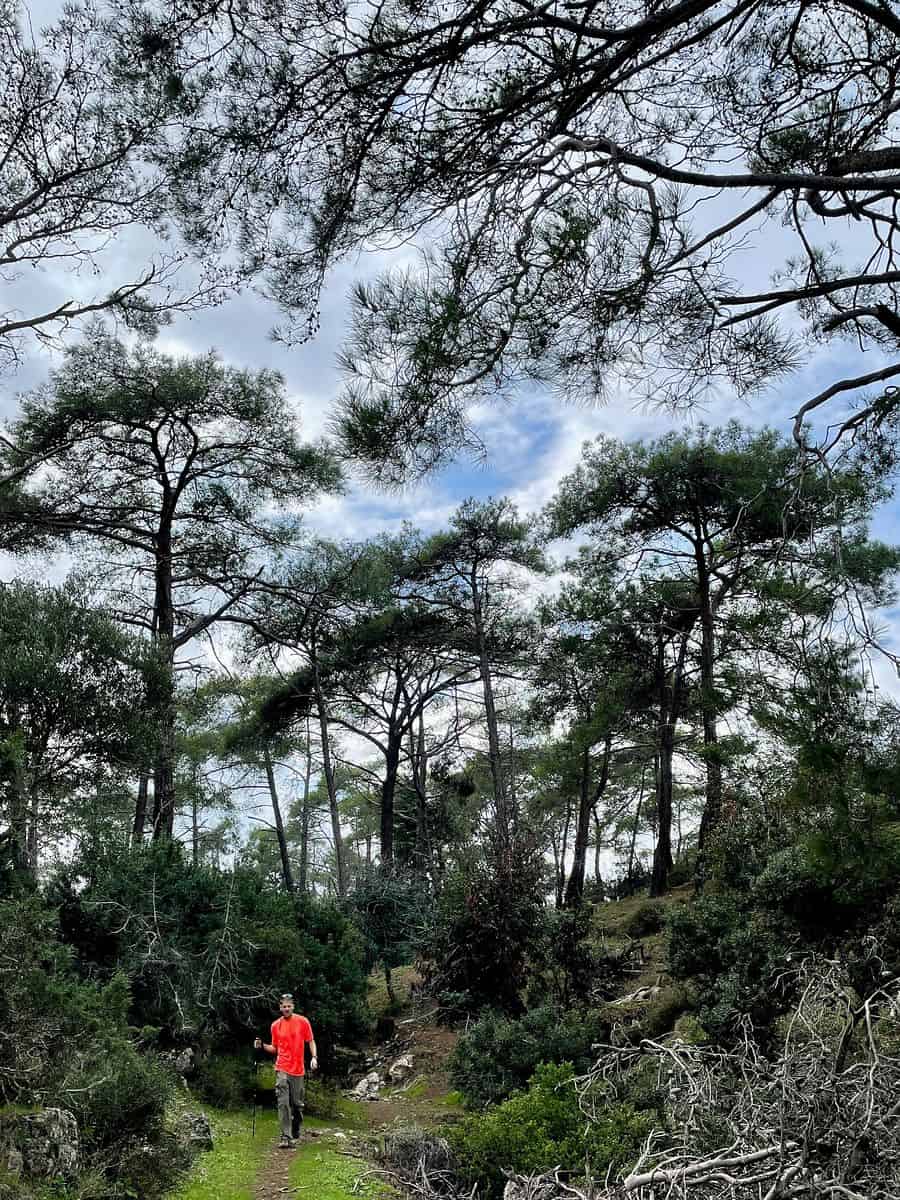
Situated in the northwestern corner of the island near the Akamas Forest, the Aphrodite Loop serves as the benchmark for coastal panoramas. Spanning approximately 7.5 kilometers for the base loop—frequently extended by connecting to the inland Adonis Trail—this route navigates dramatic limestone drop-offs overlooking Cape Arnoutis. Conservationists note that the area is a critical habitat for endemic flora and local fauna, including populations of wild mountain goats. Navigating the loop in a clockwise direction is widely recommended by local guides to maximize morning light and weather stability along the exposed sea cliffs.
2. Avakas Gorge (Peyia State Forest)
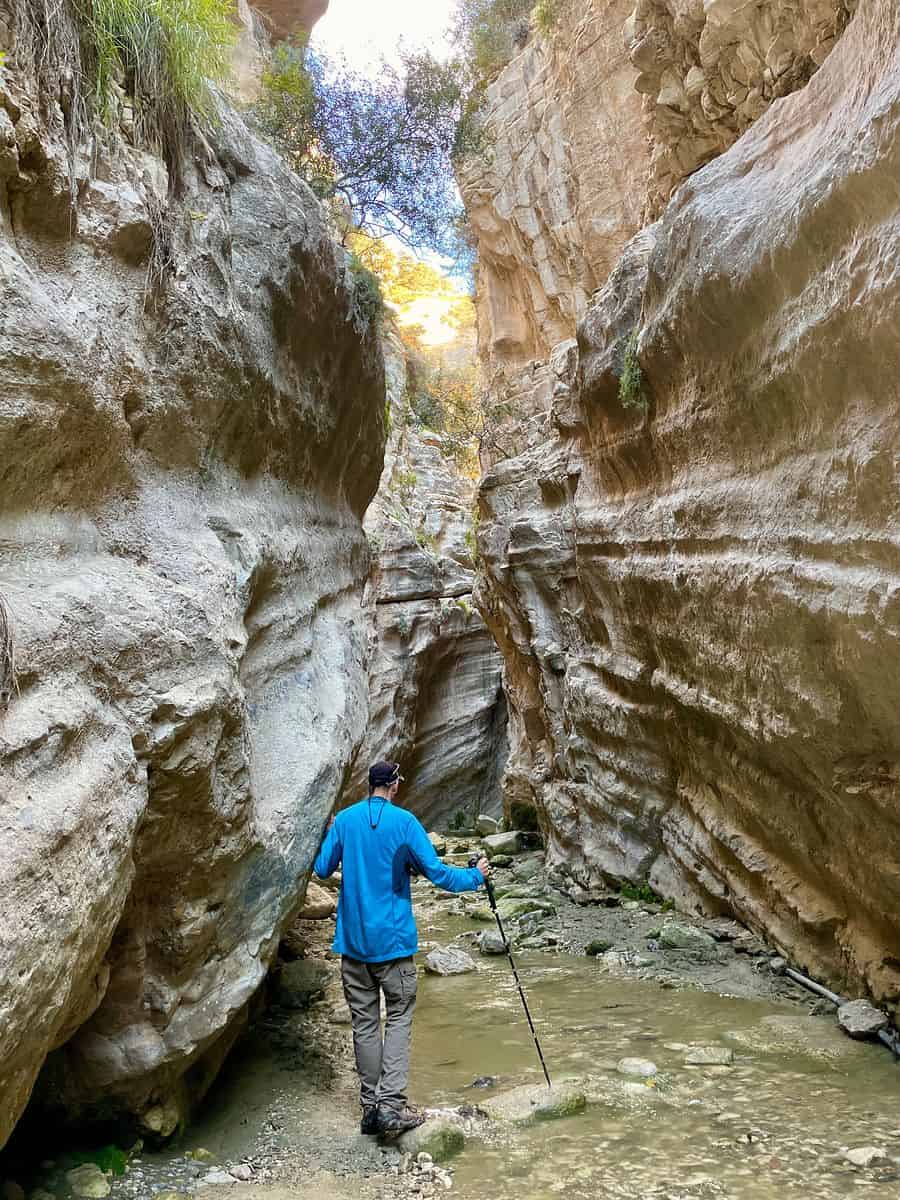
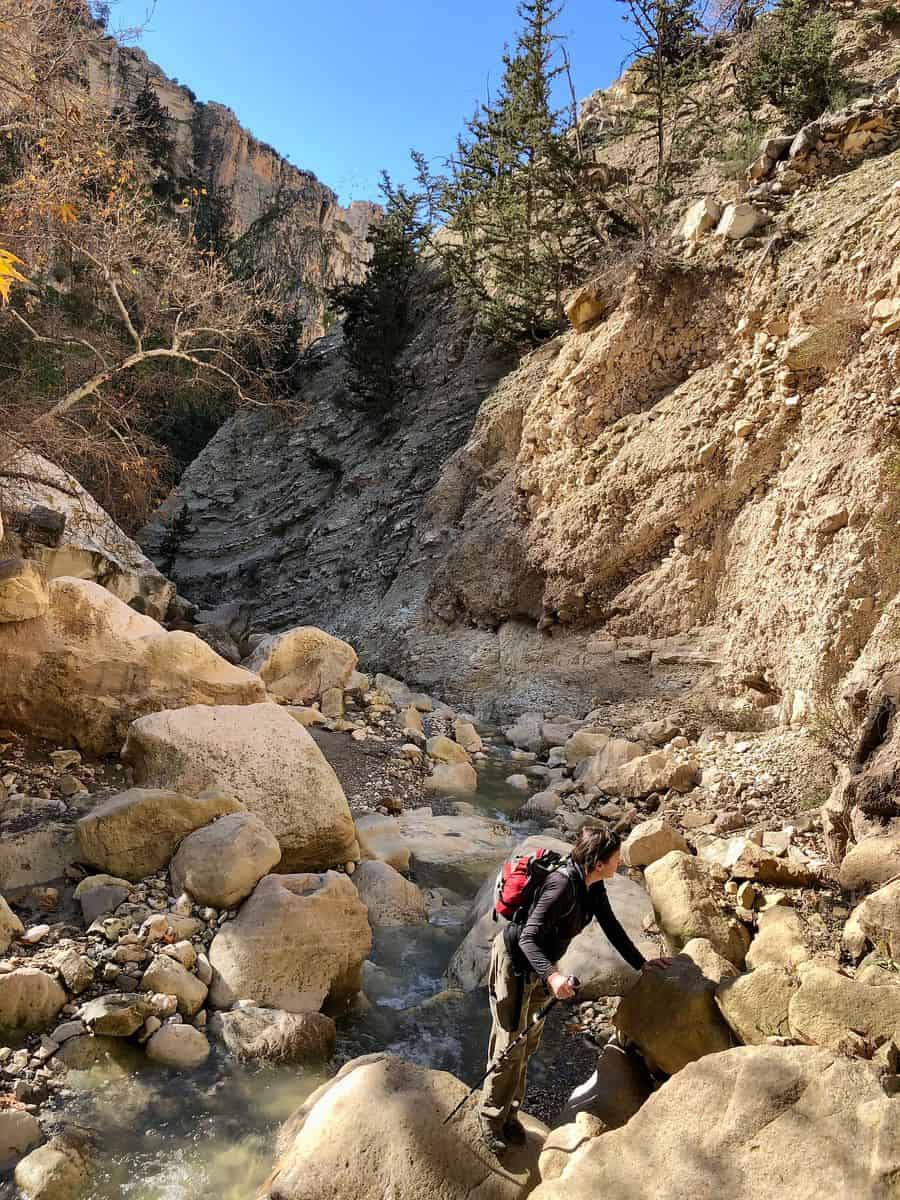
For adventurers seeking technical rigor, the Avakas Gorge presents the island’s most dramatic canyon hike. Carved by centuries of water flow through limestone, the gorge narrows significantly, requiring trekkers to engage in minor bouldering and navigate slippery river stones. While casual visitors frequently turn back after the initial kilometer, completing the full gorge traversal opens into verdant pastoral valleys. Regional forestry officials advise caution following winter precipitation, as rising stream levels and slick rock surfaces demand proper footwear, trekking poles, and vigilance.
3. The Atalante Trail (Troodos Mountains)
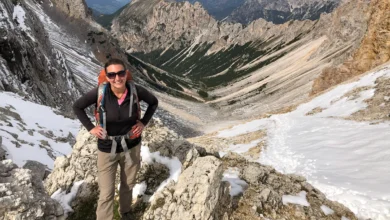
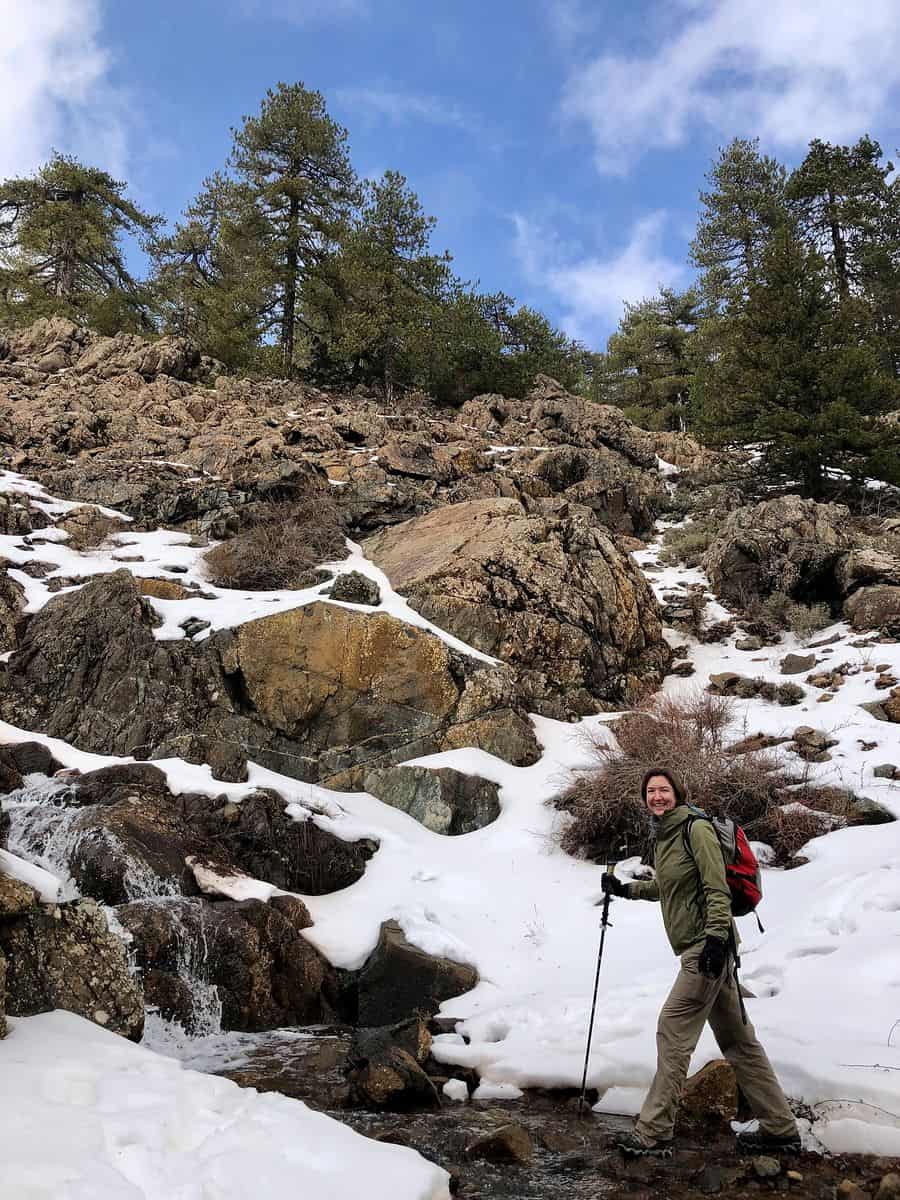
Challenging the misconception that Cyprus lacks significant elevation, the Troodos Mountains rise to a peak of nearly 2,000 meters at Mount Olympus. The Atalante Trail, an 8-kilometer loop circling the highest peak, offers a rigorous alpine experience. During the peak of winter, the route is frequently blanketed in snow, transforming the dense forests of Calabrian pine, black pine, and endemic juniper into a wintry landscape. Because trail markers can become obscured by snowfall, digital offline mapping tools and GPS tracks are considered essential safety gear by regional mountain rescue services.
4. Cape Greco National Forest Park
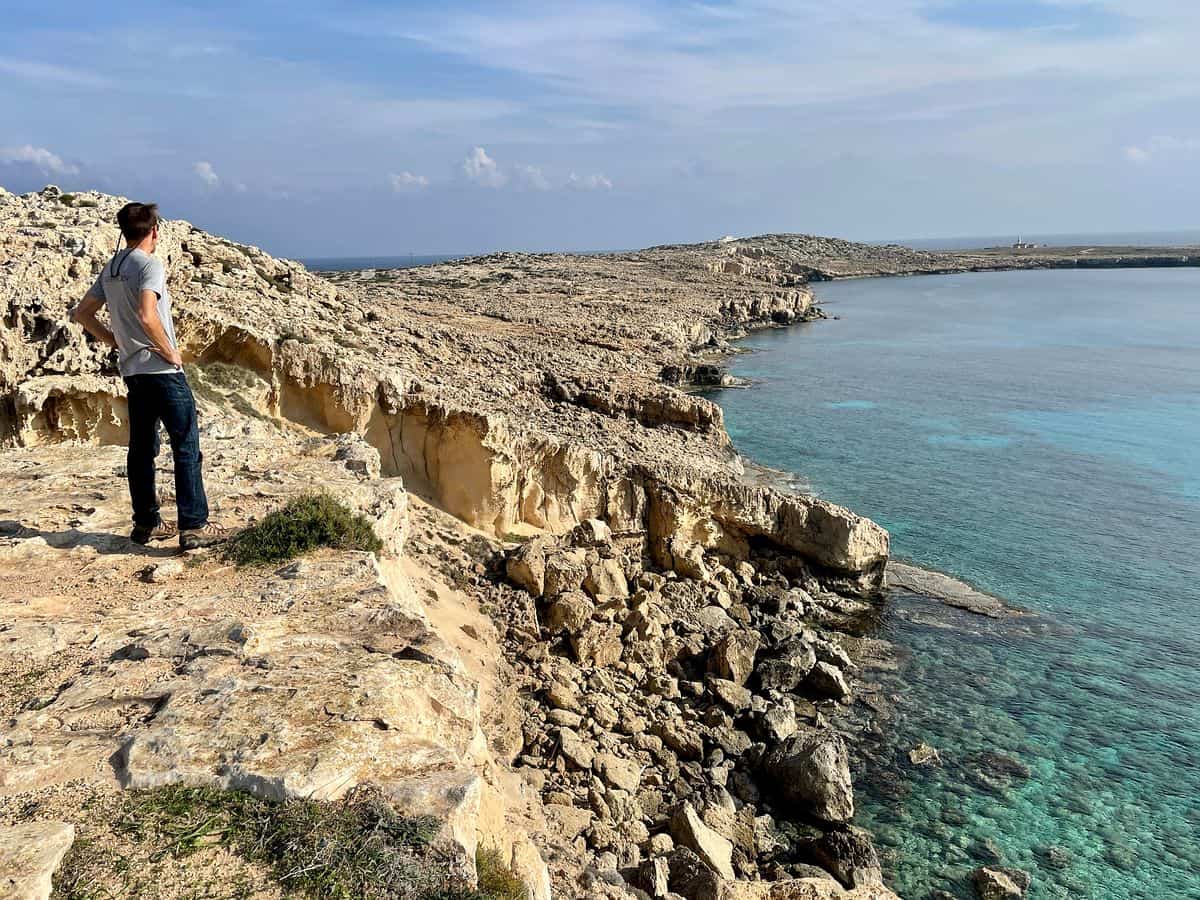
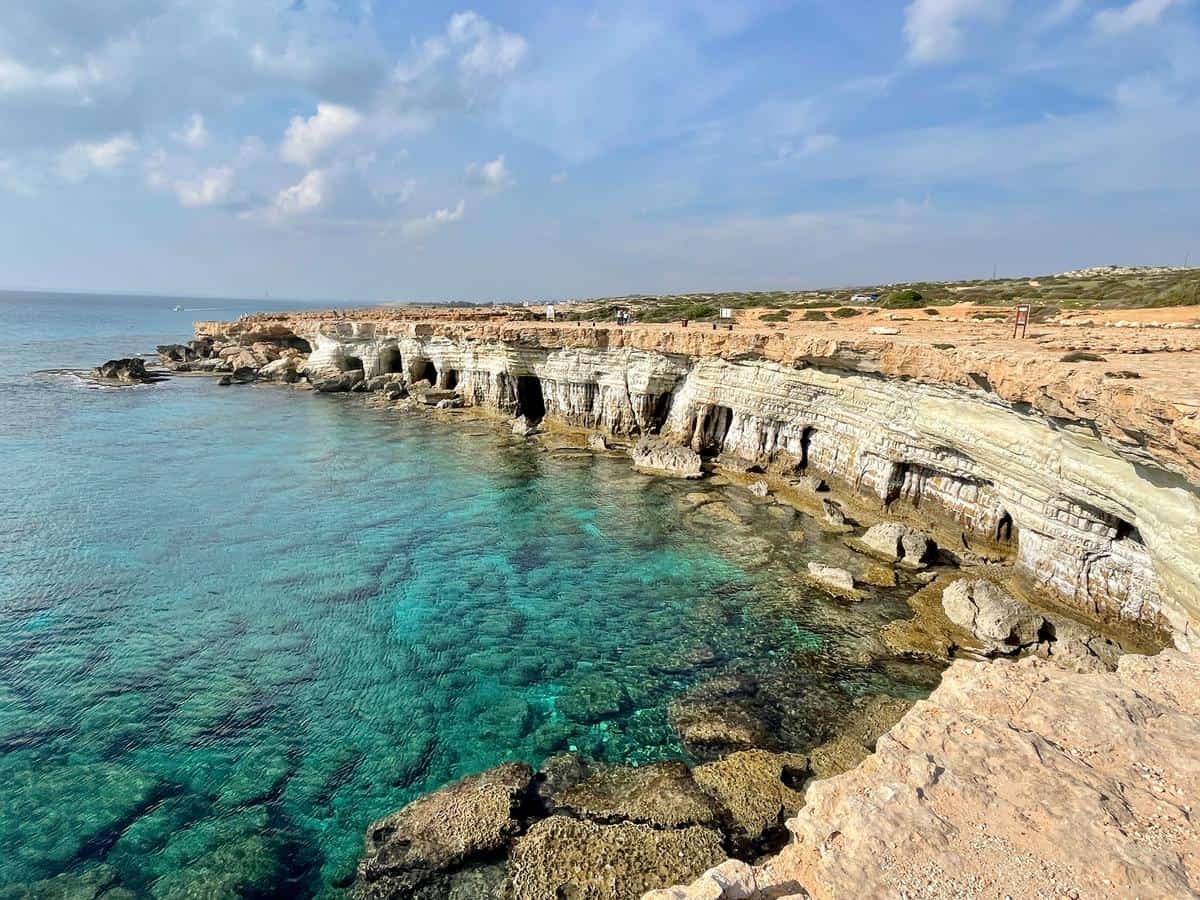
On the southeastern extreme of the island, the coastal trails stretching from the Cape Greco Sea Caves to Konnos Beach offer an accessible yet visually striking trek. Characterized by marine erosion features, sea caves, and seasonal spring wildflower blooms—including winter daffodils—this network highlights the dramatic interface between desert-like arid terrain and crystalline turquoise waters.

Infrastructure, Logistics, and Accessibility
Successfully executing a hiking-centric itinerary in Cyprus requires careful logistical planning, particularly regarding transportation and seasonal flexibility. Tourism authorities and seasoned travelers overwhelmingly recommend renting a vehicle. A car provides the necessary autonomy to reach remote trailheads—such as the western approaches to Avakas Gorge or the central Troodos mountain passes—where public transit options are limited or involve multiple transfers.

Furthermore, because regional weather patterns can shift rapidly between the sun-drenched coast and the storm-prone mountain elevations, vehicular mobility allows travelers to adjust their daily itineraries dynamically. Driving in Cyprus operates on the left-hand side of the road, a remnant of British administrative history that requires a brief adjustment period for continental European or North American visitors.
Seasonal Implications and Sustainable Tourism
The economic and ecological implications of shifting Cyprus toward a year-round adventure tourism model are significant. For local businesses in rural interior villages, such as those surrounding Troodos Square or the Polis region, winter and shoulder-season tourism provides vital economic stabilization outside the traditional summer peak.

However, conservation groups emphasize the fragility of the island’s ecosystems, particularly within protected areas like the Akamas Peninsula and Cape Greco. Increased foot traffic underscores the necessity of strict adherence to Leave No Trace principles. Authorities urge hikers to remain strictly on designated paths to protect sensitive endemic plant species and prevent soil erosion.
Ultimately, by looking beyond the coastal resorts and engaging with the interior topography, travelers discover a historically rich, ecologically diverse Mediterranean landscape. Whether navigating snow-covered alpine forests or descending rugged river gorges, those who approach Cyprus as a premier hiking destination uncover a complex, enduring side of the island that remains largely untouched by mass tourism.