The city of Valdivia, nestled in the Los Ríos region of southern Chile, stands today as a unique intersection of 19th-century European industrial history, catastrophic seismic evolution, and a burgeoning modern craft beverage industry. Known colloquially as the "capital of beer" in Chile, the city’s identity is inextricably linked to the arrival of German immigrants in the mid-1800s and the radical geographic transformation caused by the 1960 Great Chilean Earthquake.
A Chronology of Brewing and Immigration
The foundation of Valdivia’s industrial identity dates back to the German colonization initiative of 1845, a government-sponsored program designed to bolster the economy of southern Chile. Among these settlers was Carlos Anwandter, who in 1851 established one of the first commercial breweries in the region. This enterprise introduced the German Reinheitsgebot (purity law) standards to the South American landscape, setting a precedent for quality that persists today.
The timeline of the city’s brewing sector is marked by both growth and tragedy. Anwandter’s original infrastructure, located on Isla Teja, was one of many local sites compromised by natural disasters over the decades. While his residence, a rare example of colonial-era architecture, was preserved and later integrated into the Museum of History and Anthropology, the physical brewery did not survive the shifting tectonic and environmental pressures of the century.
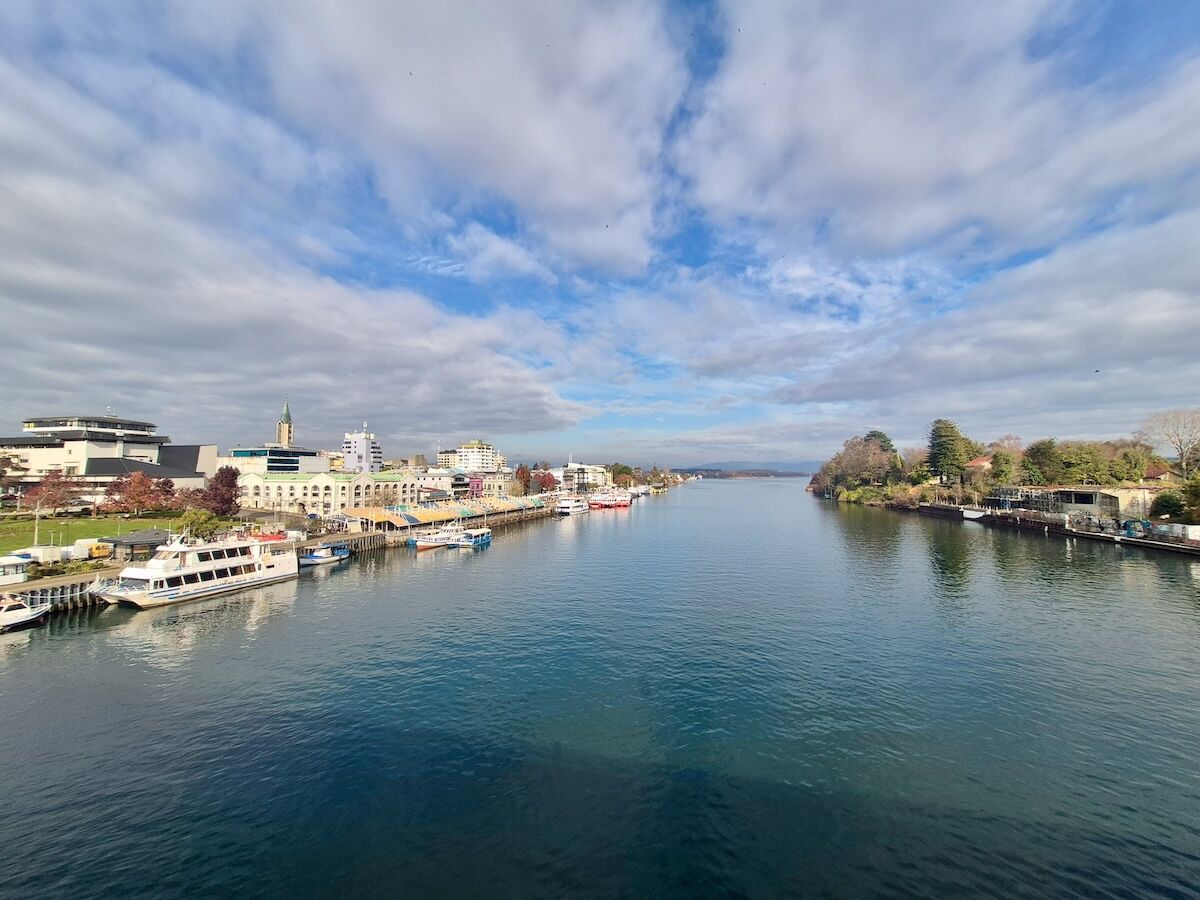
It was not until the 1990s that the tradition saw a professional resurgence through the efforts of Armin Kunstmann. By founding Cervecería Kunstmann, Kunstmann effectively institutionalized the local beer culture, bridging the gap between historical German techniques and contemporary consumer demands. Today, the facility functions as a major industrial hub and a cultural landmark, offering educational tours that highlight the symbiotic relationship between the Valdivian rainforest’s high-quality water sources and the chemical requirements of beer production.
The Seismic Shift: 1960 and the Reshaping of the Landscape
Valdivia’s geography is as much a defining feature as its cultural history. On May 22, 1960, the city was the epicenter of the Great Chilean Earthquake, the most powerful earthquake ever recorded in human history, measuring between 9.4 and 9.6 on the moment magnitude scale. The event did not merely collapse structures; it fundamentally altered the topography of the Los Ríos region.
The land in the vicinity of Valdivia subsided by as much as two meters (6.5 feet), causing the river levels to rise significantly and transforming former dry plains into the vast, delicate Estancilla wetlands observed today. This geological shift forced the city to adapt its urban planning and water management strategies. The integration of these wetlands into the city’s modern tourism and ecological framework serves as a living laboratory for seismic resilience.
Economic and Cultural Data Points
The economic implications of Valdivia’s transition from an industrial river port to a specialized tourism and craft-beverage hub are significant. The annual Kunstmann Bierfest, held between late January and February, serves as a primary driver of the local economy. Drawing inspiration from Munich’s Oktoberfest, the event creates a high-density tourist window that supports local hospitality sectors, including hotels like the Hotel Puerta del Sur and various river-based tour operators.
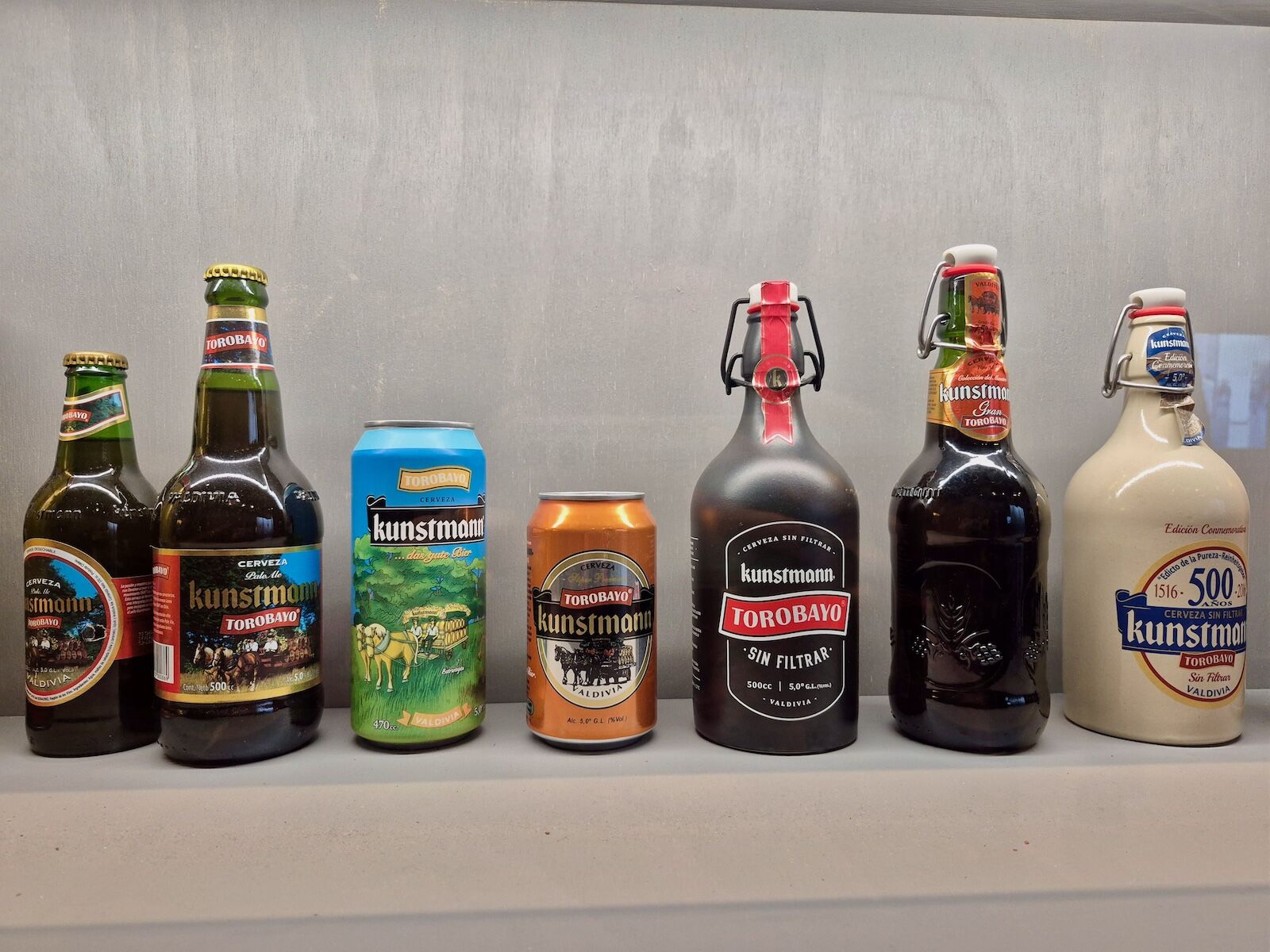
Current data regarding the region’s infrastructure indicates a shift toward a more diversified tourist base. The presence of the O’Brien submarine—a decommissioned Oberon-class vessel built in Scotland in 1971—adds a unique maritime historical dimension. Operated as a museum piece by the Chilean Navy, the vessel requires precise maintenance, reflecting the high costs and logistical commitments necessary to sustain niche cultural assets in a remote, water-centric city.
The Modern Craft Scene and Culinary Integration
While the Kunstmann legacy remains the cornerstone of the city’s beer production, the market has undergone a significant evolution. Modern establishments, such as the brewpub El Growler on Isla Teja, reflect a departure from strictly traditional German methods, incorporating Belgian and United States-influenced craft techniques. These establishments often utilize mobile distribution models—kegs transported via van to outdoor, industrial-chic settings—to accommodate the changing preferences of a younger demographic.
The culinary landscape also serves to reinforce this history. The tradition of crudos—a Chilean-German fusion dish consisting of raw, spiced steak tartare—remains the standard pairing for local ambers and IPAs. This culinary continuity highlights the successful integration of German gastronomic norms into the Chilean palate over the past 170 years.
Maritime Heritage and Military Infrastructure
Valdivia’s historical importance as a defensive outpost is best illustrated by the Castillo de Niebla. Situated at the mouth of the river, this fortress was designed to prevent naval ingress into the river network during the Spanish colonial period. Today, the ruins are a focal point for maritime history, with ongoing efforts to maintain the cannon batteries and walls against the erosion caused by the Pacific Ocean.
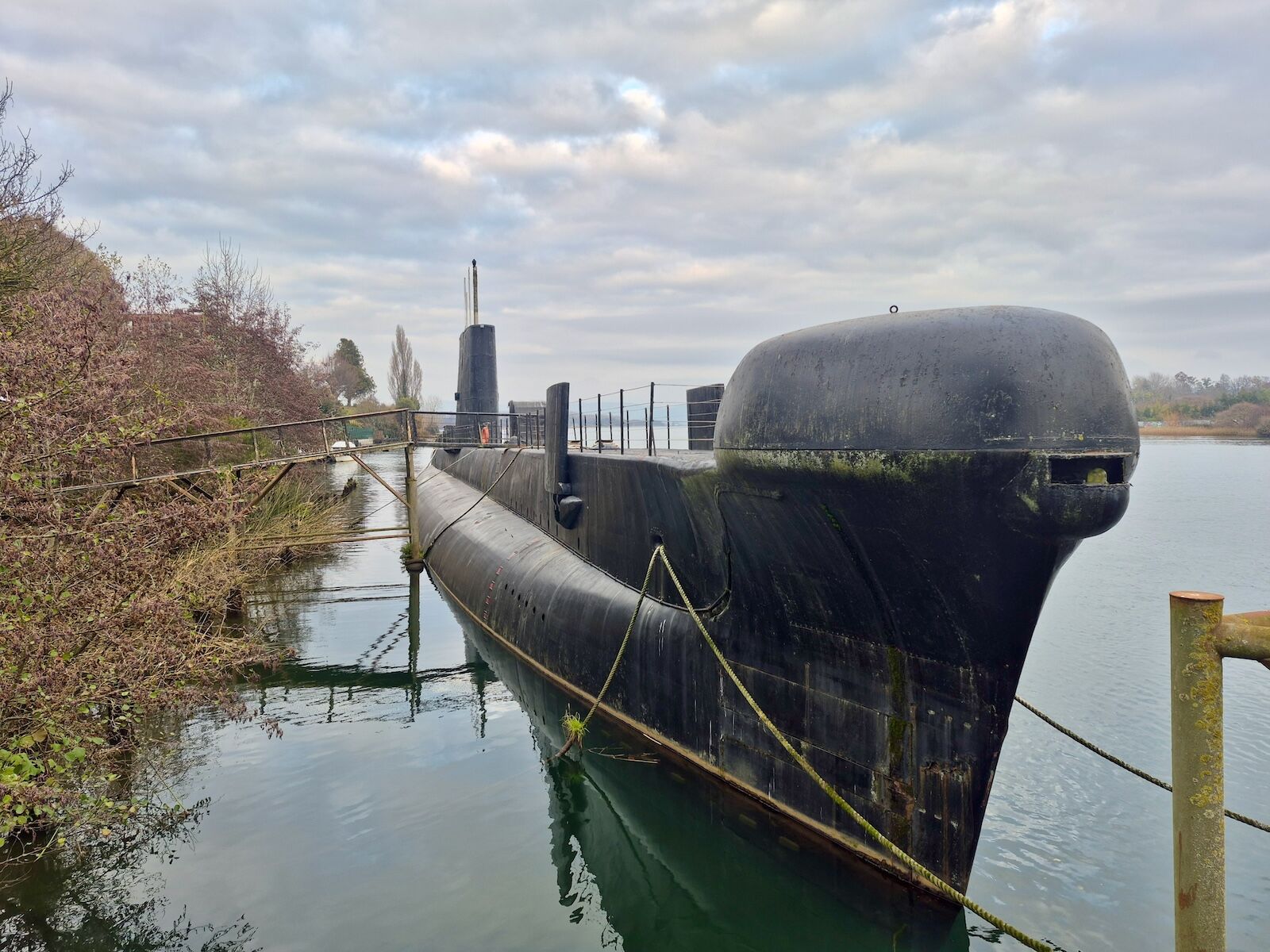
The connectivity between the city and these coastal fortifications is maintained through both road infrastructure and river transit. The usage of the number 20 micro bus service remains the most cost-effective and common method for local transit, while private operators like Kimeltu Los Rios provide specialized nautical tours that explain the geographical and defensive history of the river system.
Environmental Stewardship and Wildlife Interaction
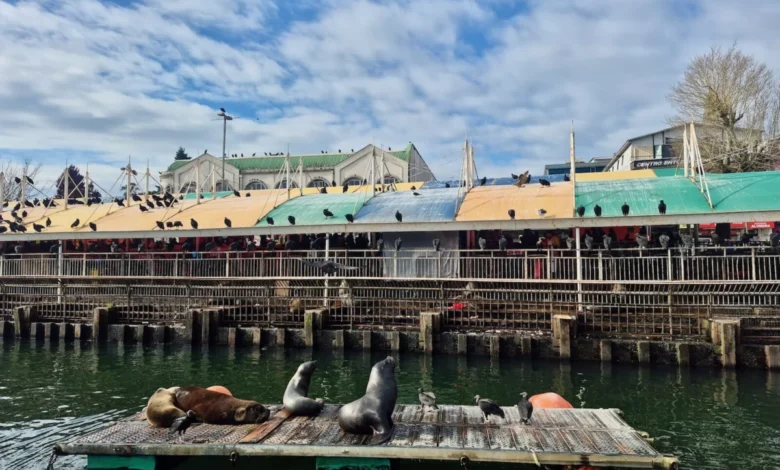
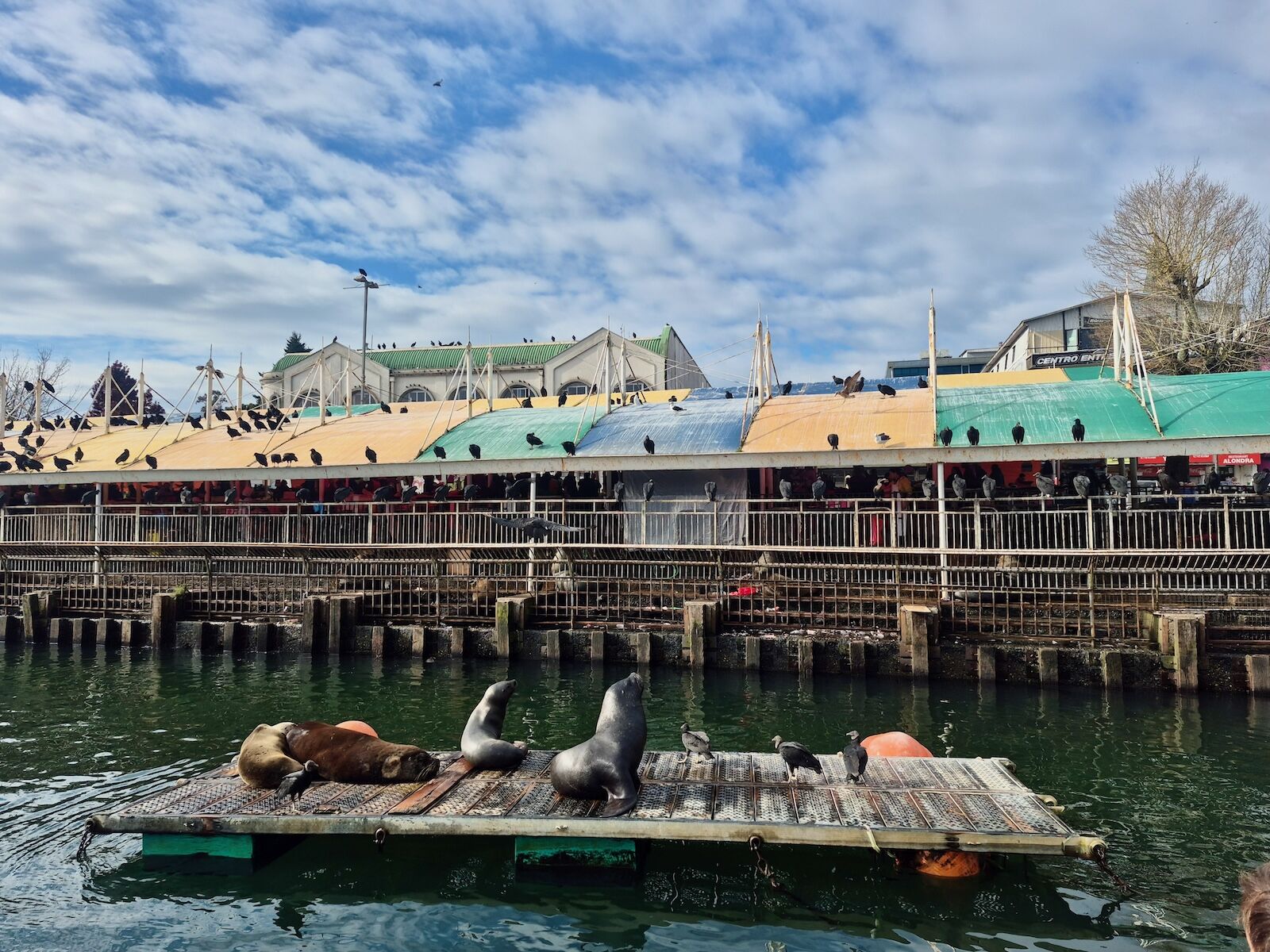
A defining feature of the contemporary Valdivian experience is the proximity of urban life to the Lobos marinos (South American sea lions). These animals are not merely incidental to the city; they are integrated into the daily life of the Mercado Fluvial, where they frequently interact with human activity. From a scientific and environmental standpoint, the presence of these colonies within the city center provides a rare opportunity for urban wildlife observation. However, local authorities frequently balance this with public safety protocols, as the animals are large, wild, and capable of significant territorial behavior.
Broader Implications and Strategic Development
The development of Valdivia as a regional center of excellence in the Los Ríos administrative region (established in 2007) is a study in regional autonomy and economic branding. By leveraging its unique history, seismic past, and natural geography, Valdivia has successfully rebranded itself as a destination that offers more than just traditional sightseeing.
The strategic importance of the city is further bolstered by its proximity to the Carretera Austral, making it a critical waypoint for travelers navigating the lakes and rivers of southern Chile. As the city continues to modernize its infrastructure, the challenge remains to protect the fragile wetland ecosystems created by the 1960 earthquake while accommodating the increasing demand for tourism-related services.
In conclusion, Valdivia represents a complex synthesis of disparate influences. It is a place where German industrial tradition, as evidenced by the work of the Anwandter and Kunstmann families, is practiced alongside the realities of a shifting, earthquake-prone environment. Whether through the preservation of military history in Niebla, the maritime legacy of the O’Brien submarine, or the innovative, modern craft-beer scene on Isla Teja, Valdivia maintains a distinct identity that is fundamentally rooted in its water, its history, and its remarkable capacity for transformation. The city’s ability to weave these elements together ensures its position as a significant cultural and economic node in the geography of southern Chile.