Uncovering the Hidden Landscapes of Lazio: A New Era for Sustainable E-Bike Tourism

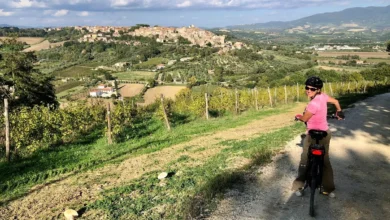
The Lazio region of central Italy, long overshadowed by the immense global draw of its capital city, Rome, is currently undergoing a strategic transformation in its approach to regional tourism. Through a collaborative initiative funded by the Lazio Region and spearheaded by the Thybris River Experience, the area is positioning itself as a premier destination for sustainable, slow-travel adventures. By leveraging the rising popularity of electric bicycles, the region aims to disperse tourist traffic from Rome’s congested urban center to the historically rich, ecologically diverse, and largely undiscovered landscapes along the Tiber River.
The initiative seeks to capitalize on a growing international trend toward "slow tourism," which prioritizes environmental stewardship and community-based economic development over mass-market visitation. By creating three distinct, multi-day guided e-bike itineraries, the regional government hopes to revitalize rural hill towns and promote lesser-known archaeological sites.
Historical and Geographic Context of the Tiber Corridor

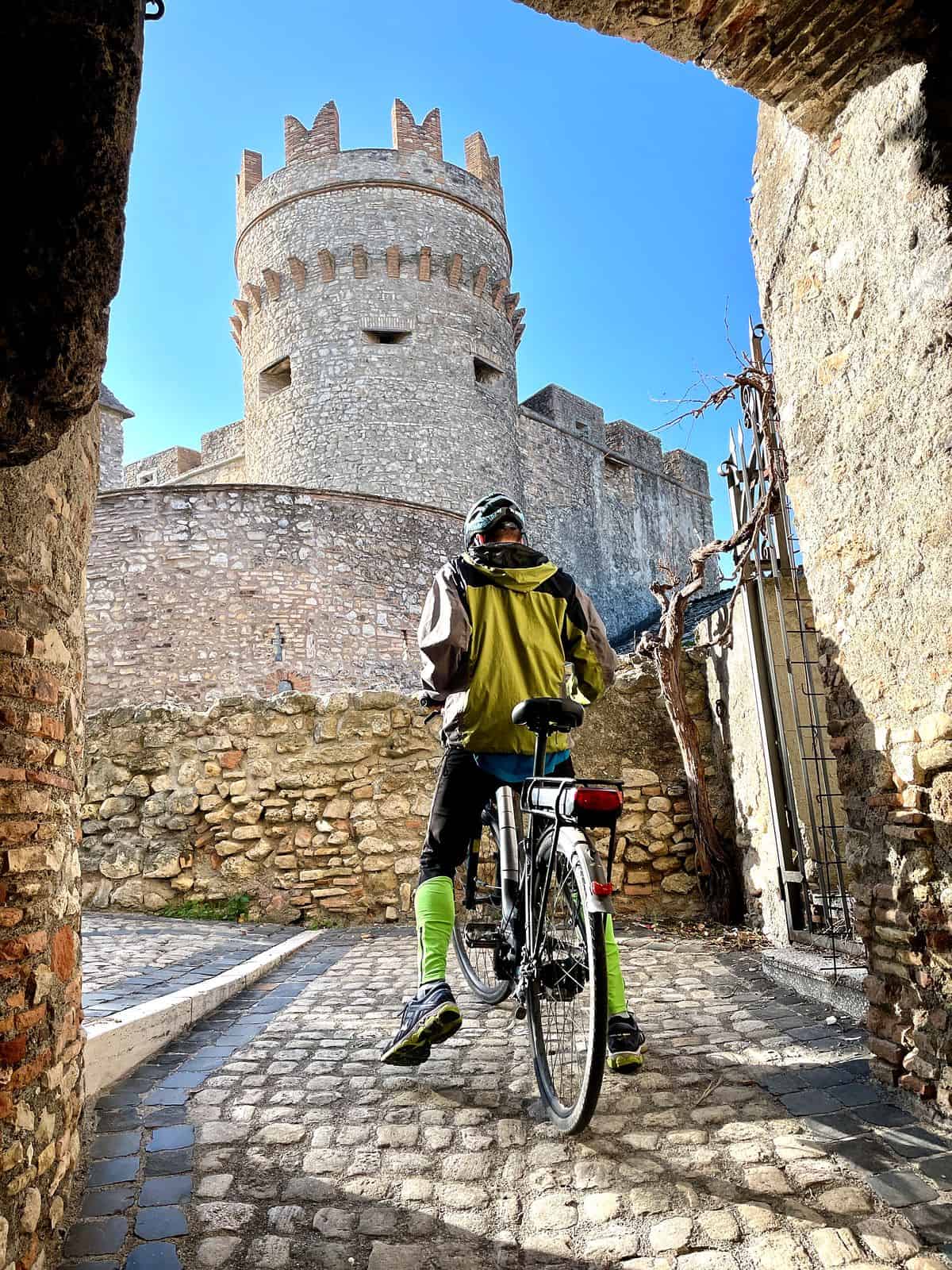
The Tiber River has served as the lifeblood of central Italy for millennia, yet the regions north and south of Rome have historically functioned as buffer zones between the Etruscan strongholds of the north and the Bourbon-influenced provinces of the south. Lazio, derived from the Latin word "latus" or "wide," has historically been defined by its low-lying, fertile expanses. However, the region’s geography is far more varied, characterized by volcanic soil, dense forest reserves, and elevated medieval hill towns that provided strategic vantage points during the territorial conflicts between feudal barons and the papacy.
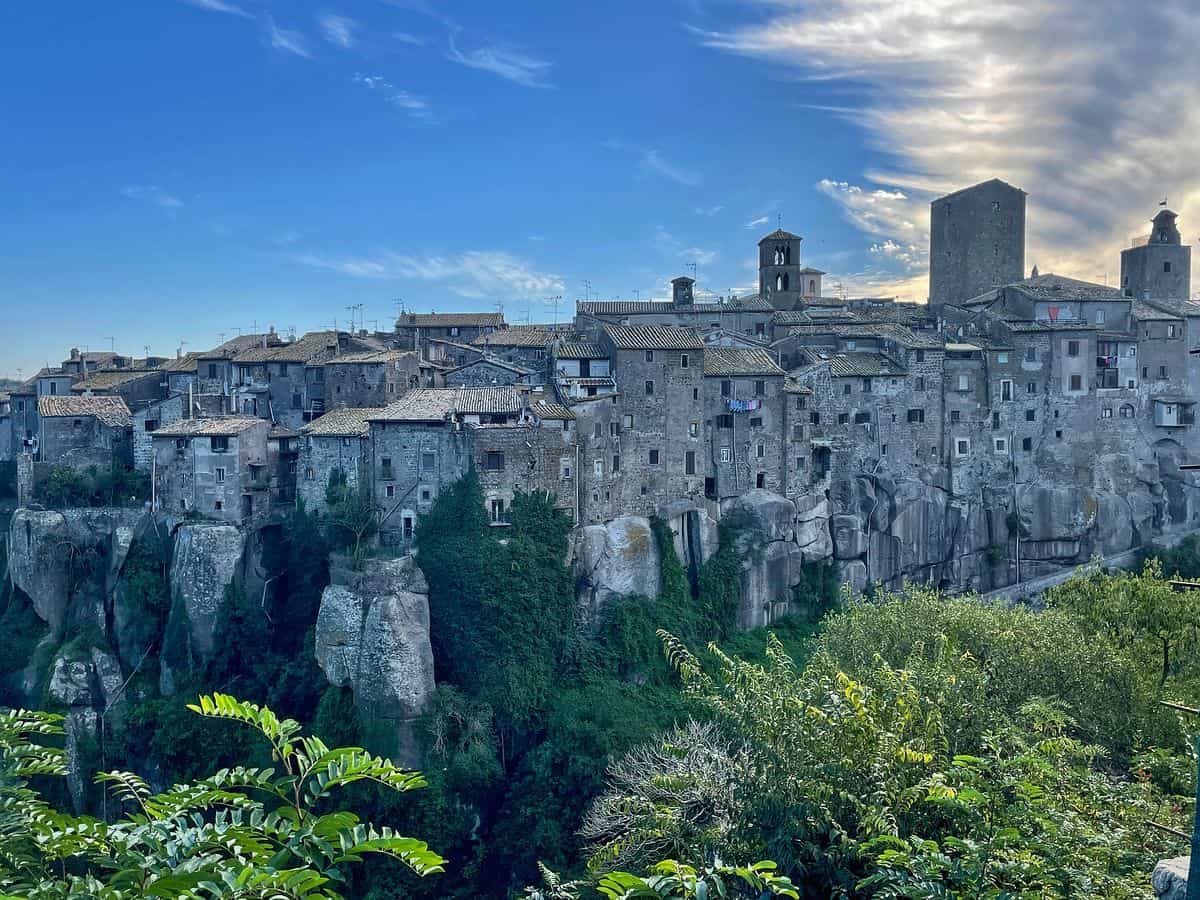
The current project aims to reconnect these fragmented zones into a cohesive travel corridor. The itineraries—codenamed internally as Pomona, Bona Dea, and Leucotea and Egeria—are designed to be accessible within an hour’s travel from Rome, providing a practical solution for tourists seeking to escape the urban heat and crowds of the city.

Economic and Environmental Impact

The shift toward e-bike tourism represents a deliberate policy decision by the Lazio Region to minimize the carbon footprint of its visitors while maximizing the economic benefit to local artisans and small-scale producers. Unlike traditional motor-coach tourism, which often results in "drive-through" visits, cycle tourism encourages longer stays in rural accommodations and direct engagement with local economies.

Sustainable wineries, such as the Trebotti wine farm in the Tuscia district, serve as case studies for this model. Trebotti has pioneered the use of volcanic soil cultivation, indigenous grape varieties, and low-energy infrastructure to maintain an organic certification for over two decades. By integrating such businesses into the tourism circuit, the regional government is incentivizing sustainable practices among local farmers and business owners.

A Chronology of Development and Cultural Preservation

The development of these itineraries followed a rigorous ten-day testing phase, where professional guides and consultants mapped routes that balance physical challenge with historical immersion.

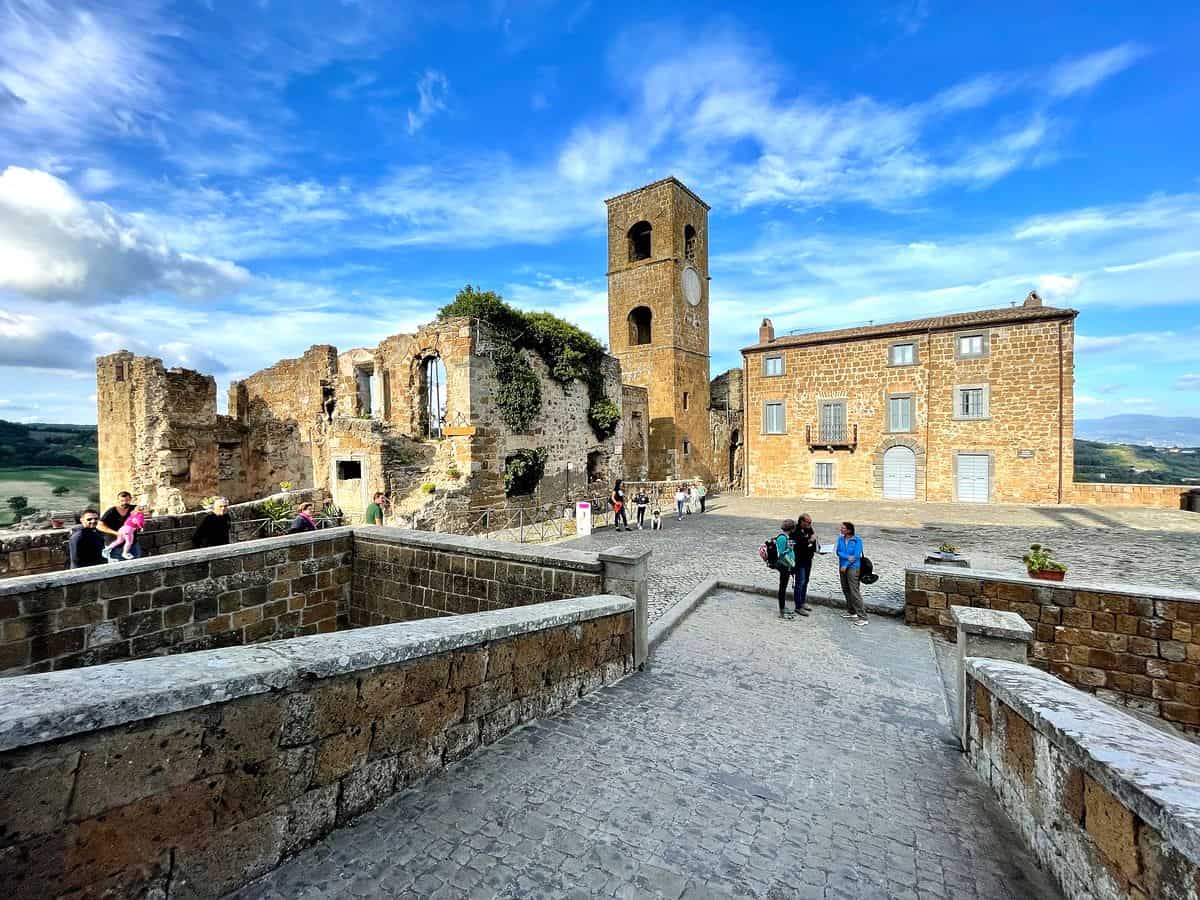
The Tuscia and Teverina districts, located on the borders of Umbria and Tuscany, offer a stark contrast to the better-known landscapes of their neighbors. The inclusion of sites like the "Ghost Town" of Celleno—a settlement abandoned in the mid-20th century due to seismic instability—highlights the region’s focus on "rescued history." These sites are being repurposed as open-air museums, where artifacts such as 20th-century agrarian tools and medieval "trash tunnels" provide a tangible link to the past.

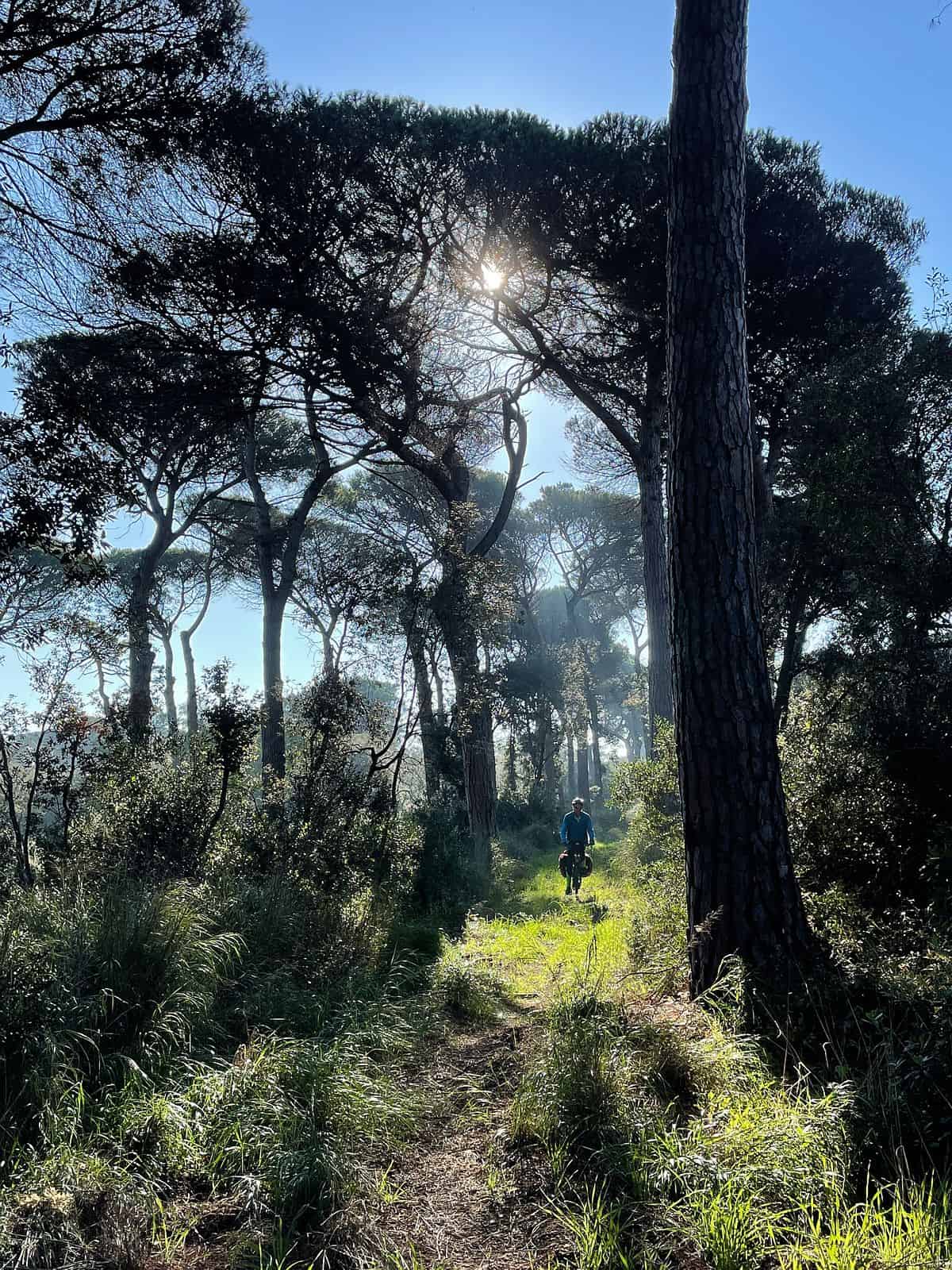
Further south, the Tevere-Farfa Natural Reserve represents the environmental pillar of the project. As the first protected area in the region, the reserve is a critical habitat for migratory birds. The integration of canoeing and cycling within the reserve is strictly managed to ensure that human presence does not disrupt the local ecology. The initiative also includes educational components, such as visits to the Bunker Soratte near Sant’Oreste. This site, a complex tunnel network commissioned by Mussolini and later used as a NATO fallout shelter, provides a sobering look at 20th-century military history, serving as a reminder of the region’s strategic importance during both World War II and the Cold War.

Infrastructure and Modern Challenges

The final phase of the project focuses on the "Rome Edge"—the coastal areas of Ostia, Fiumicino, and Isola Sacra. These areas contain significant archaeological treasures, most notably the Imperial Harbours of Claudius and Trajan, which served as the primary gateways for goods entering the Roman Empire.
The challenge for the Lazio Region remains the connectivity between these ancient sites and modern urban centers. While the Regina Ciclarium and the Sentiero Pasolini provide pathways toward Rome, these routes are currently classified as "works in progress." Local authorities acknowledge that the long-term success of the project depends on the continued maintenance of these paths and the cooperation of municipal governments in the Roman suburbs.

Official Perspectives and Future Outlook

Statements from project stakeholders, including regional tourism board members and local guides like Giorgia Cadinu, emphasize that the goal is not mass tourism, but "meaningful engagement." The model is built on the concept of creative fermentation—a term used by local artists like Michele Longo to describe the necessity of physical presence and community dialogue in fostering innovation.

From a policy perspective, the implications of this project are significant. If successful, the Lazio model could provide a blueprint for other Italian regions struggling with the impacts of over-tourism. By distributing the flow of visitors through the use of low-impact transport and highlighting the "hidden" cultural capital of rural districts, the region aims to create a more resilient and sustainable tourism economy.

As of July 2025, the regional government is evaluating the data from the initial pilot tours to determine the viability of scaling these itineraries. The focus for the coming fiscal year will be on upgrading existing cycling infrastructure and expanding the network of "bike-friendly" hospitality providers. While Rome will undoubtedly remain the primary anchor for international arrivals, the success of the Lazio initiative suggests that the future of Italian tourism may well lie in the quiet, historic corridors that lead away from the city’s walls, rather than within them.

The initiative effectively bridges the gap between historical preservation and modern environmental necessity. By documenting the shift from a swamp-like state to productive agricultural land—as seen in the cultural museums of Isola Sacra—and the transition of industrial sites like the Pietro Micca steam tugboat toward future electric conversion, the region is crafting a narrative that values continuity, transformation, and a responsible path forward for the modern traveler.