Tap Water vs. Bottled Water Abroad: Where It’s Safe to Skip the Plastic

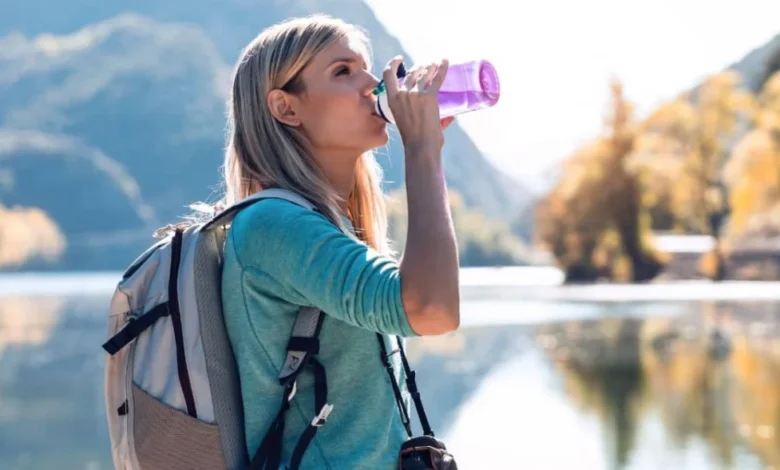
Navigating the simple act of hydration while traveling abroad frequently introduces a complex dilemma for international tourists. Upon arriving in a new destination, parched travelers are routinely forced to choose between purchasing factory-sealed single-use plastic bottles—which invariably contribute to overflowing local landfills and marine pollution—or consuming local tap water, risking exposure to unfamiliar microorganisms and debilitating gastrointestinal illness. While purchasing bottled water offers a perceived guarantee of safety, the cumulative environmental toll of this habit has escalated into a global crisis. Understanding the nuances of international water quality, recognizing where tap water is genuinely potable, and mastering alternative purification methods allow globe-trotting citizens to safeguard their health while actively mitigating their environmental footprint.
The Root Cause of Travel-Related Water Illnesses
When public health agencies advise against consuming tap water in foreign nations, the underlying rationale is frequently misunderstood. Unsafe water abroad is rarely a reflection of general neglect or visible contamination; rather, it highlights a biological mismatch between local municipal water profiles and a traveler’s internal microbiome. Residents of a specific region develop natural immunities over years or decades of consuming local water, which often contains localized bacteria, viruses, and parasites. Conversely, visitors lack these immunities, leaving them vulnerable to pathogens that their digestive systems cannot process.

Even water that appears crystal clear and tastes entirely normal can harbor invisible pathogens. Common waterborne illnesses encountered by travelers include Giardiasis, Cryptosporidiosis, and various strains of pathogenic Escherichia coli (E. coli). These infections can cause symptoms ranging from mild traveler’s diarrhea to severe dehydration and long-term gastrointestinal complications. Consequently, the assumption that clear water equals safe water is a hazardous misconception that catches thousands of tourists off guard each year.
Global Tap Water Safety: Where It Is Safe to Drink
Fortunately, vast regions of the developed world maintain municipal water treatment infrastructures that equal or exceed the highest international health standards. According to guidelines compiled by the Centers for Disease Control and Prevention (CDC) and the World Health Organization (WHO), travelers can confidently consume tap water without auxiliary filtration in numerous countries across multiple continents.
In North America, tap water is reliably potable across the entire United States and Canada. Across the Atlantic, Western Europe maintains some of the strictest water purification regulations globally; safe destinations include Andorra, Austria, Belgium, the Czech Republic, Denmark, Finland, France, Germany, Greece, Greenland, Iceland, Ireland, Italy, Liechtenstein, Luxembourg, Malta, Monaco, the Netherlands, Norway, Poland, Portugal, San Marino, Slovenia, Spain, Sweden, Switzerland, the United Kingdom, and Vatican City.

In Asia, highly developed economies and territories such as Brunei, Hong Kong, Israel, Japan, Singapore, and South Korea maintain rigorous municipal water safety protocols. Similarly, in Oceania, both Australia and New Zealand boast pristine public water systems that eliminate the need for single-use plastics. In these specific jurisdictions, visitors are actively encouraged to bypass bottled water entirely and utilize reusable canteens.
Regions Requiring Caution and Comprehensive Avoidance
Conversely, vast swathes of the developing world present significant public health risks regarding municipal water supplies. Travelers visiting major portions of Asia, Africa, and Central and South America must exercise extreme caution. These vulnerabilities are typically driven by aging subterranean infrastructure, inconsistent municipal treatment protocols, and widespread agricultural runoff that contaminates local aquifers and river systems.
Prominent destinations where tap water should generally be avoided include Mexico in North America; Egypt, Morocco, Nigeria, and Kenya in Africa; China, India, Indonesia, Thailand, Vietnam, and Cambodia in Asia; Belize, Guatemala, Honduras, and Nicaragua in Central America; and Brazil, Colombia, Peru, Bolivia, and Ecuador in South America.

Public health experts emphasize that caution must extend well beyond simply drinking a glass of tap water. Travelers in high-risk zones should consistently avoid consuming ice cubes in beverages, as these are typically manufactured using untreated tap water. Furthermore, raw salads, unpeeled fruits, and uncooked vegetables washed in local water sources pose similar contamination risks. Even routine hygiene habits, such as brushing teeth or rinsing the mouth in the shower, require the use of bottled or thoroughly purified water to prevent accidental ingestion.
Modern Techniques for Water Purification and Waste Reduction
For tourists visiting destinations with compromised water systems, relying entirely on single-use plastic bottles is an unsustainable proposition. Fortunately, modern outdoor and travel technology offers several reliable, highly portable methods for purifying water on the go, allowing visitors to remain completely self-sufficient.
Boiling remains the gold standard of water disinfection. Bringing water to a rolling boil for a minimum of one minute—or three minutes at altitudes exceeding 6,500 feet—effectively neutralizes all living pathogens, including bacteria, viruses, and heat-sensitive cysts. While universally effective, boiling requires access to a heat source, consumes time, and fails to remove suspended particulate sediment.

Portable microfilters represent another highly effective alternative. Travelers should seek mechanical filters featuring an absolute pore size rating of 0.1 to 0.5 microns, which physically strain out bacteria and protozoan parasites like Giardia. While mechanical filters preserve the natural taste of water and operate rapidly, standard microfilters generally do not capture microscopic viruses unless paired with chemical or UV treatments.
Ultraviolet (UV) light purifiers offer a high-tech solution by employing germicidal UV radiation to scramble the DNA of microorganisms, rendering them incapable of replication. Devices such as portable UV wands can disinfect a standard liter of water in under ninety seconds without introducing chemical tastes or altering the flavor profile. However, these electronic devices require charged batteries and demand relatively clear water, as heavy sediment can shield pathogens from the ultraviolet rays.
Finally, chemical disinfection tablets utilizing chlorine dioxide or iodine provide an inexpensive, lightweight backup for emergency hydration. While highly effective against most bacteria and viruses, chemical treatments require adequate contact time—often up to thirty minutes—and can impart a noticeable chemical aftertaste to the water.
The Broader Environmental Crisis of Single-Use Plastics

The urgency of adopting reusable purification methods is underscored by staggering global waste statistics. Environmental agencies estimate that a mere 9% of all plastic waste generated worldwide is successfully recycled, while roughly 22% is improperly managed, often ending up in uncontained dumps, rivers, and marine ecosystems.
In nations like the United States, the average citizen generates approximately 290 pounds of plastic waste annually. The lifecycle of a single-use plastic water bottle begins with the extraction of fossil fuels and the expenditure of significant carbon emissions during industrial manufacturing. Following a remarkably brief period of utility—often lasting mere minutes—the bottle is discarded, where it can persist in a terrestrial landfill or ocean gyre for upwards of 500 years, slowly fragmenting into microplastics that infiltrate the global food web.
Economic and Policy Implications for the Global Tourism Industry
As international tourism rebounds to pre-pandemic levels, destination management organizations (DMOs) and hospitality enterprises are increasingly forced to address the massive influx of plastic waste generated by visitors. Developing island nations and remote eco-tourism hubs, in particular, struggle with waste management infrastructure that is utterly overwhelmed by discarded plastic bottles.

In response, a growing number of forward-thinking hotels, resorts, and airports are installing advanced reverse-osmosis refilling stations, providing guests with safe drinking water free of charge. Furthermore, several municipalities worldwide have enacted strict bans on single-use plastics within national parks, historical sites, and protected natural reserves. These regulatory shifts place a direct responsibility on travelers to arrive equipped with reusable bottles and personal purification gear.
Conclusion: Integrating Sustainability into Pre-Trip Planning
Ultimately, protecting personal health while abroad and preserving the ecological integrity of host nations do not need to be mutually exclusive goals. By conducting thorough pre-trip research, understanding regional water infrastructure, and packing appropriate personal filtration tools, international travelers can eliminate their reliance on single-use plastics entirely. Incorporating a comprehensive "water plan" into the standard pre-trip checklist—alongside securing visas, booking accommodations, and packing apparel—represents a vital step toward responsible, sustainable global citizenship.
Related posts: