Deep within the Peruvian department of Madre de Dios, the Tambopata Research Center (TRC) has transformed the traditional ecotourism model into a high-stakes scientific laboratory. By integrating guests into active biological research, the Wired Amazon project—a collaboration between researchers and the hospitality operator Rainforest Expeditions—is bridging the gap between passive observation and active conservation. This initiative allows travelers to contribute to long-term data sets, effectively turning luxury ecotourism into a vital instrument for forest protection and biodiversity mapping.
A New Paradigm for Conservation
The Wired Amazon initiative is the brainchild of a coalition of biologists and conservationists who recognized that the scale of the Amazon rainforest—spanning approximately 6.7 million square kilometers—is too vast for professional scientists to monitor alone. Since its inception, the program has pioneered a "citizen science" approach that invites visitors to participate in five specific research pillars: Aerobotany, the Macaw Project, the 8 Primates project, Discovering New Species, and bioacoustic monitoring.
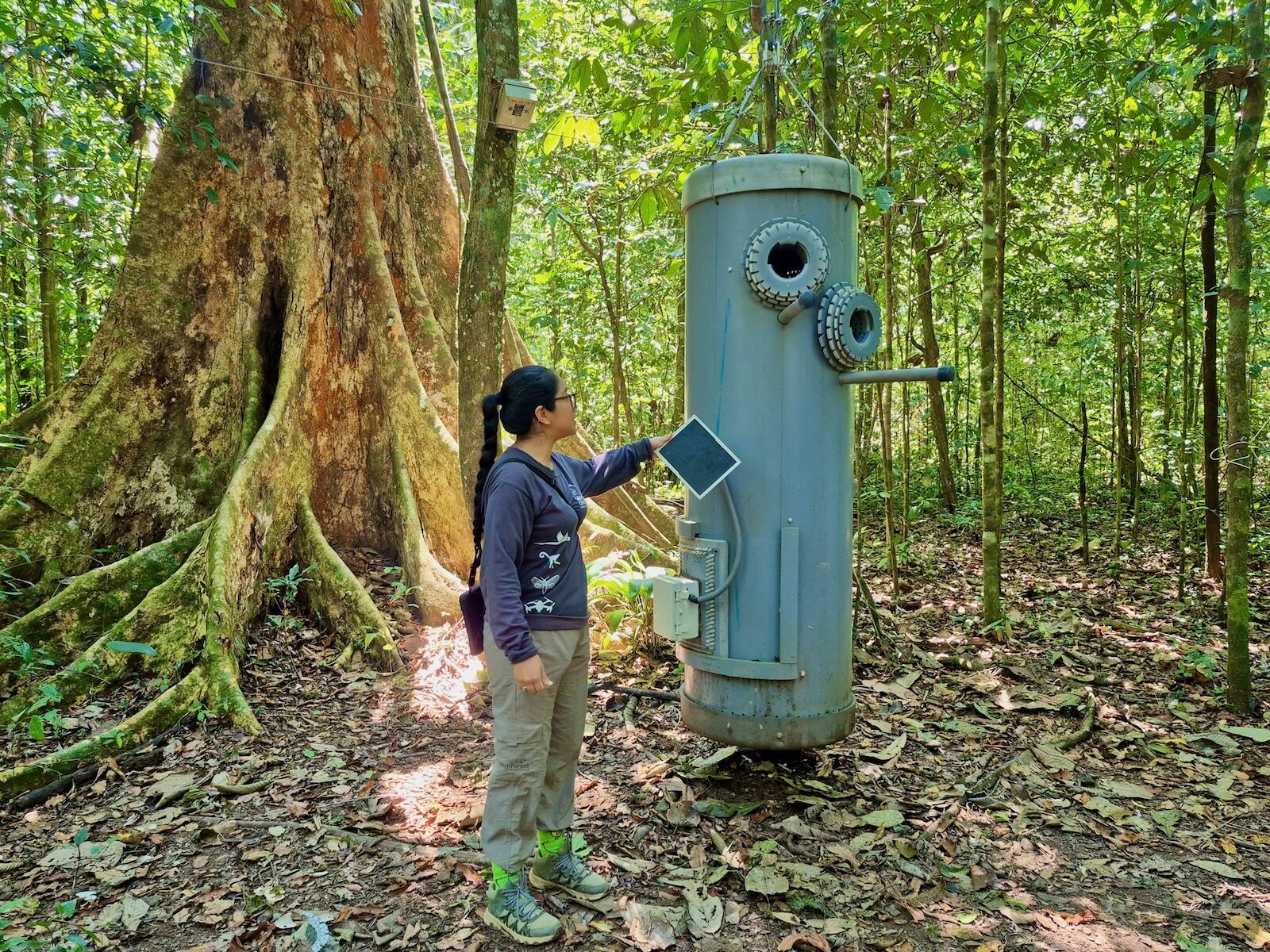
Aracely Yarasca, a marine scientist and current Wired Amazon Project Coordinator, views the integration of tourists as a strategic necessity. "We are moving past the era of the spectator," Yarasca notes. "By engaging guests in the collection of Lepidoptera specimens or the deployment of camera traps, we are not only gathering actionable data but also cultivating a global community of stakeholders who understand the fragility of this ecosystem."
Chronology of the Macaw Project
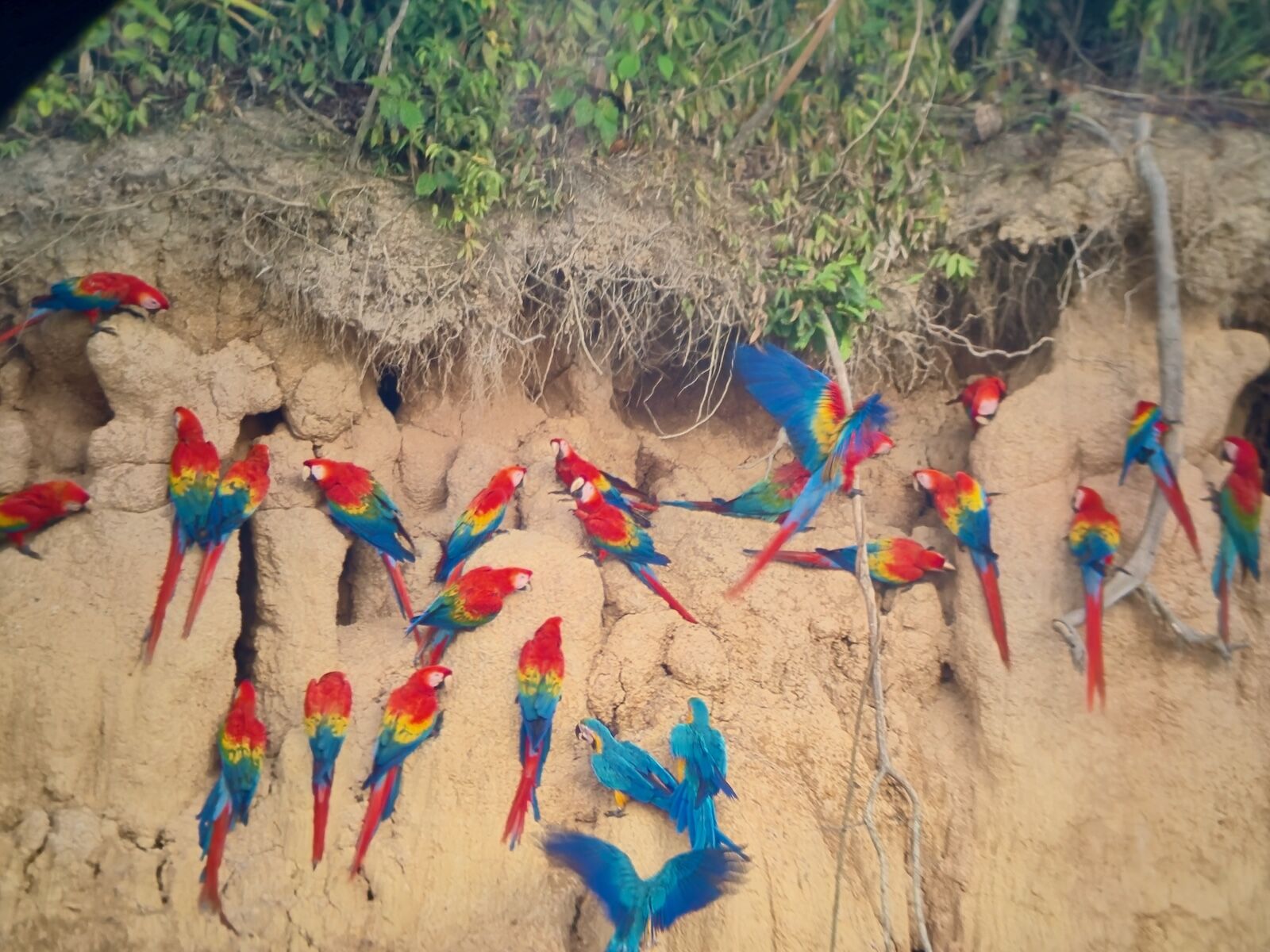
The conservation efforts in Tambopata are rooted in a historical timeline that dates back to 1989, when architect and photographer Eduardo Nycander first identified the critical importance of the region’s clay licks. These mineral-rich riverbanks provide macaws and parrots with essential sodium, calcium, and magnesium, which are necessary to neutralize toxins found in the seeds they consume.
In the decades following, researchers observed a steady decline in reproduction rates linked to habitat fragmentation. The Shihuahuaca tree, which provides the deep cavities required for macaw nesting, has faced increased pressure from logging. In response, the Macaw Project began installing artificial nests high within the forest canopy. These structures are equipped with internal monitoring cameras, allowing scientists to observe chick development without human interference. This longitudinal study has provided unprecedented insights into fledgling survival rates, predation patterns by toucans and olingos, and the life cycle of these iconic avian species.
Data-Driven Conservation and Technology
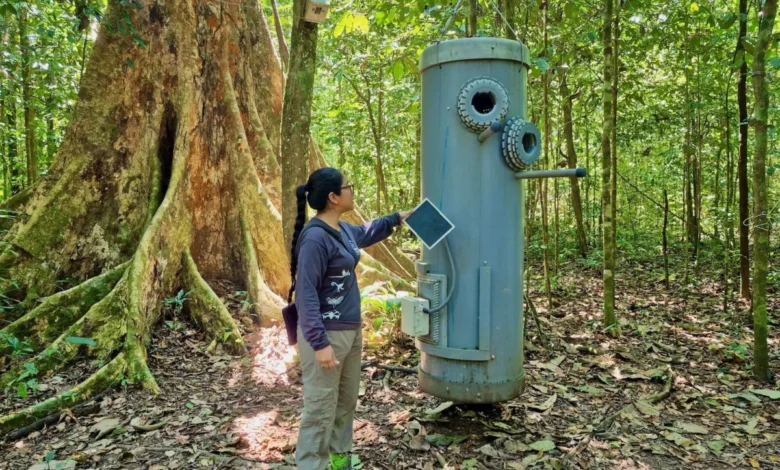
The integration of advanced technology is a cornerstone of the Wired Amazon methodology. The "8 Primates" project, led by Dr. Mark Bowler, utilizes bioacoustic monitoring to capture the vocalizations of spider, howler, and capuchin monkeys. By establishing a comprehensive library of primate calls, the research team aims to create a baseline for forest health. Because primates occupy the upper tiers of the food chain, their population stability serves as an indicator of the overall resilience of the jungle.
Furthermore, the project’s entomology wing is tackling the challenge of identifying "dark diversity"—species that exist but have yet to be cataloged by science. Participants in the "Discovering New Species" activity assist in trapping tiger and pyralid moths, which are subsequently processed for DNA barcoding. According to Yarasca, insects are critical "early-warning systems" for climate change. Shifts in insect populations often precede broader ecological collapses, making them essential metrics for researchers tracking the effects of rising water temperatures and altered rainfall patterns in the Madre de Dios department.
The Economic and Environmental Stakes
The Peruvian Amazon faces a complex array of threats, most notably illegal gold mining and unsustainable logging. These activities cause direct habitat destruction and contaminate river systems with mercury. While the TRC team acknowledges that their research cannot single-handedly halt these industrial pressures, they argue that the data gathered is essential for international advocacy.
"Strategic conservation requires an inventory," says Yarasca. "When we apply for international protected status for a tract of land, we must provide empirical evidence of its biodiversity. By documenting new species and recording primate populations, our citizen scientists provide the baseline data that supports the creation of new protected areas."
From a fiscal perspective, the inclusion of scientific activities provides a sustainable economic alternative to extractive industries for local communities. The operational costs of such research are significant, but they are subsidized by the eco-lodge model, which brings in high-value, low-impact tourism. Guests at the Tambopata Research Center pay for a luxury experience that inherently funds the maintenance of high-tech monitoring equipment and the salaries of local research staff.
Broader Implications for Global Science
The Wired Amazon model highlights a growing trend in global conservation: the democratisation of science. By teaching tourists how to use entomological tweezers, manage camera traps, and curate audio files, the project removes the "ivory tower" barrier often associated with biological research.
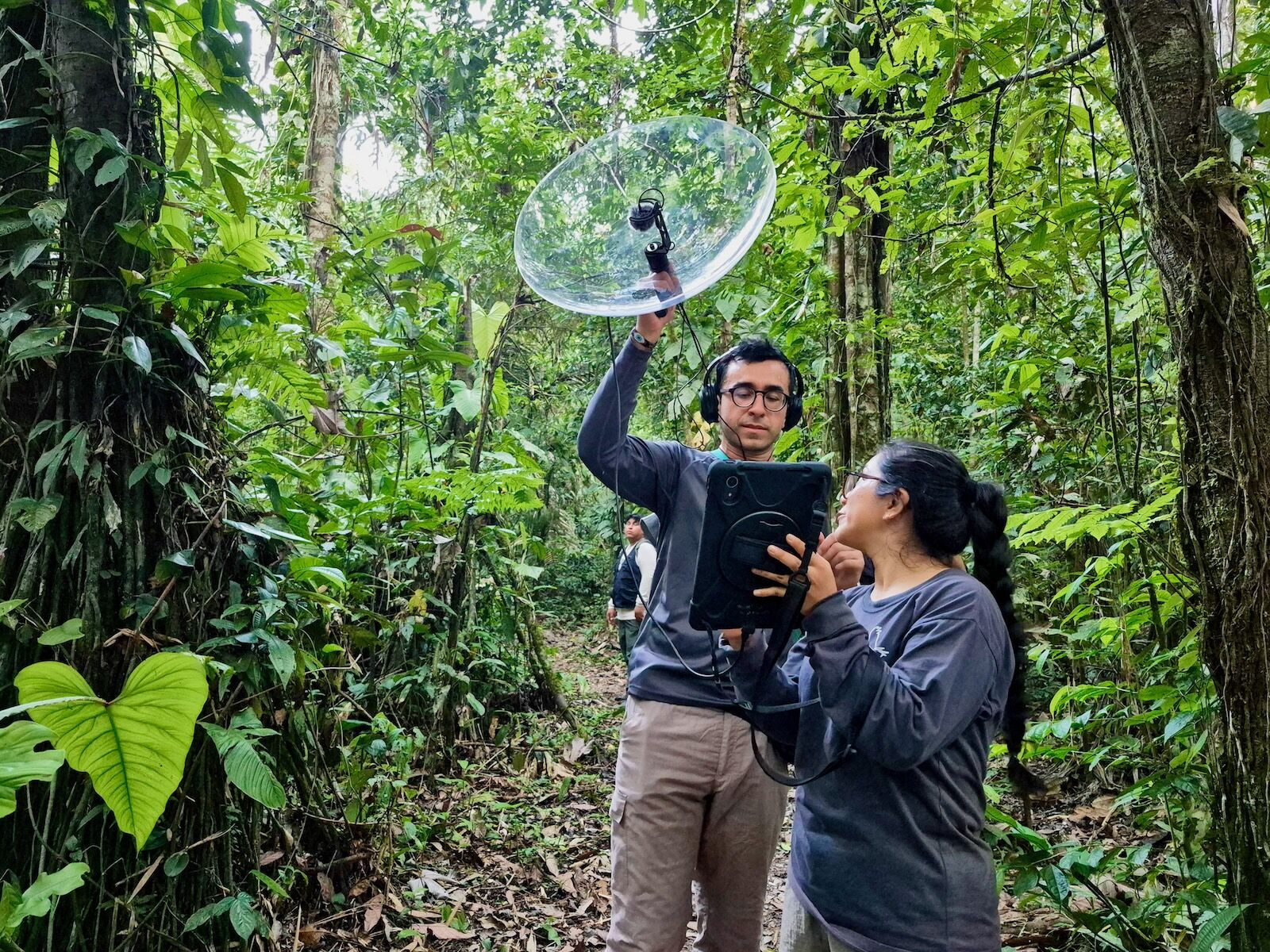
This, however, brings its own set of challenges. Critics of citizen science often point to the risk of data inconsistency. To mitigate this, the project employs rigorous training protocols and maintains professional oversight. Every specimen logged by a guest is verified by the scientific team, and audio recordings are processed through software to ensure they meet the standards required for peer-reviewed publication.
The long-term implication of this work is the creation of a "digital twin" of the Amazonian biodiversity. As climate change forces species to migrate or adapt, having a historical record of sounds, images, and genetic markers will be invaluable for future conservationists. It allows for a comparative analysis of how the forest has changed over time, providing the necessary context to make informed policy decisions at the regional and national levels.
A Look Toward the Future
As the Tambopata Research Center looks toward 2027 with the opening of the new Kuaii Amazonas lodge, the goal is to scale these research efforts. The demand for "purpose-driven travel" has seen a marked increase, with younger generations of travelers prioritizing the ethical impact of their vacations.
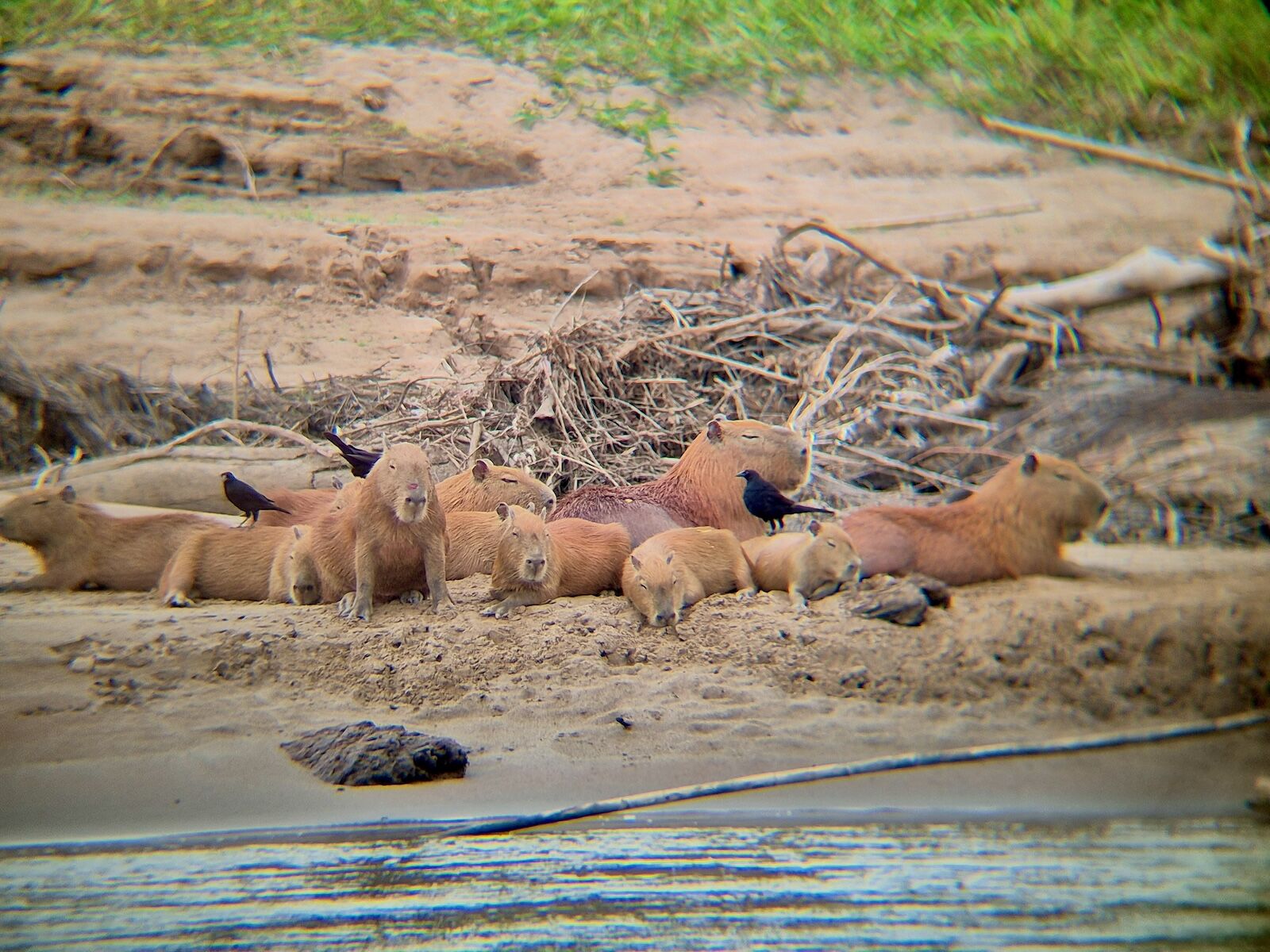
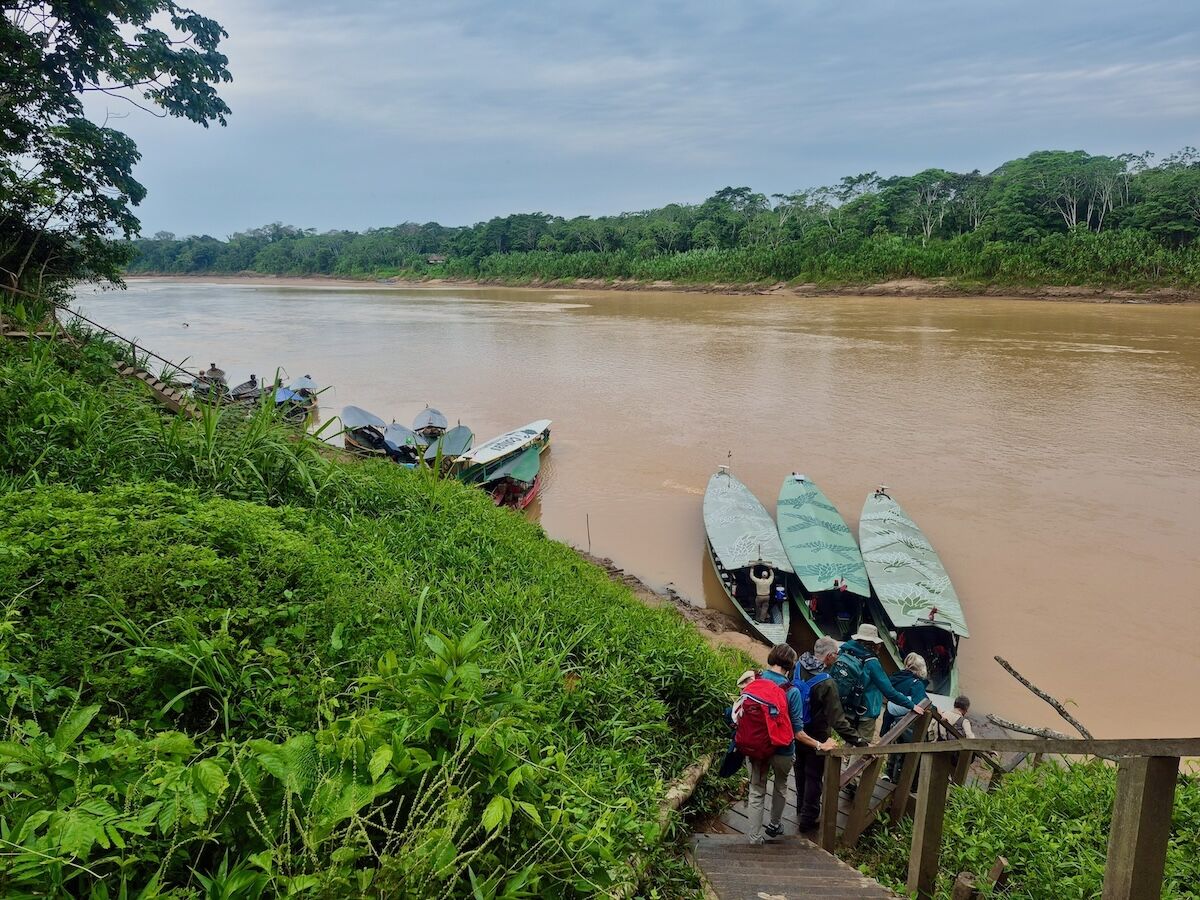
The logistical reality of the region remains demanding. Situated hours away from the nearest urban hub of Puerto Maldonado, the center operates as an isolated bastion of biodiversity. Visitors are greeted not just by the amenities of a lodge, but by the immediate, unfiltered reality of the rainforest. The nocturnal chorus of cicadas and katydids, the sight of caimans patrolling the riverbanks, and the daily gathering of macaws at the clay lick are constant reminders of the scale of the environment being protected.
Ultimately, the Wired Amazon initiative serves as a blueprint for how the tourism industry can pivot from being a mere consumer of natural landscapes to a primary contributor to their survival. The success of the project is not measured solely in guest satisfaction, but in the number of species cataloged, the durability of artificial nests, and the depth of the bioacoustic database. By transforming the traveler into an agent of change, the Tambopata Research Center is ensuring that the Amazon’s most critical stories are not only told but actively documented for posterity.
As Yarasca emphasizes, the work is never finished. The patience required to gather longitudinal data is a hurdle that the project meets with persistent, daily effort. Whether it is a child learning to identify a moth species or an adult researcher analyzing the vocalization patterns of howler monkeys, every participant in the Wired Amazon program is contributing to a mosaic of data that, one day, may be the only record of the biodiversity that once defined this vital corner of the planet. Through this fusion of high-end hospitality and rigorous field science, the project continues to prove that when the public is given the tools to understand the environment, they become its most dedicated defenders.