The Definitive Guide to Berlin Christmas Markets and Festive Season Travel

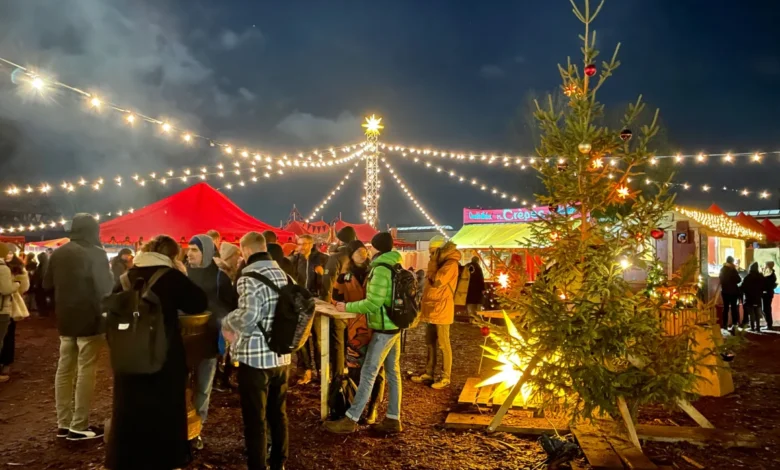
Berlin is home to one of the most diverse and expansive collections of Christmas markets in Europe, with the city hosting upwards of 70 distinct events throughout the Advent season. Unlike traditional German cities that centralize their holiday festivities around a single, historic square, Berlin’s markets are decentralized, reflecting the city’s complex geography and its history as a collection of independent boroughs. As the sun sets before 4:00 p.m. in December, these markets serve as vital social hubs, providing a cultural and economic anchor for the city during the darkest weeks of the winter.
The origins of the German Weihnachtsmarkt date back to the late Middle Ages, with the earliest iterations serving as practical winter supply fairs. Over the centuries, these gatherings evolved into the elaborate, atmospheric festivals witnessed today. In Berlin, the development of these markets has been unique. Following the reunification of the city, the proliferation of markets became a way to weave the disparate neighborhoods of East and West Berlin into a cohesive festive identity. Today, the sector represents a significant portion of the city’s winter tourism economy, drawing millions of domestic and international visitors annually.
The Evolution of the Berlin Festive Landscape
Historically, markets in cities like Nuremberg or Dresden dominated the cultural narrative of the German Christmas experience. Berlin, however, has carved out a niche by offering a hybrid model that blends traditional Bavarian-style chalets with experimental, urban, and international themes. The sheer volume of markets—ranging from intimate, weekend-only neighborhood gatherings to large-scale, month-long events at historic landmarks—demonstrates a commitment to preserving local community structures.

Data from the Berlin Tourism Board indicates that these markets are not merely aesthetic; they are essential for local commerce. Vendors, ranging from independent artisans to family-run food stalls, rely on the four weeks of Advent for a significant percentage of their annual revenue. The shift in recent years has seen a move toward higher quality, locally sourced artisanal goods, with many markets implementing sustainability initiatives, such as the use of reusable ceramic mugs for glühwein to reduce plastic and paper waste.
Primary Markets and Their Significance
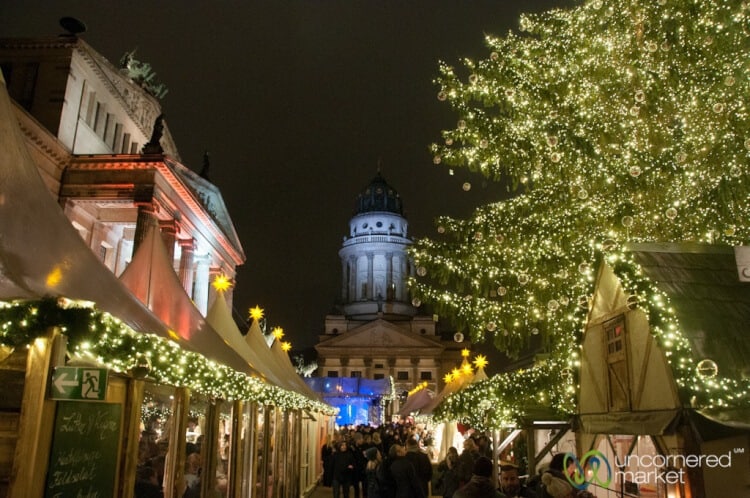
Among the most prominent is the WeihnachtsZauber Gendarmenmarkt. Set against the backdrop of the Konzerthaus and the French and German Cathedrals, it remains the gold standard for traditional aesthetic appeal. It requires an entry fee, a practice that has become increasingly common among major German markets to manage crowd control and ensure the quality of entertainment and facilities. The market is particularly noted for its emphasis on high-end crafts and sophisticated culinary offerings, moving away from the mass-produced trinkets found in more commercialized, tourist-heavy venues.

Schloss Charlottenburg provides a different, more regal atmosphere. Situated in the courtyard of a 300-year-old Baroque palace, the market benefits from architectural illumination that highlights the site’s historical importance. It is a prime example of how Berlin utilizes its architectural heritage to elevate the visitor experience, creating a juxtaposition between the cold, stark winter air and the warm, opulent history of the Prussian monarchy.
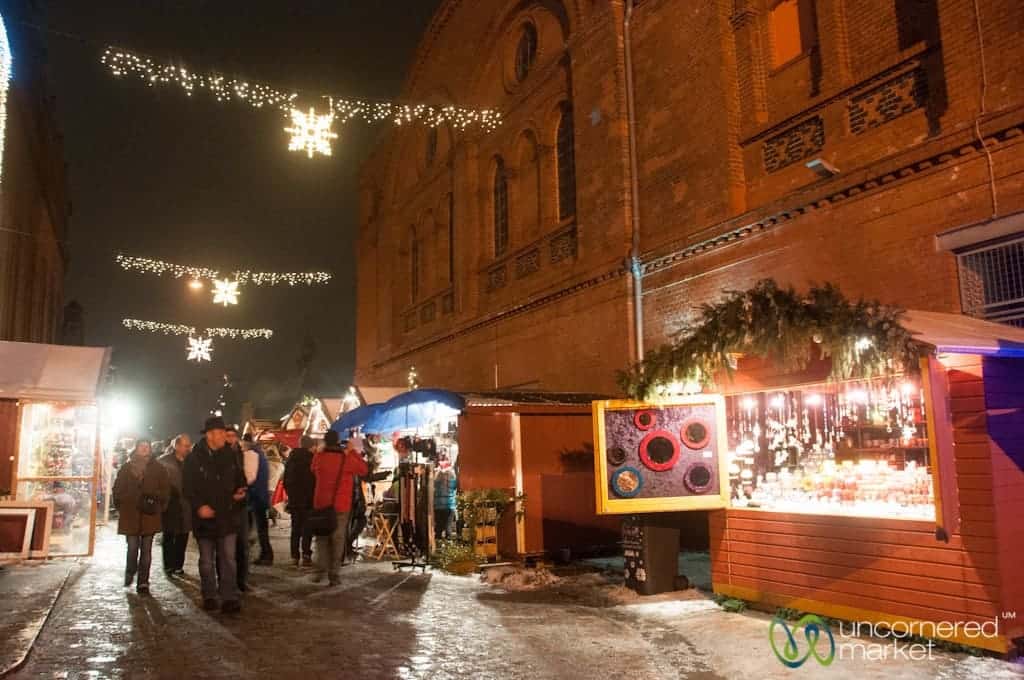
For those seeking a departure from the traditional German aesthetic, the Lucia Christmas Market at the Kulturbrauerei in Prenzlauer Berg offers a distinct Nordic-Scandinavian theme. Named after the Swedish festival of light, it features Swedish, Norwegian, and Danish traditions. The location—a former 19th-century industrial brewery—serves as a reminder of Berlin’s industrial past, repurposed for modern communal use. This market is frequently cited by urban planners as a successful model for adaptive reuse, where an industrial site is transformed into a vibrant cultural space during the off-season.

Neighborhood and Specialized Markets
Beyond the marquee events, the city’s strength lies in its smaller, localized markets. The Alt-Rixdorfer Christmas Market in Neukölln is a study in community engagement. Operated by local non-profits, schools, and civic organizations, it functions as a fundraiser, with proceeds supporting neighborhood initiatives. This model is reflective of a broader European trend toward "micro-tourism," where visitors seek out hyper-local experiences that offer a more authentic glimpse into the lives of residents.
The Medieval Historical Christmas Market at the RAW Cultural Center offers an immersive, albeit stylized, look at the past. By incorporating historical reenactments, traditional crafts like blacksmithing, and period-appropriate food, it targets families and history enthusiasts. The site itself, a repurposed industrial complex in Friedrichshain, emphasizes Berlin’s identity as a city that celebrates its gritty, alternative edges alongside its more polished historical attractions.

In neighboring Potsdam, the market experience is bolstered by its proximity to UNESCO World Heritage sites, such as the Sanssouci Palace. The integration of tourism and festive culture in Potsdam serves to distribute visitor foot traffic away from central Berlin, which is a key objective of regional tourism authorities looking to alleviate pressure on city center infrastructure.
Economic and Logistical Considerations
Visiting Berlin during the festive period requires careful planning due to the city’s vast size and the specific operating schedules of individual markets. Most markets open in late November and conclude either on December 23 or shortly after Christmas. The most popular markets, such as those at Gendarmenmarkt and Charlottenburg, often experience significant congestion on weekends. Visitors are advised to prioritize mid-week visits, which offer a more subdued and authentic atmosphere.
From an administrative perspective, the organization of these markets involves coordination between local borough authorities, private event organizers, and the city’s security apparatus. Following the 2016 incident at Breitscheidplatz, safety protocols at all major markets in Germany were significantly overhauled. Today, visitors will notice unobtrusive but effective security measures, including vehicle barriers and an increased presence of safety personnel, which have become a standard, if sobering, feature of the modern European Christmas market experience.
Broader Impact and Future Trends
The cultural impact of the Christmas market in Berlin extends far beyond the consumption of food and drink. These spaces act as "third places"—social environments distinct from the home and the workplace—that are essential for fostering community cohesion in an increasingly digital and atomized society. As the cost of living fluctuates and tourism patterns shift, the resilience of these markets depends on their ability to remain relevant to both the international traveler and the local citizen.

Looking forward, analysts expect a continued focus on environmental responsibility and authenticity. The "commercialization" of markets is a common critique, but it is also a driver of their economic success. The balance between maintaining the traditional spirit of Advent and meeting the demands of a modern, globalized tourism market remains the central challenge for organizers. As of 2026, the trend indicates that markets which prioritize unique, artisanal products and authentic local food are outperforming those that rely on generic, mass-produced merchandise.
In summary, Berlin’s Christmas markets offer a multifaceted experience that is as much about the city’s social history as it is about holiday cheer. By visiting both the grand, historic sites and the smaller, neighborhood-run squares, travelers can gain a comprehensive understanding of how Berliners navigate the winter season—a blend of history, community, and the persistent, warm glow of a thousand fairy lights against the winter sky.