The Essential Guide to Navigating Berlin’s Diverse Christmas Market Landscape

Berlin’s transformation during the Advent season represents a significant cultural and economic shift for the German capital. While traditional hubs like Munich or Nuremberg are often cited for their historical longevity, Berlin has developed a decentralized, expansive network of over 70 distinct Christmas markets. This seasonal phenomenon, which typically spans from late November through the first week of January, serves as a vital social pillar for local residents and a primary driver for the city’s winter tourism sector.
The Evolution of the Berlin Christmas Market Phenomenon
The concept of the Weihnachtsmarkt—or Adventsmarkt—has deep historical roots in Germany, dating back to the late Middle Ages. Originally designed to provide townspeople with the supplies needed for the winter months, these markets have evolved into complex social spaces. In Berlin, the development of these markets is uniquely tied to the city’s fragmented urban geography. Because Berlin lacks a single historical town center, its Christmas markets are scattered across various districts, each reflecting the character of its local neighborhood.
Over the past decade, the scale of these events has grown substantially. In 2015, the city hosted a few dozen organized markets. By the 2022 and 2024 seasons, the count reached approximately 70, ranging from large-scale, ticketed commercial events to intimate, weekend-only neighborhood gatherings. This expansion is supported by local government initiatives and tourism boards that view these markets as essential for maintaining economic activity during the otherwise quiet winter solstice period.

Key Seasonal Data and Operational Logistics
For the 2024-2025 season, the official start date for the majority of Berlin’s markets was November 25, 2024. Most installations remain operational until the final days of December, with several extending their services into the first week of January.
The logistical requirements for these markets are significant. Organizers must coordinate with district authorities for street closures, public safety measures, and power distribution. The environmental and economic impact is notable; millions of visitors pass through these sites annually. Local artisans, food vendors, and small business owners rely on these four weeks to generate a significant portion of their annual revenue. In response to the high volume of visitors, Berlin’s public transit authority, the BVG, typically adjusts schedules to accommodate the increased flow of commuters and tourists between market hubs.

Categorizing the Market Experience: Traditional vs. Contemporary
Market-goers in Berlin generally divide these events into three categories: historical-traditional, neighborhood-authentic, and alternative-modern.
1. The Traditional Benchmark: Gendarmenmarkt (WeihnachtsZauber)
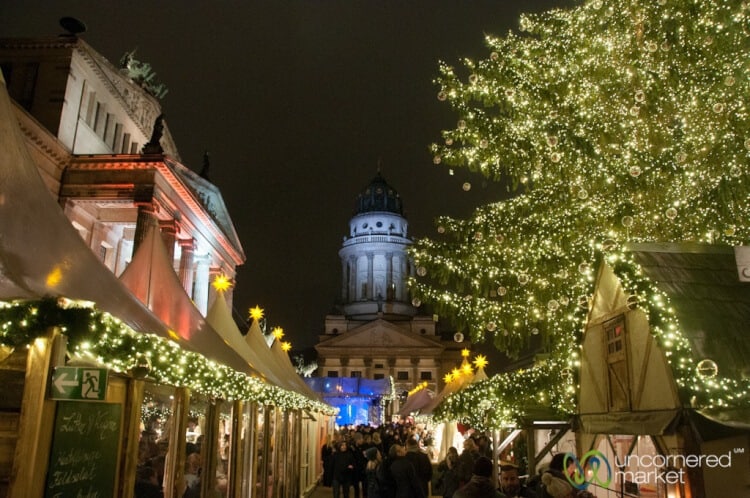
Widely regarded as the city’s most prestigious market, the Gendarmenmarkt is located in the Mitte district. It is defined by its architectural backdrop, set between the French Cathedral and the German Cathedral. This market is notable for its stringent quality control; vendors are vetted for the craftsmanship of their goods, and food offerings are curated to reflect high-end culinary standards. Its implementation of a nominal entrance fee (typically €1) is a strategic measure to manage crowd density and fund the high-quality stage performances and security services provided throughout the season.

2. Palatial Elegance: Schloss Charlottenburg
The market at Schloss Charlottenburg offers a juxtaposition of 18th-century Baroque architecture and seasonal festivities. The administration of this site emphasizes the historical aesthetic, utilizing large-scale wooden Christmas pyramids—a hallmark of Erzgebirge craftsmanship—and a sophisticated lighting design that illuminates the palace facade. This venue serves as a case study in using heritage sites to enhance the visitor experience.
3. The Industrial-Alternative: Kulturbrauerei and RAW
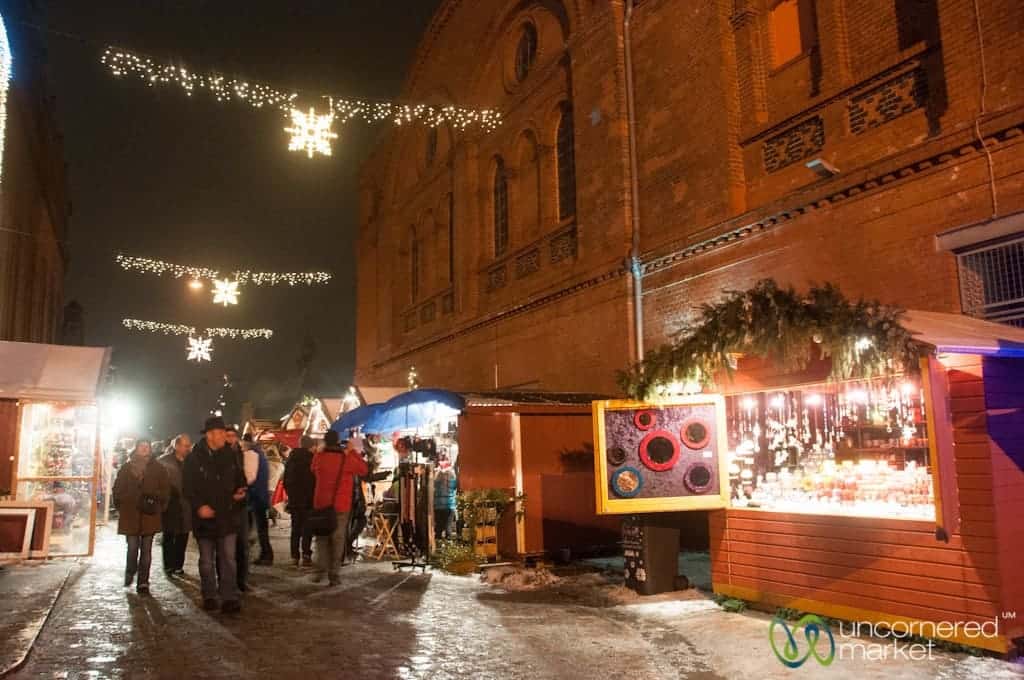
Berlin’s "alternative" markets, such as the Lucia Christmas Market at the Kulturbrauerei and the Medieval Market at the RAW Cultural Center, highlight the city’s post-reunification urban identity. The Lucia market, situated in a former 19th-century brewery, focuses on Nordic and Scandinavian traditions, providing a distinct departure from the typical Bavarian-style markets. Meanwhile, the RAW site in Friedrichshain leans into the "medieval" aesthetic, prioritizing hands-on experiences like archery and axe-throwing, which are designed to appeal to families and younger demographics seeking an immersive, non-commercial experience.

Economic and Social Implications
The proliferation of neighborhood-specific markets, such as the Alt-Rixdorfer market in Neukölln, underscores the shift toward community-driven events. These markets often operate as fundraisers for local schools, volunteer fire departments, and neighborhood charities.
From an economic standpoint, the "market season" is a vital stimulus. Official data from VisitBerlin consistently identifies the winter season as a peak period for hotel occupancy. However, the reliance on these events creates a vulnerability; severe winter weather or public health considerations can lead to rapid shifts in attendance. Municipal officials have increasingly focused on the "sustainability" of these markets, encouraging vendors to move away from single-use plastics and toward locally sourced, organic food products, such as those found at the Domäne Dahlem market.
Strategic Planning for Visitors
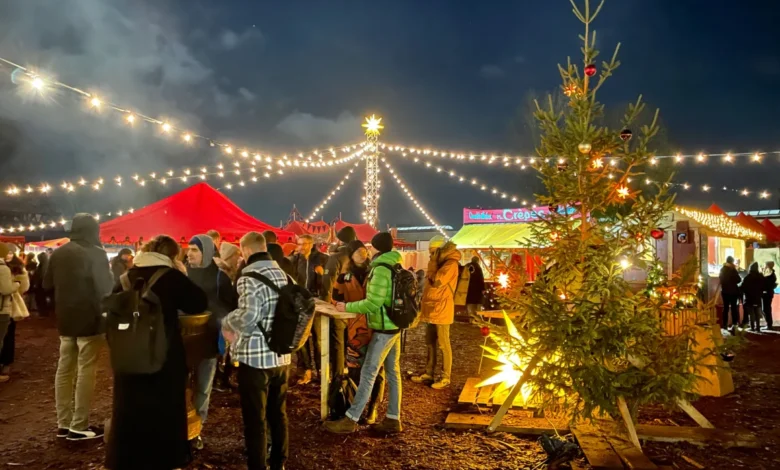
For those planning to visit Berlin during the Advent season, the abundance of choice necessitates a strategic approach. Because the sun sets in Berlin before 4:00 PM throughout December, the atmosphere at these markets is inherently nocturnal. The visual appeal of the markets—characterized by the warm glow of string lights against the cold, industrial backdrop of the city—is best experienced in the early evening.
Travelers are encouraged to research the specific operational hours of smaller, neighborhood-based markets, as these often run for only a single weekend or specific Advent dates. Larger markets, by contrast, offer consistent schedules, making them more reliable for those with limited time.

Future Outlook and Policy Trends
Looking ahead, the city government is expected to continue supporting the decentralization of Christmas markets. By distributing crowds across multiple districts—from the western outskirts in Spandau to the southern reaches of Britz—the city prevents the overcrowding of central hubs while ensuring that the economic benefits of the holiday season are shared across Berlin’s diverse neighborhoods.
The integration of digital resources, such as live updates on crowd density and standardized online ticketing for the larger, fee-based markets, represents the next phase in the professionalization of the Berlin Christmas market circuit. As the city continues to balance its reputation as a modern, forward-thinking metropolis with its desire to honor the traditional German Weihnachtsmarkt heritage, the market landscape will likely remain one of the most dynamic aspects of the European winter travel experience.