The Grand America Hotel: An In-Depth Look at Salt Lake City’s Premier Family-Friendly Luxury Destination


The Grand America Hotel, a cornerstone of Salt Lake City’s hospitality sector, has established a reputation that transcends its traditional identity as a high-end, adult-oriented venue. While the property, known for its European-inspired architecture and opulent interior design, is frequently associated with business travel and formal events, recent operational shifts and amenity expansions have cemented its status as a primary destination for family tourism in Utah. With its strategic location in the heart of the state capital, the hotel has balanced the requirements of a luxury establishment with the practical needs of traveling families, providing a unique case study in modern hotel management and guest experience optimization.
Architectural Context and Historical Significance
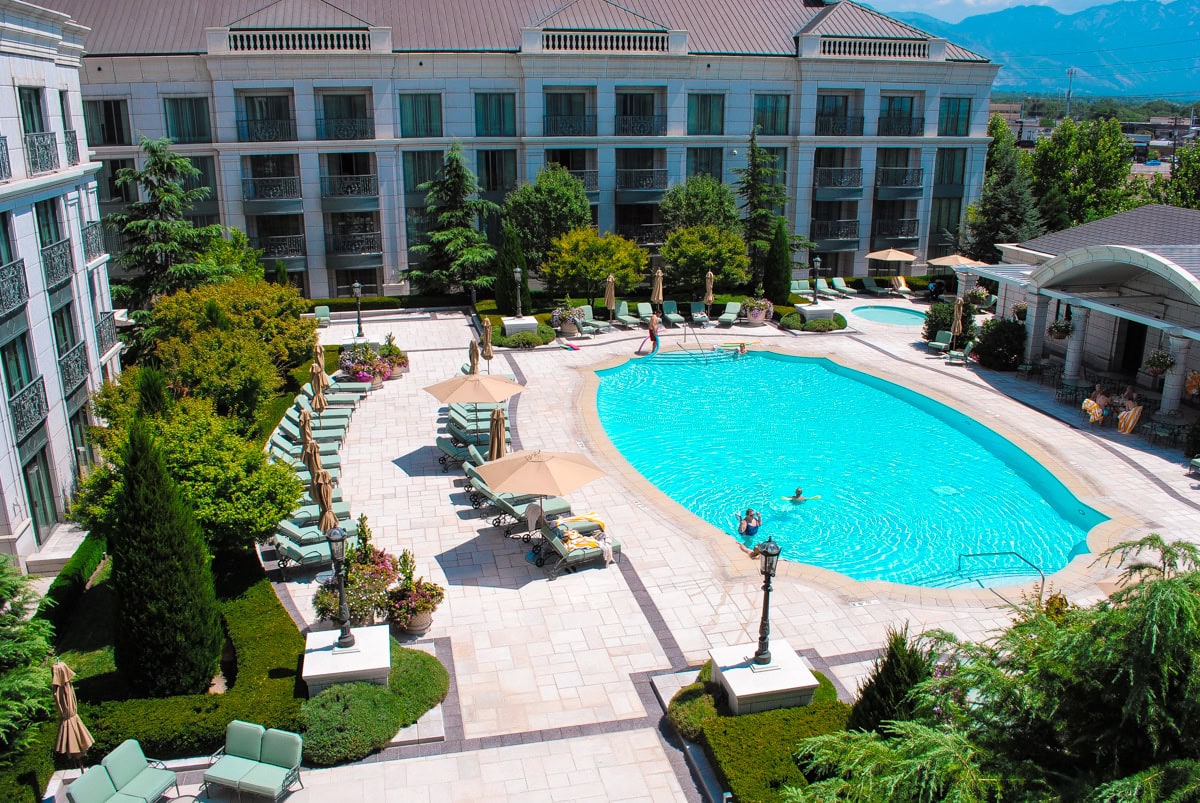
Occupying a sprawling 10-acre site, The Grand America Hotel was conceptualized and developed to meet the hospitality demands of the 2002 Winter Olympic Games. Since its opening, the property has served as a landmark in downtown Salt Lake City, defined by its distinctive copper roof, intricate granite masonry, and expansive landscaped courtyards. The building’s design reflects a commitment to Old World craftsmanship, featuring hand-blown glass chandeliers, imported fabrics, and marble fixtures. These architectural choices, while intended to convey prestige, also provide a sense of wonder that has proven to be a significant draw for younger guests, particularly in an era where experiential travel has become a dominant trend in the hospitality industry.
Analysis of the Family-Centric Hospitality Model
The hotel’s pivot toward family accommodations is supported by a robust infrastructure designed to reduce the friction often associated with traveling with children. In the hospitality sector, the "luxury family" segment is characterized by a demand for both high-end service and child-specific provisions. The Grand America addresses this by offering a suite of essential amenities, including high-capacity cribs, rollaway bed configurations, and specialized equipment such as bottle warmers and high chairs, which are available upon request.
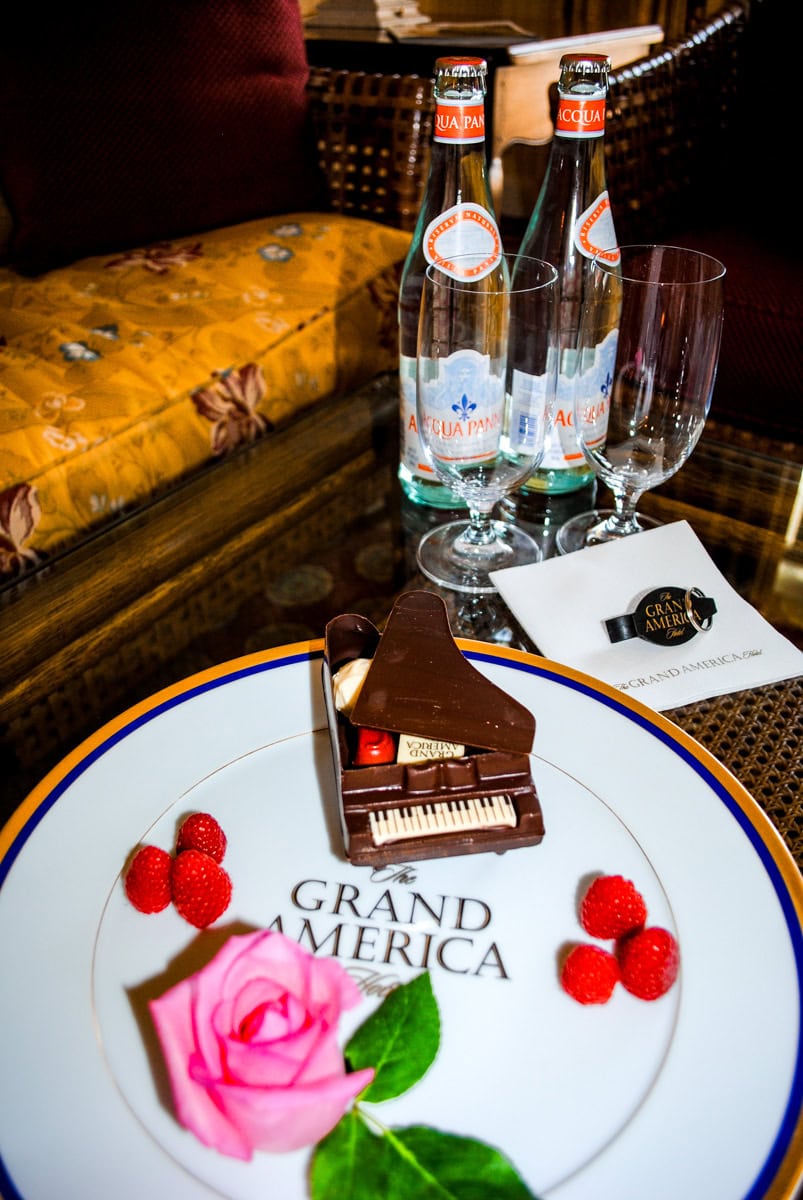
From an operational standpoint, this model is highly effective. By removing the logistical burden from parents, the hotel increases guest loyalty and encourages longer average lengths of stay. Furthermore, the inclusion of "VIP" touches—such as personalized check-in surprises and curated in-room deliveries—aligns with current industry standards for personalized guest experiences.
Recreational Assets: Pools and Leisure Facilities
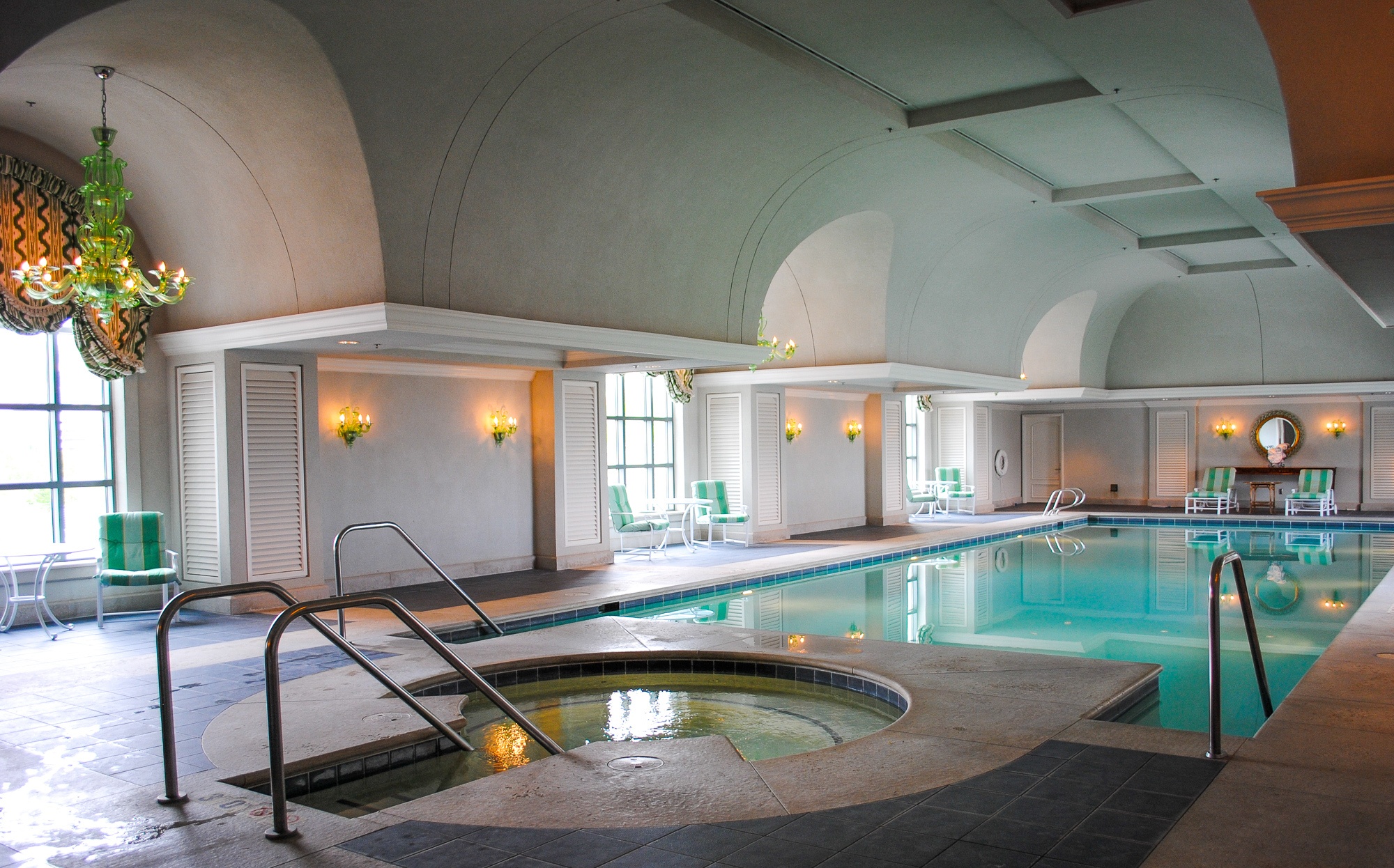
The hotel operates two distinct aquatic facilities, which serve as the primary hubs for leisure during the warmer months and throughout the year. The outdoor courtyard pool, which features a design aesthetic reminiscent of early 20th-century luxury, serves as a focal point for the property. Data suggests that properties with high-quality, accessible recreational facilities experience higher occupancy rates during peak family travel seasons, such as summer holidays and spring break.
The indoor pool, located within the hotel’s spa complex, offers a year-round alternative. It is notable for its integration of aesthetic elements, such as the Chihuly-inspired lighting fixtures, which enhance the environment for guests. The facility’s fourth-floor location provides panoramic views of the downtown skyline, integrating the urban landscape into the leisure experience. This design strategy serves to differentiate the hotel from more standard suburban resorts, providing a sophisticated backdrop for family activities.
Retail and Culinary Integration
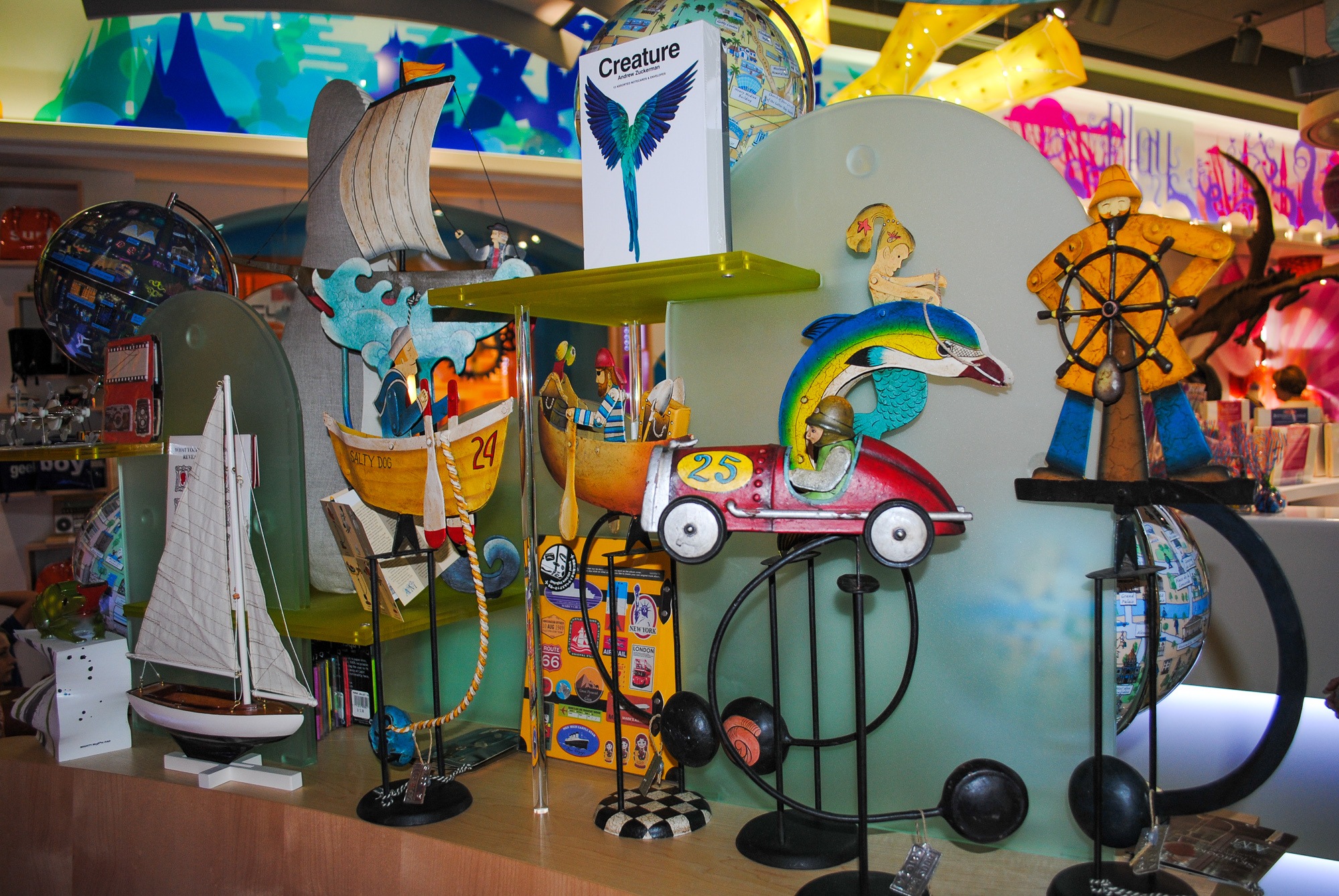
A significant component of the hotel’s appeal to families is the integration of on-site retail and food services that cater specifically to children. The JouJou Toy Store represents a departure from the standard hotel gift shop model, offering an immersive environment featuring interactive displays and traditional retail offerings. This creates a "destination" within the hotel, reducing the need for guests to leave the property for entertainment.
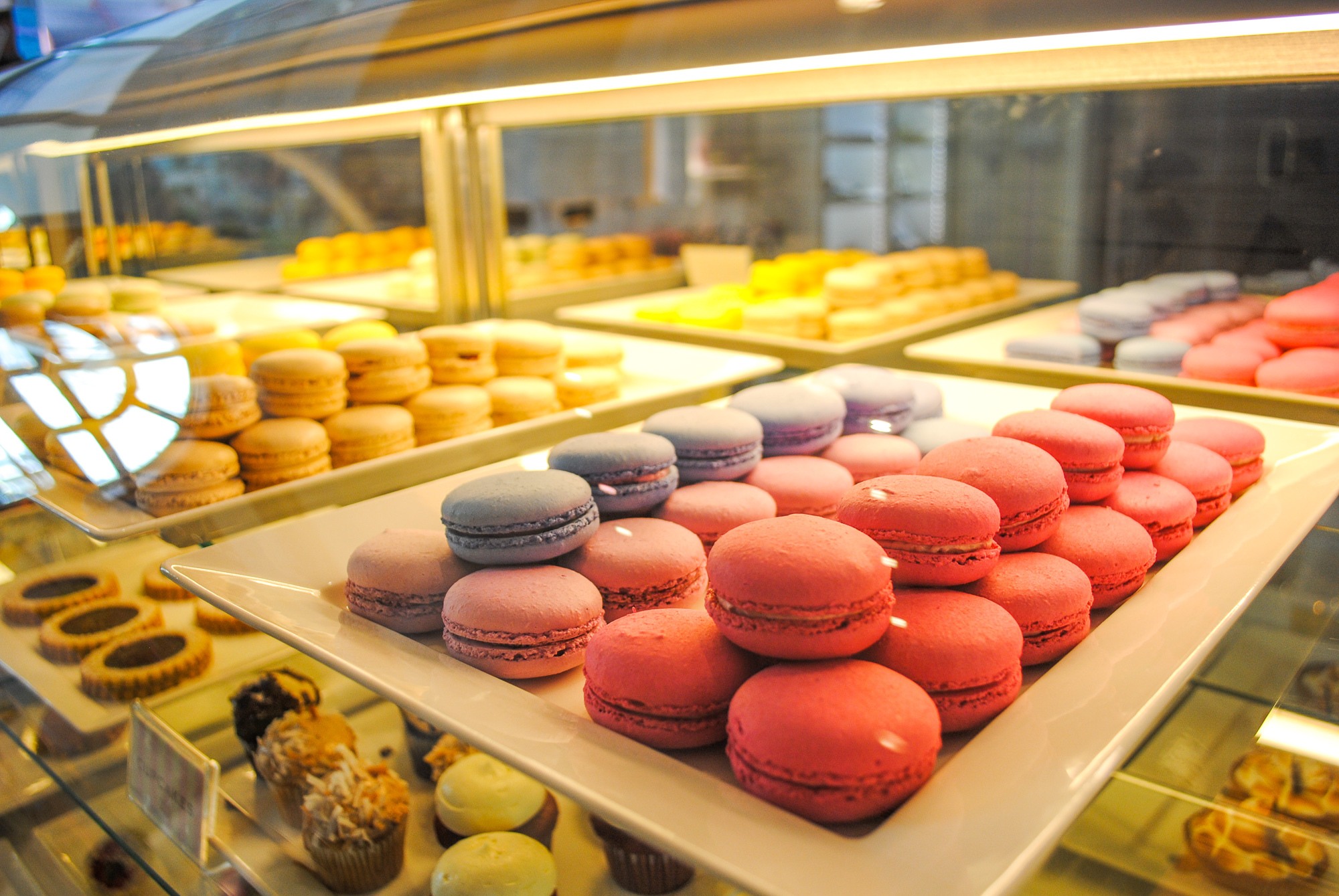
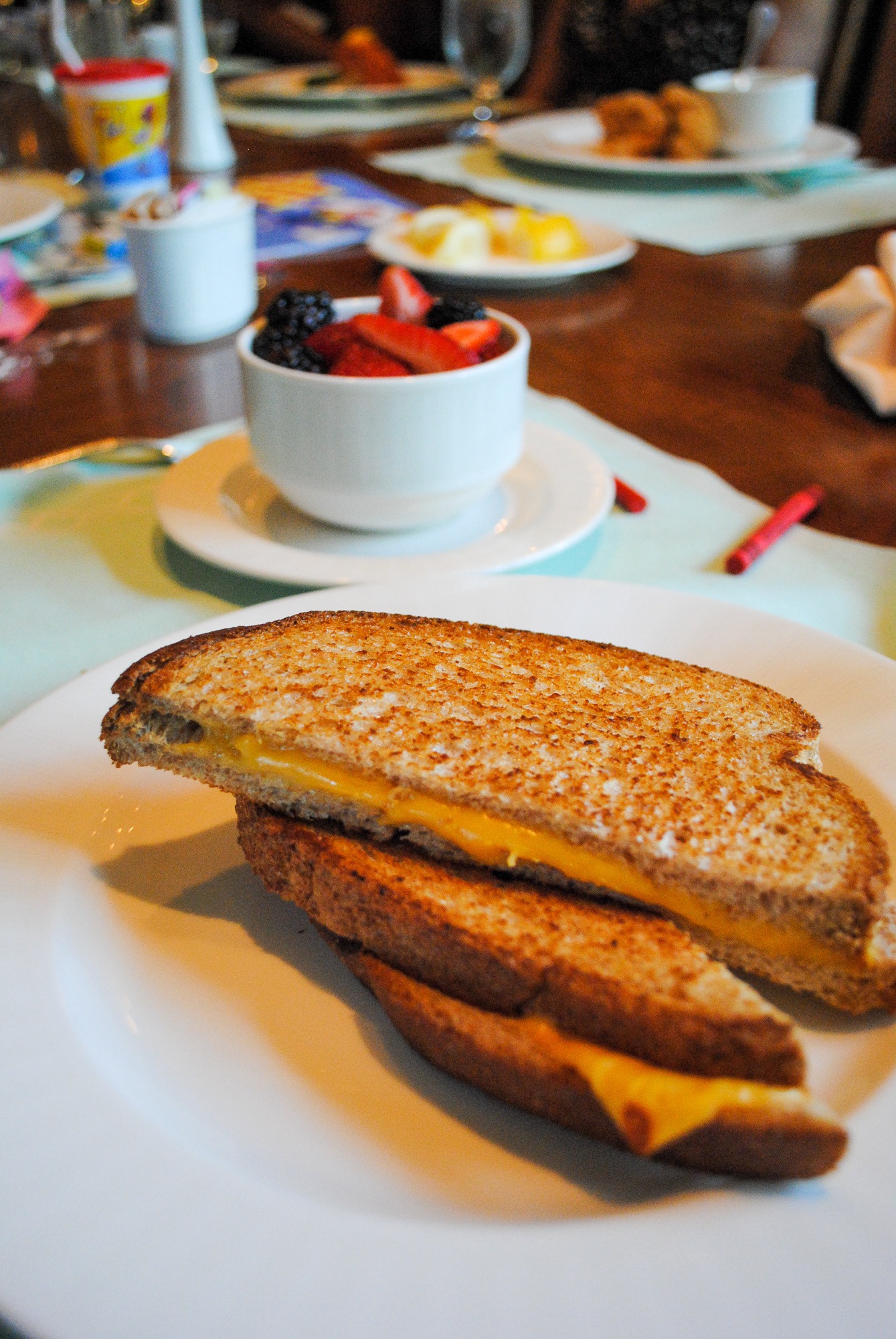
Culinary offerings at the property follow a similar trajectory. The Laurel Brasserie & Bar, along with the Bonne Vie pastry shop, provides a tiered dining experience. The Sunday Brunch, a staple of the local culinary scene, incorporates specialized sections for children, a move that directly addresses the "family-inclusive" trend. By providing high-quality, age-appropriate food options within a fine-dining framework, the hotel captures a demographic that might otherwise seek external dining alternatives.
Economic and Geographic Implications
The Grand America Hotel’s proximity to Salt Lake City’s major cultural institutions provides a strategic advantage. It is situated within walking distance of the City Creek Center and a short distance from the Discovery Gateway Children’s Museum and Liberty Park. This connectivity allows for a "hub-and-spoke" approach to tourism, where the hotel serves as the central base for broader exploration of the region, including the Red Butte Garden and the Natural History Museum of Utah.
From a macroeconomic perspective, the hotel’s ability to attract families contributes significantly to the local tourism economy. As Salt Lake City continues to grow as a year-round destination—transitioning from a seasonal winter sports hub to a diversified travel market—establishments like The Grand America play a vital role in maintaining the city’s competitiveness.
Management and Service Philosophy
The management’s approach to service is characterized by an acknowledgment of the "boisterous" nature of family travel. By training staff to accommodate children with the same level of professionalism as business executives, the hotel fosters an environment where families do not feel inhibited by the formal surroundings. This service culture is a critical component of the hotel’s success, as the luxury market is increasingly moving away from exclusionary, stuffy environments toward inclusive, high-service models.
Future Outlook and Strategic Development
Looking forward, the hotel’s strategy appears focused on maintaining its luxury status while continuing to refine its family-oriented offerings. As competition in the luxury hotel sector intensifies, the ability to cater to multi-generational travelers will be a key differentiator. The lack of an on-site, dedicated children’s club or childcare service remains a potential area for future growth, though the hotel currently mitigates this by providing concierge-vetted local resources.
In conclusion, The Grand America Hotel stands as a prime example of a property that has successfully navigated the shift toward family-focused luxury. By investing in physical infrastructure, curating specific retail and culinary experiences, and fostering an inclusive service philosophy, the hotel has secured its place as a top-tier destination for families visiting the American West. Its operational success offers valuable insights into the future of urban hospitality, where the convergence of luxury and family-friendliness is no longer an anomaly but a standard for high-end properties.