Multi-Generational Travel Trends Highlight the Deepening Bonds of Extended Family Getaways Across Europe

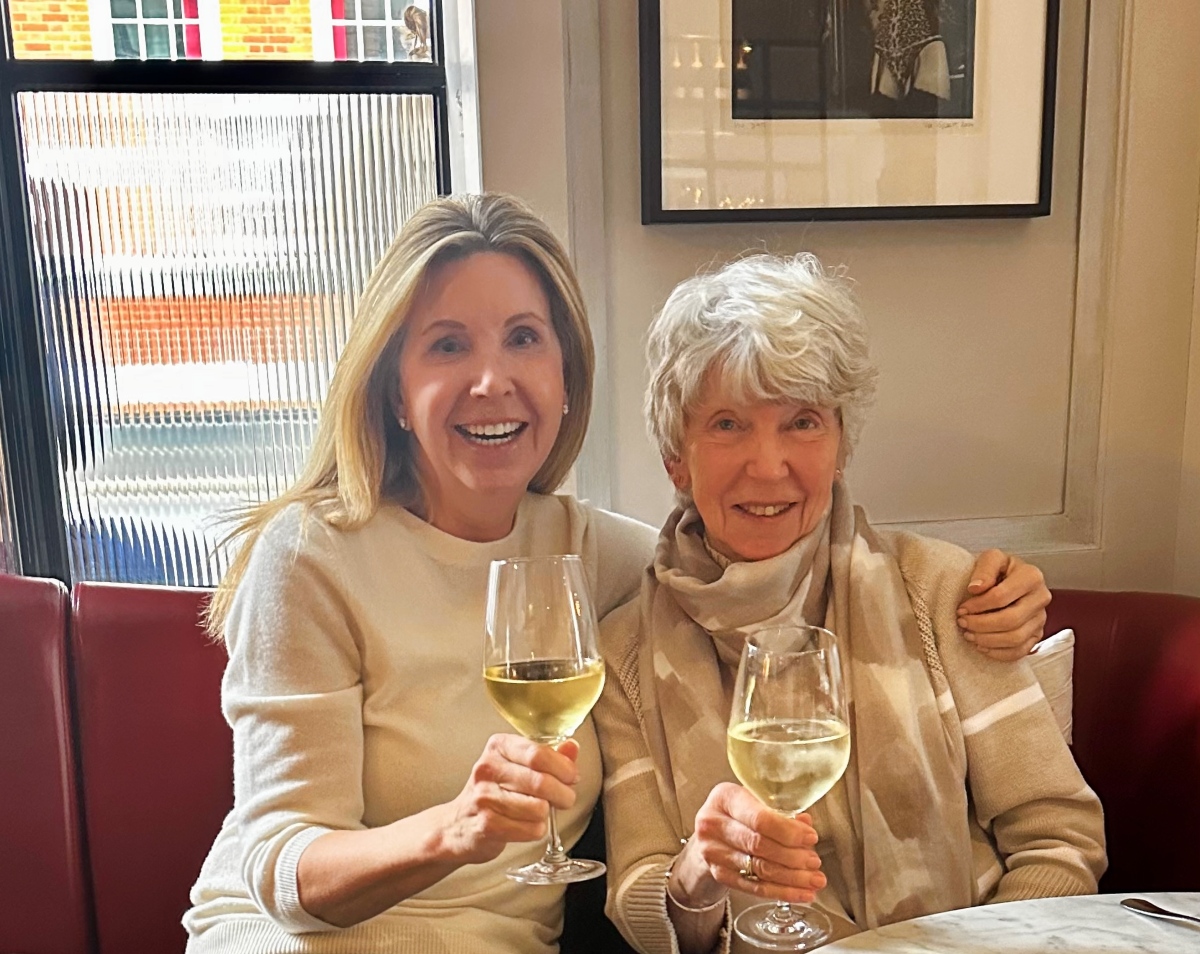
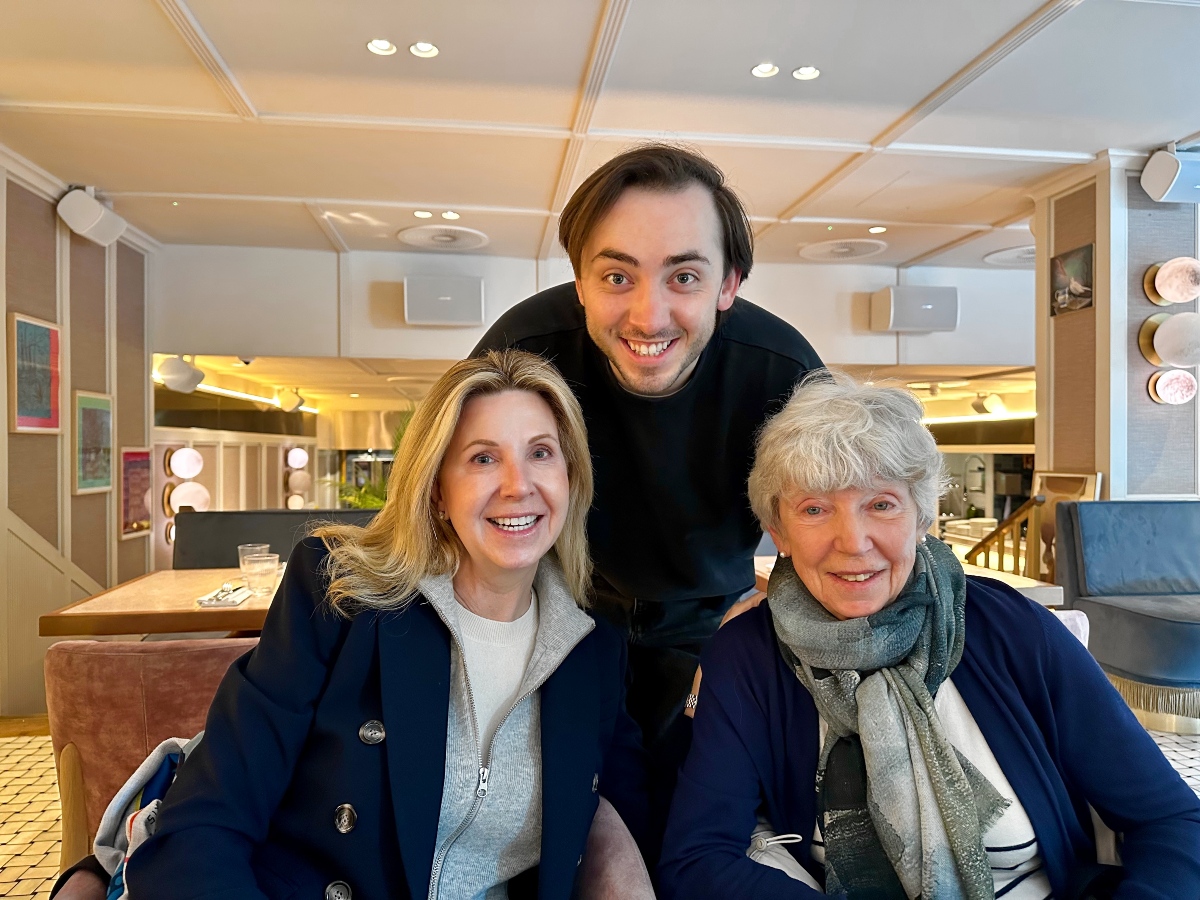
The modern landscape of family travel has evolved far beyond traditional nuclear-family summer vacations. Increasingly, multi-generational travel is capturing the attention of sociologists, tourism boards, and luxury travel curators alike. A striking example of this trend is embodied by the recent eight-day United Kingdom itinerary undertaken by Becky O’Grady and her 86-year-old mother, Jackie Castle. Planned meticulously by Ciao Bambino Senior Travel Advisor Susan Robinson, the journey bridged generations, connecting an octogenarian mother with her adult daughter and, subsequently, with O’Grady’s college-aged son residing in London.
This journey serves as more than just a heartwarming human-interest story; it acts as a micro-case study in the logistics, psychological benefits, and economic implications of late-life adventure tourism. As global life expectancies rise and older adults remain more physically and intellectually vibrant than previous generations, the travel industry is witnessing a distinct surge in bucket-list trips designed specifically for seniors and their adult children.
Main Facts of the Itinerary and Logistical Execution
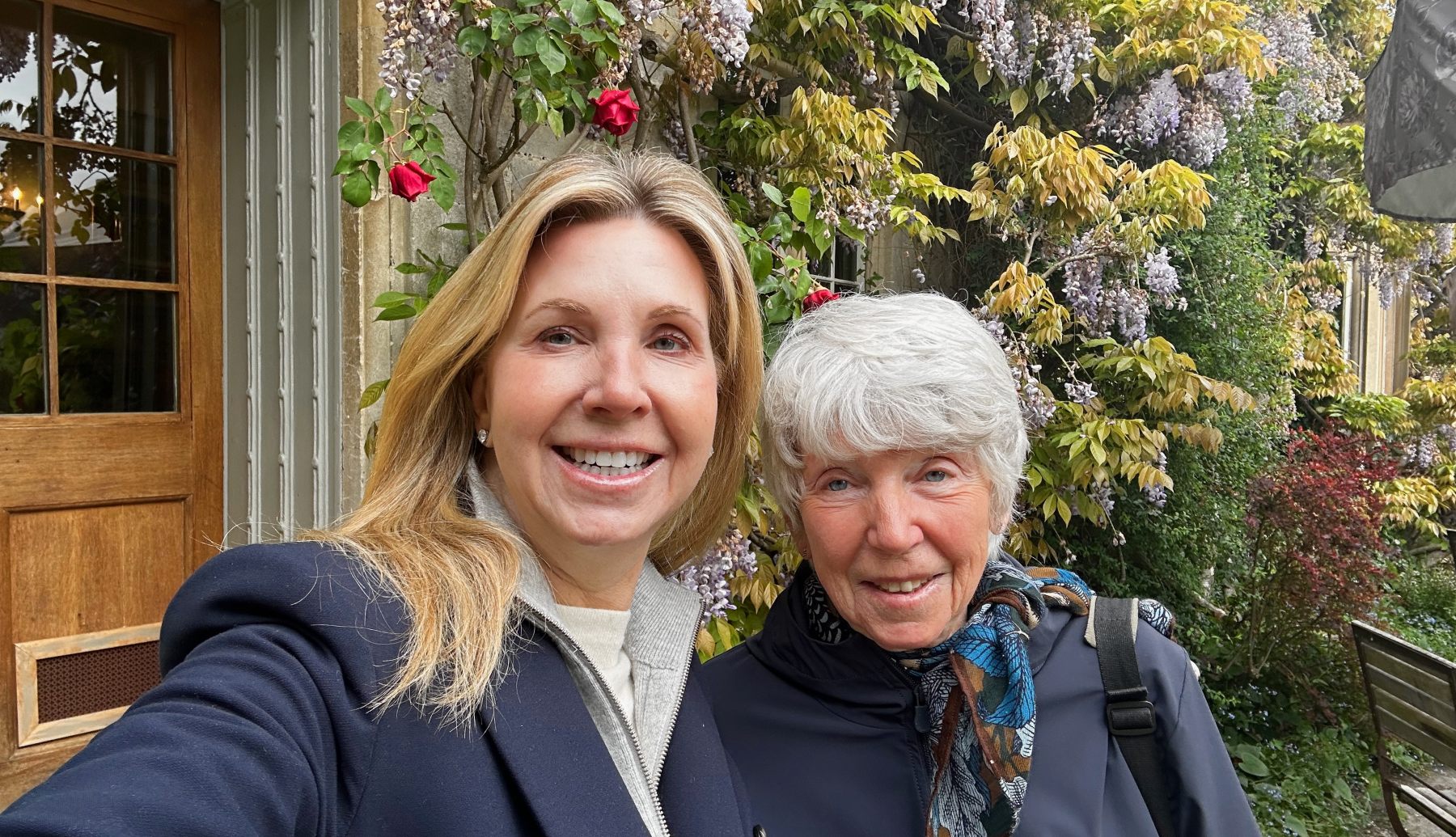
The eight-day excursion was engineered to balance high historical engagement with the necessary physical pacing required for an 86-year-old traveler. Jackie Castle, a retired academic with a PhD in English and an active daily regimen of swimming and yoga, demonstrated that chronological age is rarely a definitive barrier to international exploration when supported by thoughtful planning.
The itinerary began in London, allowing the duo to integrate seamlessly into the daily life of O’Grady’s son. Rather than relying solely on tourist hubs, the family prioritized hyper-local immersion: walking neighborhood streets, visiting corner grocery stores, and navigating public transit networks like the London Underground.
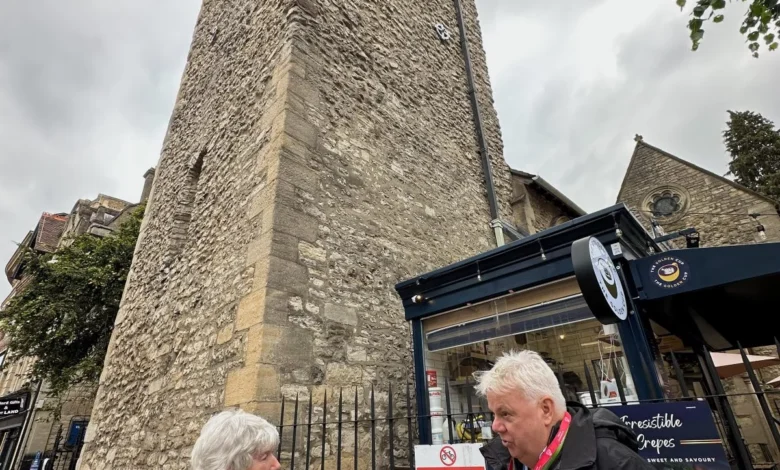
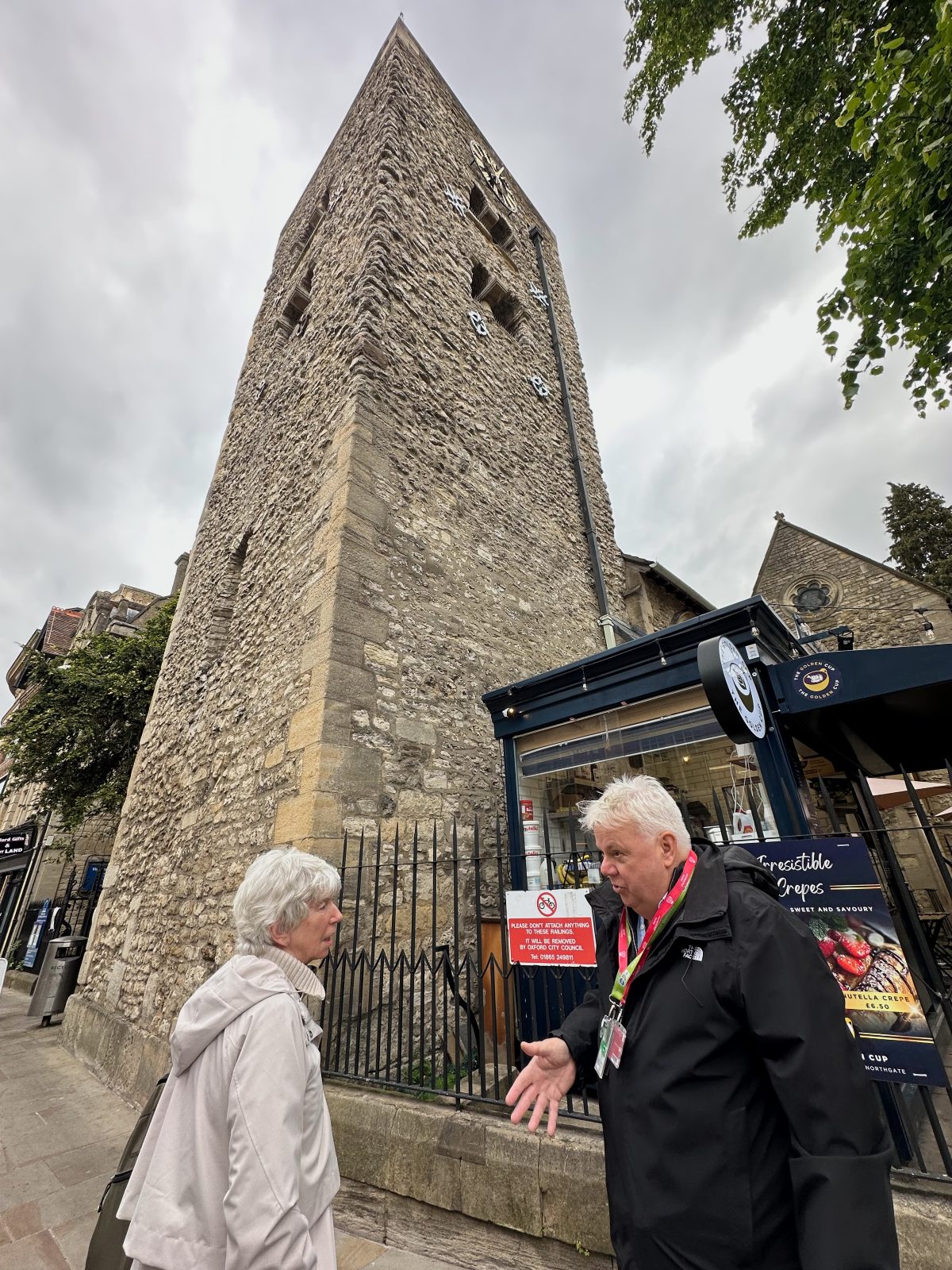
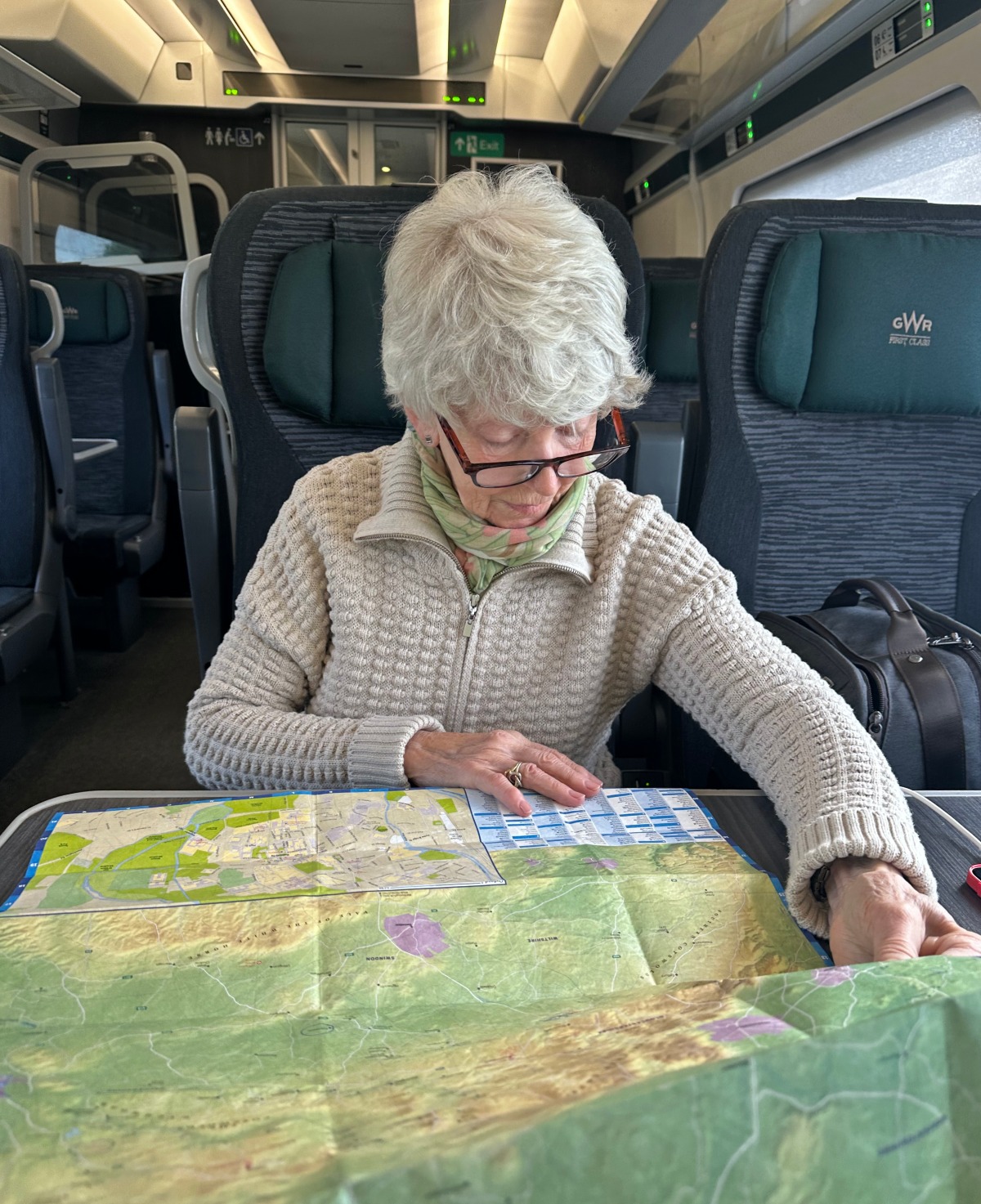
From the capital, O’Grady and Castle transitioned westward via first-class rail service to the historic city of Bath. Recognizing the physical challenges posed by historic European topography—such as uneven medieval cobblestones and steep inclines—the travelers utilized a rented vehicle to explore the rolling countryside of the Cotswolds. This vehicular flexibility allowed them to curate their pace, stopping at cultural landmarks including the former home of textile designer and writer William Morris, as well as Highgrove, the private residence of King Charles III. The journey looped back through Oxford, where Castle had studied during her youth, before concluding with a final stretch in London that included a spontaneous evening attending a performance of the musical Hamilton.
Chronology and Evolution of Multi-Generational Planning
The mechanics of organizing a trip for travelers spanning multiple decades require a departure from standard itinerary building. Industry experts note that the planning window for multi-generational journeys often begins six to twelve months in advance, accommodating complex calendars that include adult children’s professional leave and senior travelers’ medical check-ins.
For O’Grady and Castle, the timing was strategically placed in the shoulder season surrounding Mother’s Day, avoiding the dense crowds and inflated pricing of peak European summer tourism. This timing also mitigated potential health risks associated with extreme heat waves, which have become increasingly prevalent across Western Europe during July and August.
The foundational timeline of the trip can be segmented into three distinct phases:
- Urban Integration (London): Focusing on family reconnection, neighborhood exploration, and slow-paced metropolitan sightseeing.
- Rural Exploration (Bath and the Cotswolds): Utilizing private and semi-flexible transit to absorb historical architecture, literary landmarks, and horticultural sites.
- Intellectual and Cultural Synthesis (Oxford and West End London): Engaging academic history, guided tours tailored to advanced reading backgrounds, and spontaneous theatrical entertainment.
Supporting Data and Demographic Shifts in Modern Tourism
The O’Grady-Castle expedition sits at the intersection of several significant demographic and travel industry trends. According to recent market research from travel trade associations, multi-generational travel now accounts for upwards of 30 percent of all leisure bookings. Within this sector, trips involving aging parents and their adult children—often termed "empty-nest pairings" or "legacy trips"—are growing at a rate of 15 percent annually.
This growth is fueled by several socio-economic factors:
- Increased Longevity and Health Span: Adults in their 80s today are significantly more mobile and cognitively engaged than previous cohorts, driven by advancements in preventative medicine and lifestyle changes.
- Wealth Transfer and Experiential Spending: Aging demographics hold a substantial share of global disposable wealth, increasingly choosing to invest in shared family memories and experiential travel rather than traditional material inheritances.
- Geographic Dispersion: With adult children frequently relocating internationally or across continents for employment, structured international trips provide an essential mechanism for maintaining familial cohesion.
Official Responses and Expert Insights from the Travel Sector
The challenges and rewards of coordinating travel for elderly relatives require a specialized approach from travel advisors. Susan Robinson of Ciao Bambino emphasizes that designing trips for clients in their eighties demands a philosophy of "less is more."
"When you are organizing a journey for an octogenarian, the objective shifts away from checking off a massive list of sightseeing boxes," travel industry analysts observe. "The focus must center on comfort, accessibility, minimizing transit fatigue, and anchoring the day around a single, high-value primary experience."
In interviews reflecting on the trip, O’Grady noted the distinct psychological role reversal that occurs during such travels—a phenomenon frequently compared by family therapists to traveling with toddlers. The adult child assumes a protective, managerial role, monitoring hydration, physical exertion, rest intervals, and navigational safety. However, unlike traveling with young children, the reciprocal benefit is an intellectual and emotional peer-to-peer dialogue. Castle’s background as a literature scholar transformed routine guided tours into dynamic intellectual exchanges, occasionally resulting in lighthearted fact-checking of local historical guides.
Broader Impact and Socio-Economic Implications
The implications of the senior-adult child travel model extend far beyond individual family enrichment. Economically, this demographic represents a high-yield market segment for hospitality providers, high-speed rail networks, boutique countryside inns, and customized private guide services. Because multi-generational groups generally spend more per capita than solo travelers or young backpackers, hospitality providers are increasingly adapting their infrastructure.
Hotels are investing heavily in accessible architectural features—such as step-free entryways, walk-in showers, and elevators—without sacrificing historical aesthetic appeal. Furthermore, tour operators are designing specialized itineraries that incorporate built-in downtime, slow-paced walking tours, and private vehicle transport to accommodate varying physical capacities within a single traveling party.
From a sociological perspective, these shared intensive experiences counteract the isolation often experienced by elderly individuals living independently. By placing aging parents in novel, stimulating environments alongside their adult children and grandchildren, travel acts as a cognitive stimulant. Psychologists note that shared novelty helps preserve neuroplasticity, while the deepening of narrative bonds provides emotional resilience for both generations.
As global populations continue to age, the standard of what constitutes an active senior vacation is being radically rewritten. Journeys like the one undertaken by Jackie Castle and Becky O’Grady illustrate that with meticulous planning, appropriate pacing, and professional advisement, international travel remains accessible and deeply rewarding well into the ninth decade of life. For the travel industry, catering to this demographic is no longer a niche market, but a rapidly expanding pillar of modern tourism.