The Global Shift Toward Ethical Tourism and the Growing Boycott of Animal Exploitation at Historic Sites

The intersection of global tourism and animal welfare has reached a critical turning point as modern travelers increasingly prioritize ethical considerations over iconic experiences. For decades, activities such as elephant riding in Thailand, sea turtle handling in the Cayman Islands, and "walking with lions" in South Africa were marketed as essential, once-in-a-lifetime opportunities. However, a growing body of evidence regarding the systemic mistreatment of working animals has begun to reshape the industry. This shift is most visible in the Middle East, particularly in Egypt and Jordan, where the treatment of horses, camels, and donkeys at UNESCO World Heritage sites has come under intense international scrutiny, leading many travelers to reconsider their visits entirely.
The Catalyst for Change: A Dream Trip Canceled
The evolving mindset of the global traveler is exemplified by the case of Michiko, a seasoned traveler who had spent years meticulously planning an extensive itinerary through Egypt and Jordan. The goal was to witness the remnants of ancient civilizations, including the Great Pyramids of Giza and the rose-red city of Petra. However, as the departure date approached, Michiko’s research into the logistical realities of these sites revealed a disturbing pattern of animal abuse that stood in stark contrast to the promotional imagery of the tourism boards.
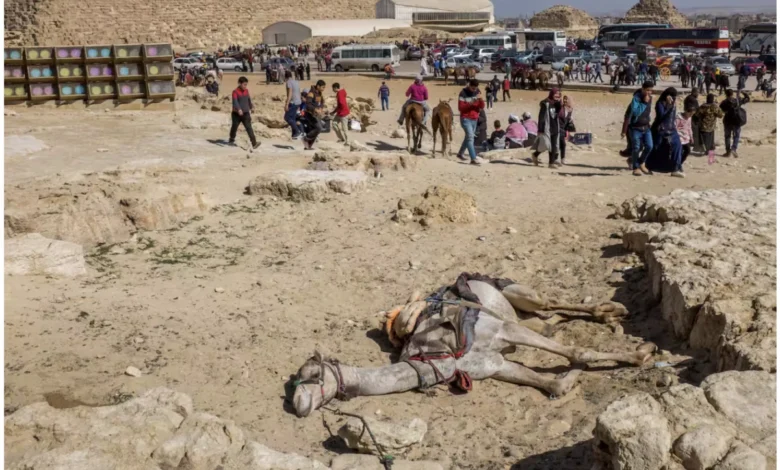
Upon reviewing traveler forums and recent investigative reports, Michiko discovered a recurring narrative of suffering. Reports detailed horses and camels with mutilated, bleeding noses, and animals so emaciated that their ribs were clearly visible while they labored under the desert sun. More harrowing were the accounts of "animal graveyards" located behind the Pyramids—areas where loyal working animals, once they are too exhausted or injured to be "useful," are allegedly left to perish in the extreme heat.
Faced with the reality that her tourism dollars would directly support an industry built on such practices, Michiko made the difficult decision to cancel her trip. Her stance reflects a broader movement where the conscious choice of where to spend money is seen as a powerful tool for reform. "I cannot, in good conscience, spend a single dollar that contributes to this suffering," Michiko stated in her formal correspondence to the Egyptian Ministry of Tourism and Antiquities. "I will not support an industry that mutilates and discards animals."
A Chronology of Investigation and Awareness
The issues identified by individual travelers are not isolated incidents but have been documented by animal rights organizations for years. The timeline of awareness regarding working animals in Egypt and Jordan shows a steady escalation of pressure from both the public and non-governmental organizations (NGOs).
In 2019, an extensive investigation by People for the Ethical Treatment of Animals (PETA) released footage showing camels being severely beaten at the Birqash Camel Market, many of whom were destined for the tourism trade at Giza. The investigation sparked international outrage and led to the arrest of several animal traders, marking one of the first times the Egyptian government took public legal action regarding the treatment of these animals.
By 2021, the focus shifted to Jordan’s Petra Archaeological Park. For years, donkeys and horses were used to ferry tourists up the 800 steps to the Monastery. Following sustained pressure from the organization PETA Asia and the Brooke Hospital for Animals, the Jordanian government began introducing electric carts as a replacement for animal transport. While this was a significant milestone, the transition has been slow, and reports of animal exhaustion continue to surface.
In April 2026, a landmark directive was issued by Egypt’s Chamber of Tourism Establishments and Restaurants. The directive officially banned the use of both domestic and wild animals in artistic and entertainment performances within hotel and tourism facilities. While this move was hailed as a positive step, critics point out that it does not yet fully address the use of working animals at the archaeological sites themselves, which fall under different jurisdictional oversight.
The Economic Context: Hardship versus Compassion
One of the most complex aspects of animal exploitation in tourism is the economic dependence of local communities on these animals. In Egypt, tourism accounts for approximately 12% of the national GDP, and for many families living near the Giza plateau, providing camel or carriage rides is their primary source of income.

Advocates for the status quo often cite economic hardship as a justification for the lack of veterinary care or the overworking of animals. However, ethical travel advocates argue that poverty is not a prerequisite for cruelty. As Michiko noted in her critique of the industry, "Cruelty is not a symptom of poverty, just as kindness is not a luxury reserved for the rich. Kindness and compassion are choices we make, regardless of our circumstances."
From a journalistic and analytical perspective, the issue is often one of education and resource allocation rather than a lack of empathy. Many owners of working animals lack access to affordable veterinary services or the knowledge required for proper equine and camelid husbandry. When an animal represents a family’s entire livelihood, the pressure to work that animal even when it is injured or exhausted becomes a desperate economic necessity. Therefore, reform must involve not just bans, but the provision of sustainable alternatives, such as the electric carriages currently being trialed in some sectors of Cairo.
The Role of International Oversight and UNESCO
The presence of animal abuse at UNESCO World Heritage sites raises significant questions about the responsibilities of international bodies. UNESCO status is awarded to sites of "Outstanding Universal Value," yet the daily reality of animal suffering at these locations often contradicts the spirit of cultural and ethical preservation.
There is a growing call for UNESCO to include animal welfare standards as part of its site management criteria. Currently, the organization focuses primarily on the physical preservation of monuments and the environmental impact of tourism. However, as the global definition of "ethical heritage" expands, the treatment of the living beings that facilitate the visitor experience is becoming harder to ignore.
Data and Impact: The Cost of a Tarnished Reputation
The financial impact of animal exploitation is difficult to quantify precisely, but the "reputation cost" is becoming evident. Online platforms such as Tripadvisor and Reddit have become repositories for negative reviews specifically citing animal cruelty. A search of the Giza Governorate forums on Tripadvisor reveals hundreds of warnings from tourists advising others to avoid camel rides or horse carriages due to the visible distress of the animals.
Supporting data suggests that:
- Shifting Demographics: Millennial and Gen Z travelers are 40% more likely than previous generations to research a destination’s animal welfare record before booking.
- Economic Leakage: When travelers like Michiko cancel trips, the loss extends beyond the animal handlers to airlines, hotels, and local restaurants, creating a ripple effect through the entire economy.
- The Rise of Ethical Alternatives: Countries that have prioritized animal welfare and environmental protection are seeing a faster recovery in tourism post-pandemic. Ethical Traveler’s World’s Ten Best Ethical Destinations report highlights nations that have integrated social welfare and environmental protection into their tourism models, drawing a direct link between ethical standards and economic resilience.
Broader Implications for the Future of Travel
The movement against animal exploitation is not merely about boycotting specific destinations; it is about demanding a higher standard for the tourism industry as a whole. The goal of ethical travel is to ensure that the "footprint" left by tourists is a positive one, reinforcing healthy practices rather than subsidizing abuse.
For those who still wish to visit countries like Egypt and Jordan, experts suggest several ways to minimize harm:
- Avoid Animal Transport: Opt for walking or use motorized transport (electric carts) where available.
- Report Abuse: Use official channels and social media to document and report specific instances of cruelty, providing dates, locations, and photos to NGOs like the Society for the Protection of Animal Rights in Egypt (SPARE).
- Support Ethical Providers: Seek out tour operators that have public commitments to animal welfare and who vet their local partners.
- Direct Support: Instead of paying for a ride, consider donating to local mobile veterinary clinics that provide free care to working animals in these regions.
The decision to cancel a "trip of a lifetime" is a profound statement of values. It underscores the reality that adventure should not come at the expense of sentient beings. As collective awareness grows, the pressure on governments to transition from traditional animal labor to modern, humane alternatives will only increase. The ultimate goal is a tourism industry where the majesty of ancient wonders is no longer overshadowed by the suffering of the animals that walk among them. By choosing where to go and how to spend, the global traveling community holds the power to shape a future where compassion is a fundamental component of every journey.