Uzbekistan, a nation steeped in Silk Road history and adorned with breathtaking turquoise mosaics, is rapidly gaining recognition as an increasingly accessible, safe, and profoundly enriching travel destination. Recent reports and traveler accounts highlight its burgeoning appeal, moving beyond the perception of an intimidating locale to become a favored choice for diverse visitor demographics, from seasoned globetrotters to organized senior tour groups. This shift is attributed to significant improvements in infrastructure, a welcoming cultural environment, and an unwavering commitment to enhancing the tourist experience.
Uzbekistan’s Growing Appeal: Accessibility and Safety Redefined
For years, Central Asian nations, often grouped by their "Stan" suffix, were mistakenly perceived as inherently challenging or even perilous destinations, primarily suited for intrepid, expert travelers. However, Uzbekistan stands as a testament to a changing narrative. The country boasts an impressive safety record, characterized by remarkably low violent crime rates and minimal street harassment, fostering a secure environment for solo travelers and groups alike. This inherent safety, coupled with its historical grandeur, positions Uzbekistan as a compelling alternative to more conventional travel hotspots.
Beyond safety, the nation’s travel infrastructure has seen substantial development. Visitors can choose from a range of accommodations, with mid-range hotels averaging around $50 per night. Local transportation, particularly through ride-hailing services like Yandex Go, is remarkably affordable, with city rides typically costing between $2-3. Dining experiences, offering a rich tapestry of flavors, are equally budget-friendly, with dinners often priced at $6-8. This affordability allows travelers greater flexibility in their choices, whether opting for higher-class train tickets or more luxurious stays. The presence of numerous large senior tour groups from across Europe and North America underscores the destination’s ease of travel, challenging outdated assumptions about its suitability.
Navigating the Ancient Silk Road: Essential Travel Logistics
Effective planning is paramount for a smooth journey through Uzbekistan, particularly concerning transportation and connectivity.
Seamless Transit: The Importance of Early Train Bookings
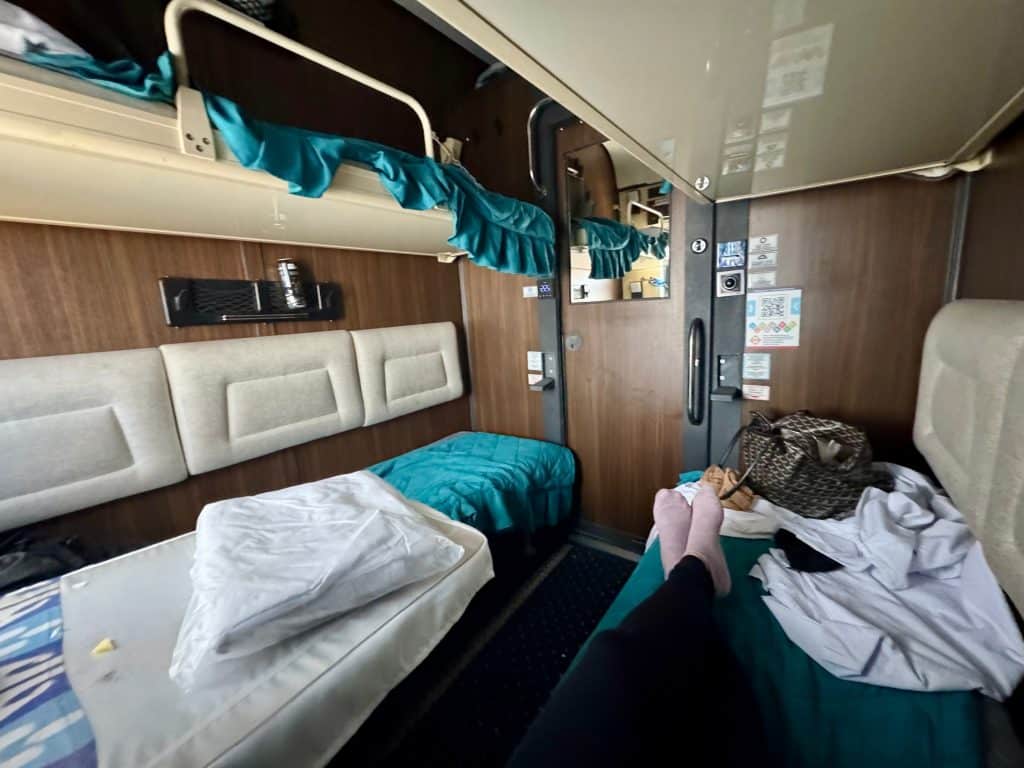
Train travel is unequivocally the most efficient, comfortable, and scenic way to traverse Uzbekistan. The national rail network offers fast, affordable, and pleasant journeys between key cities. However, demand, especially for the high-speed Afrosiyab trains connecting Tashkent, Samarkand, and Bukhara, is exceptionally high. Tickets frequently sell out on the day they are released, typically 45-60 days prior to departure. Failure to book well in advance can lead to significantly longer bus journeys; a two-hour high-speed train ride might translate into a five-to-seven-hour bus trip.
Travelers can secure tickets directly through railway.uz or via Uzbek travel agencies like Orex CA, though agencies typically apply a considerable markup. It’s also rumored that agencies might hold tickets for popular routes, releasing them closer to the travel date if unsold, offering a last-minute chance for persistent travelers. For those seeking peace of mind, booking through an agency at least two months in advance is advisable. The development of this efficient rail network is a strategic government initiative aimed at bolstering tourism and intra-regional connectivity, reducing travel times and enhancing visitor experience.
Staying Connected: eSIMs and Ride-Hailing Apps
In today’s interconnected world, reliable mobile data is crucial for independent travel. Uzbekistan’s digital landscape features Yandex Go as the dominant ride-hailing and delivery application, replacing international services like Uber. Downloading and activating Yandex Go before arrival is essential, as it requires phone number verification. This app is invaluable for cheap and convenient city transportation, with services consistently available even during early morning hours.
Furthermore, an international eSIM (e.g., Holafly) is highly recommended. Unlike many other destinations, widespread free Wi-Fi is less common in Uzbekistan, and existing networks often require a local phone number for access. An eSIM provides unlimited data, facilitating navigation with Google Maps, instant translation, and communication via apps like WhatsApp, without the hassle of searching for Wi-Fi or local SIM cards. The "Always On" feature offered by some eSIM providers, guaranteeing emergency data, adds an extra layer of security for unexpected travel disruptions. This emphasis on digital connectivity reflects Uzbekistan’s push towards modernizing its tourism sector.
Currency and Payments: The Enduring Role of Cash
While many global destinations are increasingly cashless, Uzbekistan maintains a predominantly cash-based economy. Travelers should anticipate paying for a significant number of services, including some hotel bills and most purchases in markets and smaller establishments, with local currency (Uzbekistani Som). It is advisable to always carry a substantial amount of cash. ATMs are available, with Kapitalbank’s yellow-and-black machines being a common and generally reliable option for international cards. However, some ATMs may be exclusive to local bank accounts. Travelers should also be prepared for a large volume of bills due to the currency’s denomination. The continued prevalence of cash highlights a blend of traditional economic practices with emerging digital solutions.
Domestic Air Travel Considerations: Uzbekistan Airways
For domestic flights within Uzbekistan, and potentially some international routes, Uzbekistan Airways is the primary carrier. A notable challenge for international travelers is that the airline’s direct booking platform often does not accept most foreign credit cards. This necessitates booking through Online Travel Agencies (OTAs) like Expedia. While direct airline bookings are generally preferred for greater flexibility in case of cancellations or changes, booking through an OTA becomes a practical necessity for Uzbekistan Airways. This logistical quirk is a minor inconvenience in an otherwise streamlined travel experience.
Cultural Immersion and Respectful Exploration
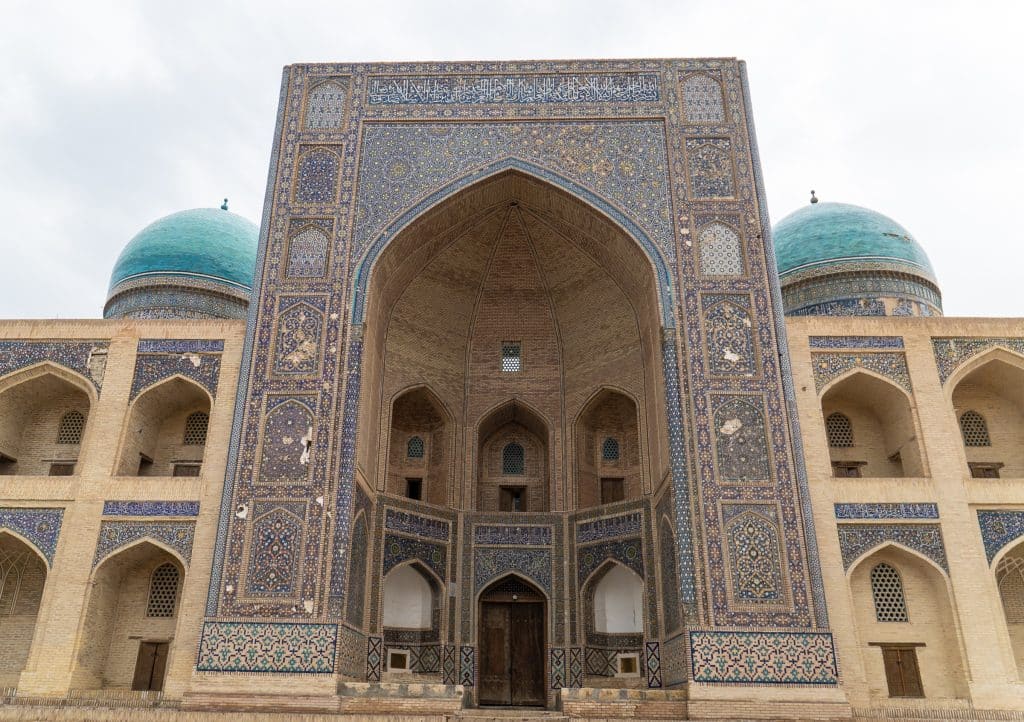
Understanding and respecting local customs is fundamental to a meaningful travel experience in Uzbekistan.
Dress Code and Cultural Sensitivity
As a predominantly Muslim country, Uzbekistan observes modest dress codes, particularly in religious sites and rural areas. While a headscarf is typically only required for women when entering active mosques, general public attire leans towards conservatism. Uzbek women, whether traditional or modern in style, rarely wear short skirts, overly tight clothing, or display cleavage. Visitors, especially women, are encouraged to pack clothing that covers knees, shoulders, and cleavage. Outfits such as knee-length dresses over leggings with a jacket, or t-shirts and jeans, are appropriate. Men should similarly opt for long pants and avoid shorts or tank tops. Adhering to these norms demonstrates respect for local culture and ensures a more comfortable interaction with the community.
Beyond Sightseeing: Embracing Local Crafts and Culinary Traditions
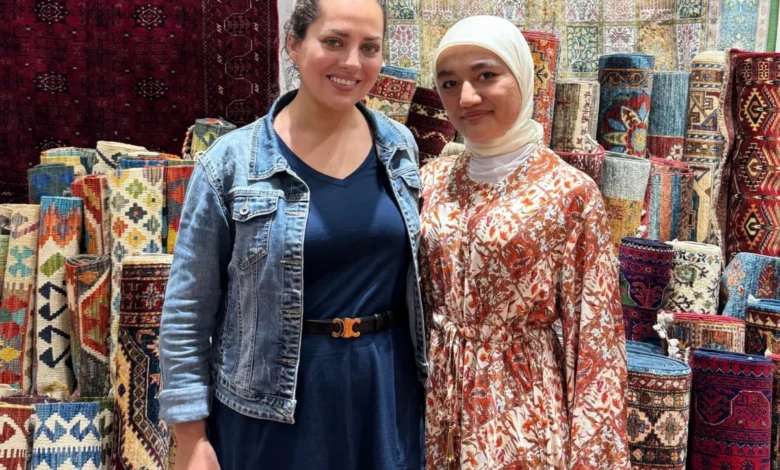
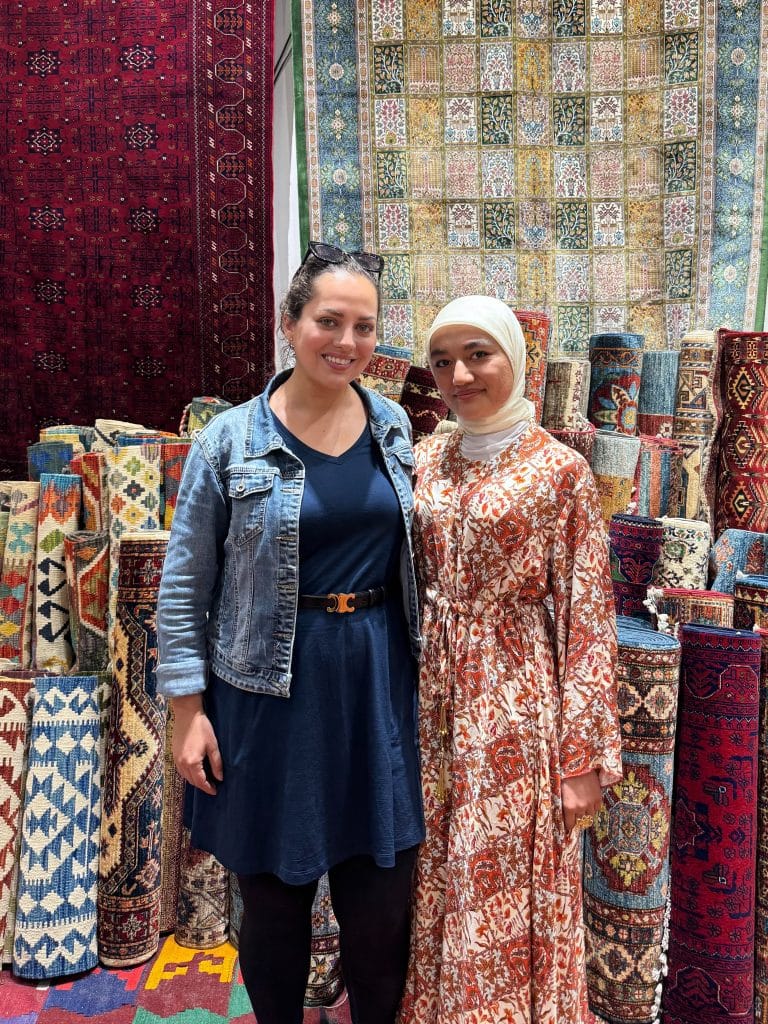
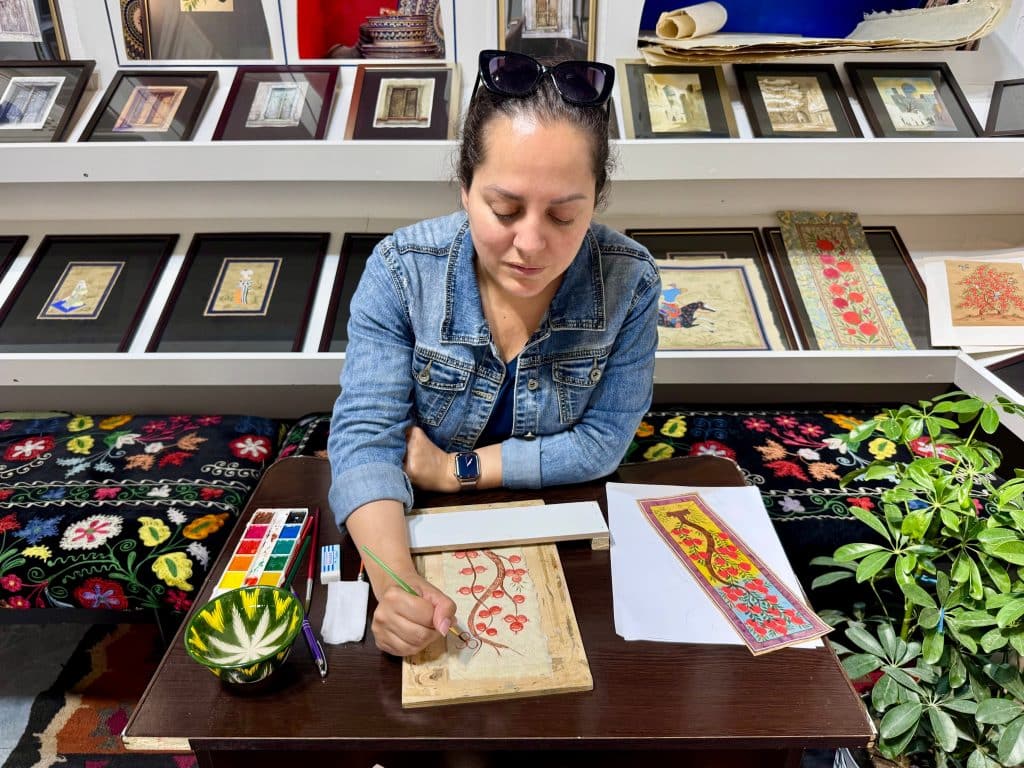
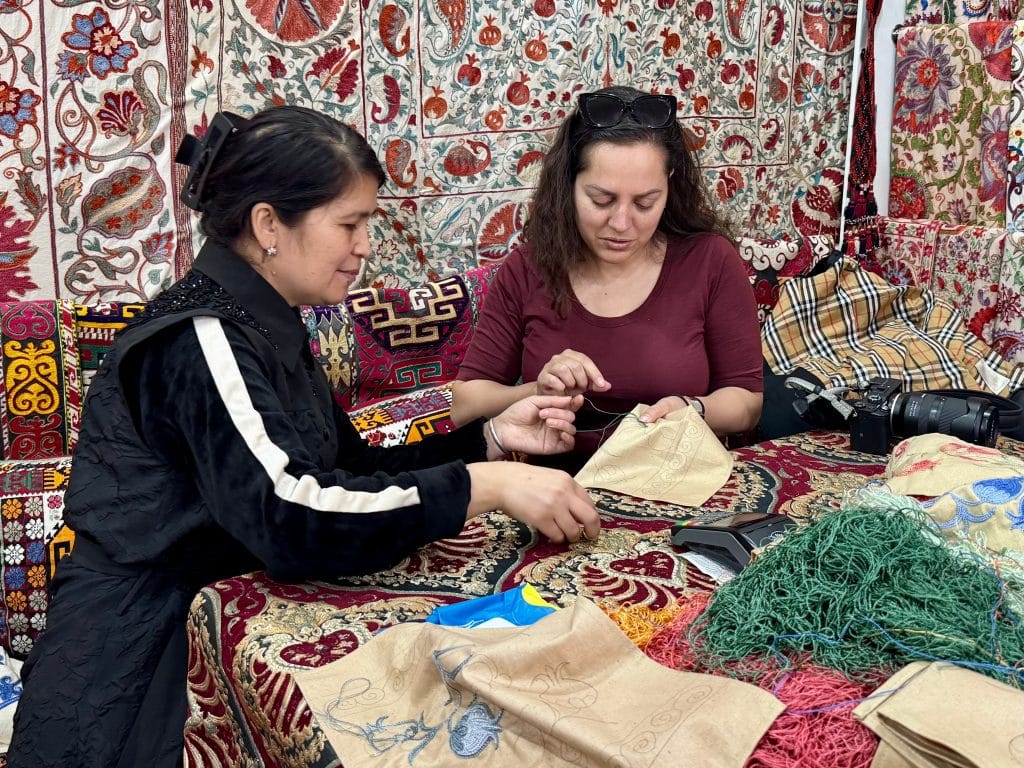
Uzbekistan offers an exceptional opportunity for deeper cultural engagement through its rich tradition of crafts. Workshops in Persian miniature painting and suzani embroidery provide hands-on experiences that transcend mere sightseeing. Companies like CraftnCulture Uzbekistan facilitate these immersive activities, offering a range of workshops from plov-cooking and bread-making to pottery and wood-carving across Tashkent, Samarkand, and Bukhara. These workshops not only teach traditional skills but also foster meaningful interactions with local artisans, providing insights into their lives and heritage. For example, learning miniature painting from an acclaimed artist or suzani embroidery from a family practitioner offers a personal connection to Uzbekistan’s artistic legacy, enriching the overall travel narrative. Such initiatives are crucial for cultural preservation and provide direct economic benefits to local communities.
Language Landscape: Bridging Communication Gaps
Unlike many global tourist destinations where English serves as a universal second language, Russian remains the more prevalent second language in Uzbekistan, particularly among older generations or in less urbanized areas. While some younger individuals, especially those in the tourism sector, may speak English, travelers should anticipate encountering Russian as the default for communication. Learning basic Russian phrases (e.g., "yes," "no," "hello," "thank you," and numbers) can significantly enhance interactions. Furthermore, regional linguistic variations exist; for instance, Farsi and Tajik are mutually intelligible, which can be useful when exploring border regions like Tajikistan. This linguistic reality highlights the country’s Soviet past and its current diverse cultural influences.
Strategic Itinerary Planning for a Richer Experience
Optimizing an itinerary is key to maximizing the Uzbek experience, balancing iconic sites with authentic encounters.
Rethinking the "Five Stans" Approach
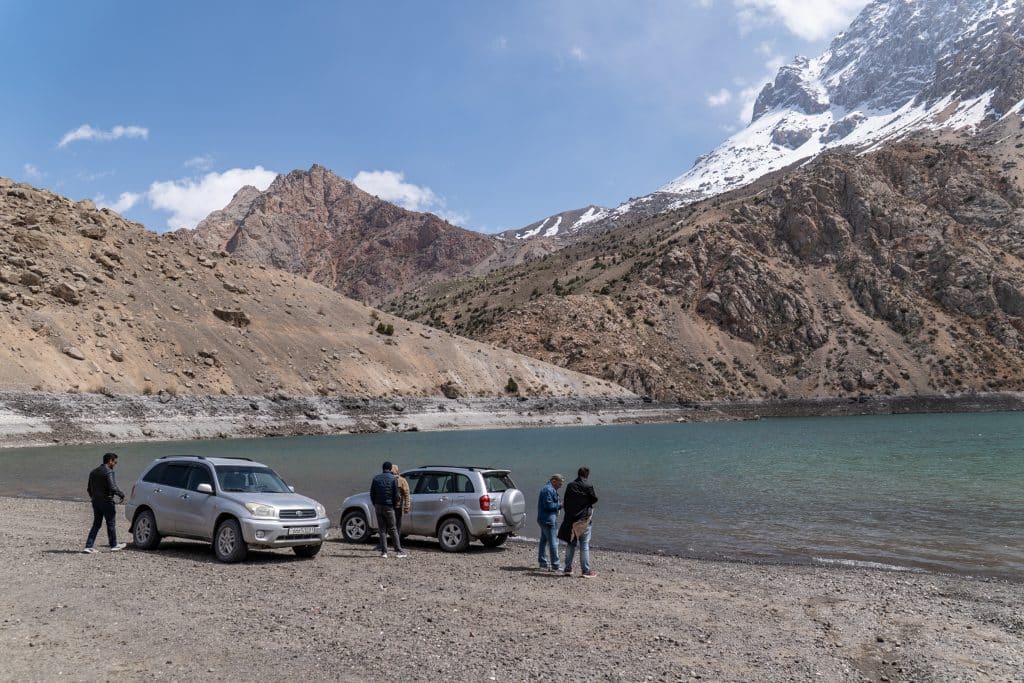
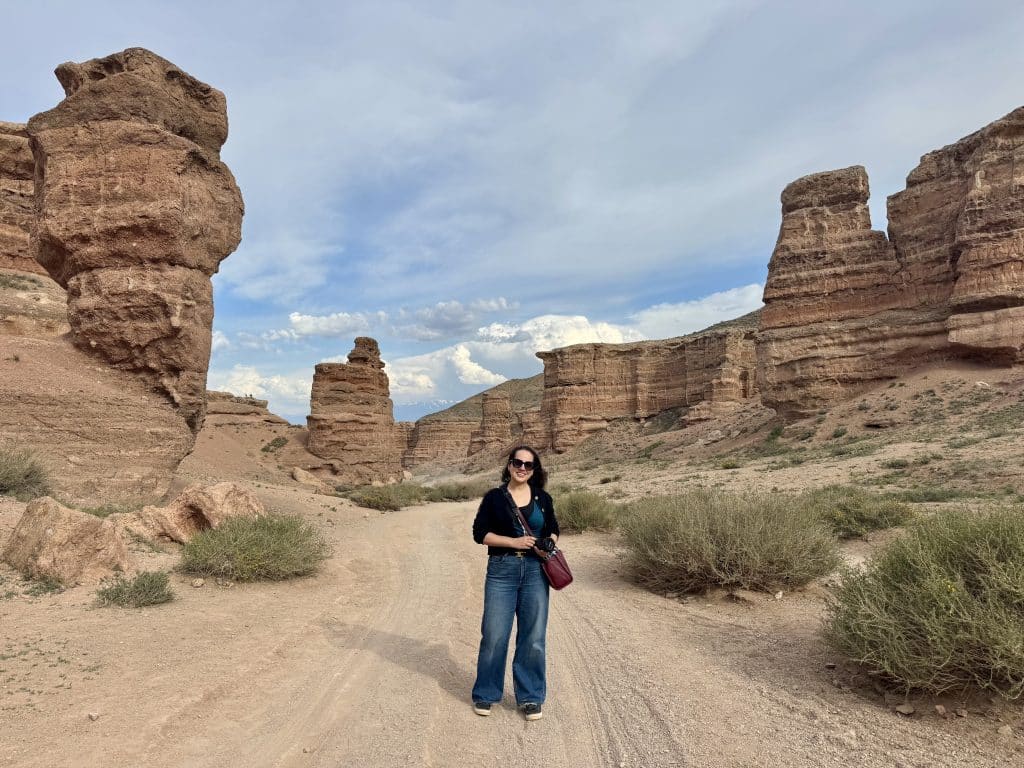
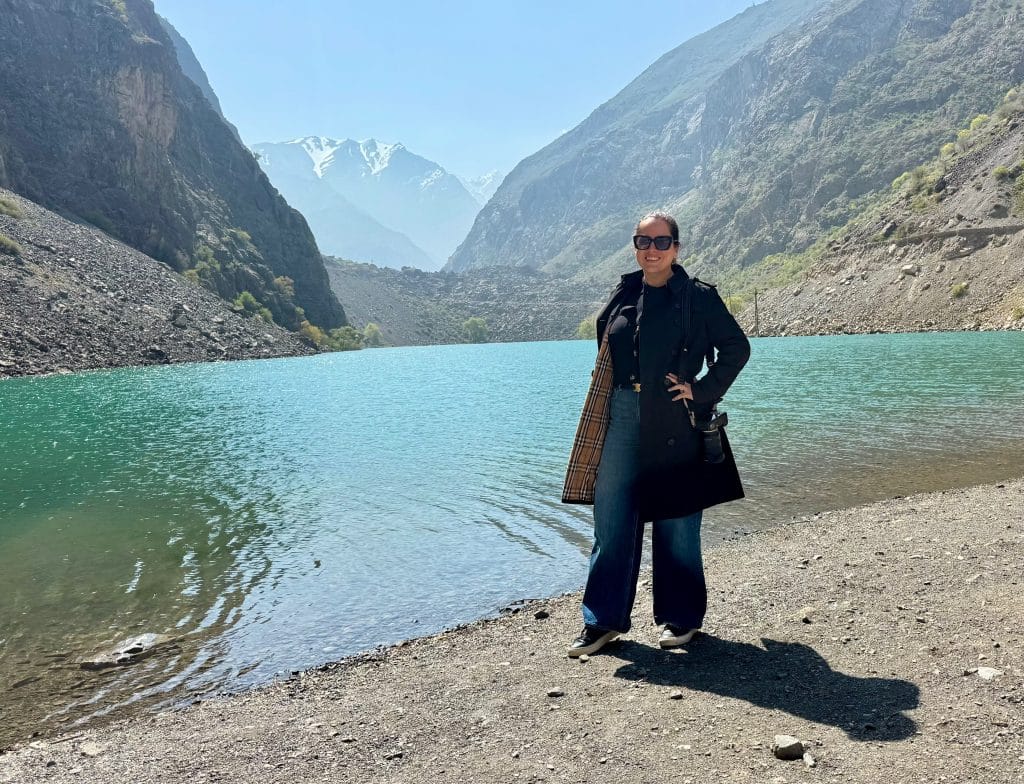
First-time visitors to Central Asia often contemplate ambitious "Five Stans" tours encompassing Turkmenistan, Uzbekistan, Tajikistan, Kazakhstan, and Kyrgyzstan. However, such extensive three-week itineraries can be overly rushed, limiting deep cultural immersion and often focusing solely on the most popular, often crowded, locations. A more rewarding approach involves pairing Uzbekistan with one or two neighboring countries, allowing for a more deliberate exploration. For instance, combining Uzbekistan with a five-day trip to Kazakhstan (exploring Almaty and natural wonders like Charyn Canyon) and a day trip into Tajikistan (visiting Panjakent, the Seven Lakes, and Sarazm from Samarkand) offers a rich, diverse experience without the hurried pace. This focused approach enables travelers to delve deeper into each country’s unique offerings, fostering a more profound connection with the region.
The Unmissable Capital: Tashkent’s Urban Charms
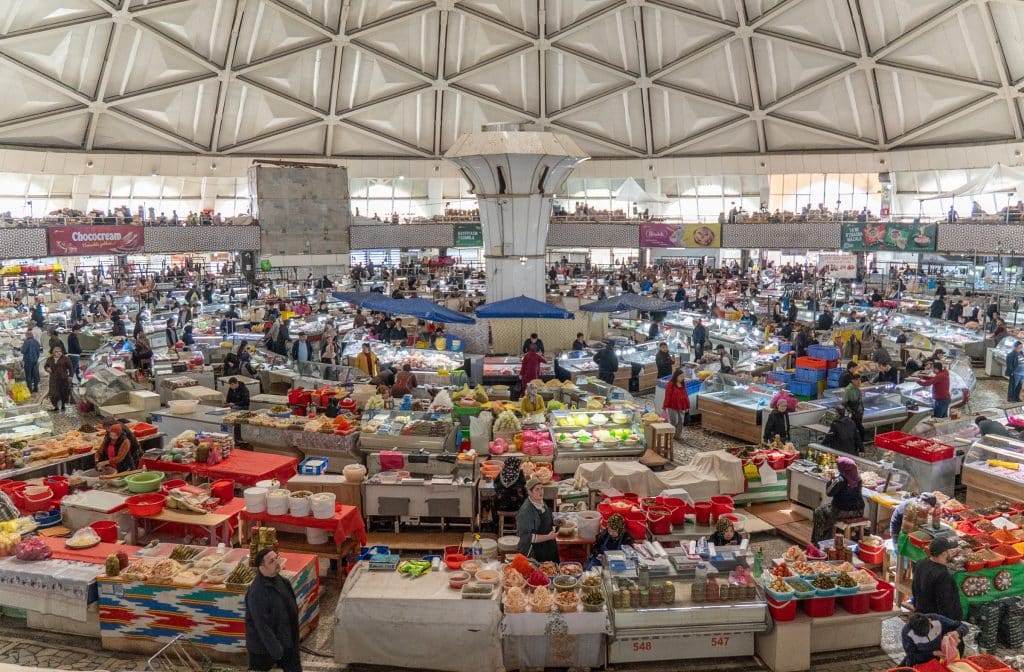
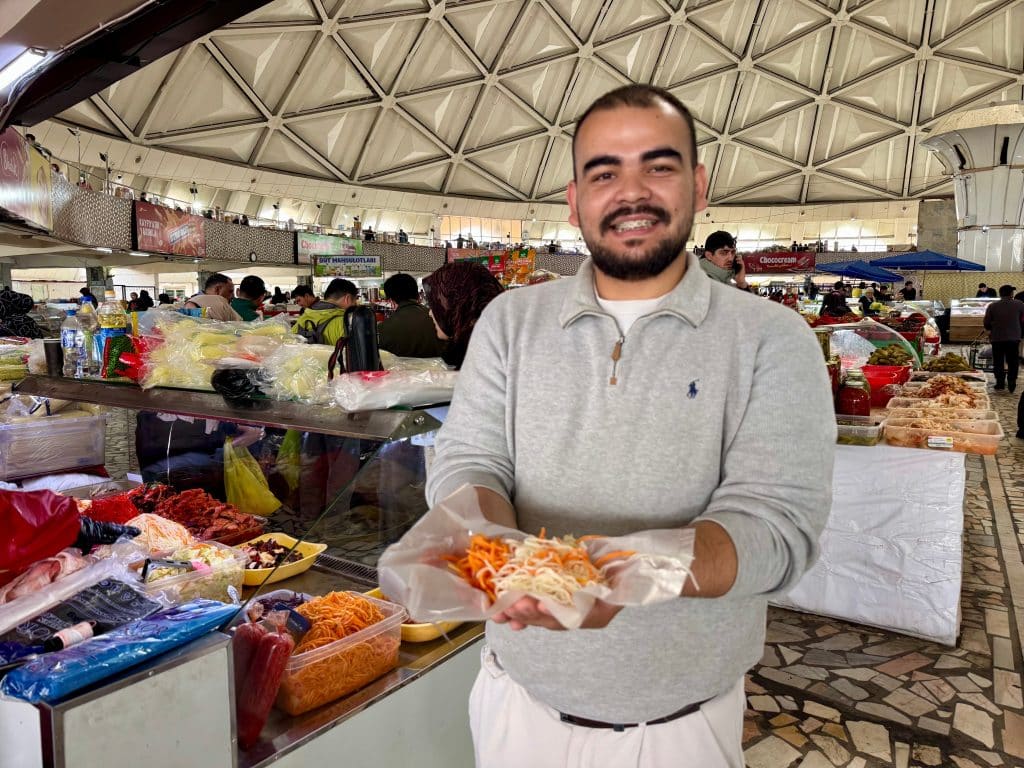
Tashkent, Uzbekistan’s vibrant capital, sometimes unfairly overshadowed by the historical grandeur of Samarkand and Bukhara, is an indispensable starting point for any Uzbek adventure. It serves as an excellent "landing pad" for cultural acclimatization. A guided food and metro tour, for example, offers an immediate immersion into local life. The Chorsu Bazaar, an immense circular market, provides a sensory feast of local produce and culinary delights, best explored with a guide to navigate its bustling aisles. Tashkent’s metro stations are architectural marvels, each uniquely decorated, offering a subterranean art gallery experience. The city also provides opportunities to explore modern cafes, expansive parks, and museums, showcasing a blend of Soviet-era grandeur and contemporary Uzbek identity.
Balancing Samarkand’s Grandeur with Authentic Encounters
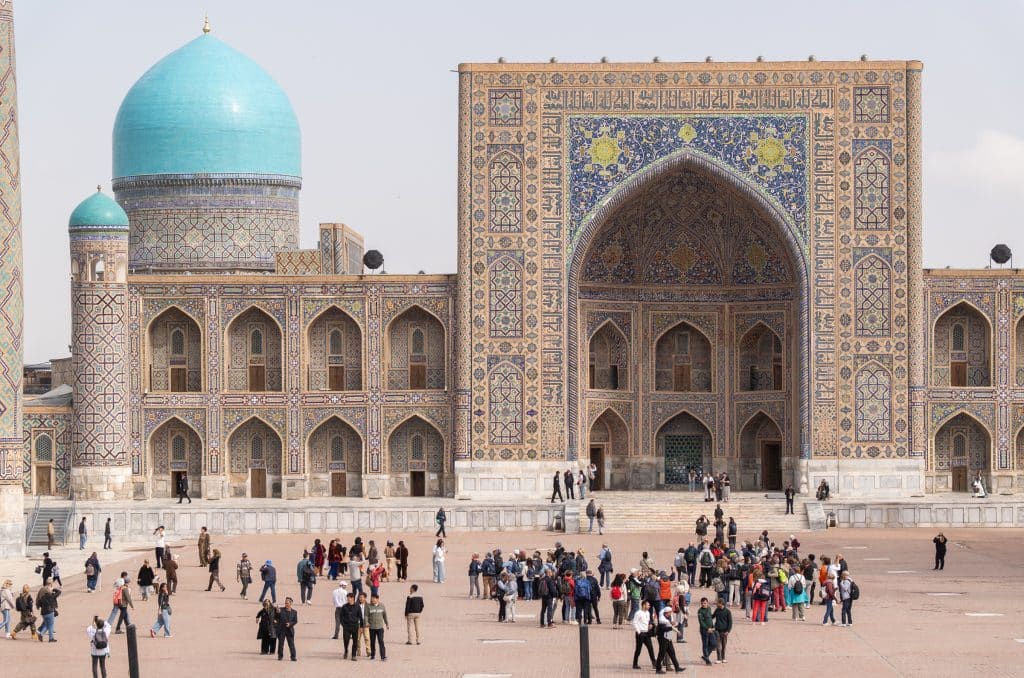
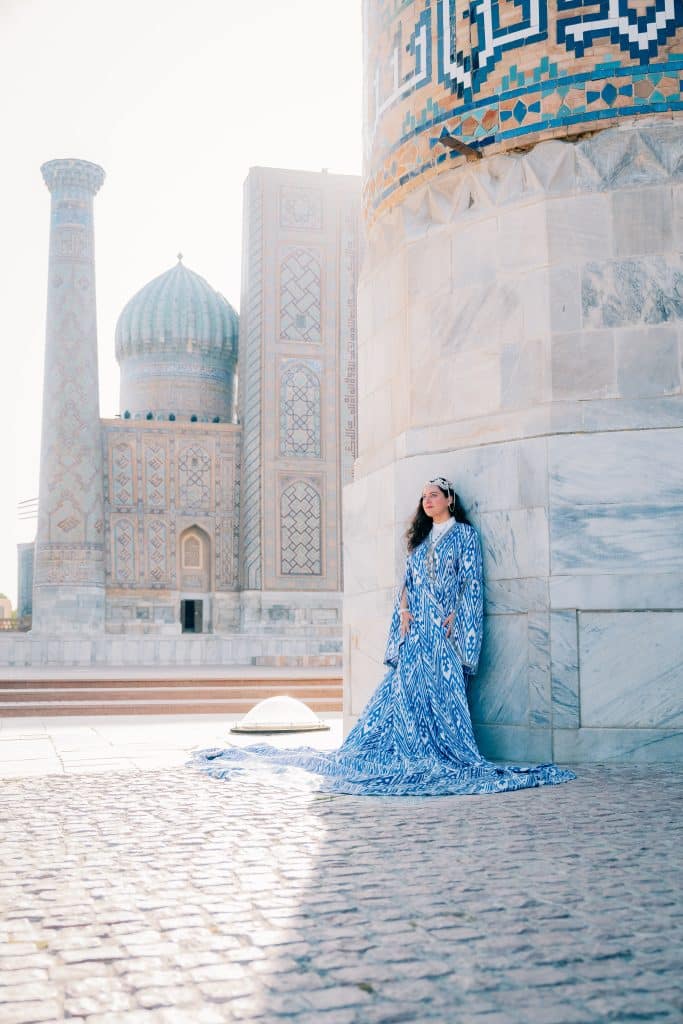
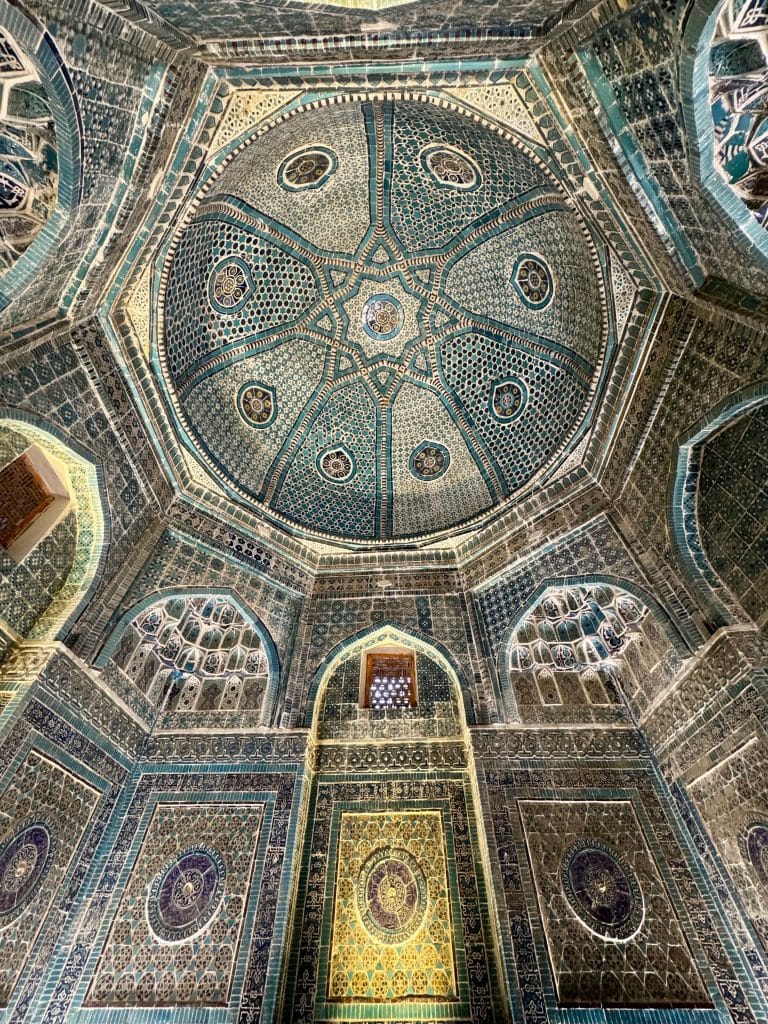
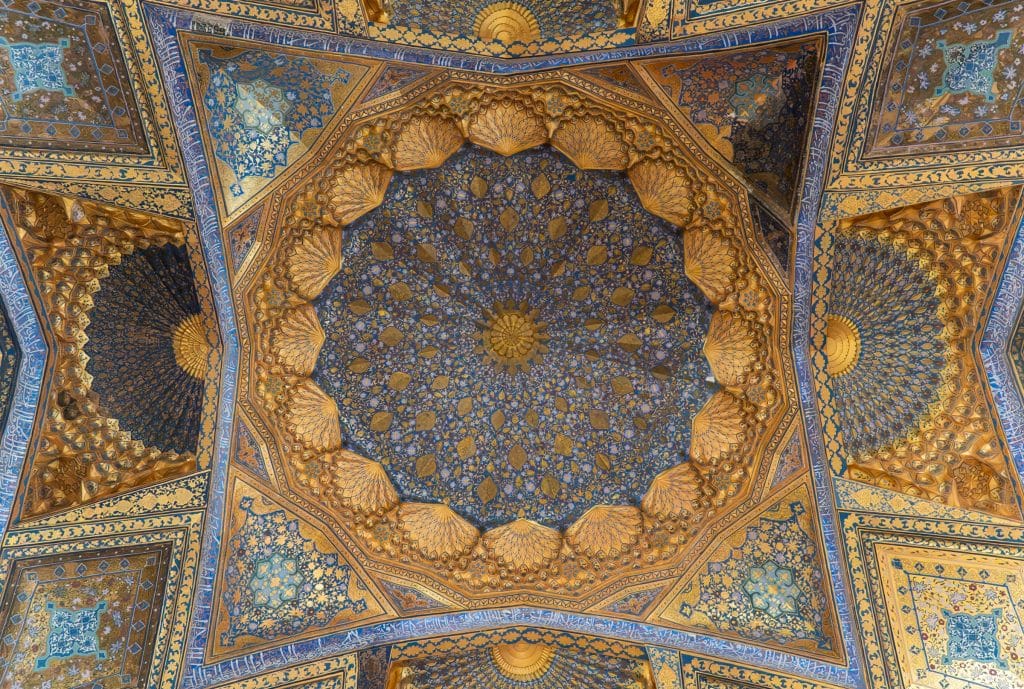
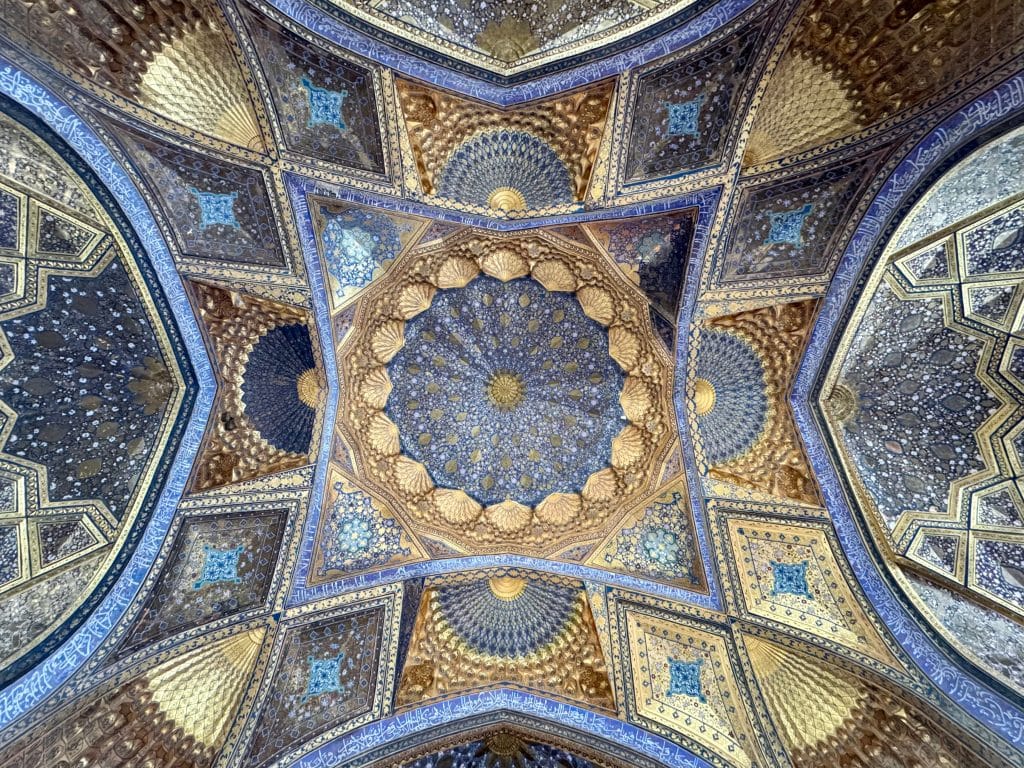
Samarkand, renowned as the "Beauty of Uzbekistan," is celebrated for its iconic Registan Square and the Shah-i-Zinda Mausoleum, architectural masterpieces that leave an indelible impression. While a visit is non-negotiable, travelers should manage expectations regarding the city’s overall "vibe." Samarkand is highly touristy, attracting visitors from across the globe, which can sometimes lead to a "theme park" atmosphere. The city’s constant traffic and occasional challenges in finding dining options outside of peak tourist areas can detract from the experience for some. A three-day itinerary, including a day trip to Tajikistan or Shahrisabz, is often sufficient to appreciate its historical treasures without succumbing to potential tourist fatigue.
The Desert Jewel: Khiva’s Unique Allure
Despite its remote location, Khiva, a stunning walled city in the heart of the desert, is a highlight of any Uzbek itinerary. Its Ichan Kala (inner city) is a UNESCO World Heritage Site that genuinely evokes the feeling of a Silk Road oasis. While the Ichan Kala is heavily geared towards tourism, its unparalleled beauty and distinct visual character make the journey worthwhile. Accessible via a six-hour train ride from Bukhara or an 80-minute flight from Tashkent to Urgench, Khiva offers a contrasting experience to the other major cities. The overnight train journey, in particular, is often described as a pleasant and scenic way to reach this ancient marvel. For those seeking further adventure, the city of Nukus and the haunting shipwrecks of the Aral Sea offer a poignant glimpse into environmental history.
Optimal Timing: Navigating Uzbekistan’s Climate
The optimal seasons for visiting Uzbekistan are spring (April-May) and autumn (September-October). During these months, temperatures are generally pleasant, ideal for extensive sightseeing. Summers (June-August) can be extremely hot, with midday temperatures in cities like Khiva reaching 90°F (32°C) or higher, often necessitating afternoon breaks indoors. Winters (November-March) can be cold and stark, with some attractions potentially having reduced hours. While summer travel is feasible for those with limited options, pacing oneself and seeking refuge during the hottest parts of the day is crucial. This advice, however, might differ for other high-altitude Central Asian destinations, where summer is often the peak travel season due to accessibility.
A Culinary Journey Through Uzbek Flavors
Uzbek cuisine is a cornerstone of its cultural identity, offering much more than its most famous dish.
Beyond Plov: A Diverse Gastronomic Landscape
Plov, a flavorful rice dish with meat, onions, carrots, and various embellishments, is ubiquitous and undeniably delicious. However, limiting one’s culinary exploration to plov would be a disservice to Uzbekistan’s rich gastronomic heritage. The country offers a diverse array of dishes that tantalize the palate.
- Shashlik: Grilled meat kebabs, often featuring beef, chicken, or lamb, are a popular and hearty alternative to plov, offering a satisfying protein-rich meal.
- Laghman: Influenced by the Uyghurs of western China, laghman consists of thick, hand-pulled noodles typically served in a savory soup with meat and vegetables, providing a comforting and flavorful experience.
- Shivit Oshi: A specialty of Khiva, these unique green dill noodles are often topped with beef and potatoes, showcasing regional culinary variations.
- Samsa: These delectable filled pastries, similar to samosas, come with various fillings such as meat, pumpkin, or a delightful mix of sautéed potatoes and onions, making for an excellent snack or light meal.
Exploring this diverse culinary landscape is an integral part of the Uzbek travel experience, reflecting centuries of trade and cultural exchange along the Silk Road.
Implications and Future Outlook for Uzbek Tourism
Uzbekistan’s strategic efforts to promote tourism, coupled with its inherent cultural and historical wealth, position it as a rising star in global travel. The continuous investment in infrastructure, including high-speed rail and digital connectivity, along with a focus on visitor safety and cultural immersion, is yielding positive results. As more travelers discover its charms, there will be increasing opportunities for local businesses and artisans, fostering economic growth and cultural preservation. However, sustained growth will require careful management of tourist flows to avoid over-tourism, particularly in iconic sites like Samarkand, and continued development of sustainable practices. Uzbekistan’s journey from a niche destination to a mainstream favorite is well underway, promising enriching experiences for future visitors.