Your Ultimate Madrid Itinerary: A Comprehensive Guide to the Cultural and Gastronomic Capital of Spain

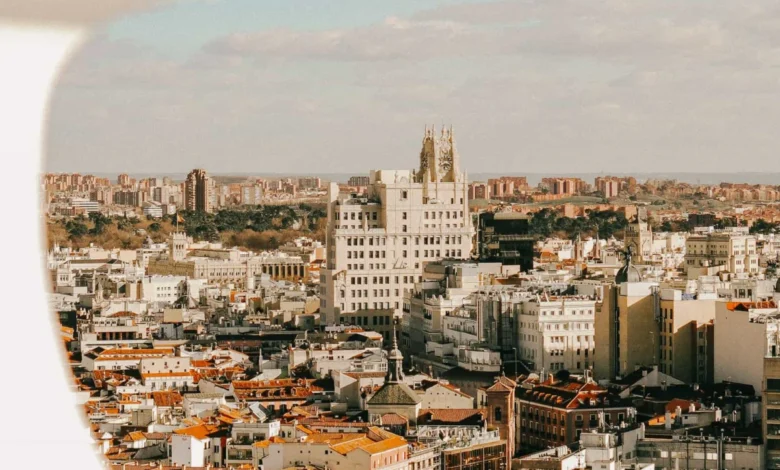
As the capital and largest city of Spain, Madrid functions as the nation’s primary political, economic, and cultural epicenter. Its unique urban landscape, characterized by an expansive collection of world-class museums, historic royal architecture, and a deeply entrenched culinary tradition, positions it as one of Europe’s most significant tourism destinations. Beyond its role as a administrative center, Madrid has cultivated a reputation for its "Landscape of Light," a UNESCO World Heritage site that serves as the backbone for the city’s tourism strategy. Planning a visit to a city of this scale—which hosts over 10 million visitors annually—requires a structured approach to ensure both logistical efficiency and the full experience of its diverse neighborhoods.

The Historical and Cultural Framework of Madrid
Madrid’s development is inextricably linked to the Spanish Monarchy. Established as the capital in 1561 by King Philip II, the city evolved from a medieval fortress into an imperial capital. This heritage is most visible in the "Bourbon Madrid" district, where the Royal Palace and surrounding plazas reflect the architectural ambitions of the 18th century.

The city’s art scene is dominated by the "Golden Triangle of Art," comprising the Prado Museum, the Reina Sofía National Art Center, and the Thyssen-Bornemisza Museum. These institutions collectively house one of the most important collections of Western art in the world. The Prado, inaugurated in 1819, currently manages a collection of over 30,000 works, including seminal pieces by Velázquez, Goya, and El Greco. The Reina Sofía, conversely, focuses on 20th-century art, with Pablo Picasso’s Guernica serving as its focal point—a work that remains a primary draw for international researchers and tourists alike.

A Five-Day Strategic Itinerary
For travelers seeking to balance historical site-seeing with local immersion, a five-day itinerary provides sufficient depth to explore both the central tourist corridors and the peripheral, more authentic districts.

Day 1: The Golden Triangle and Royal Heritage
The inaugural day should focus on the "Landscape of Light," a designated UNESCO area that includes the Paseo del Prado and the Buen Retiro Park. A three-hour visit to the Prado Museum is recommended to allow for a focused study of Spanish masters. The afternoon should be dedicated to the Royal Palace, which, with over 3,400 rooms, stands as the largest functioning royal palace in Western Europe. Adjacent to this is the Almudena Cathedral, a structure that highlights the transition from 19th-century Neo-Gothic design to more contemporary religious aesthetics.

Day 2: Gastronomy and Traditional Markets
Madrid’s culinary identity is centered around its historic markets. The Mercado de San Miguel, dating back to 1916, serves as a primary example of iron-architecture preservation and modern culinary commercialization. Analysis of local consumer trends suggests a shift toward high-quality, artisanal production, as evidenced by the success of specialized vendors in the Chamberí and La Latina districts. A visit to the El Rastro flea market—if visiting on a Sunday—provides historical insight into the city’s trade evolution, as the market traces its origins to the medieval period.

Day 3: Urban Green Spaces and Modern Architecture
El Retiro Park remains the city’s most significant green space, occupying 125 hectares. Its management involves a constant balance between public usage and the conservation of historical monuments, such as the Crystal Palace (Palacio de Cristal). The afternoon allows for the exploration of the Chamberí neighborhood, which offers a quieter alternative to the dense central districts and hosts architectural examples of the city’s early 20th-century expansion.

Day 4: Monastic History and Cultural Legacy
The Monastery of Las Descalzas Reales and the Royal Monastery of La Encarnación offer a glimpse into the religious and political influence of the Hapsburg era. These sites, often overlooked by mass-market tours, contain significant collections of religious art and frescoes. Sunset at the Temple of Debod—an authentic 2nd-century BC Egyptian temple relocated to Madrid in 1968—offers a unique cross-cultural perspective on the city’s heritage.

Day 5: Expansion and Local Integration
The final day encourages exploration of the Casa de Campo, the largest public park in the city, which offers expansive views of the urban skyline from the Garabitas Hill. Finishing the trip in the Las Salesas neighborhood allows for an understanding of Madrid’s contemporary retail sector, which prioritizes boutique, local, and independent labels over globalized chains.

Economic and Logistical Implications
The tourism sector in Madrid contributes significantly to the regional GDP. According to official data from the Madrid City Council, tourism arrivals have shown consistent growth, leading to increased investment in infrastructure and the renovation of heritage sites.

However, the high density of visitors in the central "Distrito Centro" has prompted municipal authorities to implement traffic management plans and pedestrianization schemes. These policies are designed to reduce carbon emissions and protect historic facades from pollution damage. For the visitor, this implies that walking remains the most effective mode of transport, supported by one of Europe’s most efficient public metro systems, which carries over 600 million passengers per year.

Official Guidelines and Planning Resources
To navigate the city’s extensive offerings, official tourism entities provide digital resources that are updated with seasonal events, such as the La Paloma festival or various culinary weeks. Travelers are encouraged to utilize the EsMadrid portal for real-time updates on museum capacities, ticket availability for major monuments, and public health guidelines.

Advanced booking is now considered a mandatory step for major sites like the Royal Palace and the Reina Sofía to avoid significant wait times, which can exceed two hours during peak season. Furthermore, the practice of siesta—while less rigid in the city center due to the demands of international tourism—still influences the operating hours of smaller, family-owned businesses. Aligning one’s schedule with the local pace of life—lunch between 2:00 PM and 4:00 PM and dinner after 9:00 PM—is essential for accessing the most authentic culinary experiences.

Conclusion and Future Outlook
Madrid continues to evolve as a modern European capital that respects its historical roots. The city’s ability to integrate its royal legacy with a contemporary, forward-thinking cultural scene ensures its status as a primary destination for global travelers. By focusing on a balanced itinerary that incorporates both the "big-hitting" landmarks and the quieter, neighborhood-specific experiences, visitors can gain a more profound understanding of the city’s complexity. As Madrid looks toward the future, the continued emphasis on sustainable tourism and the preservation of its cultural institutions will likely remain the key drivers of its ongoing economic and social vitality.
Related posts: