Panama City Beyond the Layover: Redefining the Capital as a Premier Global Destination

Most international travelers have traditionally viewed Panama City as a transient hub—a mere night or two spent navigating airport terminals between connecting flights across the Americas. However, tourism boards, urban planners, and seasoned destination experts are aggressively reshaping this narrative. Rather than treating the capital as a geographical afterthought, travel authorities are successfully repositioning Panama City as a dynamic, multifaceted base camp. Within a remarkably compact geographic footprint, visitors gain simultaneous access to a UNESCO-listed colonial quarter, a marvel of modern engineering operating as a working global trade canal, a flourishing protected rainforest, and a vibrant Pacific waterfront.
This geographic concentration allows travelers to experience a striking juxtaposition of eras and ecosystems in a single day. One can walk the sun-drenched cobblestones of Casco Viejo in the morning, observe a massive container ship ascend through the industrial chambers of the Miraflores Locks before noon, embark on a dense jungle hike in the afternoon, and dine on freshly caught Pacific seafood by the water that evening—all without ever changing hotels.
The Evolution and Urban Dynamics of the Capital
To
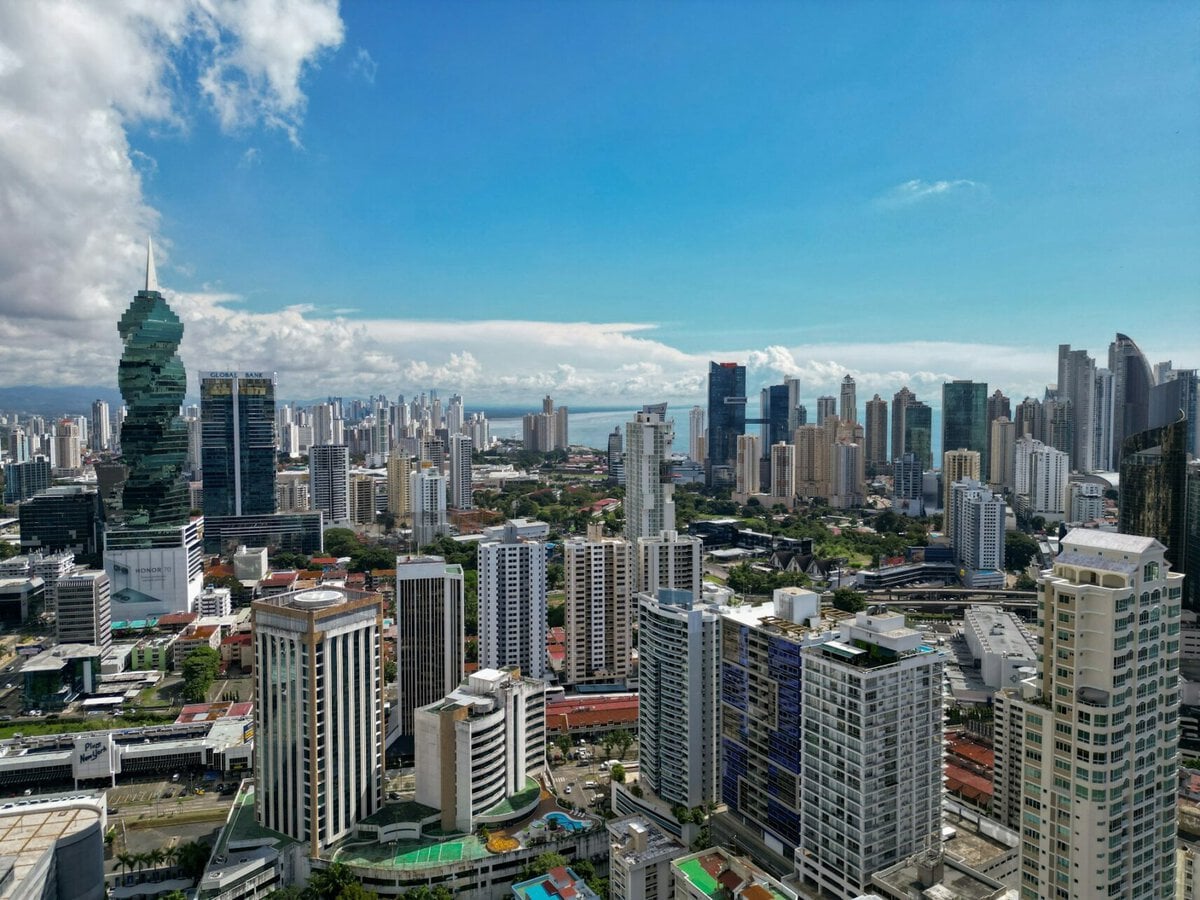
truly understand modern Panama City, one must look beyond the gleaming, skyscraper-dominated skyline that frames the Bay of Panama. The city’s true character is revealed through the distinct socioeconomic and cultural contrasts of its diverse neighborhoods, each representing a different facet of how Panamanians live, work, and navigate their daily routines.
At the heart of the historical narrative is Casco Antiguo, commonly known as Casco Viejo. Founded in 1673 following the destruction of the original Panama Viejo settlement by the privateer Henry Morgan, this district serves as the primary repository of the nation’s architectural and culinary heritage. Characterized by pastel-colored facades, wrought-iron balconies, historic churches, and bustling public plazas, Casco Viejo has undergone significant revitalization over the past two decades. It now functions as a vibrant cultural nexus where independent art galleries, boutique cafes, and high-end gastronomy coexist with residential tenement buildings.
In stark contrast to the historic preservation of Casco Viejo is Vía Argentina, situated within the bustling El Cangrejo district. This corridor represents the pulse of contemporary urban social life for local residents. Lined with an eclectic mix of international restaurants, casual coffee shops, and independent storefronts, Vía Argentina offers a window into the everyday middle-class rhythm of the capital, far removed from the heavily curated tourist circuits.
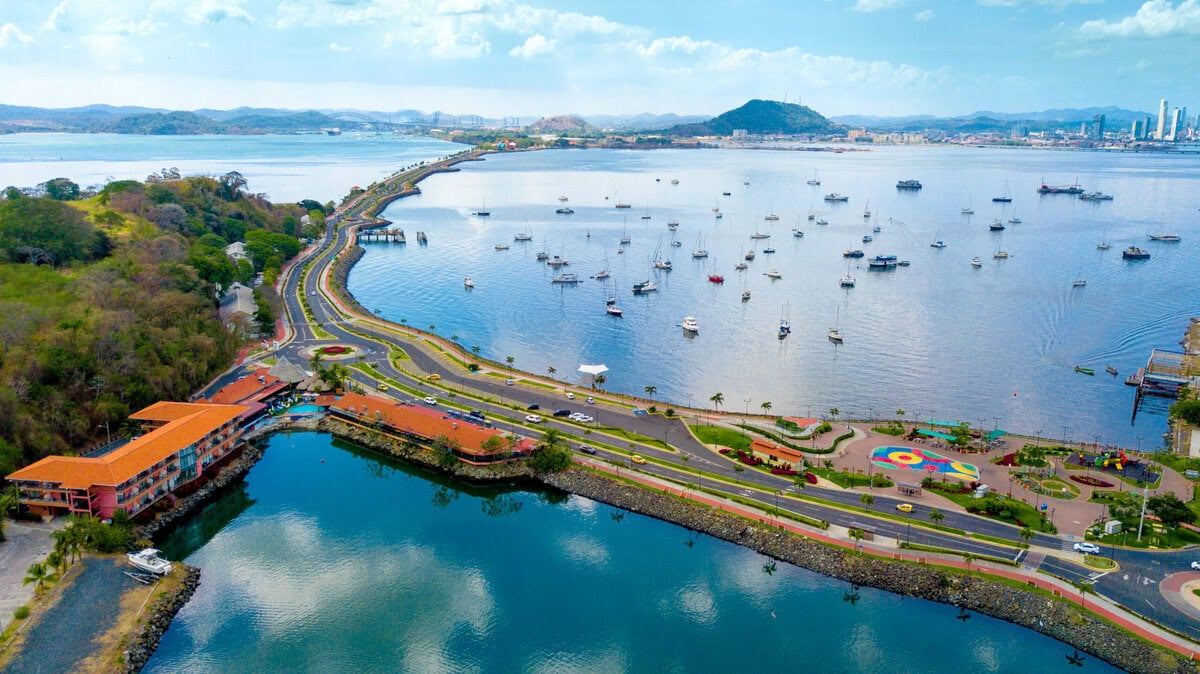
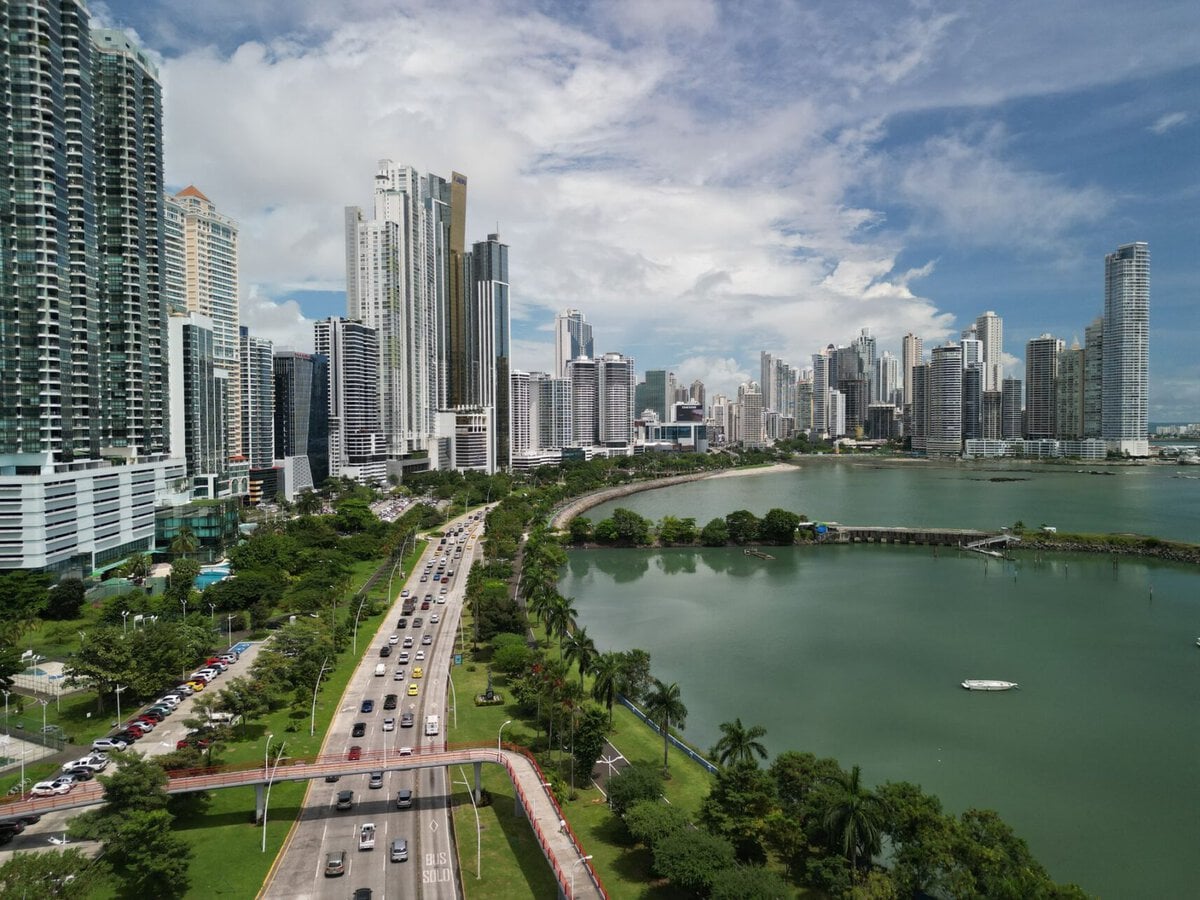
Meanwhile, Avenida Balboa and the adjoining Cinta Costera linear park redefine the city’s relationship with the Pacific Ocean. Spanning the coastline, the Cinta Costera integrates public green spaces, cycling paths, and recreational facilities that bridge commercial districts with residential zones. Urban planners note that this massive public infrastructure project has transformed the city’s waterfront, providing free, accessible recreational space where morning joggers and evening family gatherings converge against the backdrop of high-rise commercial towers.
For a broader perspective on residential infrastructure, districts such as San Francisco and Albrook highlight the capital’s metropolitan sprawl. While Albrook is anchored by one of the region’s largest shopping complexes and serves as a major transportation hub—housing the Marcos A. Gelabert domestic airport and a principal bus terminal—San Francisco functions as a dense commercial and residential engine, reflecting the rapid economic modernization that has characterized Panama in the 21st century.
Infrastructure and Public Transit Integration
A critical component of navigating Panama City efficiently is its modern public transportation network, which has received substantial international praise for its reliability and affordability. The Panama Metro, inaugurated in 2014 as the first underground metro system in Central America, currently comprises multiple operational lines that connect outlying residential sectors with the downtown core.
Line 1 and Line 2 provide seamless connectivity across the capital, offering passengers an air-conditioned, clean, and efficient transit alternative to the notorious vehicular congestion of the rush hour. With single-ride fares priced accessibly—US$0.35 for Line 1 and US$0.50 for Line 2—the system is utilized daily by thousands of commuters. Transactions are facilitated through rechargeable contactless cards or standard contactless credit and debit cards, mirroring transit systems in major global metropolises and offering tourists an authentic view of urban mobility.
Recreation and Local Leisure Rituals
While international visitors frequently gravitate toward structured sightseeing landmarks, local residents maintain deeply rooted outdoor leisure traditions, particularly during weekends and late afternoons.
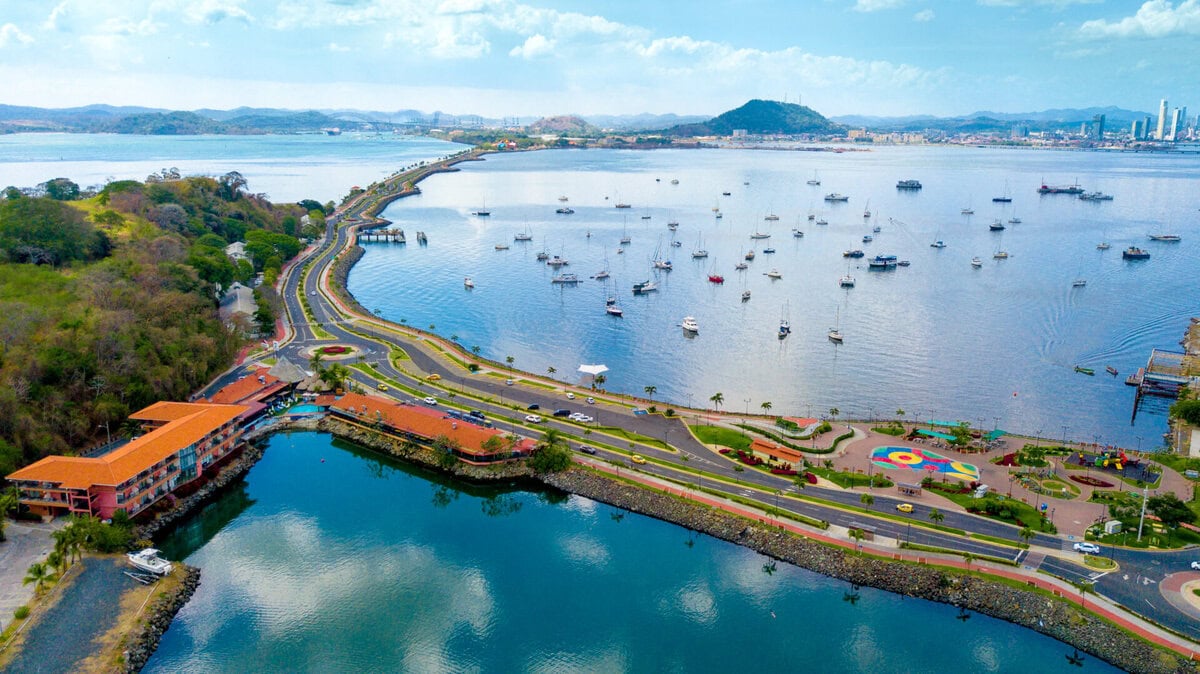
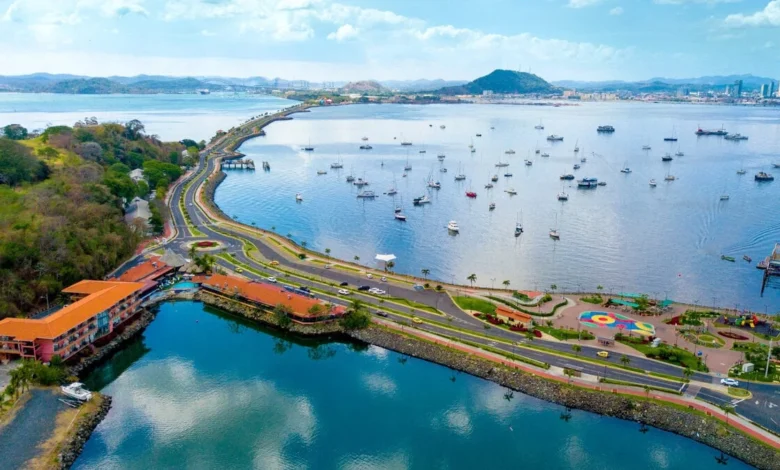
A prime example is the Amador Causeway, a six-kilometer stretch extending into the Pacific Ocean. Constructed using millions of cubic yards of rock excavated during the original construction of the Panama Canal, the Causeway connects the mainland to four small islands: Naos, Culebra, Perico, and Flamenco. On weekends, the corridor transforms into a communal gathering space where families, cyclists, and fitness enthusiasts exercise, dine on local seafood, and take in panoramic views of the skyline and maritime traffic entering the canal.
Beyond the immediate urban center, locals frequently escape to nearby coastal and mountainous retreats for day trips. Veracruz, a coastal village located 15 to 20 minutes from the capital, offers beachfront dining focused on fresh seafood. Further inland, the winding roads lead to the crater town of El Valle de Antón, nestled within the caldera of an extinct volcano, where hikers tackle trails such as La India Dormida to experience the rugged topography of the Panamanian interior.
Historical Context and the Legacy of the Canal
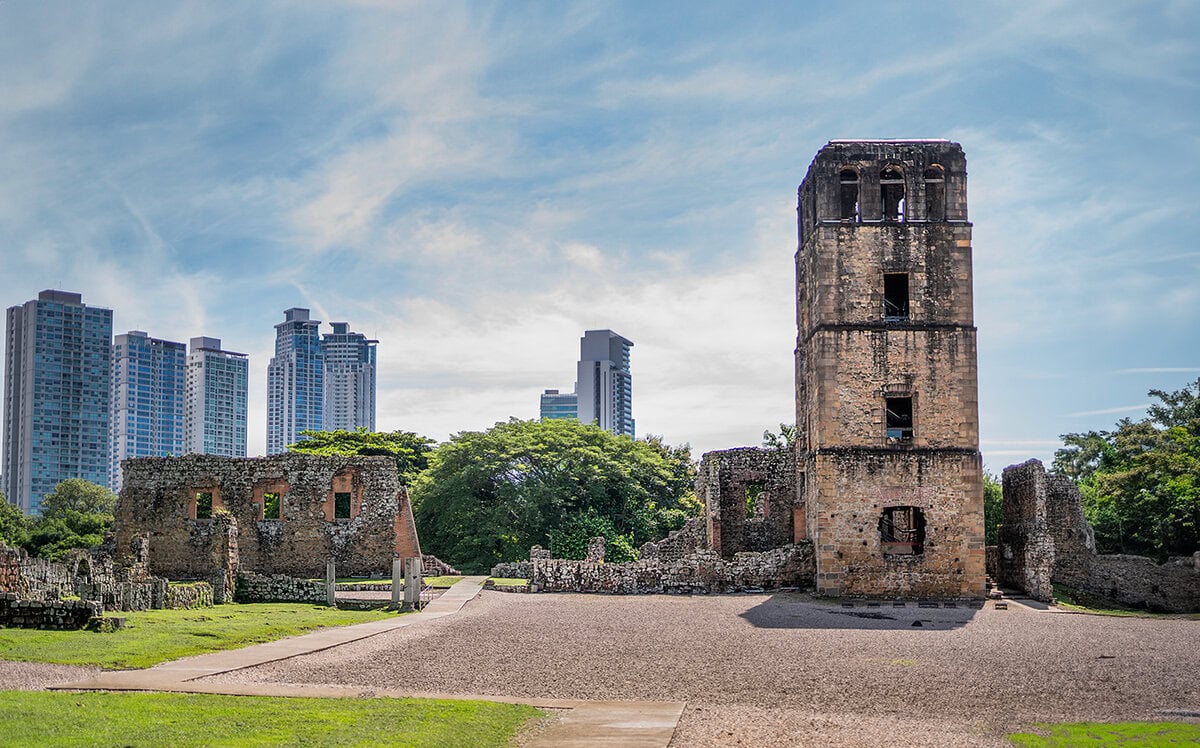
Panama’s geopolitical significance as a transcontinental crossroads has profoundly shaped its demographic and cultural identity. The nation’s history is anchored by the ruins of Panamá Viejo, the initial Pacific-side settlement established by Spanish conquistador Pedro Arias Dávila in 1519, which was subsequently sacked and abandoned in 1671.
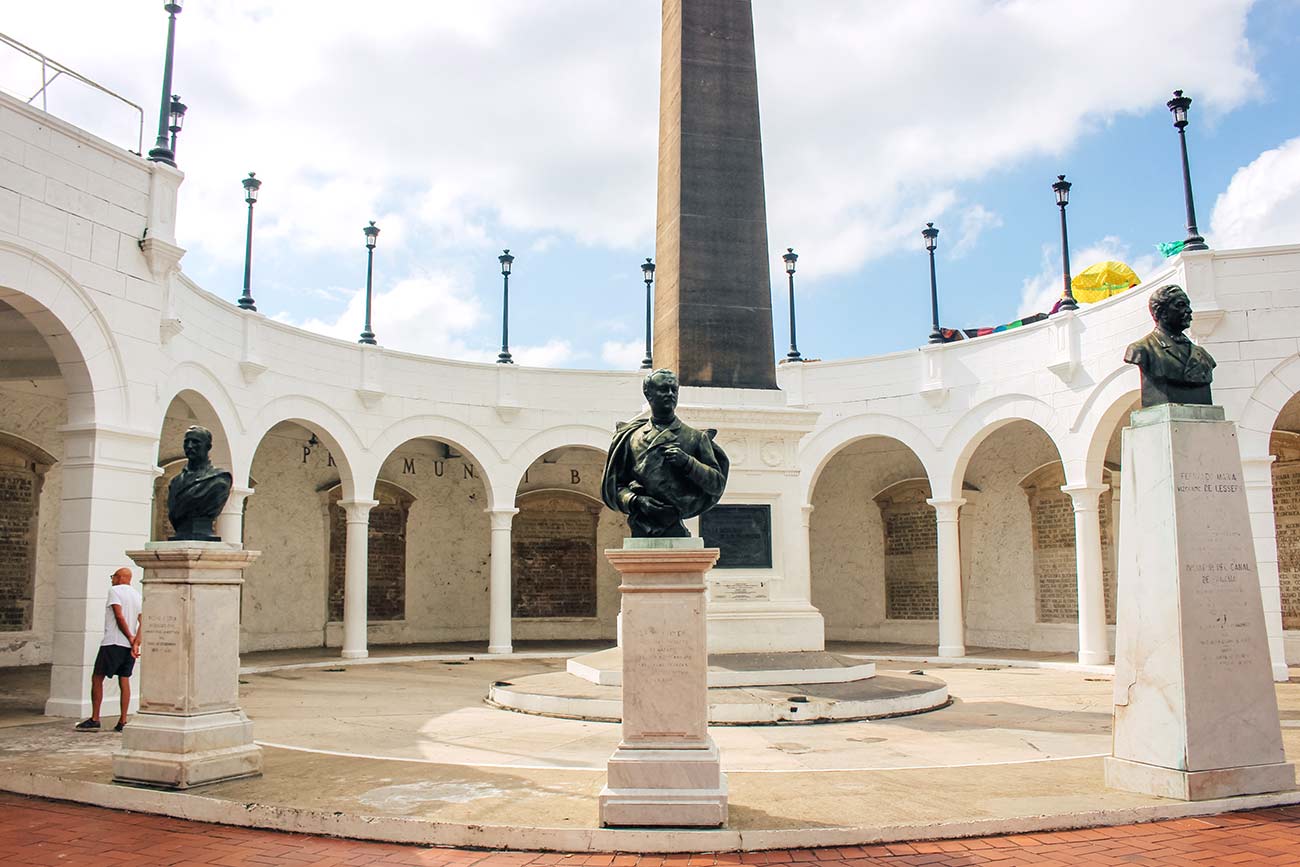
Centuries later, the construction of the Panama Canal—first attempted by the French under Ferdinand de Lesseps and ultimately completed by the United States in 1914—fundamentally altered global maritime trade and local demographics. The monumental engineering project drew tens of thousands of international laborers, notably West Indian workers primarily from Jamaica and Barbados. These communities left an indelible mark on Panamanian culture, influencing local music, linguistic dialects, architectural styles, and culinary traditions, which remain prominent in neighborhoods such as Río Abajo and the Caribbean province of Colón.
Furthermore, the history of the former Canal Zone—once a sovereign U.S. territory bisecting the country—remains a central pillar of national sovereignty consciousness. The events of January 9, 1964, known as Martyrs’ Day, catalyzed political movements that eventually led to the 1977 Torrijos-Carter Treaties and the full transfer of canal operations to the Republic of Panama on December 31, 1999. Today, physical landmarks such as Avenida de los Mártires and the historic administrative buildings stand as solemn reminders of this protracted struggle for national autonomy.
Culinary Landscape: A Convergence of Global Flavors
Panamanian gastronomy is a direct reflection of its historical crossroads status, blending Indigenous Mesoamerican ingredients with Spanish, African, Afro-Caribbean, and Asian culinary techniques.
Breakfast culture is heavily anchored by the traditional fonda—small, unpretentious neighborhood eateries. Staple morning dishes include hojaldres, a lightly salted, golden-fried dough pastry with a crisp exterior and airy interior, alongside thick, fried corn-meal tortillas traditionally served with white cheese, eggs, and local sausage.
For midday meals, sancocho de gallina reigns supreme. This traditional chicken soup is heavily seasoned with culantro, garlic, onion, and ñame (a starchy tropical root vegetable), typically accompanied by a side of white rice. Another national favorite is arroz con pollo (chicken and rice), frequently served alongside potato and beet salad or sweet plantains.
Seafood occupies a prominent position within the capital’s culinary identity, most notably at the bustling Mercado de Mariscos (Seafood Market) located on the perimeter of Casco Viejo. Here, vendors and open-air restaurants serve fresh-catch ceviche—marinated in lime juice with onions, chili peppers, and cilantro—alongside whole fried corvina (sea bass) and patacones (twice-fried green plantain slices). Meanwhile, the neighborhood of Río Abajo offers authentic Afro-Caribbean fare, including rondón, a rich coconut-milk seafood stew, and rice and beans cooked with coconut milk and local spices.
Biodiversity and Ecotourism at the Urban Edge
One of Panama City’s most remarkable environmental attributes is its proximity to pristine tropical rainforests. The capital is flanked by the Metropolitan Natural Park, cited by tourism authorities as the only protected tropical forest situated entirely within the municipal limits of a Latin American capital. Spanning over 230 hectares, the park provides an accessible habitat for diverse wildlife, including Geoffroy’s tamarins, sloths, and numerous avifauna species.
Approximately 45 minutes from the downtown core lies Gamboa, situated on the edge of the expansive Soberanía National Park and the Panama Canal watershed. Gamboa serves as the departure point for boat excursions onto the waters of Gatun Lake, providing access to areas such as Monkey Island and local wildlife rescue facilities. These ecotourism offerings underscore Panama’s broader commitment to environmental conservation, allowing international visitors to seamlessly transition from an industrial trade corridor to a thriving tropical ecosystem within a fraction of an hour.
Practical Information for Travelers
Getting There:
Tocumen International Airport (PTY), located roughly 20 to 25 kilometers east of the city center, functions as the primary international gateway. The transit time to downtown ranges from 25 to 45 minutes, depending on traffic density. Travelers have access to official airport taxis, ridesharing applications like Uber, hotel-arranged shuttles, and the Panama Metro system, which connects the airport directly to the urban core via a short transfer at Corredor Sur.
Climate and Seasonality:
Panama experiences a tropical climate characterized by consistently warm temperatures year-round. The dry season (locally known as summer) extends from mid-December to mid-March, marked by minimal precipitation and peak tourist visitation. The rainy season runs from mid-March to mid-December, typically featuring sunny mornings followed by heavy, localized afternoon downpours.
Currency and Costs:
The official currency of Panama is the United States Dollar, which circulates alongside local Balboa coins minted in equivalent denominations. Credit cards are widely accepted across hotels, restaurants, and retail establishments, though carrying physical currency is recommended for public transit, neighborhood fondas, and minor market transactions.
As global air connectivity continues to expand through Tocumen International Airport—frequently dubbed the "Hub of the Americas"—Panama City is successfully shedding its transient reputation. By leveraging its unique combination of historic preservation, modern infrastructure, maritime heritage, and immediate access to biodiversity, the capital has established itself as an essential, multi-day destination for the discerning international traveler.