What to wear in Morocco: A comprehensive guide for travelers navigating cultural traditions and climate

Morocco stands as a unique cultural crossroads where the ancient traditions of North Africa meet the modern influences of a globalized world. For international visitors, particularly women, the question of appropriate attire is a frequent point of inquiry. While Morocco possesses no legally mandated dress code for tourists, the nation operates as a liberal Muslim society where social norms are deeply influenced by religious tradition, local customs, and regional geography. Understanding the nuanced interplay between these factors is essential for travelers seeking to engage respectfully with Moroccan communities.
The evolution of public appearance in Morocco reflects broader societal shifts over the past four decades. During the 1980s, the coastal city of Tangier exhibited a highly eclectic aesthetic, with beachgoers comfortably mixing traditional jellabas with contemporary swimwear. In recent years, however, there has been a noticeable shift toward more conservative dress, particularly in urban centers. This transition is frequently attributed to a rise in public discourse regarding gender dynamics, as well as a proactive choice by many Moroccan women to adopt more modest attire to mitigate unwanted social attention. Consequently, while a visitor’s clothing choice remains a personal decision, aligning one’s wardrobe with local sensibilities is widely regarded as a best practice for fostering positive cross-cultural interactions.
Regional Variations and Cultural Context
The divide between urban and rural environments remains the primary determinant of social expectations regarding dress. Metropolitan hubs such as Casablanca, Rabat, and Marrakesh are significantly more accustomed to international fashion standards, including sleeveless tops, shorts, and contemporary western styles. In these environments, the tourism infrastructure is highly adapted to foreign visitors, and local residents are accustomed to a diverse array of attire.

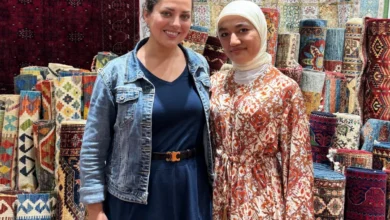
Conversely, rural regions, smaller villages, and the deep Sahara remain more traditional. In these areas, the societal expectation for modesty is elevated. Observers note that while a visitor will rarely face legal repercussions for their attire, opting for clothing that covers the shoulders and knees is a sign of cultural intelligence. This is especially true when visiting religious sites or being invited into a local home, where conservative dress is viewed as a gesture of respect for the host’s hospitality and values.
Seasonal Climate Trends and Packing Strategies
Morocco’s topography, ranging from the snow-capped Atlas Mountains to the arid expanses of the Sahara, necessitates a flexible approach to packing. Climate patterns have become increasingly volatile due to environmental shifts, making seasonal preparation critical.
Spring and Summer: Managing High Temperatures
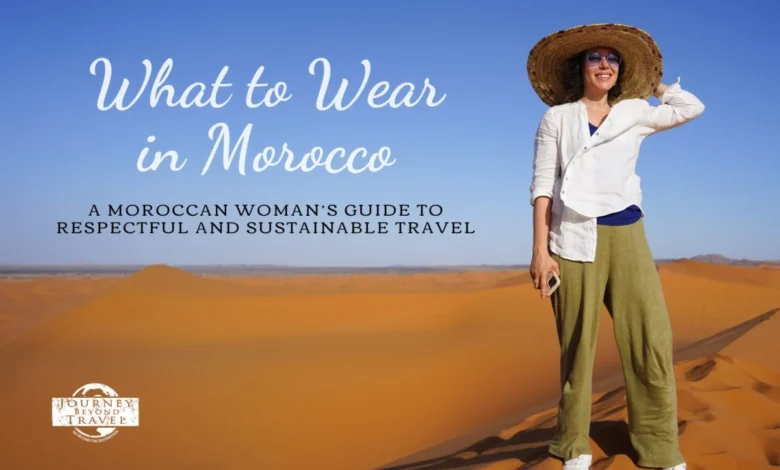
During the spring, temperatures are generally moderate, though coastal regions can experience cooler, damp conditions. By summer, the mercury frequently climbs between 100°F and 115°F in inland areas and the desert. During these months, travelers are advised to prioritize lightweight, natural fibers such as linen and organic cotton. These materials facilitate airflow and assist in temperature regulation. Long sleeves are recommended not only for modesty but as a practical barrier against intense UV exposure.
Fall and Winter: Navigating Cooler Conditions
Fall is widely considered the peak season for travel, offering stable temperatures that hover between 60°F and 90°F. As winter approaches, the climate shifts drastically. In cities like Marrakech and Casablanca, daytime highs remain mild, but nighttime temperatures can plummet into the 40s°F. In the Atlas Mountains, winter precipitation is common, and snow is a regular occurrence. Travelers during this period should incorporate layering strategies, utilizing wool-blend sweaters, fleece, and heavier coats to adapt to the fluctuating thermal environment.

The Role of Sustainable and Local Fashion
A growing segment of the tourism industry emphasizes the "three C’s": comfort, climate, and customs. Sustainability has become a core component of this ethos. By opting for high-quality, durable garments—or by purchasing traditional items upon arrival—travelers can reduce their environmental footprint while supporting the local economy.
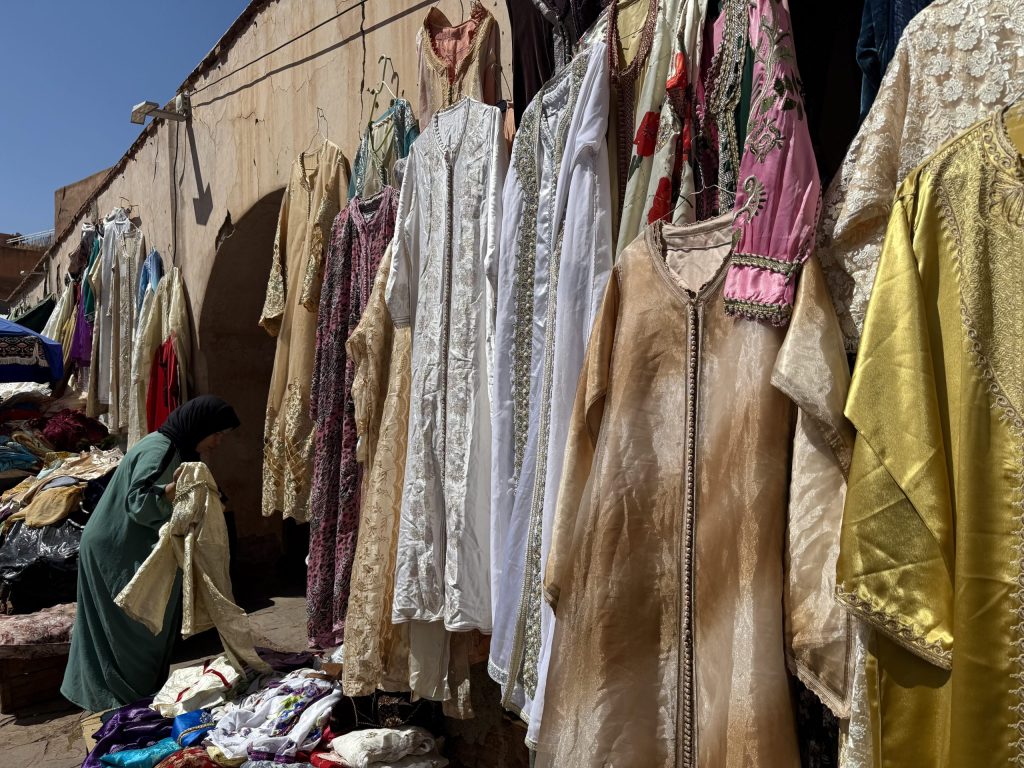
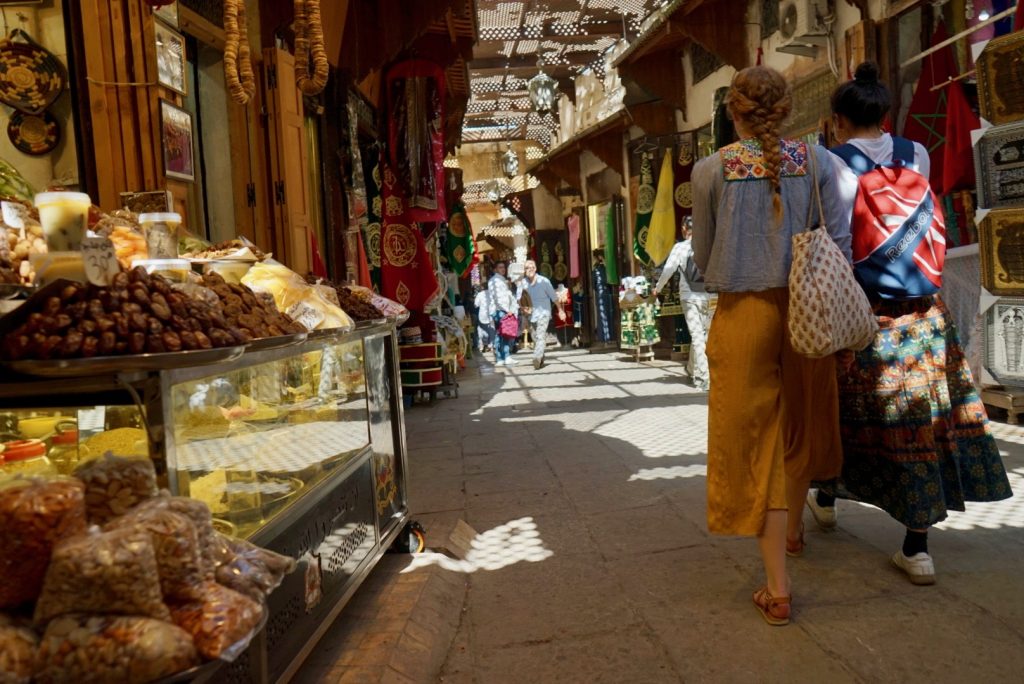
Morocco’s artisanal heritage offers numerous opportunities for sustainable shopping. Cities such as Fez and Marrakesh are renowned for their guilds of weavers, leatherworkers, and tailors. For instance, the traditional jellaba or a locally sourced kaftan provides a practical, comfortable, and historically grounded option for navigating the medinas. These items are designed to handle the climate while adhering to the modesty standards preferred by the local population.
Essential Footwear and Accessories
Given the uneven terrain of ancient medinas and the rugged nature of desert excursions, footwear selection is a critical logistical decision. Sturdy, closed-toe walking shoes are recommended for city exploration to protect against dust, debris, and the cobblestone surfaces common in historic districts. While sandals are appropriate for coastal areas and hotel facilities, flip-flops are generally discouraged for long-distance urban trekking.
Accessories serve both functional and cultural purposes. Sunglasses and wide-brimmed hats are essential for sun protection. A versatile scarf remains the most important accessory for any traveler in Morocco. It serves multiple roles: providing sun protection, offering warmth during chilly desert nights, and acting as a modest wrap when entering conservative spaces. Notably, while some tourists may choose to cover their hair, it is not a requirement. The state has prohibited the use of the burqa in public spaces, and there is no legal obligation for visitors to cover their heads.
Practical Advice for Diverse Travelers
While there are no formal, state-mandated clothing requirements for men, they are also encouraged to maintain a clean and respectful appearance. The emphasis on modesty is primarily directed at women, but all travelers benefit from avoiding overly casual or athletic wear when dining in upscale establishments or visiting administrative and religious institutions.
For those engaging in outdoor activities, such as trekking in the High Atlas or camping in the Sahara, high-performance gear is essential. However, it is advisable to keep these items reserved for the trails rather than wearing them in the centers of towns. When in doubt, a simple rule of thumb is to observe the local population; if a particular style of dress is not visible among the locals, it may be an indicator that it is unsuitable for the specific local context.
Economic Impact of Local Artisanry
Supporting local artisans is not merely a matter of cultural etiquette; it is a vital economic driver. By purchasing items such as raffia shoes, silver jewelry from the Tiznit region, or handcrafted textiles, travelers contribute to the preservation of ancient crafts that are currently under threat from mass-produced imports.
Several prominent hubs exemplify this integration of trade and culture:
- Chabi Chic (Marrakech): Focuses on the elevation of Moroccan craftsmanship through ethical, modern designs.
- Hanout Boutique (Marrakech): Provides a contemporary take on traditional Moroccan silhouettes, offering high-quality tunics and kaftans.
- Las Chicas (Tangier): A conceptual space that highlights local designers and artisanal goods.
- Abdellah (Essaouira): Specializes in high-quality raffia footwear, demonstrating the viability of traditional materials in modern fashion.
Final Considerations and Synthesis
The consensus among cultural experts and veteran travelers is that respect for Moroccan tradition does not necessitate the abandonment of one’s personal style. Rather, it requires an adaptive approach. The objective of dressing appropriately is to minimize the barrier between the visitor and the host culture, allowing for more authentic and meaningful interactions.
Travelers who prioritize natural materials, practice respectful layering, and support local artisans are generally met with greater warmth and inclusion. As Morocco continues to modernize, the dialogue regarding public appearance will undoubtedly continue to evolve. For now, the most successful strategy remains one of awareness: recognizing that one’s presence in a foreign country is a reflection of their own values and their capacity to appreciate the host nation’s history and social fabric. By adhering to the principles of comfort, climate, and local custom, visitors can ensure their experience is both enjoyable and culturally aligned.
Related posts: