Beyond the Gateway: A Comprehensive Guide to Expanding Your Moroccan Itinerary into Neighboring Territories and Europe

Many travelers arrive in Morocco captivated by the sensory richness of its imperial cities and the vastness of the Sahara, often overlooking the fact that they are standing at one of the world’s most significant geopolitical crossroads. Morocco serves as the primary bridge between the African continent and Europe, and with modern logistics, expanding a trip to include Spain, the Canary Islands, Gibraltar, or the deeper reaches of the Sahara is not only feasible but increasingly popular. Understanding the logistical, historical, and diplomatic nuances of these border crossings is essential for any traveler looking to turn a Moroccan vacation into a broader regional exploration.
The Historical and Geographical Context of the Strait
The Strait of Gibraltar, a mere 14 kilometers (9 miles) at its narrowest point, has dictated the flow of human history for millennia. From the Phoenicians to the Almohad Caliphate and the modern-day Schengen Zone, this narrow waterway has served as a conduit for trade, religion, and cultural exchange. Today, this proximity facilitates a seamless transition for tourists, provided they understand the regulatory framework governing the region. For citizens of the European Union, the United Kingdom, the United States, and Canada, the transit between Morocco and Spain is characterized by high frequency and accessibility, with most travelers benefiting from visa-exempt status for stays of up to 90 days.
Logistical Pathways: Ferries and Air Travel
The most iconic route for travelers remains the ferry connection across the Strait. Major ports such as Tangier Med and Tangier Ville in Morocco serve as the primary gateways to European ports including Algeciras and Tarifa in Spain. Operators such as FRS (DFDS), Balearia, and Trasmediterránea maintain a consistent schedule, effectively turning the sea into a bridge. Data from the Moroccan Ministry of Transport suggests that millions of passengers utilize these maritime links annually, particularly during the "Operation Marhaba" period in the summer months, when the Moroccan diaspora returns from Europe.

For those prioritizing speed over the maritime experience, the expansion of low-cost carrier networks has transformed regional connectivity. Direct flights now operate daily between Moroccan hubs like Casablanca’s Mohammed V International Airport, Marrakech-Menara, and Fes-Saïss, and major Spanish cities such as Madrid, Barcelona, and Malaga. This air bridge allows travelers to bypass the overland border process entirely, shifting the focus from customs transit to the convenience of EU-internal travel regulations.
The Anomaly of Ceuta and Melilla
A unique geopolitical feature of the region is the presence of Ceuta and Melilla, the two autonomous Spanish cities situated on the North African coast. These territories represent the only land borders between the European Union and the African continent. For the unsuspecting traveler, crossing into these cities can be a disorienting experience; one moves from the Moroccan landscape directly into a jurisdiction governed by Spanish law and EU regulations.
Since the late 20th century, these borders have become points of intense administrative scrutiny. Travelers must be prepared for rigorous passport control, as the border represents an external frontier of the Schengen Area. The historical context of these cities—dating back to the 15th and 16th centuries—adds a layer of complexity to the travel experience, as they remain centers of debate regarding sovereignty and migration policy. Visitors are advised to monitor local diplomatic updates, as the border dynamics can shift rapidly based on broader political tensions between Rabat and Madrid.
Island Hopping: The Canary Islands Connection
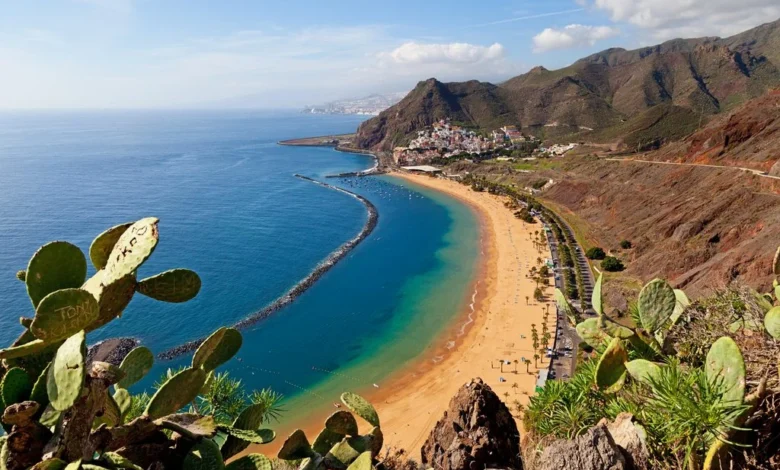
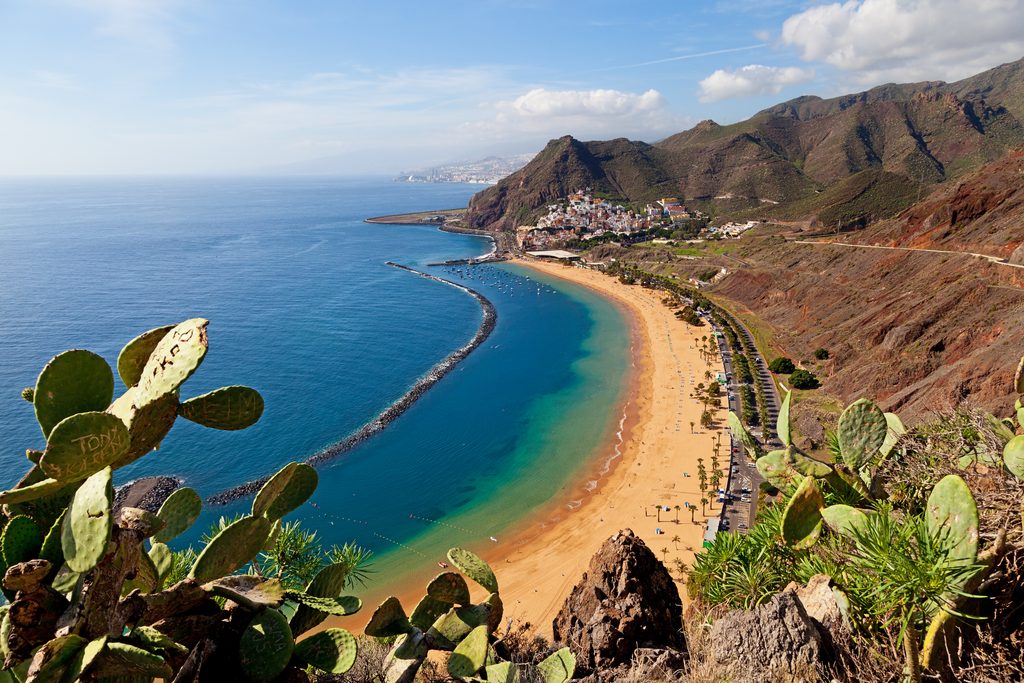
Further south, the Canary Islands provide a starkly different experience. While geographically closer to the Moroccan coast than to mainland Spain, these volcanic archipelagos—Tenerife, Gran Canaria, and Lanzarote—are fully integrated into the Spanish state. Historically, these islands served as critical stops for explorers; today, they are premier global tourism destinations. The connectivity between Morocco and the Canaries has seen significant development in recent years, with regional airlines like Binter Canarias facilitating travel from airports such as Agadir and Marrakech. This route offers a transition from the desert-influenced climate of southern Morocco to the subtropical, Atlantic-facing environment of the Spanish islands.

Navigating the Western Sahara and Mauritanian Frontier
Moving south of the traditional Moroccan tourist circuit, the landscape shifts toward the Western Sahara and the border with Mauritania. This region is defined by its remoteness and the unique challenges of desert navigation. Travelers interested in the Dakhla region, famous for its world-class kitesurfing and pristine coastline, must account for the specific administrative status of the territory.
The border crossing into Mauritania at Guerguerat is a destination for the experienced, adventurous traveler rather than the casual tourist. Unlike the seamless crossings of the Mediterranean, the journey into Mauritania requires meticulous planning. Travelers must secure a visa, often obtainable at the border or through a Mauritanian embassy, and must possess a vehicle with the appropriate temporary importation permits. The logistical complexity is compounded by the vast, unpopulated stretches of the desert. Safety agencies frequently advise that those traveling overland in this sector maintain a high level of situational awareness, as the region’s infrastructure is limited and emergency response times can be significantly longer than in northern areas.
The Diplomatic Reality: The Morocco-Algeria Border
While discussing regional connectivity, it is vital to acknowledge a significant exception: the border between Morocco and Algeria. Closed since 1994 due to a diplomatic impasse, this border remains a stark reminder of how political tensions can halt regional integration. There is currently no legal, direct way to cross from Morocco into Algeria via land or air. This closure forces travelers wishing to visit both nations to transit through a third country—typically France, Tunisia, or Spain. Analysts note that the continued closure of this border remains a significant impediment to North African economic unity, limiting trade and tourism flow across the Maghreb.
Strategic Planning for the Multi-Country Itinerary
For those planning an ambitious regional tour, the key to a successful journey lies in the balance between logistical efficiency and cultural immersion. The "gateway" cities of Tangier and Nador serve as the most effective points of departure for those heading toward Europe. Conversely, those heading toward the Atlantic or southern routes should focus on the stability of their transportation, whether by private vehicle or internal flight.
Experts in the tourism sector often emphasize that the diversity of these regions requires different travel mentalities. The Mediterranean crossing is defined by high-frequency, standardized transit, while the Saharan crossing is defined by expedition-style logistics. Travelers should consult their home country’s embassy websites for real-time data on entry requirements, as these can change without notice due to diplomatic shifts.
Implications for Future Regional Travel
The potential for expanding travel beyond Morocco is immense. As infrastructure continues to improve—specifically regarding the modernization of Moroccan ports and the expansion of flight routes—the region is becoming more accessible than ever. However, the true value of such a trip lies in the understanding of the deep, historical interconnectedness between these territories.
Whether one is crossing the Strait of Gibraltar to witness the synthesis of Moorish architecture in Andalusia, or heading south to the nomadic heritage of the Mauritanian border, the traveler is participating in a history of migration and exchange that spans centuries. By moving beyond the borders of a single nation, one gains a more profound appreciation for the complexity of the Mediterranean and North African landscape.
As you finalize your itinerary, prioritize the fluidity of your connections. Book ferry tickets in advance during peak seasons, ensure your documentation for the Schengen Zone or Mauritanian entry is in order, and remain cognizant of the geopolitical realities that govern these regions. By doing so, you transform your visit from a standard vacation into a comprehensive exploration of one of the most culturally significant corridors in the world. The journey between these lands is not merely a transfer between locations; it is a passage through the layers of history, geography, and culture that have shaped the modern Mediterranean basin.