A Slow Weekend Itinerary for Couples in Milan Balancing Urban Energy with Wellness Retreats


Milan has long rewarded travelers who move at a rapid, purposeful pace. A typical weekend itinerary for couples visiting Italy’s fashion and financial capital often demands a relentless schedule: admiring the white marble spires of the Duomo at opening, browsing the luxury boutiques of the Quadrilatero della Moda by midday, and capping off the afternoon with a scenic aperitivo before a late dinner. Most weekend travel guides urge visitors to maintain this high-velocity rhythm straight through Sunday evening. However, a growing segment of experiential tourism advocates for a deliberate shift in philosophy. By introducing a calculated pause into the middle of a two-day trip—long enough to silence the constant ping of notifications and dinner reservations—couples can experience a more profound, restorative connection with the city.
This redesigned weekend itinerary is structured around two distinct operational rhythms: the high-octane cultural exploration of day one, followed by a slower, wellness-anchored second day centered on the historic thermal baths of Terme De Montel in the San Siro district. Along the way, travelers are guided through peripheral neighborhoods that reveal Milan’s quieter architectural and historical layers, including the gallery-lined streets of Brera, the historic waterways of the Navigli canals, and the residential tranquility of San Siro beyond its world-famous stadium.
A Weekend Built Around Two Rhythms
The strategic key to a successful couples’ weekend in Milan is not about packing maximum sights into minimum hours. Rather, it relies on alternating between the municipality’s vibrant metropolitan energy and deliberate periods of quietude, ensuring neither mood wears thin. Sightseeing days naturally induce a fast-paced routine characterized by constant walking, wayfinding, and map-checking. Conversely, an afternoon dedicated to thermal hydrotherapy performs the inverse function. This structural contrast is what transforms a standard weekend getaway from an exhausting checklist into a genuinely complete and refreshing travel experience.
Tourism data consistently shows that modern travelers are increasingly seeking restorative travel over traditional sightseeing marathons. According to recent hospitality analytics, wellness tourism globally has seen a dramatic double-digit surge, with urban wellness centers experiencing the highest demand growth. Couples, in particular, are prioritizing shared downtime over non-stop museum hopping. By dividing a 48-hour metropolitan trip evenly between cultural immersion and relaxation, visitors mitigate travel fatigue and return home feeling genuinely restored.

Day One: Navigating the City’s Historic Core
The first day of the itinerary plunges couples directly into the architectural heart of Milan, capitalizing on early morning hours to outpace the heavy tourist crowds.
The Duomo: Early Morning and From Above
The monumental Milan Cathedral, or Duomo di Milano, took nearly six centuries to complete, with construction beginning in 1386 under Archbishop Antonio da Saluzzo and concluding in its primary elements in the 20th century. Today, the cathedral draws approximately six million annual visitors, making strategic timing essential for any visitor hoping to appreciate its scale without battling dense crowds.
The cathedral rooftop terraces are open daily from 9:00 AM to 7:00 PM, with final admissions permitted one hour prior to closing. Accessing the roof can be achieved via a climb of roughly 250 steps or through a brief elevator ride. Industry experts recommend securing the earliest available morning slot. From the vantage point of the rooftop, visitors stand close enough to examine the intricate marble spires, gargoyles, and statues up close, while enjoying panoramic views of the piazza and the distant skyline that ground-level photographs simply cannot capture.
Brera’s Artistic Heritage and Slower Streets
By late morning, travelers are encouraged to transition from the monumental scale of the Duomo to the more intimate, intellectual enclave of Brera. Located within a stately 17th-century palace that has housed the institution since 1776, the Pinacoteca di Brera features an elite collection of masterworks by Caravaggio, Raphael, Mantegna, and Titian. Art historians note that the gallery’s layout rewards unhurried contemplation rather than rapid-fire sightseeing.
Outside the museum doors, the cobblestone streets of the Brera district offer a distinct contrast to the commercial frenzy of Milan’s primary shopping zones. Narrow, winding corridors are lined with independent art galleries, antique shops, and historic cafés, encouraging casual exploration and intentional detours.
Evening Aperitivo Culture
Day one concludes with a quintessential Milanese ritual: the evening aperitivo. Originating in northern Italy as a way to stimulate the appetite before dinner through a combination of low-ABV alcoholic beverages (such as Campari or Aperol spritzes) and complimentary small plates, this social custom encourages a relaxed pace. Cultural analysts note that the aperitivo serves as a vital psychological transition between the day’s active itinerary and the evening’s leisure, setting a low-pressure tone for the remainder of the evening.
Day Two: The Intentional Midday Pause
Day two shifts the itinerary’s structural design away from traditional urban exploration, dividing the schedule into three distinct movements: a tranquil morning along historical waterways, a restorative midday immersion at a thermal bath facility, and an unhurried evening returning to the metropolitan center.
Morning Along the Historic Navigli Canals
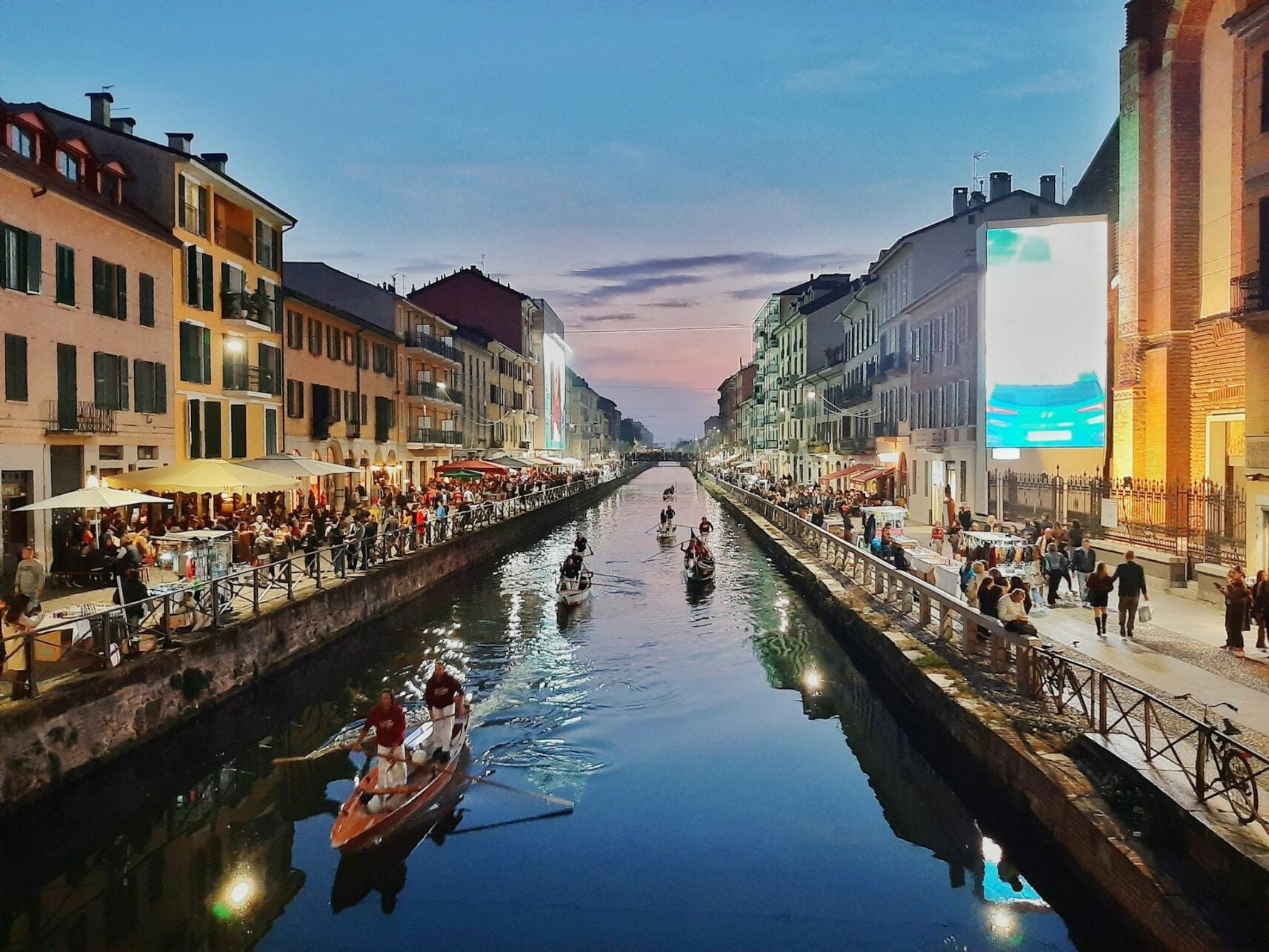
The Navigli district preserves a tangible link to Milan’s engineering history through the remaining active channels of the Naviglio Grande and Naviglio Pavese. These waterways are the final survivors of an intricate canal network that once transported goods, building materials, and food directly into the city center—a system famously optimized by Leonardo da Vinci, who refined the canal lock mechanisms during his time in Milan.
A quiet morning walk starting from Porta Genova and following the water toward Vicolo dei Lavandai offers a glimpse into working-class Milanese history. This small, picturesque courtyard takes its name from the historic washhouse where local women once knelt to scrub laundry directly in the canal waters. Urban planners highlight the Navigli as a prime example of successful adaptive reuse, where industrial heritage has been harmoniously integrated with contemporary residential and culinary life.
Midday Wellness at Terme De Montel
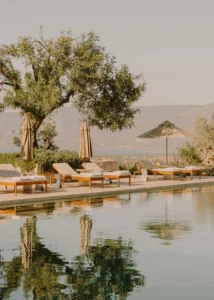
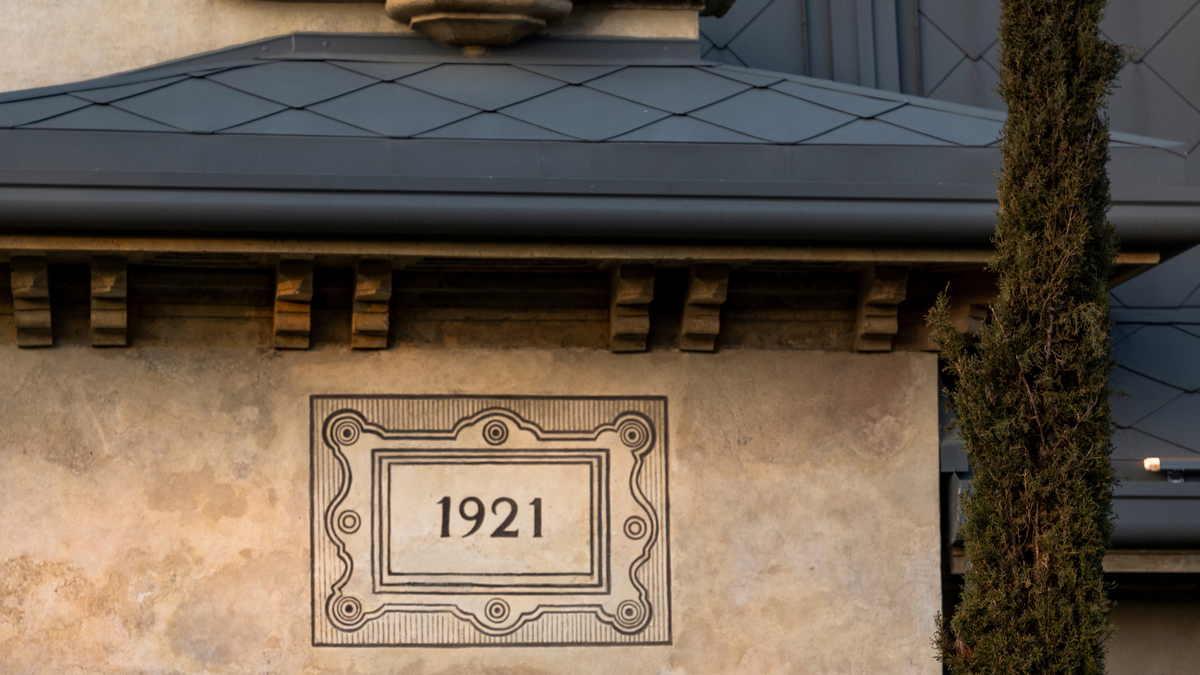
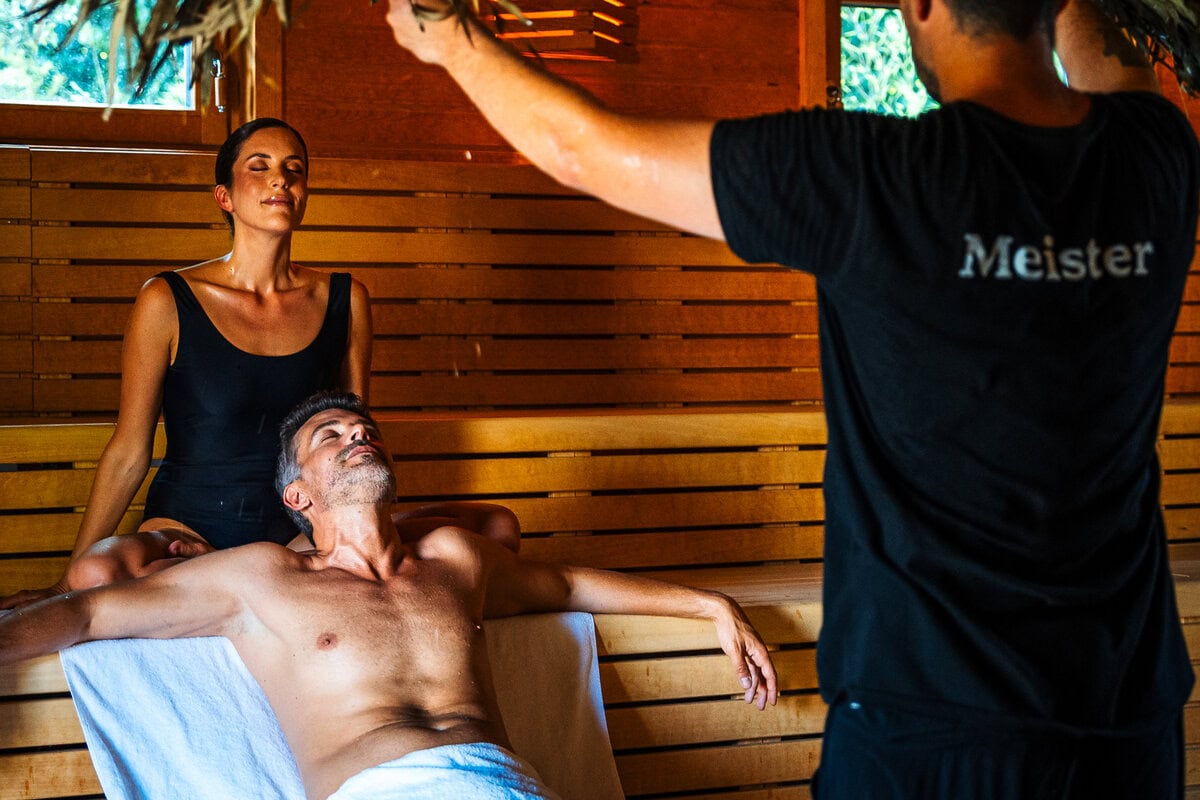
The centerpiece of the second day is a multi-hour retreat at Terme De Montel, located within the historic Scuderie De Montel in the San Siro district. Constructed originally in 1921 as municipal stables, the property has undergone a meticulous architectural restoration, transforming a derelict heritage site into a contemporary thermal bath complex.
Upon entering the facility, guests experience an immediate sensory shift. The ambient noise of metropolitan traffic and urban activity dissolves, replaced by the gentle acoustic landscape of moving water, low-decibel conversations, and the clean, mineral scent of thermal waters. Urban regeneration experts point to projects like the Scuderie De Montel restoration as vital models for modern European cities, demonstrating how underutilized 20th-century architectural assets can be repurposed to promote public health and urban well-being.
Psychological evaluations of spa tourism suggest that immersing oneself in thermal waters induces a physiological state of relaxation, lowering cortisol levels and encouraging interpersonal bonding among couples. Without the external pressure of maintaining a strict sightseeing schedule, visitors frequently report an organic deepening of conversation and a collective mental decompression.
Evening Return to the Urban Center
Following the thermal break, travelers are advised to maintain a flexible schedule, avoiding rigid dinner reservations immediately upon exiting the spa. Re-entering the bustling center of Milan after hours of absolute quiet can temporarily heighten acoustic sensitivities, a normal psychological adjustment as the senses readjust to urban stimuli.
San Siro: Beyond the Athletic Stadium
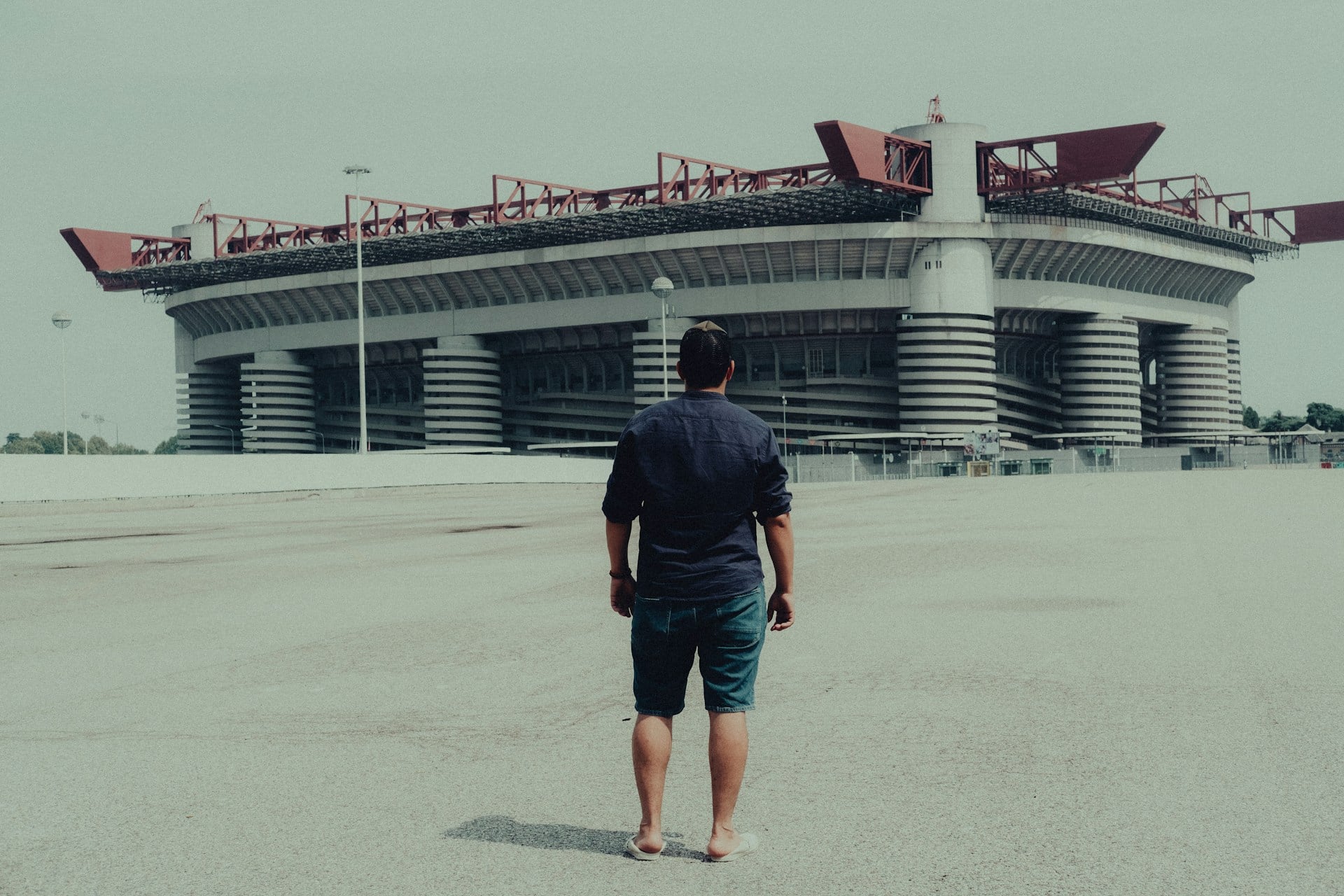
While the San Siro neighborhood is internationally synonymous with the Giuseppe Meazza Stadium—home to football giants AC Milan and Inter Milan—urban analysts emphasize that the district possesses a rich secondary identity. Beyond the stadium’s perimeter lies a network of expansive green spaces and quiet residential zones that offer a stark contrast to the tourist-heavy historical center.
The integration of Terme De Montel into the San Siro district underscores a broader municipal trend: decentralizing tourism and economic development away from the immediate Duomo ring, encouraging visitors to explore peripheral neighborhoods that contribute equally to the city’s complex historical narrative.
Practical Logistics and Travel Guidance
Transportation and Accessibility
Milan’s urban core is exceptionally compact and well-serviced by an integrated network of metro lines, trams, and buses. Both the San Siro district and the Navigli canals are easily accessible via short public transit rides from the Duomo, eliminating the need for personal automobile rentals or lengthy overland transfers.
Seasonal Timing Considerations
Terme De Montel operates year-round, with indoor and outdoor thermal pools maintained at optimal temperatures regardless of meteorological conditions. Travel industry data indicates that visiting Milan during the autumn and winter months enhances the thermal bath experience, creating a dramatic, pleasurable contrast between the crisp, cool air of the city streets and the warmth of the mineral waters. Conversely, summer evenings amplify the vibrant social energy along the Navigli canals.
Budgetary Planning and Reservations
Because admission fees for cultural and wellness institutions fluctuate based on seasonal demand, travelers are advised to consult official ticketing platforms in advance. Pre-booking is particularly critical for the Duomo rooftop terraces, where timed-entry slots ensure crowd management and preserve the quality of the visitor experience.
Frequently Asked Questions
How many days are required to execute this specific Milan itinerary?
Two full days provide the ideal duration for this itinerary. Day one accommodates high-paced cultural sightseeing around the Duomo and Brera, while day two balances historical walks along the Navigli with an afternoon of hydrotherapy at Terme De Montel, leaving space for a relaxed evening in the city center.
Is it realistic to incorporate a thermal spa into a brief 48-hour city trip?
Yes. By treating the spa visit as a structured five-hour midday pause rather than an all-day excursion, travelers can seamlessly integrate wellness activities into a standard urban itinerary without sacrificing sightseeing objectives.
What is the recommended sequencing for major city landmarks?
Travelers should front-load visits to the Duomo rooftop during the first available morning hour to minimize crowd density, followed by late-morning explorations of the Brera district. The Navigli canals and San Siro wellness experiences are best reserved for the second day to maintain a descending gradient of physical activity.