Navigating Uzbekistan: Essential Travel Protocols and Regional Insights for Modern Explorers


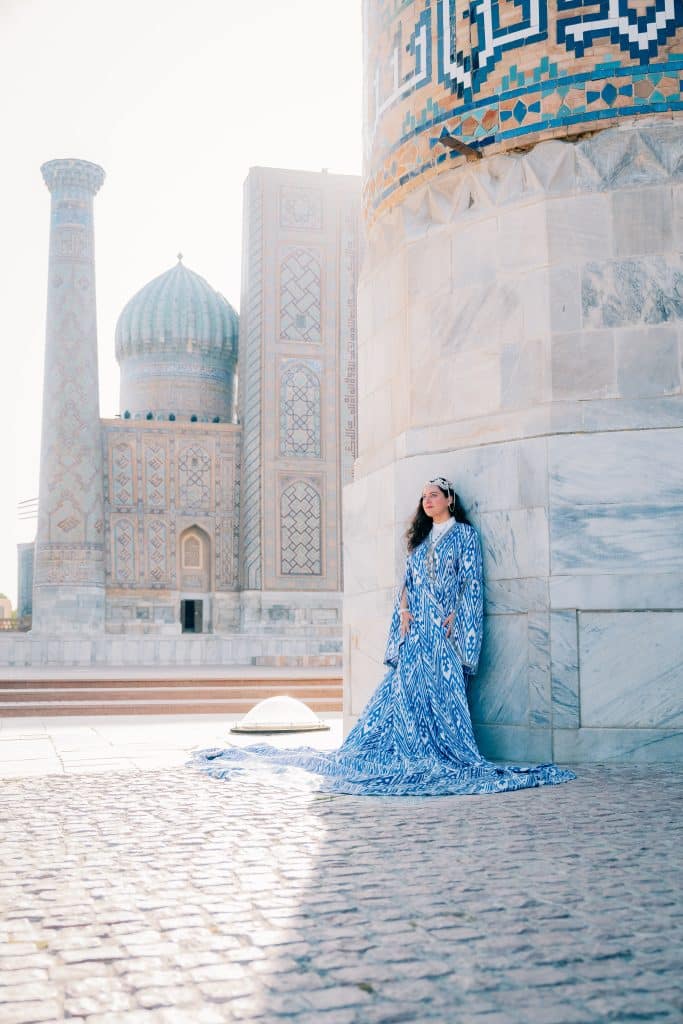
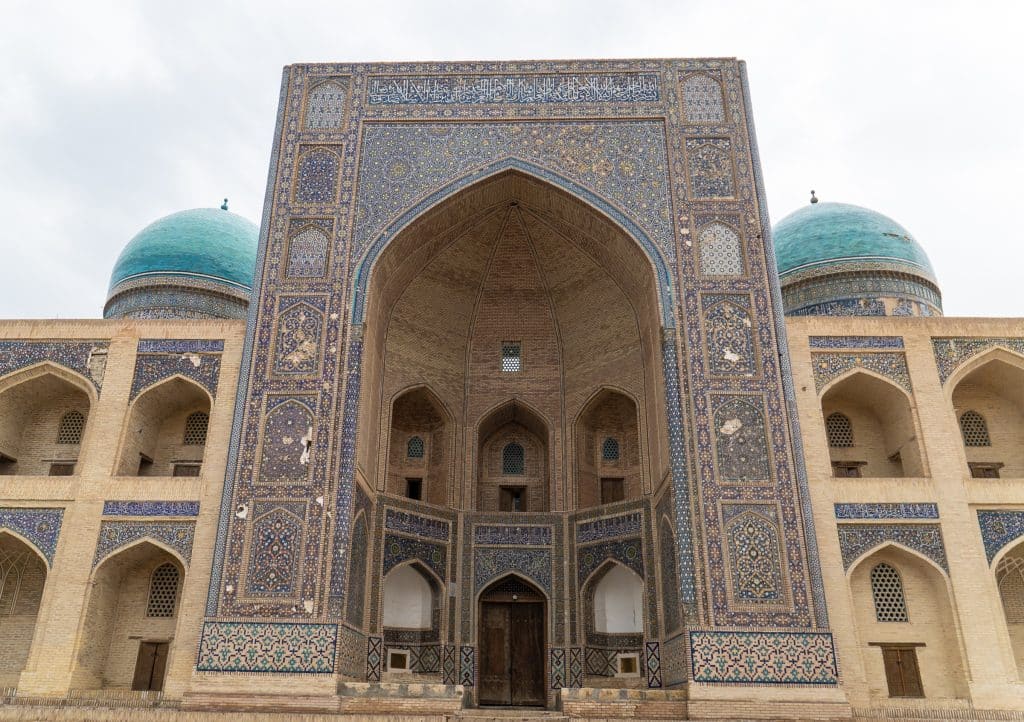
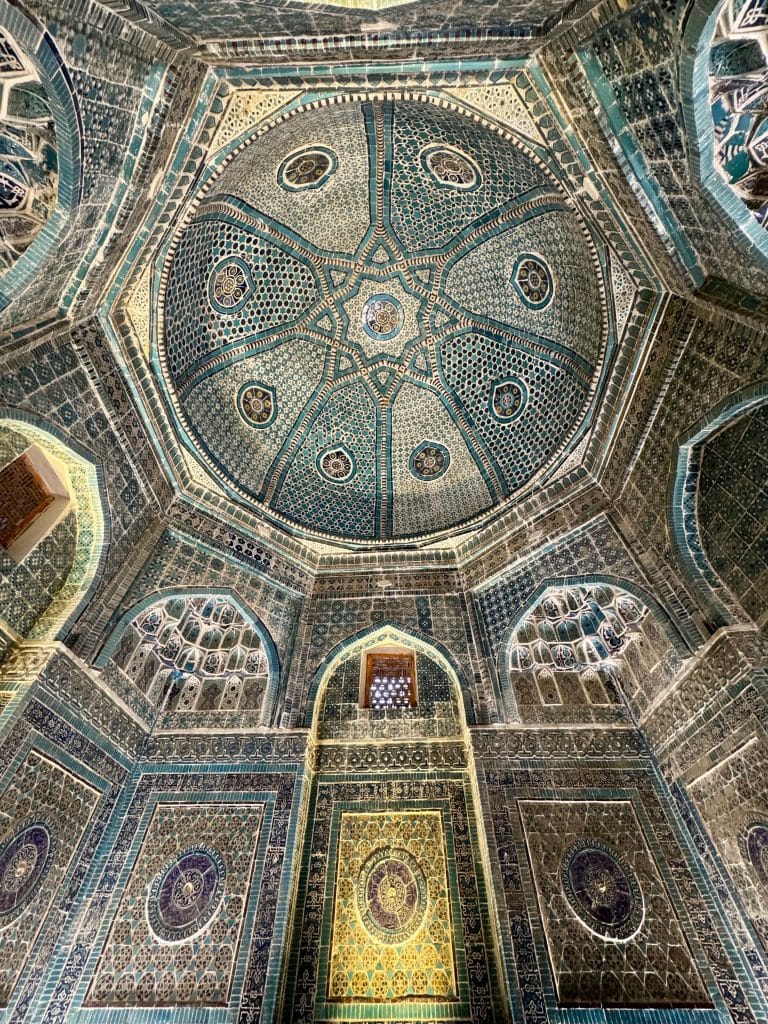
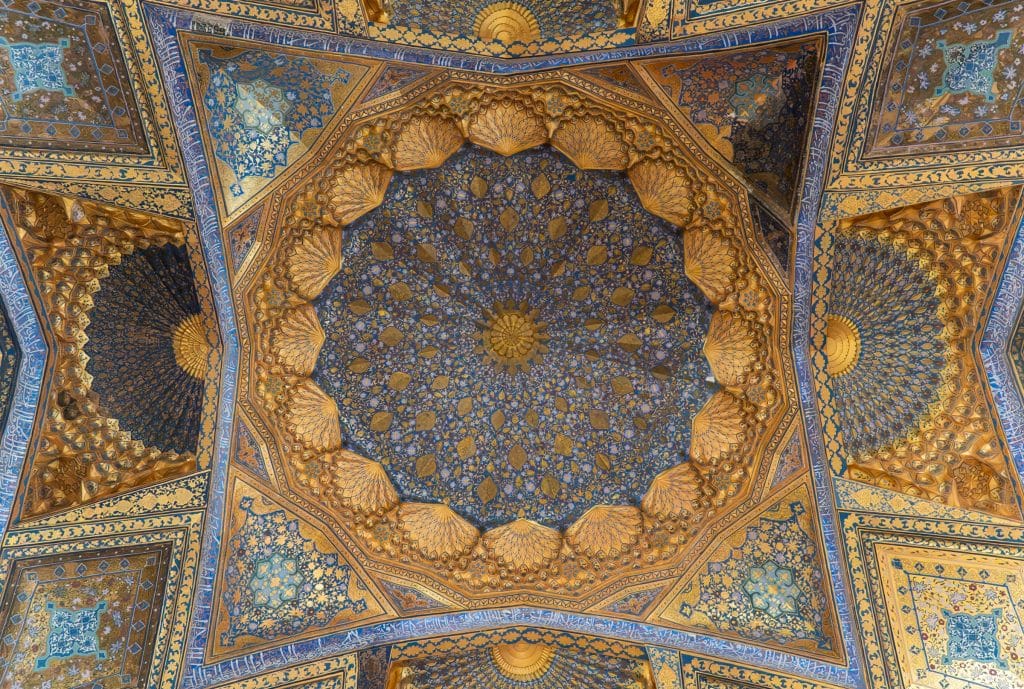
The resurgence of tourism along the historic Silk Road has propelled Central Asia into the spotlight, with Uzbekistan emerging as the region’s cultural crown jewel. Characterized by striking turquoise mosaics, intricate architectural marvels, and deep-rooted artisan traditions, the country welcomed a significant influx of international travelers following post-pandemic infrastructure investments. However, navigating a destination with distinct bureaucratic frameworks, linguistic nuances, and historical traditions requires careful preparation. Industry analysts and seasoned international correspondents have synthesized crucial insights to help prospective visitors optimize their itineraries, avoid common logistical pitfalls, and engage respectfully with local communities.
Infrastructure, Logistics, and Rail Transport
A primary miscalculation among first-time visitors to Central Asia is underestimating the region’s modern transportation network. Contrary to the assumption that remote infrastructure implies primitive conditions, Uzbekistan boasts an efficient, state-regulated transit system.

The backbone of domestic travel is the railway network, specifically the high-speed Afrosiyab trains connecting the capital city of Tashkent with major cultural hubs such as Samarkand and Bukhara. Passenger data indicates that these high-speed lines reduce cross-country transit times drastically—completing the Tashkent-to-Samarkand route in approximately two hours, compared to a five-to-seven-hour journey by road.

However, high demand consistently outpaces supply. Official railway data shows that tickets for premier routes frequently sell out within minutes of release, which typically occurs 45 to 60 days prior to departure. Transportation analysts recommend securing bookings well in advance through the official state railway portal (railway.uz) or utilizing accredited regional travel agencies to avoid last-minute disruptions.
For intra-city transit, ride-hailing applications have largely replaced traditional street-hailing. The Yandex Go platform operates extensively across urban centers, offering economical fares that average between $2 and $5 per ride. Travelers are advised to download and configure the application prior to arrival, as cellular authentication is required to activate the service.
Connectivity and Financial Transactions
Digital connectivity and financial liquidity remain critical operational pillars for foreign nationals navigating the country. Telecommunications experts strongly advise purchasing an electronic SIM card (eSIM) before departure. Public Wi-Fi infrastructure is largely restricted, and many hotspots require local cellular registration for access. An active data connection is essential not only for navigation and translation services but also for summoning reliable transport during off-peak hours.
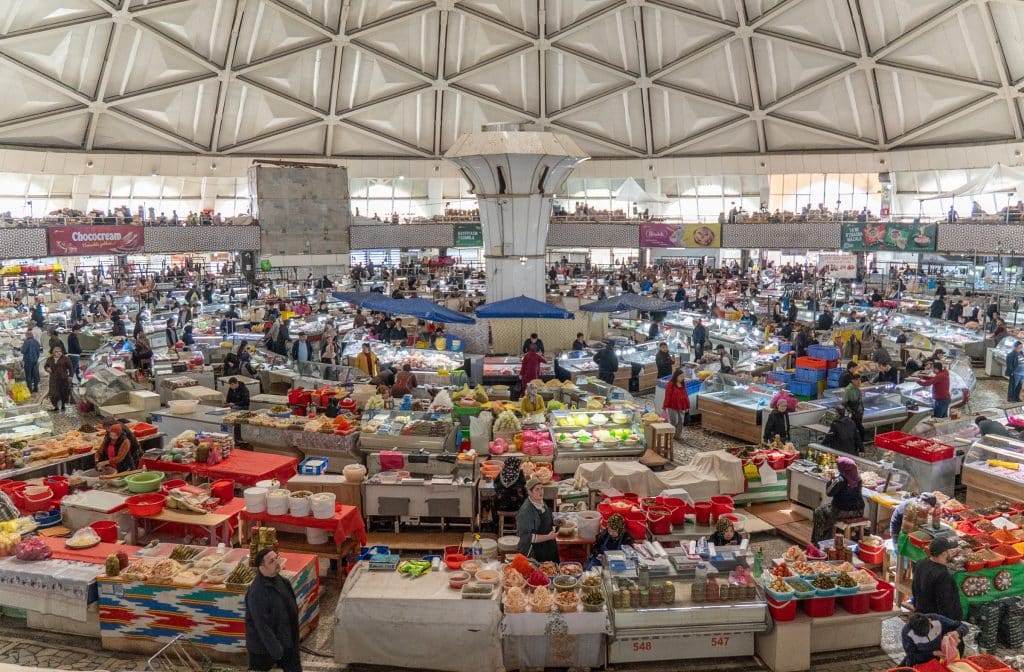
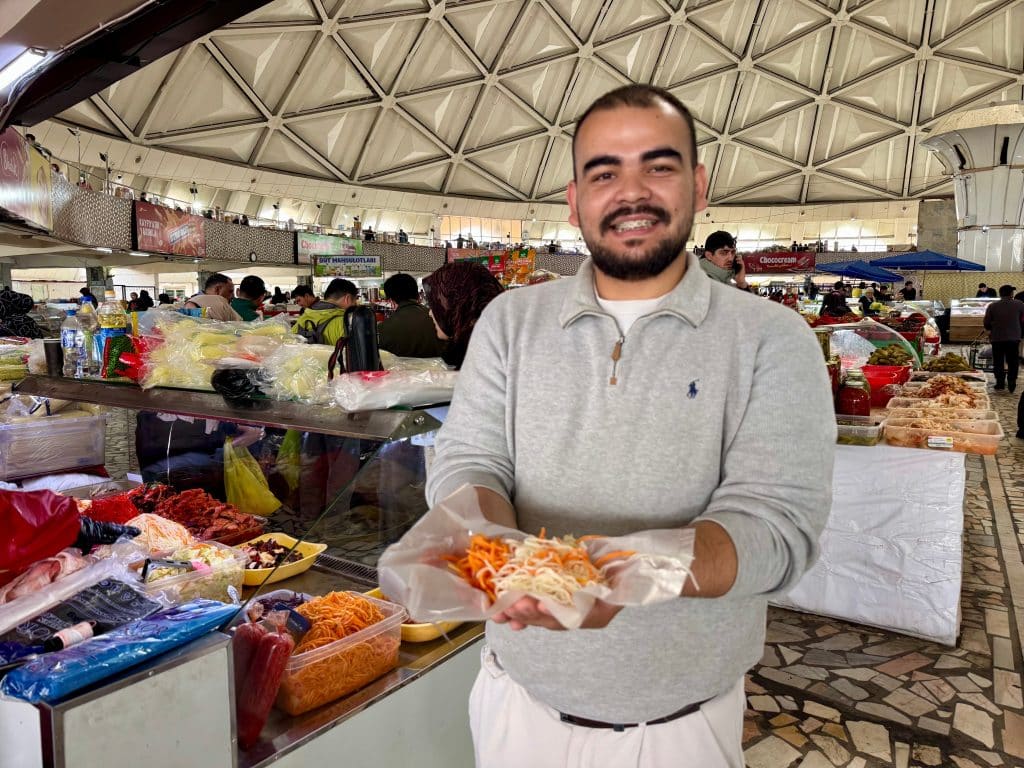
Financially, despite global trends toward cashless transactions, Uzbekistan remains predominantly a cash-based economy. While major hotels and upscale establishments accept international credit cards, boutique guesthouses, artisan markets, and local dining venues rely heavily on physical currency.
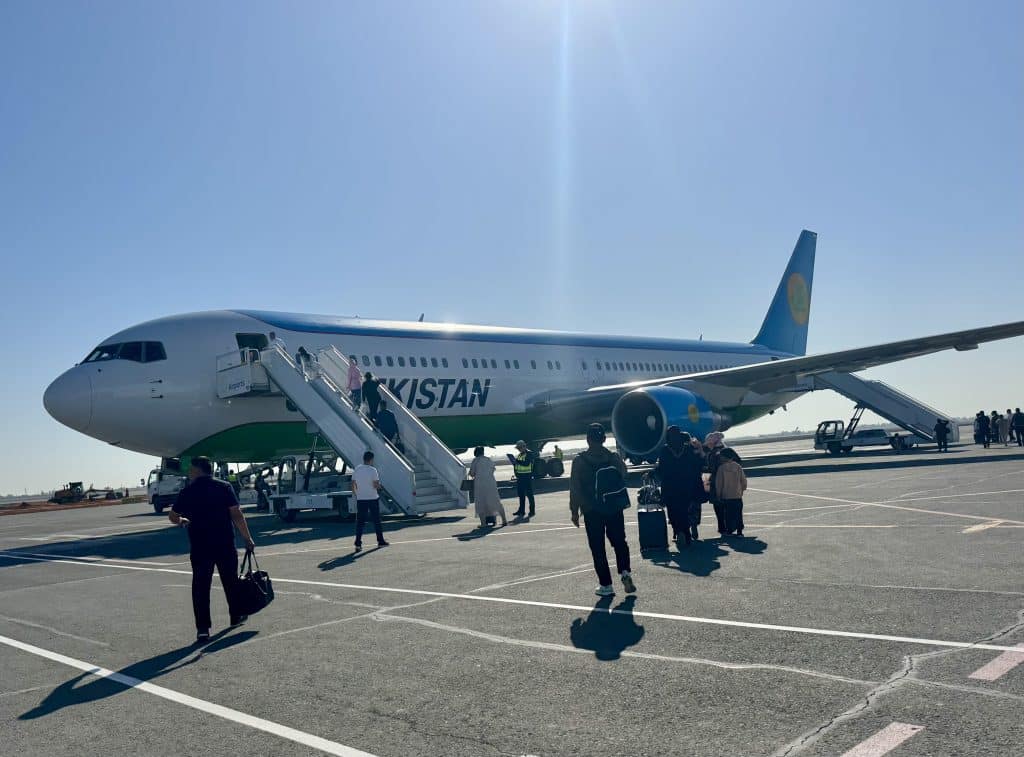
International visitors frequently encounter hurdles with domestic banking systems, such as the inability of foreign credit cards to process transactions on national carriers like Uzbekistan Airways, necessitating alternative booking channels through authorized online travel agencies. Furthermore, automated teller machines (ATMs) operated by institutions like Kapitalbank are essential for liquidity, though travelers should be prepared to manage large volumes of physical bank notes due to lower denomination currency distributions.
Cultural Etiquette and Dress Codes
As a predominantly Muslim nation with a secular governance model, Uzbekistan presents a harmonious blend of traditional values and modern cosmopolitanism. Sociological observations indicate that while restrictive dress codes are not legally mandated for tourists, modesty remains a vital component of cultural respect.
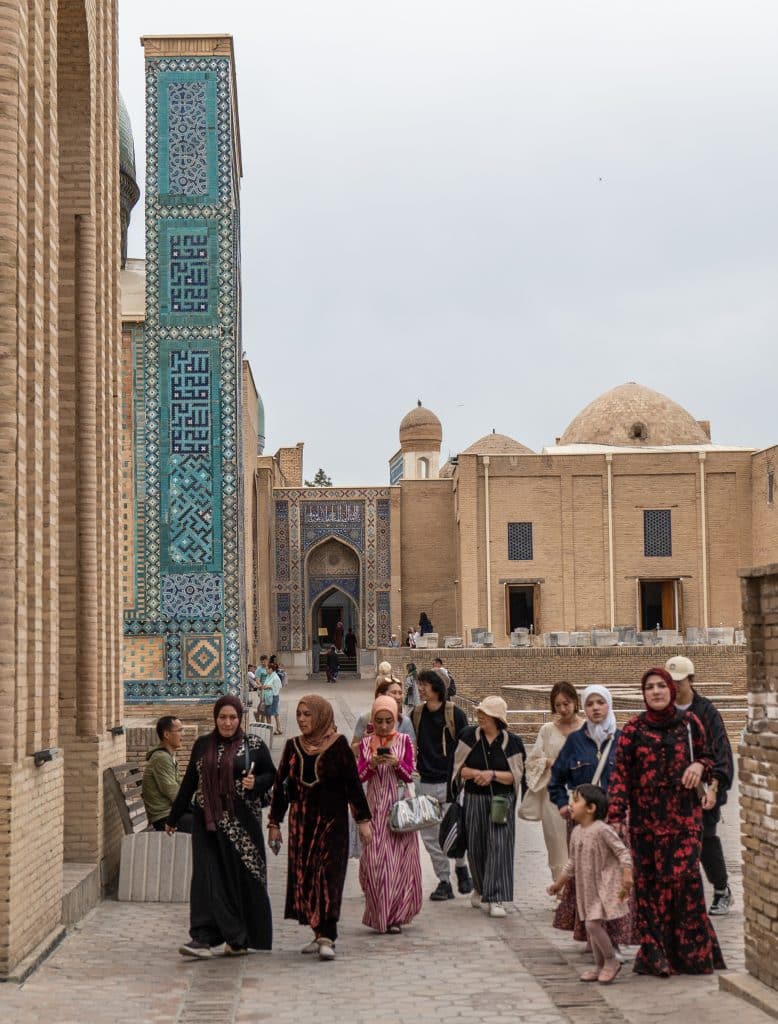
Local citizens—particularly women—frequently balance traditional attire, such as headscarves and long tunics, with contemporary fashion elements like blazers and denim. However, excessively revealing garments, including short shorts, plunging necklines, or swimwear worn outside designated resort areas, are culturally dissonant and draw unfavorable attention. Travel safety consultants advise both male and female visitors to opt for conservative, breathable attire that covers shoulders and knees, particularly when visiting religious sites, neighborhood markets, and rural provinces.
Linguistic dynamics also require adaptation. While English is increasingly taught in urban schools and universities, Russian serves as the primary lingua franca, particularly among individuals over the age of forty and outside major tourist corridors. Familiarity with basic Russian vocabulary significantly enhances communication efficiency when navigating transport and dining establishments.

Strategic Itinerary Planning and Regional Context
Tourism boards and regional tour operators have noted a surge in multi-country "Stan" itineraries, which typically attempt to encompass Kazakhstan, Uzbekistan, Tajikistan, Kyrgyzstan, and Turkmenistan within a compressed three-week timeframe. Travel industry analysts caution that such ambitious schedules often result in superficial engagement, characterized by transit fatigue and missed opportunities for cultural immersion.
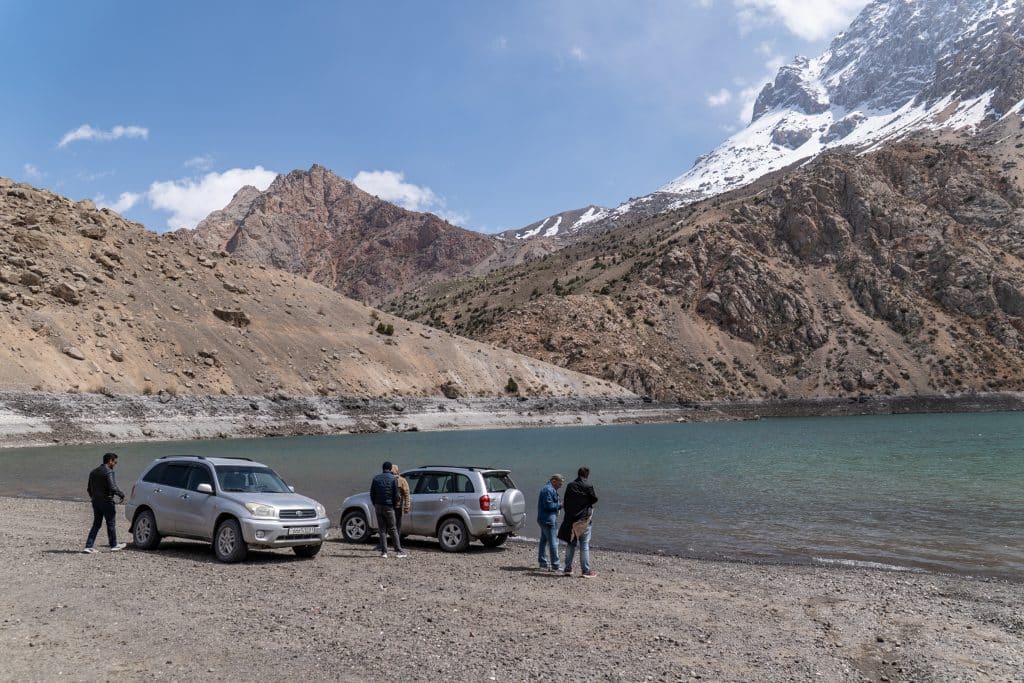
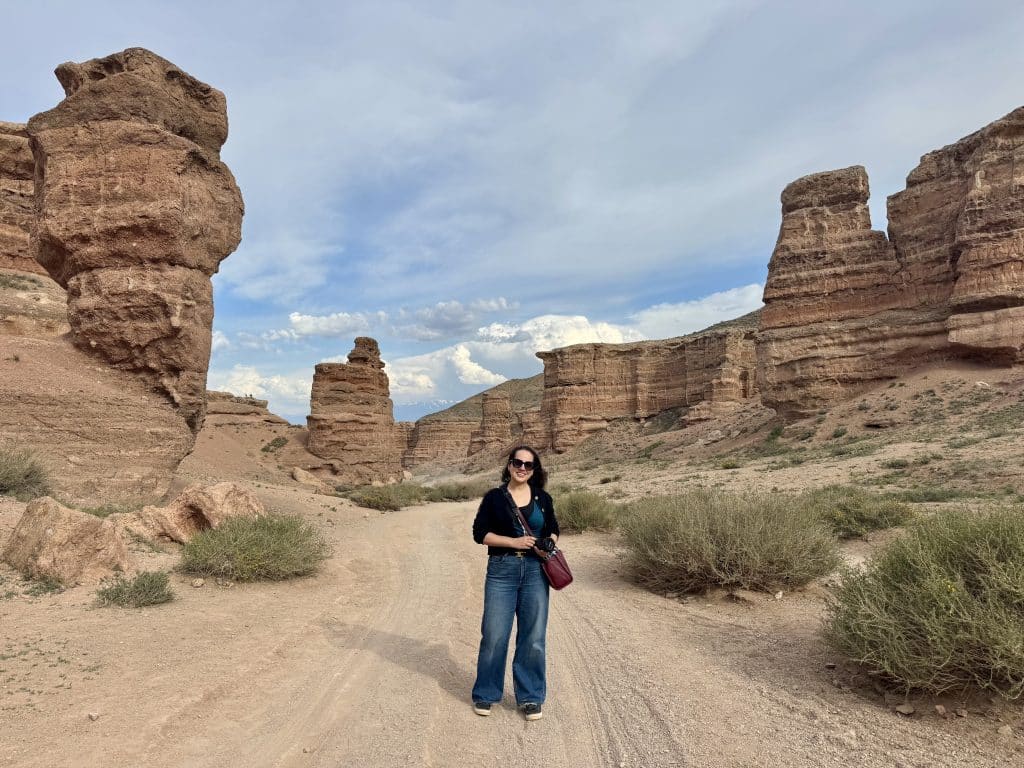
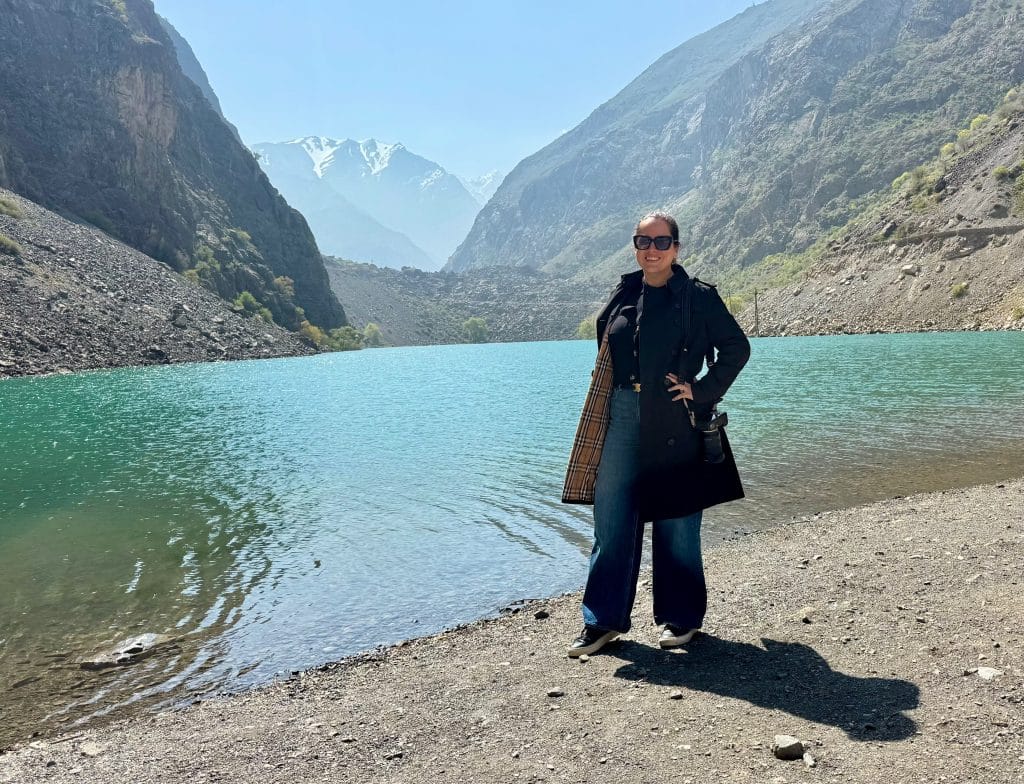
Instead, travel authorities recommend targeted regional pairings—such as combining Uzbekistan with southern Kazakhstan or undertaking a brief cross-border excursion into Tajikistan to view natural landmarks like the Seven Lakes from Samarkand.
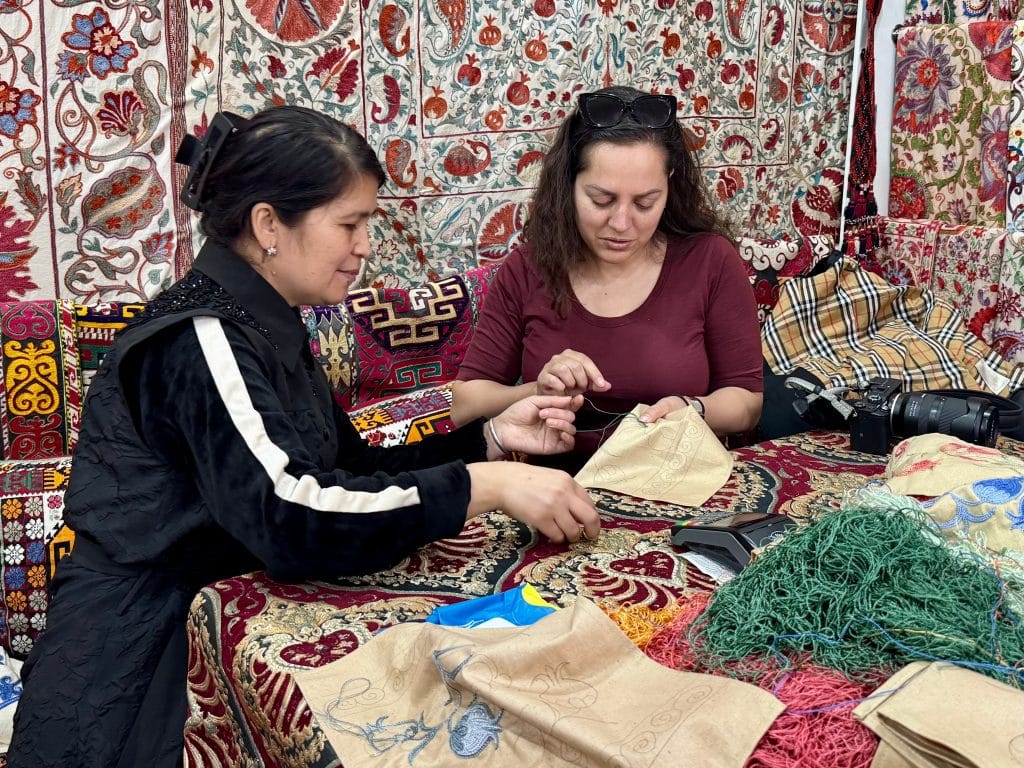
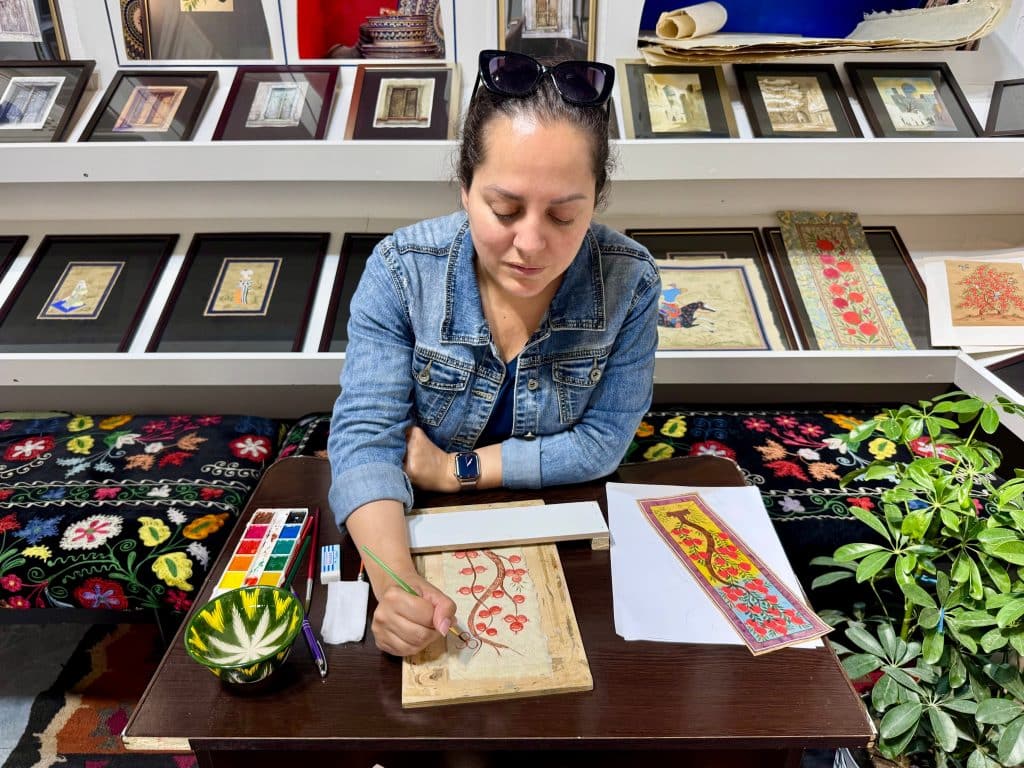
Furthermore, historical preservation zones within cities like Khiva and Samarkand operate largely as living museums optimized for heritage tourism. While Samarkand serves as the architectural masterpiece of the Timurid Empire, its high visitor density and urban traffic have transformed parts of the city into heavily tour-centric environments. Conversely, cities like Bukhara offer a more immersive commercial and historical atmosphere, particularly renowned for traditional crafts such as suzani embroidery, miniature painting, and rug-weaving.
Seasonal Considerations and Climate Implications
Environmental factors play a decisive role in shaping the visitor experience across Central Asia. Meteorological data highlights extreme continental temperature fluctuations. Summer temperatures in desert-adjacent regions, notably Khiva and the Kyzylkum Desert, frequently exceed 90°F (32°C) by mid-spring and peak at punishing levels during July and August, limiting daytime mobility.
Consequently, travel experts advocate for scheduling visits during the shoulder seasons of spring (April to May) and autumn (September to November), when weather conditions remain temperate and conducive to extensive walking tours and outdoor architectural photography. Conversely, high-altitude excursions in neighboring Tajikistan and Kyrgyzstan are best reserved for the summer months, when mountain passes become fully accessible.
By prioritizing advanced logistics, respecting local cultural norms, and allocating sufficient time for both urban exploration and regional crafts, international visitors can ensure a seamless, highly enriching journey through one of the world’s most historically significant cultural crossroads.