Nestled in the southwestern Cyclades, Milos stands as a captivating Greek island, renowned for its dramatic volcanic landscapes, pristine beaches, and profound historical significance. Far from the bustling crowds of its more famous neighbors like Santorini and Mykonos, Milos has quietly cultivated a reputation as a destination for discerning travelers seeking authenticity, natural beauty, and a rich cultural tapestry. Its unique geology, sculpted by millennia of volcanic activity, has endowed it with an otherworldly charm, from moon-like beaches to intricate sea caves, making it a microcosm of Aegean allure.

Accessibility and Arrival

While Milos may not boast direct international flights, its accessibility remains straightforward, connecting seamlessly with major Greek hubs and other Cycladic islands. Travelers can opt for swift ferry services from popular islands such as Mykonos and Santorini, offering scenic journeys across the Aegean Sea. For instance, high-speed ferries from Piraeus (Athens) can reach Milos in approximately 3-4 hours, while conventional ferries take around 7-8 hours. Inter-island connections are frequent during the peak season (June to September). Alternatively, connecting flights via Athens International Airport (ATH) provide a convenient aerial link to Milos Island National Airport (MLO), with flight durations typically under an hour. Upon arrival, the island’s main port, Adamas (also known as Adamantas), serves as the primary gateway, offering various transport options including local taxis, rental cars, and a local bus network, all essential for exploring Milos’s diverse topography.

Geological Wonders: A Landscape Forged by Fire and Water

Milos’s volcanic origins are unmistakably etched into its coastline, creating some of the most spectacular and unique natural formations in the Mediterranean. The island is part of the South Aegean Volcanic Arc, and its geological composition, rich in minerals like obsidian, bentonite, and perlite, has played a significant role in its history and economy.

Sarakiniko Beach: The Lunar Landscape
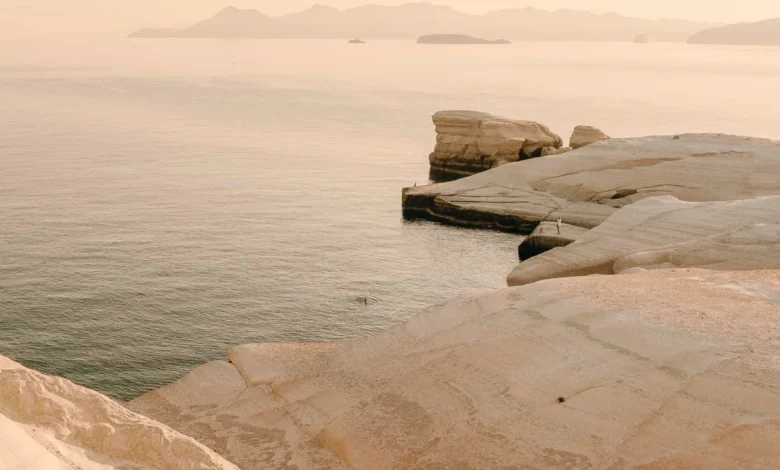
Among Milos’s most iconic sites is Sarakiniko Beach, located on the island’s northern coast. This geological marvel, often described as a "moonscape," features brilliant white volcanic rock formations sculpted by wind and waves into surreal shapes. Unlike traditional sandy beaches, Sarakiniko offers a stark, gleaming white terrain that plunges into emerald-green and turquoise waters. Geologically, these formations are composed of soft, porous white volcanic ash deposits, specifically tuffs, which have been eroded over time to create an intricate network of coves, tunnels, and natural platforms. The stark contrast of the white rock against the deep blue of the Aegean Sea makes it a highly sought-after location for photographers and artists.

Sarakiniko is a popular spot for swimming, sunbathing, and photography, particularly during sunrise and sunset when the low light accentuates its dramatic contours. Visitors are advised to take precautions, especially during summer months, due to the intense UV reflection from the white rocks, necessitating ample sun protection (high-SPF sunscreen, hats, sunglasses). Furthermore, the beach offers minimal amenities, making it crucial for visitors to bring their own water, snacks, and towels. Its proximity to Adamas (less than a 10-minute drive) makes it an easily accessible natural wonder. Local tourism boards highlight Sarakiniko as a prime example of Milos’s unique geodiversity, emphasizing its preservation for future generations.

Papafragas Cave and Beach: A Secluded Channel
Further along the northern coast lies Paralia Papafragkas, a distinctive cave and beach complex formed by volcanic activity. This site features a narrow, deep channel carved into the white cliffs, leading to a small, secluded sandy beach with remarkably clear, turquoise waters. The dramatic cliffs and sea caves here are remnants of an ancient volcano, showcasing layers of volcanic rock that narrate the island’s fiery past. The unique morphology of Papafragas has been a subject of geological study, illustrating the powerful erosive forces of the sea on volcanic material.

While the small beach invites serene swims, the primary draw is the opportunity to explore the intricate cave systems and admire the coastline from above. Access to the beach itself can be challenging, involving a steep, sometimes rudimentary descent via ropes or ladders. For those seeking more expansive sandy shores, Milos offers alternatives such as Pollonia Beach, a family-friendly spot on the northeastern tip with shallow waters and various amenities, or Agia Kiriaki Beach on the south, a larger and more organized beach known for its thermal springs and ample space. Papafragas, by contrast, provides a more untouched and adventurous experience, albeit on a smaller scale, attracting those who appreciate raw natural beauty.

Kleftiko Bay and Sykia Cave: The Maritime Wonders
Exploring Milos’s coastline by boat is an essential experience, revealing hidden treasures inaccessible by land. Kleftiko Bay, situated on the island’s southwestern tip, is arguably Milos’s most famous marine attraction. This former pirate hideout is characterized by towering white volcanic rocks, natural arches, and sea caves, all set against a backdrop of intensely azure waters. The name "Kleftiko" itself translates to "place of thieves," hinting at its storied past as a refuge for pirates during the Byzantine era. The geology here is a spectacular display of eroded tuff and lava flows, creating dramatic formations that are a testament to the island’s dynamic geological history.

Boat tours, ranging from small group excursions to private charters, are the primary means of reaching Kleftiko. These tours typically offer opportunities for swimming, snorkeling, and exploring the caves, often providing equipment. Prices for such tours are often more competitive than those found on more commercialized Cycladic islands, making it an excellent value for a full-day adventure, often including a traditional Greek lunch and drinks onboard.

Adjacent to Kleftiko is Sykia Cave, another natural wonder best experienced by sea. Unique for its collapsed roof, Sykia is not a dark cavern but an open-air cave, allowing sunlight to stream in and illuminate its interior with brilliant blues and greens. This natural skylight creates a mesmerizing visual effect on the water. The absence of a beach inside the cave means visitors typically swim directly into its tranquil waters from their boats. While a challenging hiking trail exists to reach a viewpoint above Sykia, requiring significant physical exertion and local knowledge, the safer and more rewarding method of exploration is undoubtedly by boat. Booking boat tours in advance, especially during peak summer months, is highly recommended due to high demand, with tour operators noting a consistent increase in interest.

Charming Villages: A Glimpse into Milos’s Soul

Beyond its natural grandeur, Milos enchants with its picturesque villages, each offering a distinct flavor of traditional Cycladic life. These settlements often feature the characteristic whitewashed buildings, blue-domed churches, and narrow, winding pathways that define Aegean architecture.

Adamas (Adamantas): The Bustling Port
As the island’s main port, Adamas is often the first impression for many visitors. It is a vibrant hub that successfully blends traditional Greek charm with modern amenities, serving as the commercial and tourist center. The town’s waterfront promenade is lined with an array of restaurants, cafes, and shops, offering a lively atmosphere both day and night. Accommodations here range from cozy guesthouses to luxury boutique hotels, catering to diverse preferences.

For culinary enthusiasts, Adamas is home to O! Hamos! Taverna, a highly acclaimed, family-run establishment celebrated for its authentic Greek cuisine. Known for its farm-to-table philosophy, featuring homemade cheeses, meats from their own farm, and traditional recipes passed down through generations, it offers a truly immersive dining experience in a charming courtyard setting. Another notable spot is Akri Bar, perfect for evening cocktails and enjoying the harbor atmosphere until the early hours. History buffs can visit the Milos Mining Museum, which details the island’s rich geological and industrial past, including its significance in obsidian extraction during the Neolithic period (dating back as far as 8,000 BCE) and later mining of bentonite and perlite, which remain economically important today. The nearby Lagada Beach provides a convenient spot for a casual swim close to the port.

Plaka Town: The Island’s Historic Capital
Perched atop a hill overlooking the Aegean, Plaka is the charming capital of Milos, a quintessential Cycladic village characterized by narrow, whitewashed alleys, bougainvillea-draped houses, and panoramic vistas. It offers a labyrinthine exploration of traditional architecture and local life. The town’s elevated position, about 200 meters above sea level, provides strategic advantages, explaining its historical significance.

Key historical and cultural sites include the Panagia Korfiatissa church, renowned for its stunning sunset views from its courtyard, and the Panagia Thalassitra church, often admired from the Venetian Castle (Kastro) of Milos. The Kastro itself, dating back to the 13th century (built by the Venetians to defend against pirate raids), provides invaluable insight into the island’s strategic importance through Byzantine, Venetian, and Ottoman periods. Exploring its ruins offers not only a journey through history but also the highest vantage point for breathtaking sunsets, attracting visitors daily. Dining in Plaka ranges from traditional tavernas like Vlahos, celebrated for its souvlaki and grilled meats, to upscale options like Kyra Milos, offering alfresco dining with magnificent sunset views. The municipality of Milos has invested in maintaining Plaka’s traditional character, implementing strict building codes to preserve its historical aesthetic.

Mandrakia: The Fishermen’s Haven
Mandrakia is a tiny, incredibly picturesque fishing village on the northern coast, renowned for its syrmata – traditional boat garages carved into the rock face with colorful wooden doors, used by fishermen to protect their boats from winter storms. This charming settlement retains an authentic, tranquil atmosphere, offering a window into a timeless Cycladic way of life.

Its proximity to Sarakiniko Beach makes it an ideal stop for lunch or a sunset view. Medusa Milos, a typical Greek taverna nestled on the cliffside, is highly recommended for its fresh seafood, particularly the local catch like sea bass, and its warm, long-standing hospitality. Mandrakia Beach, while not a vast sandy expanse, is a scenic harbor area perfect for a peaceful stroll, observing the daily rhythms of the local fishing community.

Firopotamos: Serenity by the Sea
Just a short drive from Mandrakia, Firopotamos offers another idyllic coastal village experience, equally famed for its distinctive syrmata and serene ambiance. This small village boasts a beautiful sandy beach, Paralia Firopotamos, where visitors can enjoy crystal-clear waters and a relaxed atmosphere, often complemented by a casual beach bar. The village is well-connected by good roads, making it easily accessible for those exploring by rental car.

The village is also home to the quaint Church of Agios Nikolaos, adding to its photogenic charm. Firopotamos provides a perfect retreat for those seeking tranquility away from more developed areas, ideal for an afternoon dip followed by a refreshing frappe. It exemplifies the quiet beauty that Milos offers, distinct from the more commercialized tourist spots.

Klima Beach: Ancient Port and Colorful Houses
Located near the ancient theatre of Milos, Klima is a historic fishing village distinguished by its unique syrmata lining the waterfront. These colorful boat houses, often converted into charming holiday rentals, create a vibrant and photogenic scene, especially during sunset. Klima holds historical significance as an ancient port, believed to have served as the main port of ancient Milos during the Hellenistic and Roman periods.

For a delightful dining experience, Astakas Café offers fresh grilled shrimp right on the waterfront, best enjoyed with a crisp Greek white wine. For those preferring elevated views and fine dining, Barriello, situated a short drive uphill, provides spectacular panoramic views, particularly captivating at sunset, and is known for its delicious roasted lamb. The local community in Klima has actively worked to preserve the traditional character of the syrmata, ensuring they remain a hallmark of the village.

Echoes of Antiquity: Milos’s Storied Past

Milos’s history stretches back millennia, leaving behind remarkable archaeological treasures that tell tales of ancient civilizations. The island’s rich past includes being a major source of obsidian in the Neolithic Age and a significant cultural center in antiquity, notably where the famous Venus de Milo statue was discovered in 1820.

The Catacombs of Milos: Early Christian Heritage
Dating from the 1st to 5th centuries AD, the Catacombs of Milos are among the most significant early Christian monuments in Greece, and indeed, globally. This extensive underground network of chambers served as a burial site and a place of worship for early Christian communities who sought refuge and anonymity during periods of Roman persecution. Discovered in 1840, they provide invaluable insights into the daily life, beliefs, and persecution of Christians in the Roman era. The catacombs stretch for hundreds of meters and once held thousands of burials, making them one of the three largest and most important early Christian catacombs, alongside those in Rome and the Holy Land. A visit offers a poignant journey into the island’s ancient human history and its crucial role in the spread of Christianity in the Aegean. Guided tours often provide detailed historical context, enhancing the visitor experience.

The Ancient Theatre of Milos: Roman Grandeur
Not far from the Catacombs, the Ancient Theatre of Milos stands as a testament to the island’s Hellenistic and Roman past. Originally built by the Hellenes in the 3rd century BC and later expanded and renovated by the Romans in the 1st-4th centuries AD, this impressive marble theatre once hosted theatrical performances, gladiatorial contests, and public gatherings. Its strategic location offers sweeping views of the sea, underscoring the ingenuity of ancient Greek and Roman engineering and aesthetics. The theatre could once accommodate several thousand spectators, reflecting the population and cultural vibrancy of ancient Milos.

The theatre is remarkably well-preserved, with several rows of marble seating still intact, allowing visitors to envision its former glory. Entry is free, making it an accessible historical site for all. Due to its exposed location with minimal shade, visitors are advised to carry water and wear appropriate sun protection, especially during peak summer heat. The theatre’s existence highlights Milos’s prosperity and cultural importance in antiquity, further cemented by the discovery of the Venus de Milo in an adjacent field in 1820, a find that dramatically elevated Milos’s archaeological profile.

Tsigrado Beach: An Adventurous Secluded Cove
For those seeking a truly private and secluded beach experience, Tsigrado Beach on the southern coast presents an adventurous challenge. Access to this small, sandy cove is notably difficult, involving a precarious descent down a series of wooden ladders and ropes through a narrow crevice in the cliff face. This challenging entry ensures that Tsigrado remains less crowded than other beaches, rewarding intrepid visitors with pristine waters and a sense of discovery. Due to the difficulty, it is not recommended for individuals with a fear of heights or mobility issues.

Alternatively, Tsigrado can be accessed by boat, with many boat tours around the island including a stop here. Kayak tours also offer an excellent way to approach the beach from the sea, allowing visitors to enjoy its private shores without navigating the challenging land route. The unique access contributes to Ts
Related posts: