10 Best Places to Visit in Europe in Summer: Alternative Destinations to Avoid Crowds and High Costs

The European travel sector is currently experiencing a period of unprecedented demand, with international arrivals in many major capitals surpassing pre-pandemic records. According to data from the World Population Review and various European tourism boards, countries like France and Italy continue to lead global rankings, with Paris and Rome drawing a combined total of over 70 million visitors annually. However, this surge in popularity has led to significant challenges, including inflated hospitality costs, severe overcrowding at historical landmarks, and the implementation of visitor caps and entry fees in cities like Venice and Amsterdam. As a response to these pressures, a shift in travel patterns has emerged, favoring "destination dupes"—alternative locales that offer comparable cultural, architectural, and culinary experiences with fewer crowds and lower price points.
The Shift Toward Sustainable and Affordable European Tourism
The current economic climate, characterized by fluctuating currency values and rising aviation fuel costs, has necessitated a more strategic approach to summer travel. Industry analysts suggest that travelers are increasingly prioritizing "livable" cities—places where pedestrian infrastructure is robust, local culture remains authentic, and the "tourist tax" on services is less pronounced. Furthermore, record-breaking summer heatwaves across Southern Europe have driven interest toward northern latitudes and coastal regions that benefit from maritime breezes.
1. The Occitanie Alternative: Montpellier Over Paris
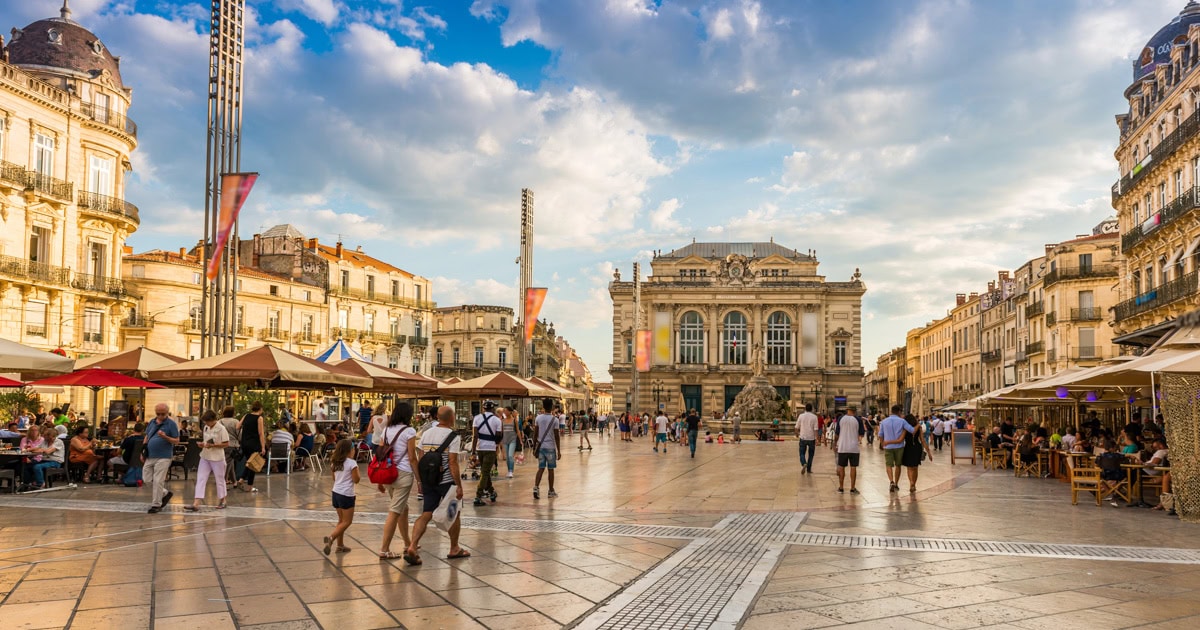
While Paris remains the premier destination for many, the city’s popularity in the summer months creates a logistical challenge for those seeking a relaxed experience. In contrast, Montpellier, located in the Occitanie region of southern France, offers a high-speed TGV connection from the capital in just over three hours. Montpellier is a significant academic hub, and because its large student population departs for the summer, the city becomes notably less congested during July and August.
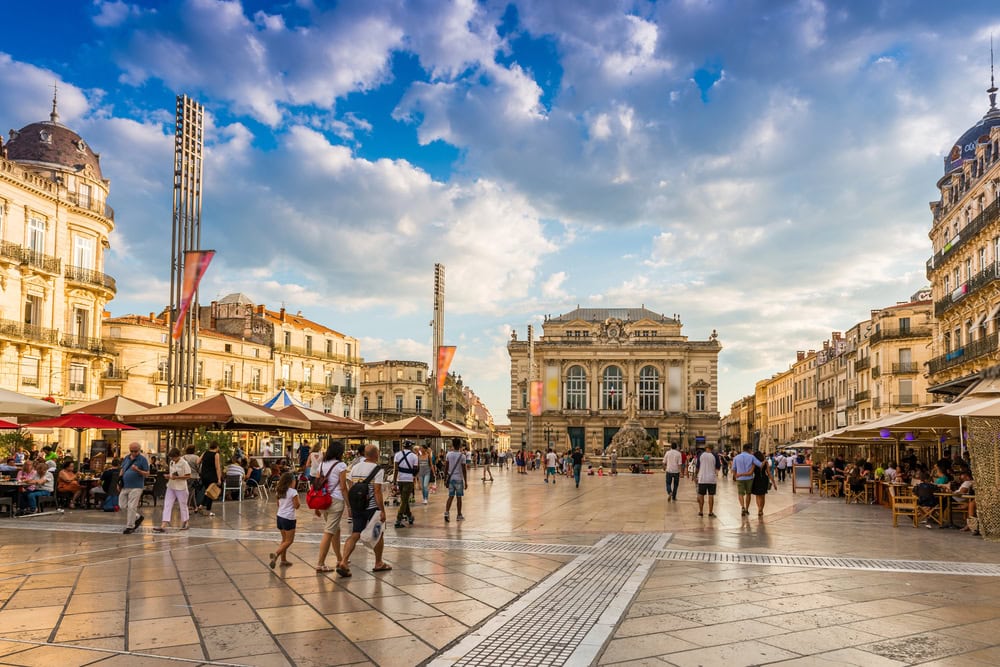
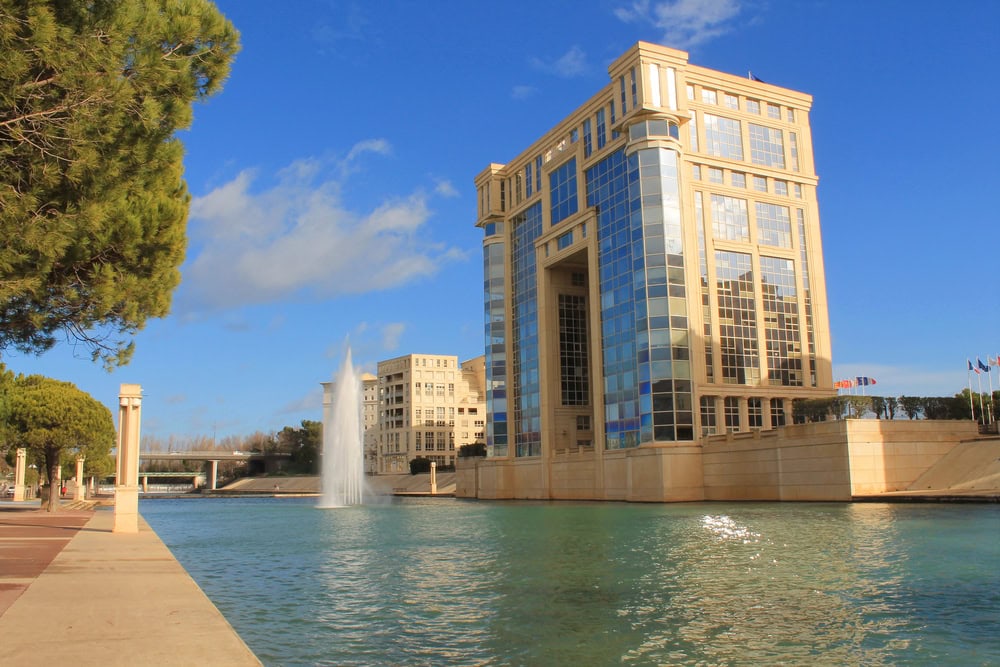
Architecturally, Montpellier provides a unique chronological spectrum, from the medieval narrow streets of the Écusson district to the 19th-century Haussmann-style boulevards surrounding the Place de la Comédie. The city is also home to the Antigone district, a postmodern neoclassical masterpiece designed by architect Ricardo Bofill. Beyond the city limits, the Mediterranean coast is accessible via a short tram ride, providing a beach-integrated city experience that Paris cannot replicate. The Musée Fabre, one of France’s most significant regional art museums, offers an extensive collection of European masters without the multi-hour queues typical of the Louvre.
2. Ancient Heritage in the Balkans: Plovdiv Over Rome
Rome’s status as the "Eternal City" is undisputed, yet the sheer volume of its 35 million annual visitors often obscures its ancient majesty. Plovdiv, Bulgaria, serves as a compelling alternative for history enthusiasts. Recognized as one of the oldest continuously inhabited cities in Europe, Plovdiv features a rich archaeological layer cake of Thracian, Roman, and Ottoman history.
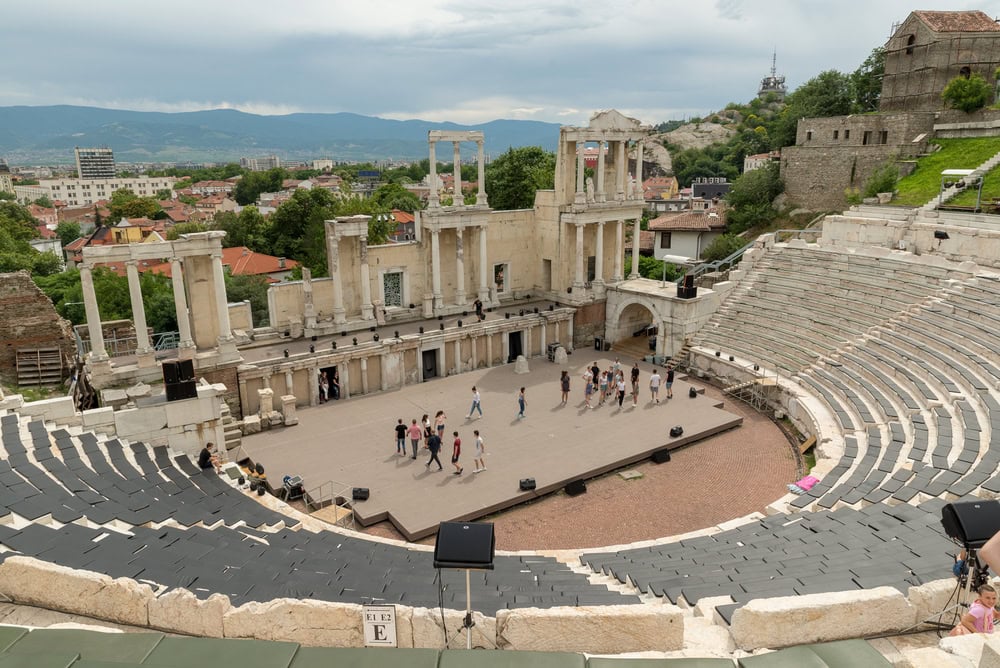
The Ancient Theatre of Philippopolis, a 2nd-century Roman structure, remains a functioning venue for operatic and theatrical performances, offering a more intimate connection to antiquity than the heavily restricted Colosseum. The city’s Kapana district—originally a hub for craftsmen—has been revitalized into a creative quarter filled with galleries and independent cafes. Following its tenure as the European Capital of Culture in 2019, Plovdiv has seen improved infrastructure and a surge in boutique hospitality, all while maintaining a cost of living significantly lower than that of the Italian capital.
3. The Venetian of the North: Stockholm Over Amsterdam
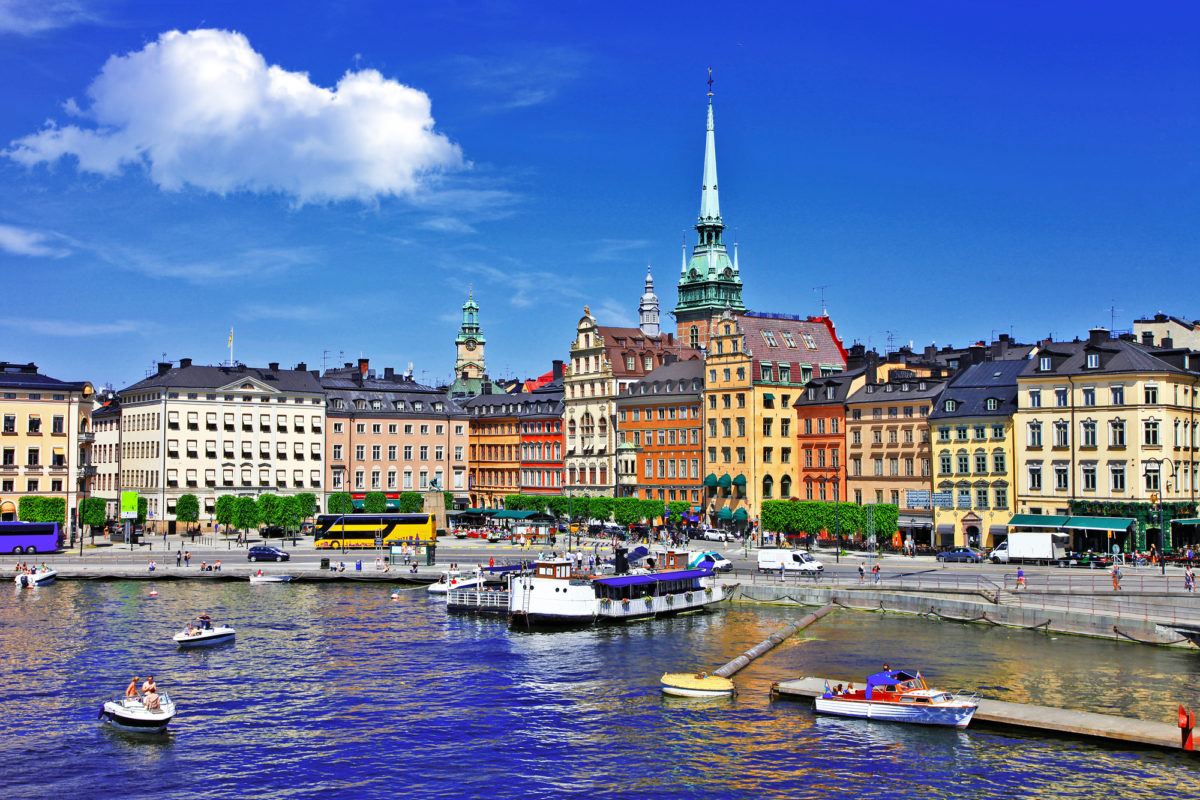
Amsterdam has recently intensified its "Stay Away" campaign to curb over-tourism, particularly in its historic canal belt. Stockholm, Sweden, built across 14 islands at the confluence of Lake Mälaren and the Baltic Sea, offers a similar aquatic urbanism with significantly more physical space.
Stockholm is distinguished by its commitment to environmental sustainability and public green space, notably the Royal Djurgården, a massive park island that houses the Vasa Museum. The Vasa, a 17th-century warship salvaged almost entirely intact, represents a pinnacle of maritime archaeology. During the summer solstice period, Stockholm experiences up to 18.5 hours of daylight, allowing for extended exploration. Temperature data indicates that Stockholm’s summer highs typically range from 20°C to 22°C (68°F to 72°F), providing a cool refuge from the intense heat currently impacting Central and Southern Europe.
4. A Cross-Border Cultural Nexus: Basel Over Berlin
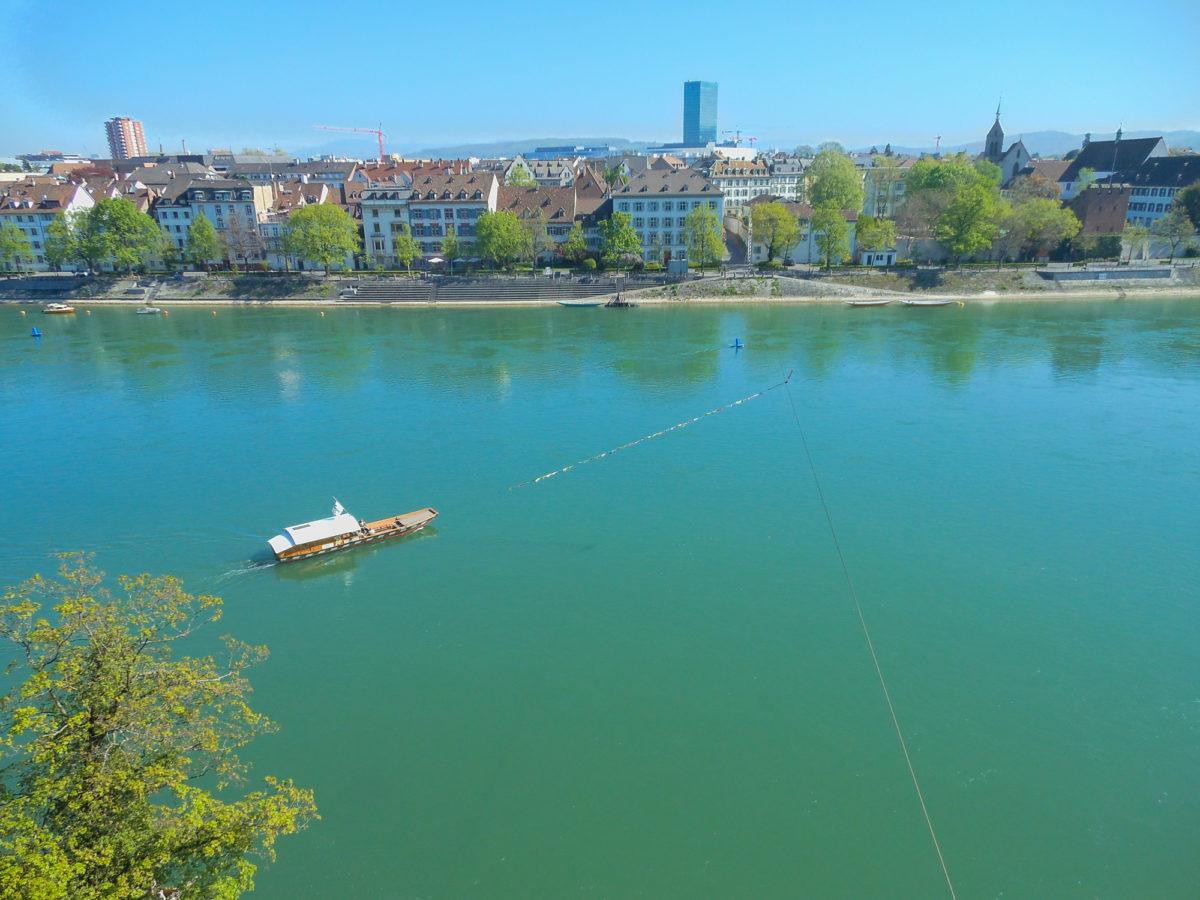
Berlin’s reputation as a center for contemporary art and historical reckoning is well-earned, but its scale can be overwhelming during the peak summer season. Basel, Switzerland, located at the "Dreiländereck" where the Swiss, French, and German borders meet, offers a concentrated dose of world-class culture.
With nearly 40 museums, Basel has the highest density of cultural institutions in Switzerland. The Kunstmuseum Basel holds the oldest public art collection in the world, while the Fondation Beyeler, designed by Renzo Piano, is a global landmark for modern art. A unique summer tradition in Basel is the Rhine swim, where locals use waterproof "Wickelfisch" bags to float down the river, a practice that reflects the city’s high quality of life. The city also hosts Art Basel, the world’s premier contemporary art fair, which underscores its importance in the global cultural landscape.
5. Mediterranean Accessibility: Alicante Over Barcelona
Barcelona has become a focal point for the anti-tourism movement in Spain, with local authorities increasing tourist taxes and proposing bans on short-term rentals to mitigate the housing crisis. Alicante, situated on the Costa Blanca, offers a more sustainable Mediterranean alternative.
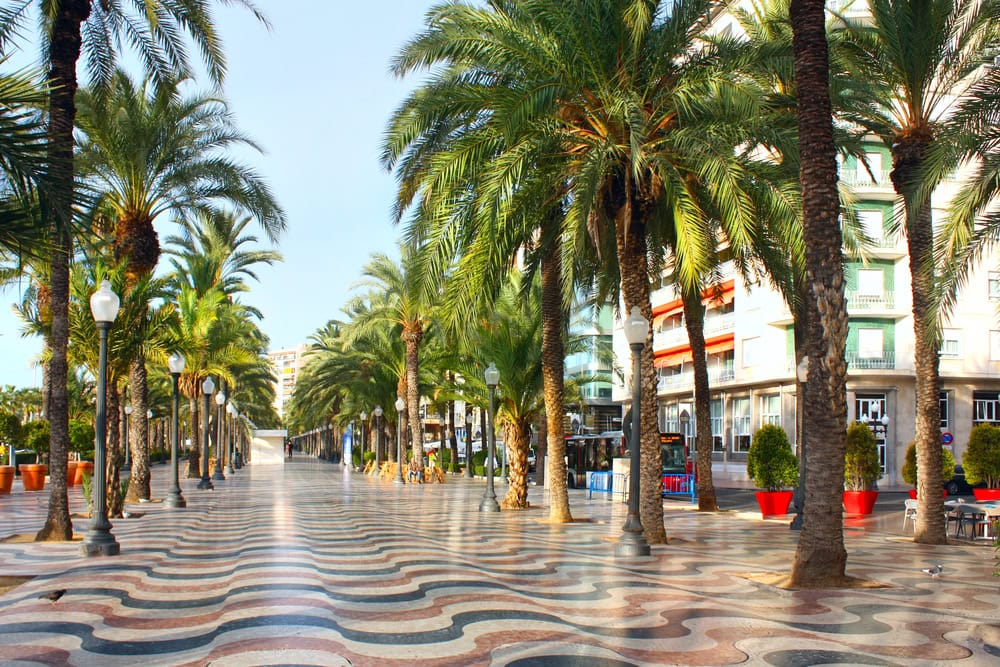
The city is anchored by the Castle of Santa Bárbara, one of Europe’s largest medieval fortresses, which overlooks a coastline of blue-flag beaches characterized by fine golden sand. Unlike the crowded urban beaches of Barcelona, Alicante’s Playa del Postiguet and San Juan Beach offer ample space and better water quality. The Explanada de España, with its 6.6 million tricolor marble tiles, serves as a scenic promenade that rivals La Rambla in beauty but without the associated safety concerns of high-density tourist zones.
6. The Douro Valley Gateway: Porto Over Lisbon
Lisbon’s tourism growth has been among the fastest in Europe, leading to significant congestion in its historic tram systems and Alfama district. Porto, Portugal’s second-largest city, offers a more rugged, authentic experience of Lusitanian culture.
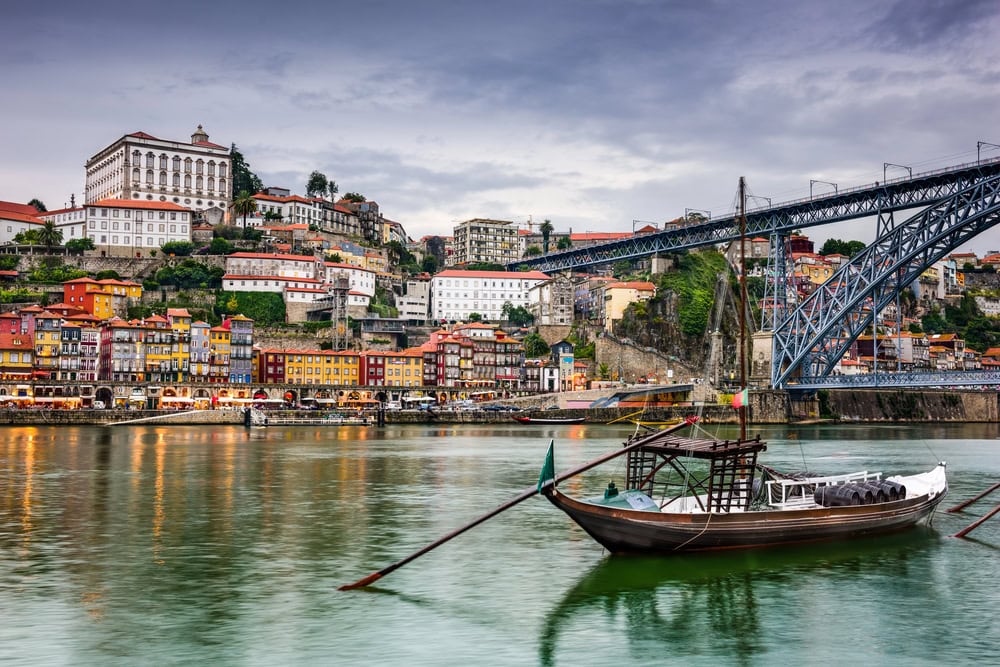
Porto is famous for its "azulejos" (blue ceramic tiles), which are prominently displayed at the São Bento Train Station and the Igreja do Carmo. As the gateway to the Douro Valley—a UNESCO World Heritage wine region—Porto provides a sophisticated culinary scene centered on port wine and fresh Atlantic seafood. Economic data from Numbeo indicates that consumer prices and rent in Porto remain roughly 10% to 15% lower than in Lisbon, making it an attractive option for budget-conscious travelers seeking high-end cultural assets.
7. The Emerging Riviera: Albania Over France
The French Riviera (Côte d’Azur) remains a symbol of luxury, but its exclusivity comes with prohibitive pricing and crowded private beaches. The Albanian Riviera has emerged as the "New Mediterranean," offering crystal-clear Ionian waters at a fraction of the cost.
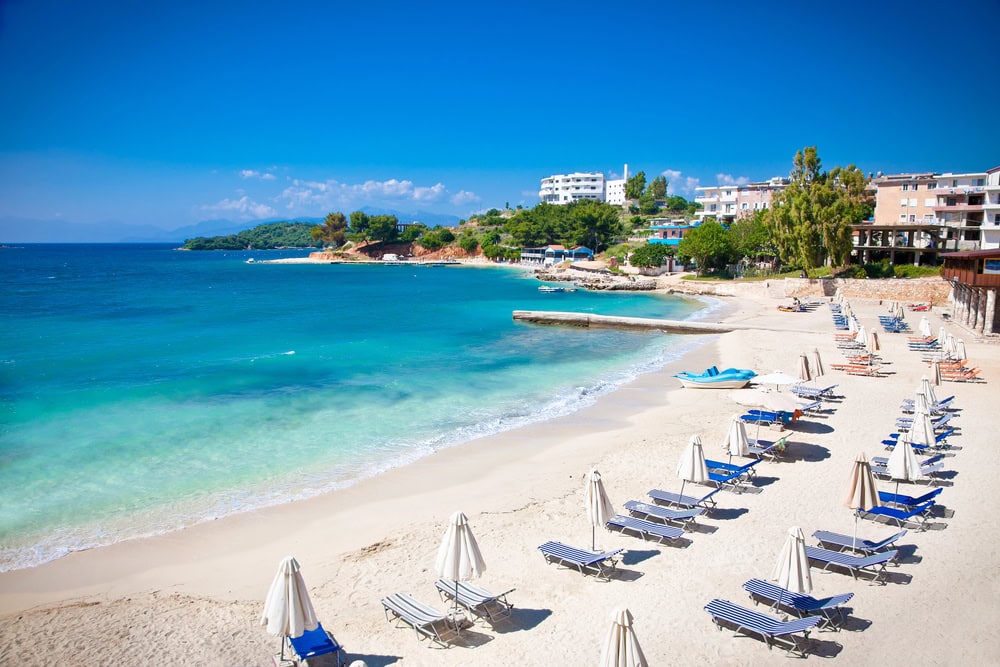
Coastal towns like Sarandë and Ksamil provide access to white-sand beaches and the nearby Butrint National Park, a UNESCO site containing Greek, Roman, and Byzantine ruins. The Albanian government has recently invested heavily in tourism infrastructure, including road improvements and the expansion of international flight routes to Tirana. This region offers a "slow travel" experience, where family-run tavernas serve fresh Mediterranean fare without the pretense or the price tags of Cannes or Saint-Tropez.
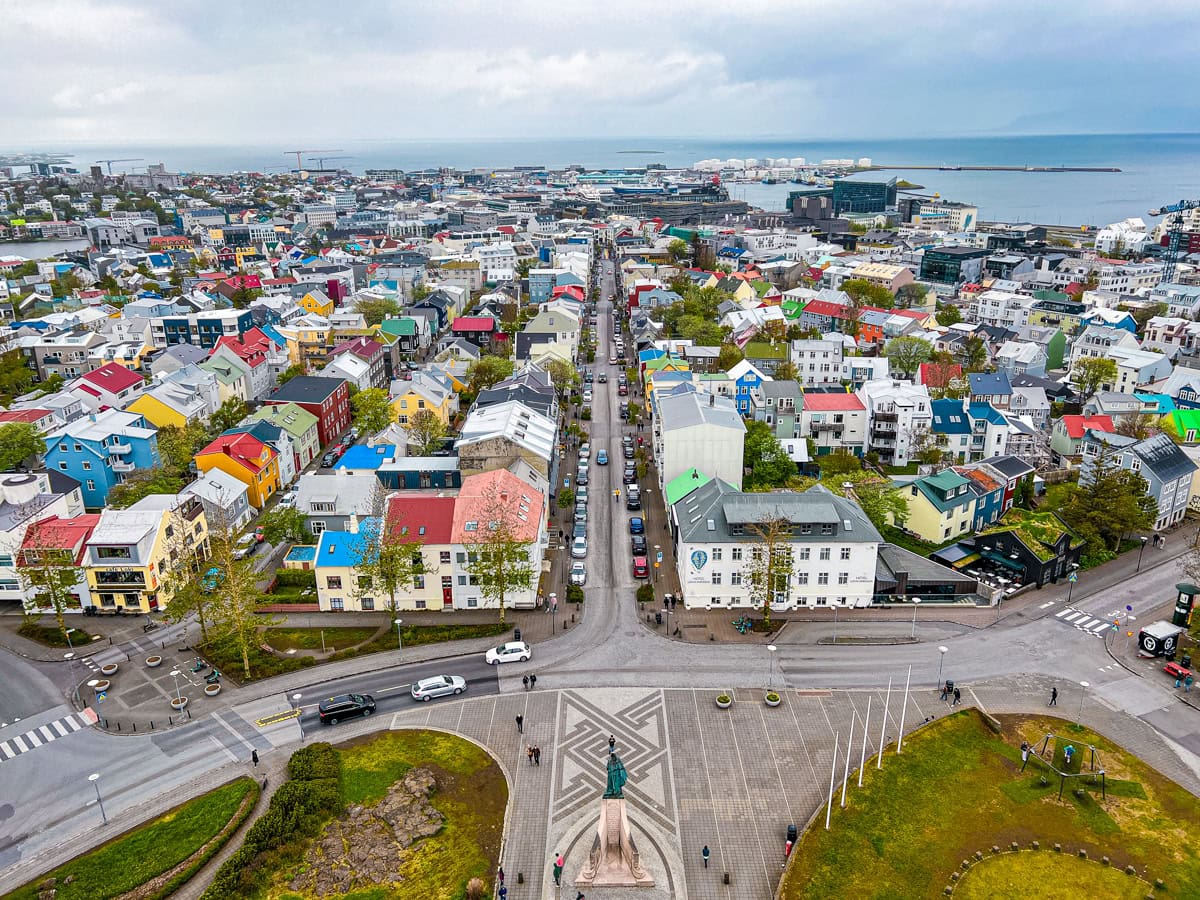
8. High-Latitude Naturalism: Reykjavik Over Edinburgh
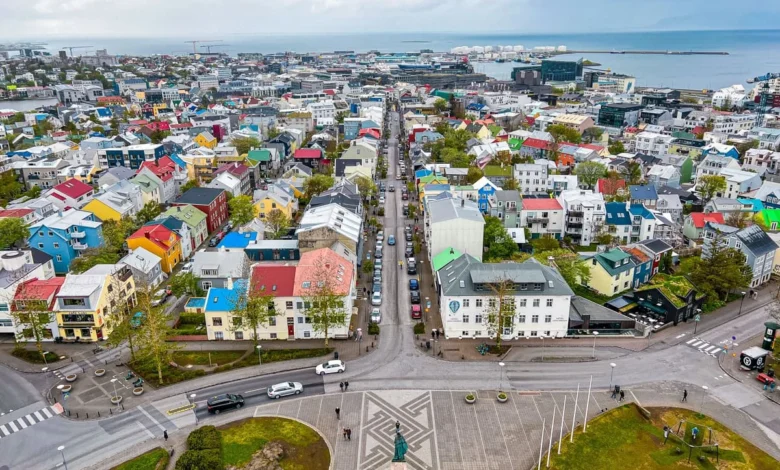
Edinburgh’s "Festival City" status makes it a vibrant summer destination, but the Fringe Festival in August can cause hotel prices to triple and streets to become impassable. Reykjavik, Iceland, offers a different kind of summer energy.
Iceland’s "Midnight Sun" provides nearly 24 hours of daylight in June, facilitating late-night excursions to the Golden Circle’s geysers and waterfalls. While Iceland is not a low-cost destination, the proliferation of low-cost carrier routes from North America and Europe has made it more accessible. The city’s geothermal pools, such as the Sky Lagoon, offer a wellness experience rooted in volcanic geology. Reykjavik also serves as a climate refuge, with summer temperatures rarely exceeding 16°C (61°F).
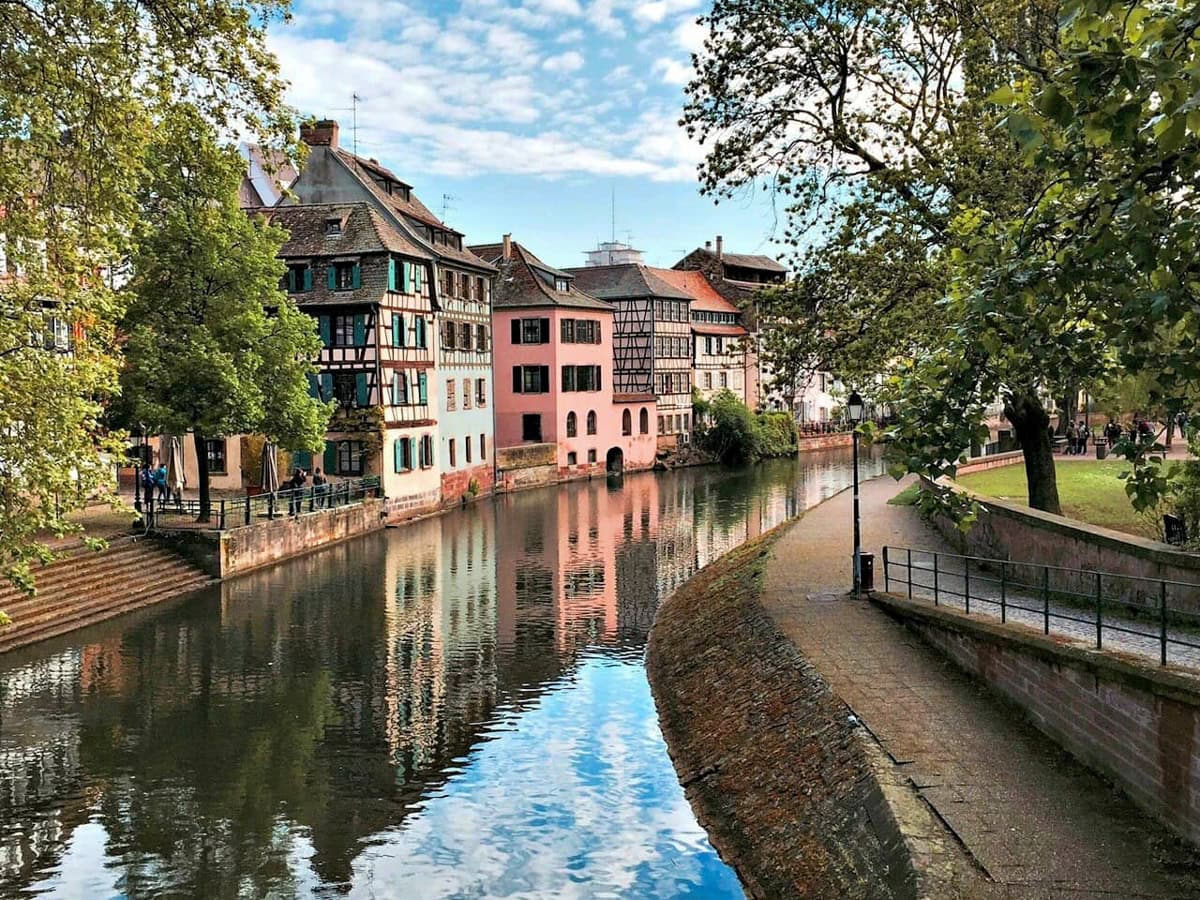
9. The Rhineland Fairytale: Strasbourg Over Munich
Munich is the heart of Bavarian culture, but its summer beer gardens and squares are often dominated by large-scale tour groups. Strasbourg, the capital of the Grand Est region in France, offers a unique Alsatian blend of French and German influences.
The city’s Grande Île was the first city center to be entirely blacklisted as a UNESCO World Heritage site. Its Gothic cathedral, which was the world’s tallest building for over 200 years, features an intricate astronomical clock that performs a daily procession of mechanical figures. Strasbourg’s "La Petite France" district, with its half-timbered houses and canals, provides a scenic environment that is particularly well-suited for cycling and boat tours.
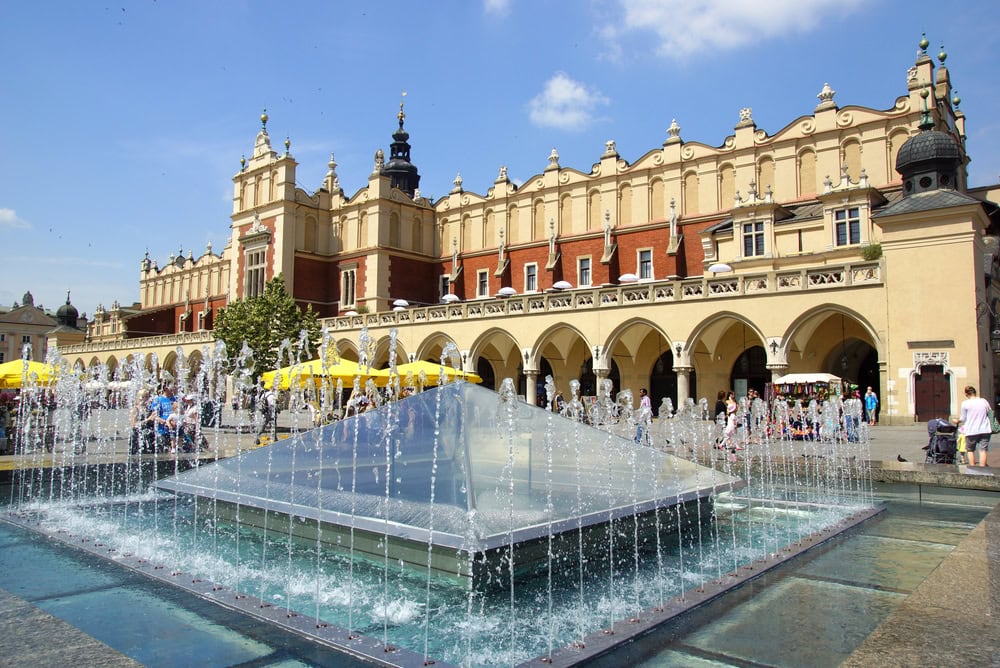
10. The Historic Heart of Poland: Kraków Over Prague
Prague’s Old Town is often cited as one of Europe’s most beautiful, but its popularity has led to "museumification," where local life is displaced by tourist-oriented businesses. Kraków, Poland, maintains a more authentic balance.
Rynek Główny, Kraków’s main square, is the largest medieval market square in Europe and remains the center of local social life. Wawel Royal Castle and the historic Jewish quarter of Kazimierz offer deep historical insights into Central European history. Poland’s currency, the Złoty, often provides favorable exchange rates for international visitors, ensuring that high-quality dining and cultural experiences remain affordable compared to the Euro-dominated Czech capital.
Economic and Strategic Implications for Future Travel
The diversification of European travel destinations reflects a broader trend toward "sustainable tourism" and "geographic decentralization." By choosing alternative cities, travelers contribute to the economic development of secondary regions and reduce the environmental and social strain on "over-touristed" hubs.
Tourism boards in countries like Bulgaria, Albania, and Poland are actively positioning themselves to capture this market by emphasizing their unique cultural identities and value-for-money propositions. For the modern traveler, the "best" summer destination in Europe is increasingly defined not by its fame, but by its ability to provide a high-quality, authentic experience free from the logistical hurdles of the traditional tourist circuit. Strategies such as booking 90 days in advance, utilizing regional rail passes, and traveling during the "shoulder" months of late May or early September remain essential for optimizing the European summer experience.