Navigating Cyprus by Campervan: A Comprehensive Guide to Rules, Campsites, and the Open Road


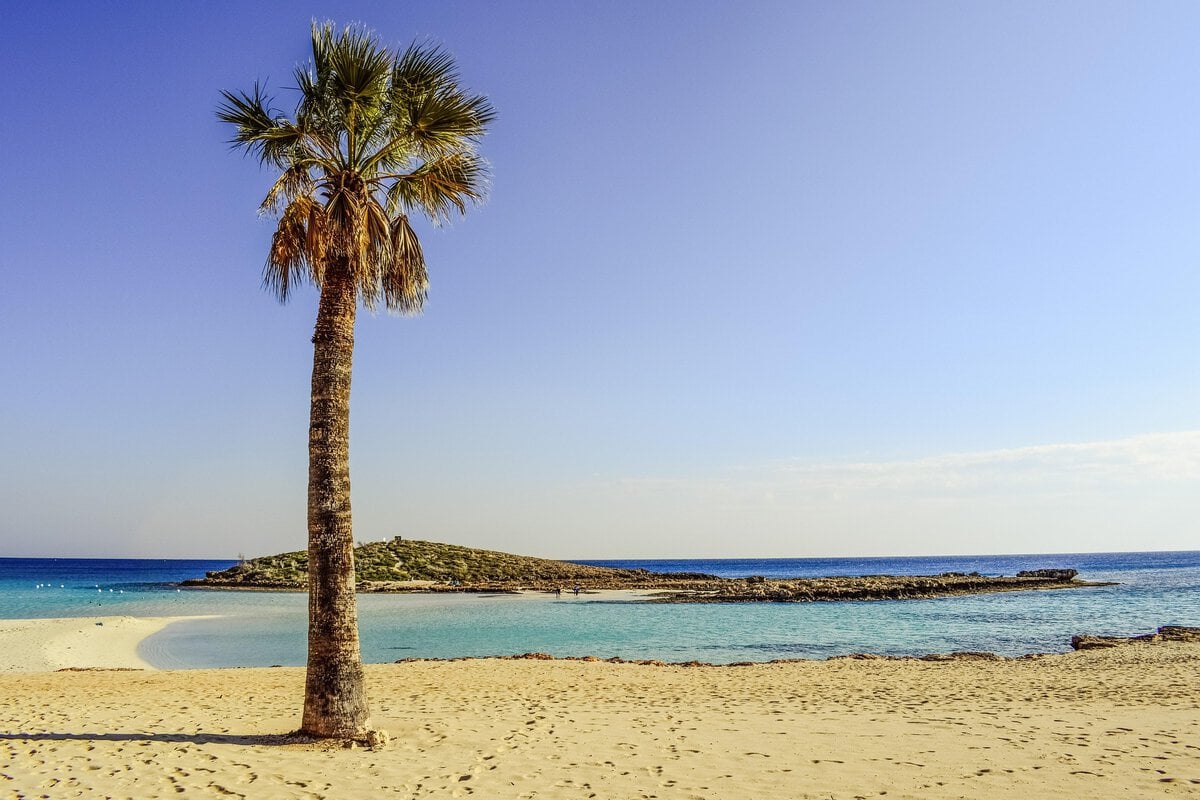
The distinct aroma of pine resin, carried by a gentle breeze somewhere on the coastal route between Paphos and the Akamas Peninsula, encapsulates the very essence of a campervan journey through Cyprus. Below, the azure Mediterranean stretches limitlessly, while the day unfolds without the constraints of a fixed itinerary. This unparalleled sense of freedom and discovery is the compelling argument for exploring the island nation on four wheels, transforming a simple trip into an immersive adventure.
Cyprus, a compact island spanning approximately 240 kilometres from east to west, offers an astonishing diversity of landscapes and historical sites within remarkably short driving distances. Travellers can seamlessly transition from exploring ancient Roman mosaics and sun-drenched beach coves to traversing tranquil mountain forests and picturesque stone villages, often in less than an hour. However, before embracing the open road, a thorough understanding of the island’s regulations, particularly concerning camping and driving, is paramount. Cyprus maintains a firm stance on camping legality, operates a defined network of official campsites, and crucially, adheres to left-hand traffic. This comprehensive guide will first address the legal framework, followed by an overview of the island’s official camping facilities and essential practical considerations for life on the road. For those seeking curated routes once their campervan logistics are settled, dedicated Cyprus road trip itineraries can provide further inspiration.
The Regulatory Landscape: Understanding Camping Laws in Cyprus
While the allure of spontaneous overnight stops might tempt many, the short answer to whether wild camping is legal in Cyprus is a definitive no. The consequences for non-compliance, particularly within state forests, are considerably more severe than many international travellers anticipate.
Camping in State Forests: Strict Enforcement and Heavy Penalties
The Forestry Department of Cyprus reiterated its unequivocal position in August 2025, emphasizing that camping in state forests outside of designated areas and without a valid permit is strictly illegal. Violators face substantial penalties, including imprisonment for up to one year or a fine reaching up to €5,000. This reminder followed a noticeable surge in illegal camping activities within protected areas, including the ecologically sensitive Akamas forest, underscoring the authorities’ commitment to preserving the island’s natural heritage. These regulations are not arbitrary; they reflect a proactive effort to mitigate environmental degradation, protect biodiversity, and, critically, prevent devastating forest fires. Cyprus, with its Mediterranean climate, experiences prolonged dry periods, making its forests highly susceptible to blazes.

The gravity of fire-related offenses is even higher. Lighting a fire inside a state forest, or within two kilometres of its boundary, outside of explicitly designated barbecue spots, carries draconian penalties. These can include imprisonment for up to 12 years, a fine of up to €100,000, or both. The enforcement of these laws is robust and consistent. In the event of observing smoke or flames within forest land, the public is urged to immediately contact the Forestry Department on 1407 or the national emergency line 112. These measures are a direct response to past incidents where wildfires have caused extensive ecological and economic damage across the island.
Distinguishing Cyprus Laws from Greece’s Motorhome Ban
A common point of confusion for travellers is the distinction between camping laws in Cyprus and those in neighbouring Greece. Greece introduced a sweeping motorhome camping ban in 2025 (Law 5170/2025), imposing on-the-spot fines of €300 for sleeping in a parked campervan outside official campsites. It is crucial to understand that this law applies exclusively within the jurisdiction of Greece. Cyprus operates under its own distinct legal framework, governed by its specific forest laws, and does not have an equivalent blanket parking ban. Therefore, travellers will not incur a €300 fine simply for parking their van near a beach in Cyprus, as they might on a Greek island. However, this does not grant permission for wild camping, which remains prohibited under different statutes.
Overnight Parking Outside Forested Areas: A Nuanced Approach
Beyond state forests, the regulations surrounding overnight parking present a more nuanced picture. While not subject to the same severe penalties as forest camping, activities such as setting up a full camp on a beach (e.g., deploying awnings, tables, chairs), staying overnight within a national park, or obstructing a public road are illegal. The level of enforcement for these less severe infractions varies significantly with the season. During the quieter months, typically from October to April, informal overnight stops in less conspicuous coastal areas may be widely tolerated by local authorities, provided they are discreet and leave no trace. Conversely, during the peak summer months of July and August, patrols are intensified, and tolerance levels diminish considerably, particularly in popular tourist areas, near crowded beaches, and within protected environmental zones. This seasonal variation is largely driven by the volume of tourists and the increased strain on public amenities and natural resources.
Responsible Campervan Practices: The Do’s and Don’ts
To ensure a respectful and lawful campervan experience in Cyprus, adherence to practical guidelines is essential:
- Do utilise official campsites for overnight stays, especially during peak season.
- Do ensure your vehicle is parked legally and safely, not obstructing traffic or public access.
- Do practice ‘leave no trace’ principles: pack out all rubbish, minimise noise, and respect local flora and fauna.
- Do be mindful of local communities and avoid parking in residential areas for extended periods.
- Do research specific regional regulations, as local municipalities may have additional bylaws.
- Don’t engage in wild camping in state forests; the penalties are severe and strictly enforced.
- Don’t light open fires anywhere outside designated, fixed barbecue areas within official campsites or picnic sites.
- Don’t dispose of grey water or black water anywhere other than designated waste disposal points at official campsites.
- Don’t assume that because a spot seems remote, it is permissible for overnight camping. Always err on the side of caution.
- Don’t park in national parks, Natura 2000 sites, or areas designated as protected natural habitats.
The Official Campsites in Cyprus: Your Legal Base for Exploration
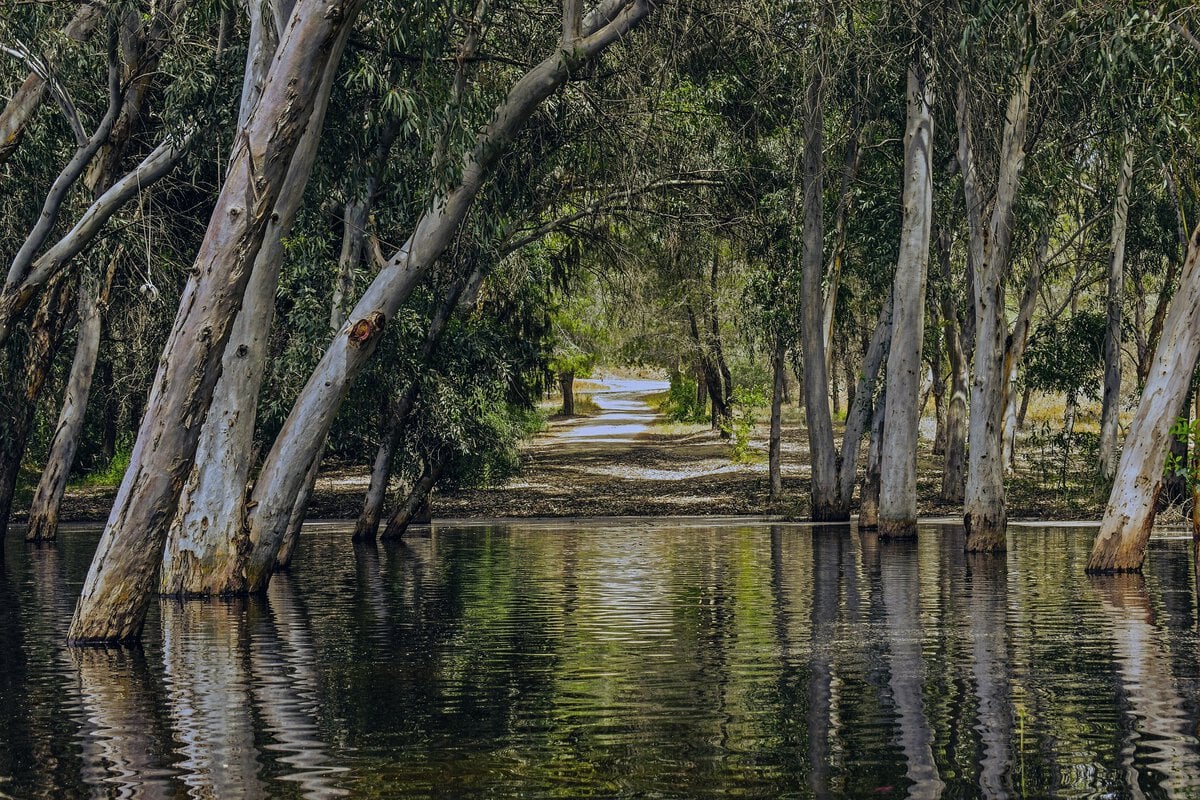
Waking up at the Polis campground, with the gentle morning light filtering through a canopy of eucalyptus trees and the calming sound of the sea just a short walk away, exemplifies the serene experience offered by Cyprus’s official campsites. These facilities provide a legal, safe, and often scenic base for campervan travellers.
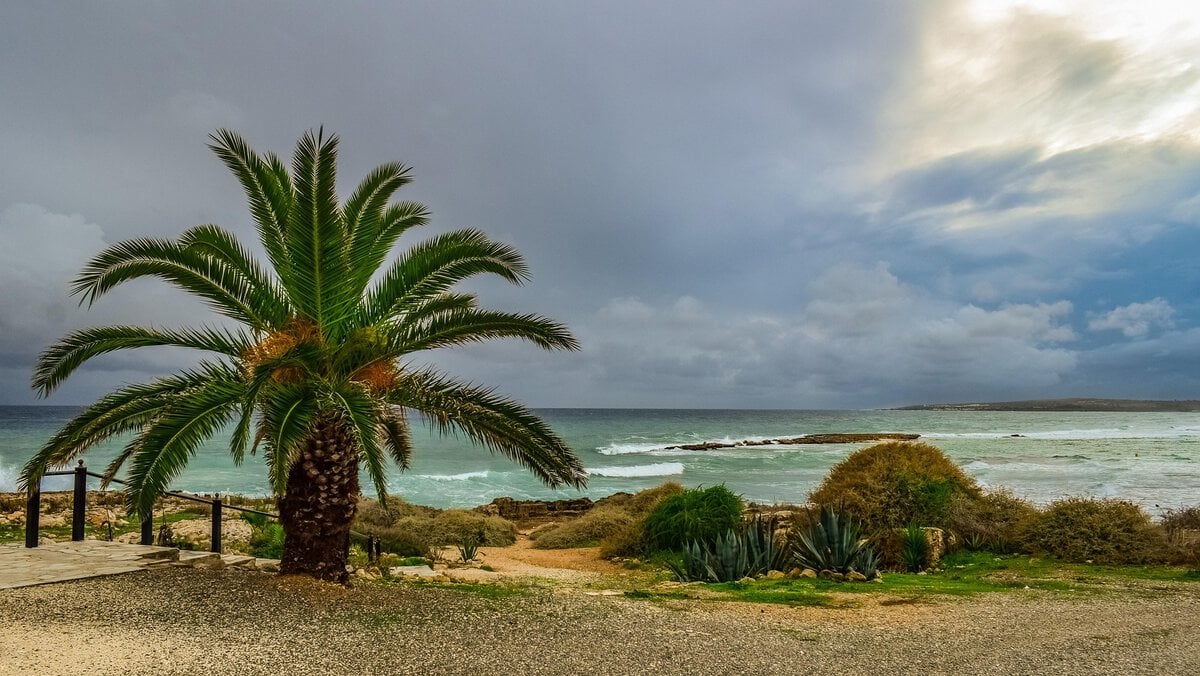
Cyprus features a network of six primary campsites equipped to accommodate campervans and caravans: three located along the coast and three nestled in the Troodos Mountains. The Forestry Department manages the mountain sites, while the coastal options are situated on state or municipal land, or are privately operated, each offering a unique set of amenities and proximity to different attractions.
Coastal Campsites: Sea Breeze and Convenience
Polis Chrysochous Camping Site:
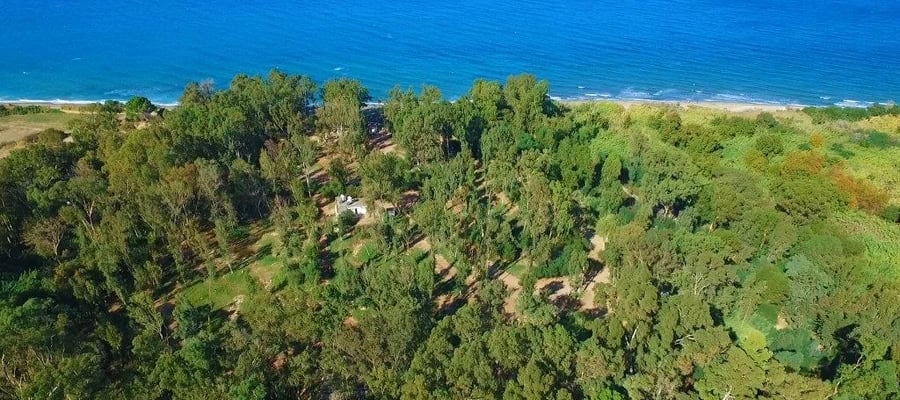
Situated as the premier base camp in the northwest, this site is strategically positioned on the beach amidst a lush eucalyptus grove, merely 500 metres from the vibrant centre of Polis town. It boasts capacity for 200 tents and caravans. Facilities include clean toilets, showers, a snack bar, and a mini-market (typically open from June to August). A laundromat is conveniently located a short walk away in town. A lifeguard provides safety supervision on the beach from 10:00 to 18:00 daily.
- Operating Season: March to the end of October.
- Contact: +357 26815080.
- Ideal for: Exploring the pristine Akamas Peninsula, the legendary Baths of Aphrodite, and the charming Latchi harbour.
Feggari Camping (Coral Bay, Paphos):
Nestled in the heart of Coral Bay, approximately 11 kilometres north of Paphos, Feggari is a privately run site distinguished by its year-round operation. It can accommodate 47 tents or caravans and offers an extensive range of facilities for its size: modern toilets, hot showers, barbecue areas, a communal kitchenette, electricity hook-ups, an on-site bar and restaurant, and Wi-Fi access.
- Operating Season: Year-round.
- Contact: +357 26621534.
- Ideal for: Winter travellers and those seeking comprehensive amenities close to Paphos’s archaeological sites and vibrant nightlife.
Governor’s Beach Kalymnos (Limassol District):
As the largest campsite in Cyprus, Governor’s Beach offers an impressive 360 pitches for tents and caravans and operates throughout the year. Located approximately 20 kilometres east of Limassol, directly off the Limassol–Nicosia motorway, its accessibility is excellent. Facilities include toilets, showers, a coin-operated laundromat with dryers, and a restaurant. An on-site supermarket is available during July and August. The beach itself is distinctive for Cyprus, featuring dark volcanic sand contrasting with striking white limestone cliffs, creating a dramatic and beautiful setting.
- Operating Season: Year-round.
- Contact: +357 25632300.
- Ideal for: Families, larger groups, and those desiring extensive facilities and easy motorway access for exploring the southern coast.
Mountain Campsites (Troodos Region): Alpine Retreats
Platania Campsite:
Situated at an elevation of 1,100 metres on the scenic Kakopetria–Troodos road, Platania is the most comprehensively equipped of the forest campsites. It features 18 toilet and shower blocks, dedicated kitchen facilities, disabled access, picnic tables, and children’s play areas. A nearby canteen provides basic supplies. The Forestry Department lists its capacity at 150 caravans and up to 600 people, making it a substantial mountain base.
- Operating Season: May to the end of September.
- Cost: €5 per night for a caravan.
- Contact: +357 22608503.
- Ideal for: Hiking enthusiasts, families, and those seeking cooler temperatures and extensive facilities in the Troodos range.
Kampi tou Kalogyrou Campsite:
At 1,540 metres, Kampi tou Kalogyrou holds the distinction of being the highest campsite on the island. The air remains refreshingly cool even in the height of summer, and the surrounding pine forest is notably dense. The site is located on the Platres–Prodromos road, approximately 4 kilometres from Trooditissa and 3 kilometres from Prodromos. It accommodates 80 tents or caravans, though facilities are basic: toilets, drinking water, and barbecue areas only; showers are not available.
- Operating Season: June to September.
- Cost: €2 per person.
- Contact: +357 25421422.
- Ideal for: Back-to-basics campers, serious hikers, and those truly seeking an escape from summer heat.
Stavros tis Psokas Campsite:
Arguably the most remote and aesthetically stunning site on this list, Stavros tis Psokas is nestled deep within the heart of the Paphos forest, at an elevation of 820–900 metres. Approximately 34 kilometres from Polis Chrysochous, its access roads are predominantly earthen tracks, making it less suitable for large motorhomes. The site has a capacity for 60 tents plus 6–7 caravans, offering toilets, showers, two small cooking stations, and a small café-restaurant. A notable attraction nearby is an enclosure housing Cypriot mouflon, the island’s indigenous wild sheep, and the breathtaking Cedar Valley is just 19 kilometres away.
- Operating Season: Unusually for a mountain site, it stays open all year.
- Contact: +357 99638197.
- Ideal for: Nature lovers, wilderness enthusiasts, and those seeking an authentic, tranquil forest experience.
Practical Campervan Tips for Navigating Cyprus
Beyond the legal framework and campsite options, a successful campervan journey in Cyprus hinges on several practical considerations, from seasonal timing to road conditions and logistical needs.
Best Time to Go: Seasonal Considerations
Choosing the right time of year can profoundly impact the campervan experience:
- Spring (April through June): This is widely considered the "sweet spot" for campervan travel. Temperatures are pleasantly mild, ranging from the low to mid-20s Celsius (70s Fahrenheit). The island is ablaze with wildflowers, and from mid-May, the sea becomes warm enough for swimming. Coastal campsites still have ample availability, and the roads are less crowded than in peak summer. Average rainfall is low, making it ideal for outdoor activities.
- Autumn (September and October): Mirroring spring, these months offer warm days, cooler nights, and significantly emptier roads and attractions. The sea reaches its warmest temperatures, often around 27°C (81°F), perfect for swimming and water sports. The landscapes retain their vibrancy from summer, gradually transitioning to autumnal hues in the mountains.
- Summer (July and August): These months are characterized by intense heat. Coastal temperatures frequently soar to 35–38°C (95–100°F), making nights in a poorly ventilated campervan challenging. If travelling during peak summer, prioritizing a vehicle with effective air conditioning is highly advisable. Heading to the Troodos Mountains offers respite, with Kampi tou Kalogyrou, for instance, enjoying temperatures roughly 10–15°C cooler than the coast. Expect higher tourist numbers and pre-booking campsites is essential.
- Winter (November through March): Often underrated, Cypriot winters offer a unique experience. Coastal temperatures remain mild, typically between 12–18°C (54–64°F), and major parts of the island feel wonderfully empty. Governor’s Beach and Feggari campsites remain open. While the coast enjoys pleasant weather, snow falls reliably on the Troodos Mountains in December and January, supporting a small but charming ski operation, contrasting sharply with the mild coastal climate.
Driving in Cyprus: Navigating the Roads
The first roundabout often serves as the initial test for international drivers. Cyprus drives on the left-hand side of the road, a lasting legacy of British colonial rule, a characteristic shared with only one other Mediterranean nation, Malta. Travellers accustomed to driving on the right, particularly from continental Europe or North America, should allocate at least a full day to adjust before venturing onto narrow mountain roads.
Speed Limits: Strict adherence to speed limits is enforced: 100 km/h on motorways, 80 km/h on rural roads, and 50 km/h in urban areas. Enforcement is active and includes fixed cameras on several motorway sections, as well as mobile camera vans deployed island-wide. There are no toll roads in Cyprus.
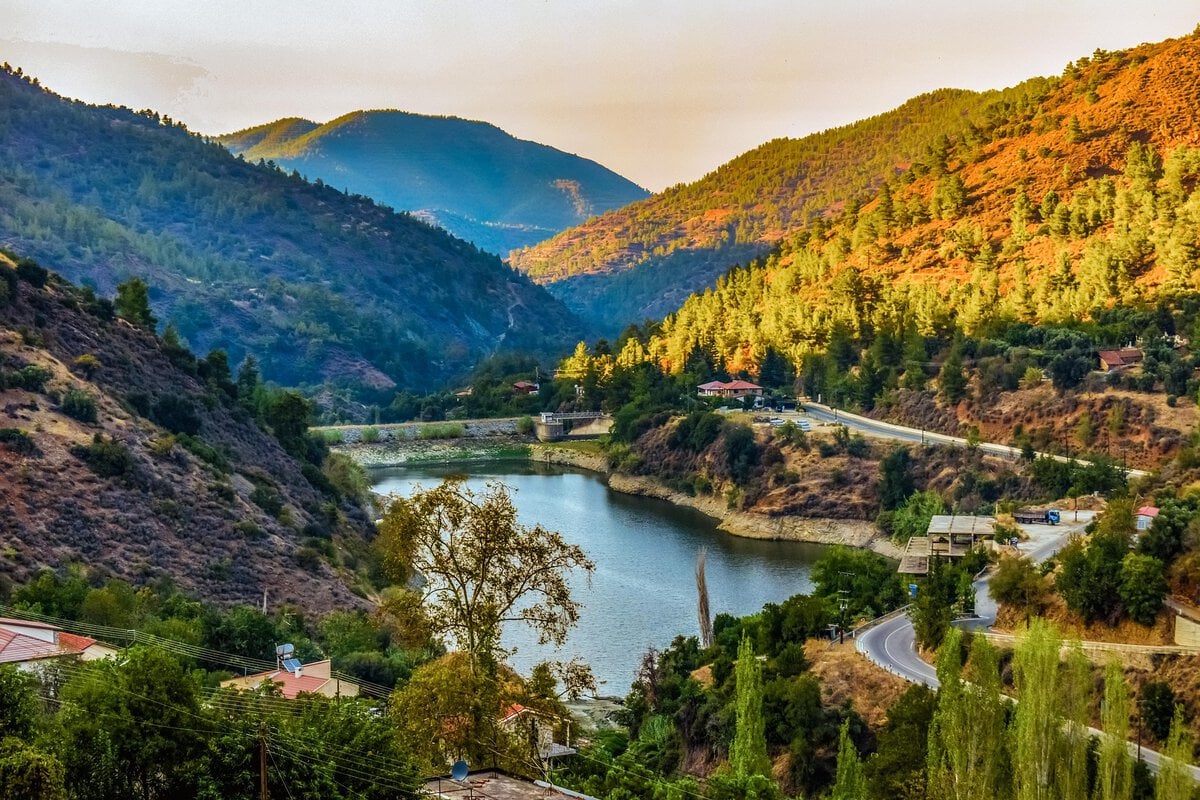
Road Conditions: Motorways and main A-roads are generally in excellent condition. Secondary B-roads and village routes can vary from well-maintained tarmac to patchy surfaces with gravel at the bends. Troodos mountain roads are typically narrow, winding, and often steep; drivers should sound their horn on blind corners, note that uphill traffic usually has priority, and proceed with caution. Large motorhomes may find navigating the historic centres of Limassol, Larnaca, Paphos, or Nicosia challenging; it is advisable to park on the outskirts and explore these cities on foot.
Local Driving Quirks: Drivers should be aware of three distinct local phenomena: unmarked speed bumps frequently appear in villages without prior warning signs, often installed as local traffic calming measures; stray cats are common roadside hazards, especially at night, requiring vigilant driving; and a few times each year, Saharan dust plumes can dramatically reduce motorway visibility to as little as 50 metres. If the sky turns orange and visibility drops, immediately activate hazard lights and reduce speed significantly.
LPG (Autogas) Availability
Autogas has been legal in Cyprus since 2016, offering a more economical fuel option. While coverage is not as extensive as in northern Europe, it is available. EKO operates autogas pumps at several locations, including Kato Paphos and Nicosia. Petrolina/Eni also has licensed stations in Nicosia (Larnakos Avenue), Limassol (Franklin Roosevelt Avenue), and Paralimni. At the time of writing, autogas typically costs around €0.98 per litre, significantly cheaper than petrol (around €1.50) and diesel (around €1.62).
It is important to note that filling gas cylinders directly at autogas pumps is generally not permitted at most stations due to safety regulations. Only direct-fill cylinders equipped with an 80% shut-off valve, such as Gaslow or Safefill systems, are compatible. Travellers should verify their system’s compatibility before travel. Given the limited number of stations on the island, it is prudent to refuel whenever an autogas pump is encountered.
Water, Waste, and Electricity Management
Water: All six main official campsites provide access to potable drinking water. The more remote forest sites, such as Stavros tis Psokas, draw their water from pristine mountain sources. Tap water across Cyprus is generally safe to drink, though its mineral content can result in a distinct taste that some visitors find off-putting. Many opt to purchase bottled water for drinking while using tap water for cooking and washing.
Wastewater Disposal: Disposal of wastewater (grey and black water) is straightforward at organized campsites, all of which are equipped with appropriate drainage facilities. Crucially, dumping grey water on public land or beaches is strictly prohibited and carries environmental penalties. Cyprus does not feature dedicated motorhome service points, akin to the French or German "aire" systems, meaning official campsites are the sole reliable option for responsible waste disposal.
Electricity: Electrical hook-ups, where available at campsites, typically use UK-style Type G three-pin sockets. Campervans wired with European Schuko plugs will require a UK-to-EU adapter. This is an easily overlooked detail that can be rectified with simple preparation before departing home.
Local Customs and the Green Line
Cypriot Hospitality: Cypriot culture is renowned for its relaxed and genuine hospitality. It is not uncommon for a local café owner, upon seeing a parked campervan, to warmly invite travellers in for a coffee, with no expectation beyond friendly conversation. Tipping, usually around 10%, is appreciated but not strictly required.
The Green Line: The Green Line demarcates the buffer zone separating the internationally recognized Republic of Cyprus in the south from the northern part of the island, which is under Turkish occupation. A critical point for campervan travellers is that rental vehicles, including campervans, typically cannot cross the checkpoints into the northern part of the island due to insurance and rental agreement restrictions. Travellers must meticulously check their rental agreement before planning any excursions to the northern side. However, it is possible to visit the north on foot by parking in south Nicosia and crossing at the Ledra Street pedestrian crossing with a valid passport for day visits, ensuring the campervan remains safely on the southern side.
Emergency Numbers: For general emergencies, dial 112 (199 also functions in Cyprus). For specific incidents of fire or smoke within forest areas, contact the Forestry Department directly on 1407.
Renting a Campervan in Cyprus
The majority of campervan rental companies in Cyprus are based in Limassol, a central hub. Pick-up services are also widely available at major entry points such as Larnaca Airport, Paphos Airport, Nicosia, and Ayia Napa, offering flexibility for arriving travellers. Rental rates vary based on vehicle size and season. A standard 2-berth campervan typically starts from around €79 per day, a mid-range camper equipped with air conditioning from approximately €109, and a larger family motorhome from around €179. It is important to note that a regular 2WD campervan is perfectly capable of handling virtually every tourist route on the island, including those in the mountainous Troodos region; a 4×4 vehicle is generally not required for exploring Cyprus. Travellers can compare options and prices efficiently through dedicated platforms like Campervan Planet, which aggregates rental offerings across Cyprus.
Essential Preparations Before You Go
Before embarking on your Cypriot campervan adventure, a few final preparations will ensure a smoother journey. Always carry sufficient drinking water for at least a full day, especially when planning routes towards more remote locations like Stavros tis Psokas where resupply points are scarce. Ensure your fuel tank is full before commencing mountain drives, as petrol stations become sparse above Kakopetria. An estimated two weeks allows for a comprehensive exploration of the entire island at a leisurely pace, though even a long weekend can facilitate significant discovery given the island’s manageable size.
Frequently Asked Questions
Do I need to book Cyprus campsites in advance?
During the peak months of July and August, advance booking for coastal campsites is highly recommended. Feggari and Governor’s Beach, in particular, tend to fill up quickly. It is advisable to call ahead to secure a pitch. The Forestry Department mountain sites, operating on a first-come, first-served basis, generally have availability outside of the high summer season.
Do I need a special license to drive a campervan in Cyprus?
No. A standard EU or international driving license is sufficient for operating campervans and motorhomes up to 3.5 tonnes. Heavier vehicles would require a category C license, but almost all rental campervans in Cyprus fall within the standard B category.
Is there a campsite at Troodos itself?
Yes, in addition to the six main sites, the Forestry Department manages a campsite at an elevation of 1,600 metres on the Karvounas–Troodos road. This site typically operates from May to the end of October, weather permitting, and can accommodate up to 170 tents and caravans, placing visitors within walking distance of the numerous trails around Mount Olympus.
Are campfires allowed at Cyprus campsites?
Open fires are strictly prohibited everywhere in and near forest land, including within the campsites themselves. This rule is enforced year-round, not only during summer, due to the high risk of wildfires. Visitors must use the fixed barbecue stations provided at the Forestry Department sites and bring a gas stove for all other cooking needs.
Can I visit the north of the island if my rental campervan can’t cross?
Yes, it is possible to visit the northern part of the island on foot. You can park your campervan in south Nicosia and cross at the Ledra Street pedestrian checkpoint using your passport. Day visits are straightforward, ensuring your rental vehicle remains safely in the Republic of Cyprus.
When is the cheapest time to rent a campervan in Cyprus?
May, early June, September, and October offer the best combination of lower rental rates and optimal camping weather. July and August command peak pricing and often have limited availability, so if summer is your only travel window, booking several weeks or months in advance is strongly advised.