Understanding the Significance and Traditions of Eid al-Adha: A Comprehensive Guide to the Islamic World’s Most Important Holiday

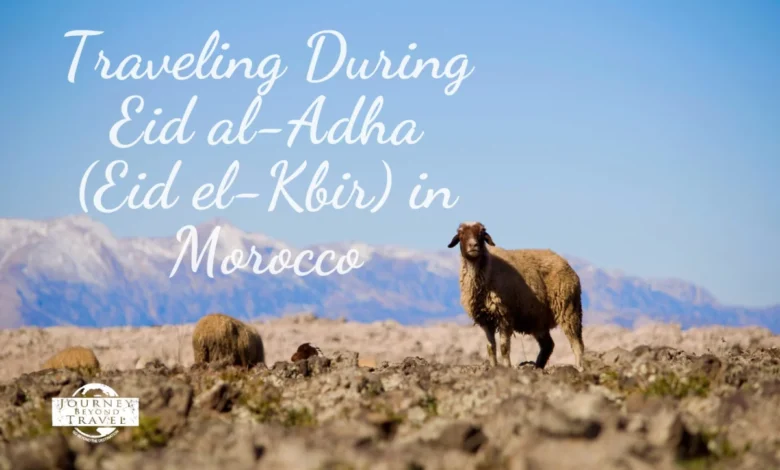
Eid al-Adha stands as the most significant religious observance in the Islamic calendar, a period of profound spiritual reflection, communal solidarity, and charitable sacrifice. Celebrated globally by approximately 1.9 billion Muslims, the holiday occurs on the 10th day of Dhu al-Hijjah, the final month of the Islamic lunar calendar, falling exactly two months after the conclusion of Ramadan. Known variably across different regions as Eid el-Kbir, the "Big Holiday," or la fête du mouton in Francophone North Africa, the festival serves as a cornerstone of Islamic cultural identity, bridging the gap between historical theological narrative and modern social practice.
The Theological Foundations and Historical Context
At the heart of Eid al-Adha lies the narrative of Ibrahim’s (Abraham’s) unwavering devotion to God. According to Islamic tradition, Ibrahim was commanded in a dream to sacrifice his son, Ismael, as an act of absolute submission to the divine will. As he prepared to carry out the command, God intervened, replacing the boy with a ram to be sacrificed instead. This story, which parallels the account of Abraham and Isaac found in the Old Testament, serves as the primary theological justification for the ritual sacrifice, or qurbani, that defines the holiday.
The event is fundamentally about taqwa—God-consciousness—and the rejection of worldly attachment. By sacrificing a cherished animal, believers symbolize their willingness to give up what is dear to them for the sake of the greater good and obedience to God. While the act of slaughter is the most visible aspect of the holiday, the spiritual core is centered on the concepts of charity and equality, as the meat is traditionally divided into three portions: one for the family, one for friends and relatives, and one for the underprivileged.
Chronological Observance and Ritual Preparations
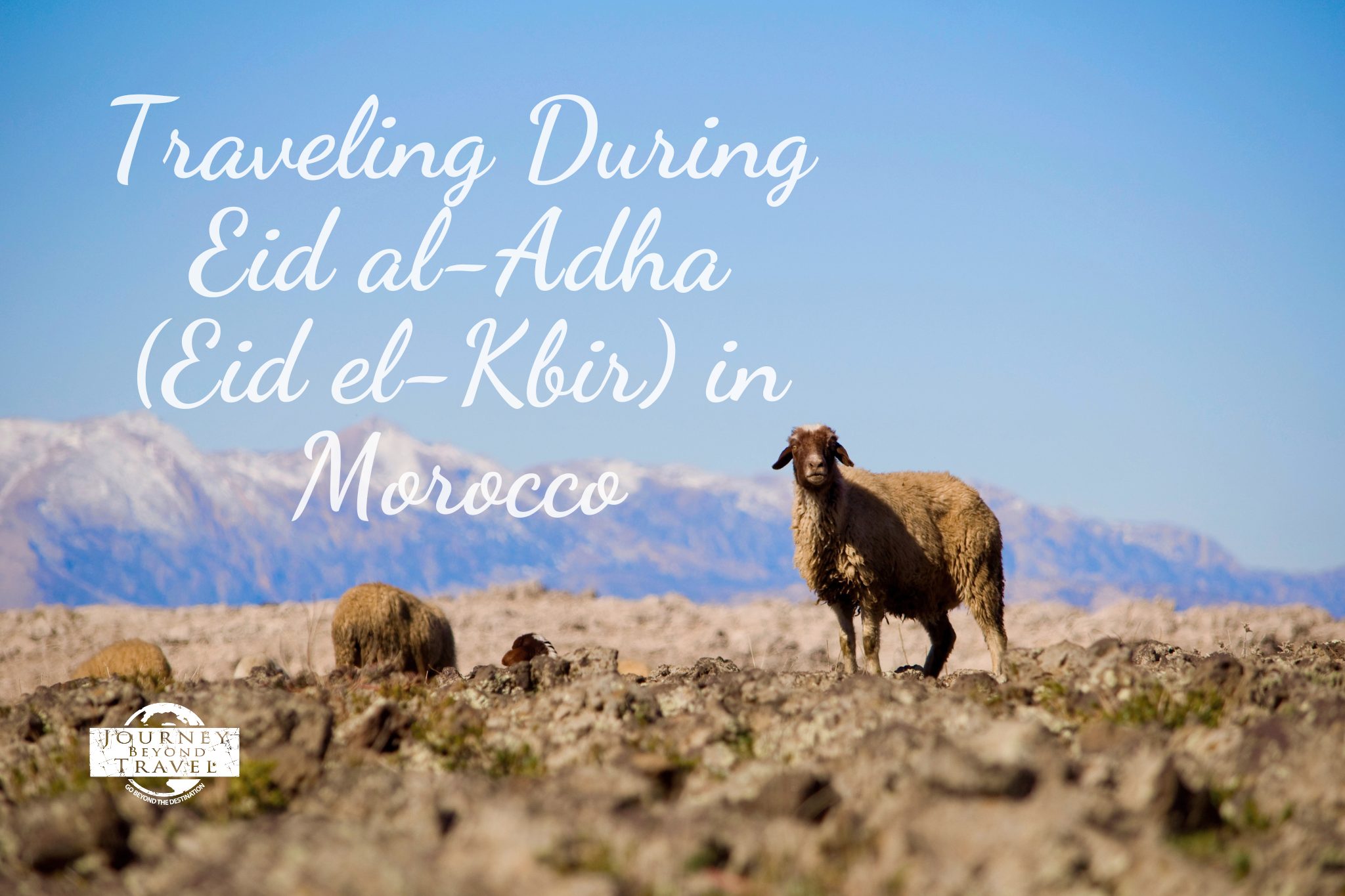
The days preceding Eid al-Adha are marked by a unique atmosphere of preparation. In many agrarian and urban settings across the Muslim world, particularly in North Africa and the Middle East, the presence of livestock becomes a ubiquitous feature of the landscape. Families procure animals—usually sheep, goats, or cattle—in the weeks leading up to the event. The care and tending of these animals become a familial responsibility, often involving children, which reinforces the communal nature of the impending sacrifice.
The festival officially begins with the Eid prayer (Salat al-Eid), performed in congregation at mosques or open-air fields. Following the prayer, the ritual slaughter takes place. This is a highly regulated practice in Islam, requiring the halal method—ensuring the animal is dispatched with compassion and according to specific religious guidelines. In many neighborhoods, professional butchers or skilled family members perform the task, beginning a multi-day process of processing the meat.
The culinary timeline of the holiday is distinct:
- Day One: Focuses on the immediate consumption of specific organs. Dishes like kebda charmoula (spiced liver) and boul fev (grilled entrails) are prepared, utilizing the fats and organs that are most perishable.
- Day Two: The focus shifts to communal dining. A large-scale couscous is often served, incorporating parts of the head or feet of the sheep, which are considered delicacies.
- Day Three: More complex, labor-intensive dishes take center stage. Slow-cooked stews like mrrozeya, which combines meat with aromatics, dried fruits, and honey, highlight the culinary diversity and the traditional use of every part of the animal to ensure minimal waste.
Socio-Economic Implications and Global Impact
The economic footprint of Eid al-Adha is substantial. In countries like Morocco, Egypt, and Pakistan, the livestock market experiences an annual surge, with prices fluctuating based on supply, animal weight, and breed. Governments often intervene to regulate supply chains and ensure that the surge in demand for animal transport and butcher services does not overwhelm urban infrastructure.
Beyond the marketplace, the social implications are profound. Sociologists note that Eid al-Adha acts as a "great equalizer." Because of the religious mandate to distribute a significant portion of the meat to the poor, the holiday functions as a massive, grassroots welfare initiative. During this time, the disparity between the wealthy and the impoverished is temporarily bridged through the mandatory sharing of resources. It is common for local charities and mosques to coordinate the collection and distribution of meat to ensure that no household is left without food during the three-day celebration.
Operational Challenges and Logistics
For travelers and expatriates, navigating a country during Eid al-Adha requires significant planning. Because it is a public holiday, government offices, schools, and banks close for the duration. Transportation networks face extreme pressure; motorways connecting major cities to rural villages become heavily congested as millions of citizens travel to visit extended family.

Public transport, including buses and trains, often operates on a reduced schedule or ceases entirely. For those in urban centers, the logistical shift is noticeable: the streets, usually bustling with commercial activity, become quiet as families retreat into their homes for private celebrations. Travelers are advised to confirm bookings well in advance and, if possible, to base themselves in major metropolitan hubs like Casablanca, Marrakesh, or Cairo, where tourist-facing infrastructure is more likely to remain operational.
A Comparative Perspective: Tradition vs. Modernity
The practice of Eid al-Adha has evolved alongside urban development. While rural traditions remain relatively static, urban populations have increasingly relied on centralized abattoirs and sanitary disposal methods for animal remains. The "stench of burning wool," once a standard sensory marker of the holiday in dense city centers, is gradually being managed by local municipalities through better waste collection and public health awareness campaigns.
Despite these changes, the fundamental commitment to the tradition remains unshaken. Observers and religious scholars alike note that the digital age has not diminished the physical practice of the holiday; if anything, the use of social media to share recipes, coordinate charitable donations, and connect with family members abroad has amplified the sense of global unity.
Expert Analysis and Future Outlook
Experts in Middle Eastern cultural studies suggest that the significance of Eid al-Adha is likely to remain resilient against the forces of modernization. Unlike other holidays that have become largely commercialized, Eid al-Adha retains a high degree of ritual purity due to its direct connection to the fundamental pillars of Islamic practice.
"The holiday serves as a vital social glue," notes Dr. Amina El-Hassan, a cultural anthropologist focusing on North African traditions. "In a world that is becoming increasingly individualistic, the mandatory requirement to share one’s sustenance with the neighbor and the needy acts as a powerful corrective. It is not merely a festival of consumption; it is a festival of distribution."

As the lunar calendar continues to shift the dates of the holiday, the global community observes how different nations adapt to the logistical challenges posed by the influx of travel and the requirements of large-scale animal husbandry. Looking ahead, the focus for many governments will remain on sustainable practices—balancing the traditional requirements of the sacrifice with modern environmental and public health standards.
In conclusion, Eid al-Adha is a multifaceted event that captures the essence of Islamic devotion, community cohesion, and cultural heritage. Whether experienced through the lens of a traveler observing the vibrant, bustling streets of a traditional market or through the intimate, quiet moments of a family gathering, the holiday offers a window into the values that sustain one of the world’s largest religious populations. It remains a time of reflection, sacrifice, and, above all, the celebration of the human connection to the divine and to one another.