14 Essential Destinations and Historical Landmarks to Experience on Milos Island Greece

The island of Milos, located in the southwestern corner of the Cyclades archipelago in the Aegean Sea, has emerged as a premier destination for travelers seeking a synthesis of geological uniqueness, ancient history, and traditional maritime culture. Unlike its more commercialized neighbors, such as Mykonos or Santorini, Milos offers a distinct volcanic topography that has dictated the development of its tourism infrastructure and local economy. Recent data from the South Aegean Regional Tourism Board indicates a steady 12% annual increase in visitors to Milos, driven primarily by interest in its diverse coastline and preserved archaeological sites.

Geological Significance and Coastal Topography
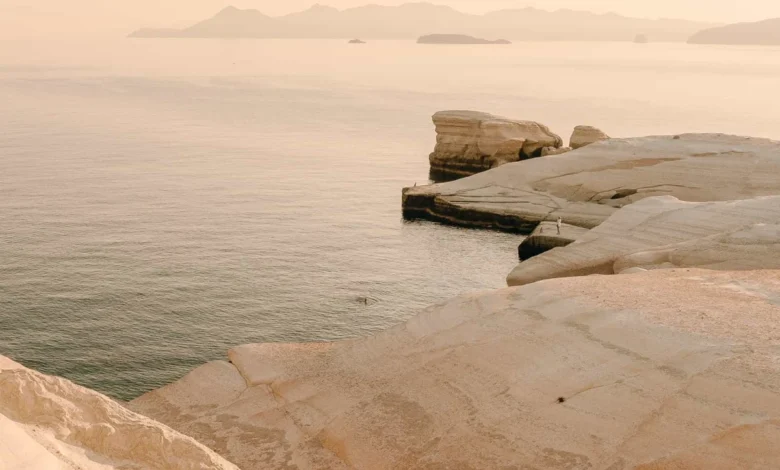
The island’s landscape is a testament to its volcanic origins, which have gifted it with some of the most striking coastal formations in the Mediterranean. Sarakiniko Beach serves as the primary example of this phenomenon. Unlike traditional sand-based beaches, Sarakiniko is characterized by smooth, stark-white volcanic rock formations that have been sculpted by wind and sea over millennia. Geologists note that the absence of vegetation and the reflective properties of the pale pumice create a lunar-like environment, attracting thousands of researchers and tourists annually.

Beyond Sarakiniko, the northern coast hosts Paralia Papafragkas, a site where natural erosion has formed a narrow, deep sea cave. The area serves as a critical study site for coastal erosion processes, though it remains a sensitive ecosystem. Local authorities have recently increased environmental monitoring in the area to balance the influx of tourism with the preservation of these delicate geological features.

Maritime Heritage and Strategic Location
Historically, Milos has functioned as a strategic maritime hub due to its deep natural harbor, the Bay of Adamantas—one of the largest in the Mediterranean. This natural shelter has allowed the island to maintain its status as a vital link in regional trade routes for centuries. Today, the town of Adamantas serves as the primary port of entry for travelers arriving by ferry.

The village of Mandrakia remains a pristine example of historical maritime life. With its traditional "syrmata"—boat garages carved directly into the volcanic cliffs—the settlement provides a window into the pre-industrial fishing economy of the Cyclades. Local preservation efforts have ensured that these structures remain intact, and the area is now frequently cited as a model for heritage tourism in Greece. Similar architectural characteristics are observed in Firopotamos and the coastal village of Klima, where colorful, multi-story boathouses line the shoreline.

Archaeological and Historical Context
The cultural history of Milos spans back to the Neolithic period, with the island becoming a significant center for the trade of obsidian, a volcanic glass used for tools and weapons throughout the ancient world. The archaeological footprint of the island is dominated by the Ancient Theatre of Milos, a Roman-era structure built on a hillside overlooking the Aegean. Recent excavations have confirmed the site’s significance in understanding the Hellenistic and Roman influence on the island’s political life.

In close proximity to the theatre lie the Catacombs of Milos, which date back to the 1st century AD. These underground burial chambers represent one of the most important early Christian monuments in the world, ranking alongside those in Rome and the Holy Land. The site provides essential data regarding early Christian migration and religious practices in the eastern Mediterranean. Ongoing restoration projects, funded in part by the European Union’s cultural heritage initiatives, have allowed for limited public access while maintaining the structural integrity of the tunnels.

The Role of Sustainable Tourism
As the island faces increasing visitor numbers, local stakeholders, including the Municipality of Milos and the Cyclades Chamber of Commerce, have shifted their focus toward sustainable development. A central pillar of this strategy is the regulation of boat tours. Private and group tours to areas like Kleftiko Bay and the Sykia Cave have become highly popular; however, these areas are accessible only by sea.

To mitigate the impact of heavy maritime traffic on these protected coves, local authorities have implemented stricter licensing for tour operators and have begun promoting "slow tourism" initiatives. These programs encourage visitors to spend more time in inland villages like Plaka, which serves as the administrative center of the island. Plaka, with its Venetian castle and traditional Cycladic architecture, offers a necessary alternative to the high-traffic coastal zones, helping to distribute the economic benefits of tourism more evenly across the island.

Infrastructure and Accessibility
Despite its rapid growth in popularity, Milos maintains a more measured approach to infrastructure development compared to the more saturated islands of the Cyclades. Accessibility has been a historical challenge, given the lack of major international airport connections. The island relies heavily on the domestic ferry network and small-aircraft flights via Athens.

Economic analysts suggest that this "controlled accessibility" has actually benefited the island by preventing the over-tourism seen elsewhere. However, the government has announced plans to modernize the Milos National Airport to accommodate increased regional demand while maintaining strict environmental zoning laws. These infrastructure projects are expected to be completed within the next five years, aiming to streamline logistics for both residents and visitors.

Culinary and Economic Impacts
The economy of Milos is not solely dependent on tourism. The island possesses a long-standing tradition of mining, particularly the extraction of bentonite, perlite, and kaolin. The Milos Mining Museum offers a comprehensive overview of this industrial history, providing a stark contrast to the leisure-oriented tourism sites. This dual economy—based on both natural resource extraction and high-end services—has made Milos one of the more financially stable islands in the region.

The culinary sector has also seen a significant evolution. High-end dining establishments, such as those found in Plaka and the upscale suites in the Adamas area, have begun to emphasize "farm-to-table" concepts, utilizing local produce and fresh seafood from the Aegean. This shift has created new revenue streams for local agricultural producers, strengthening the connection between the island’s interior and its coastal tourism zones.

Broader Implications for the Cyclades
The development trajectory of Milos offers a valuable case study for the broader Cycladic region. By successfully integrating its historical archaeological sites, unique geological heritage, and traditional fishing culture into a modern tourism product, Milos has managed to attract a demographic of travelers that values cultural immersion over simple leisure.

The ongoing challenge for local authorities will be to manage the inevitable tension between preservation and development. As climate change continues to pose risks to coastal heritage sites and sea levels rise, the protection of sites like the Sykia Cave and the waterfront at Klima will require sustained investment and rigorous policy enforcement.

In conclusion, Milos stands as a complex, multi-layered destination. It is a location where the remnants of early Christianity meet the remnants of Roman theatrical culture, and where the volcanic reality of the earth meets the traditional ingenuity of the Greek maritime people. For the traveler and the researcher alike, the island provides an essential look at the historical and geological forces that have shaped the Aegean for thousands of years. As the island moves forward, its ability to maintain this balance will define its future in the global tourism landscape.