From Childhood Roots to East African Tourism Leadership: The Evolution of Karibu Kenya and Exclusive Ethiopia

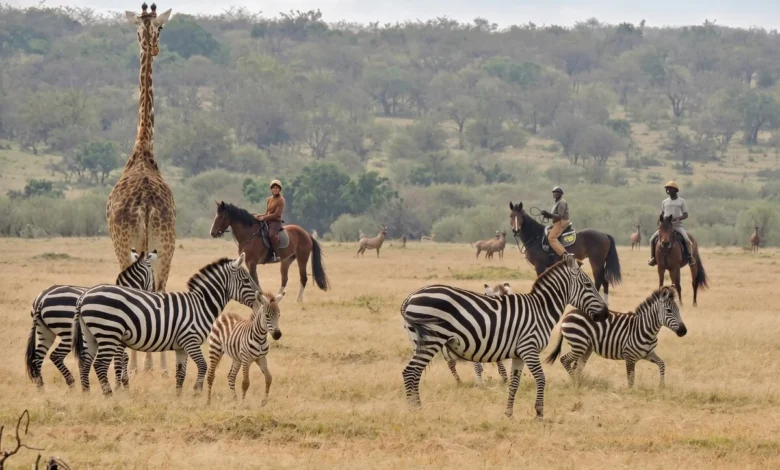
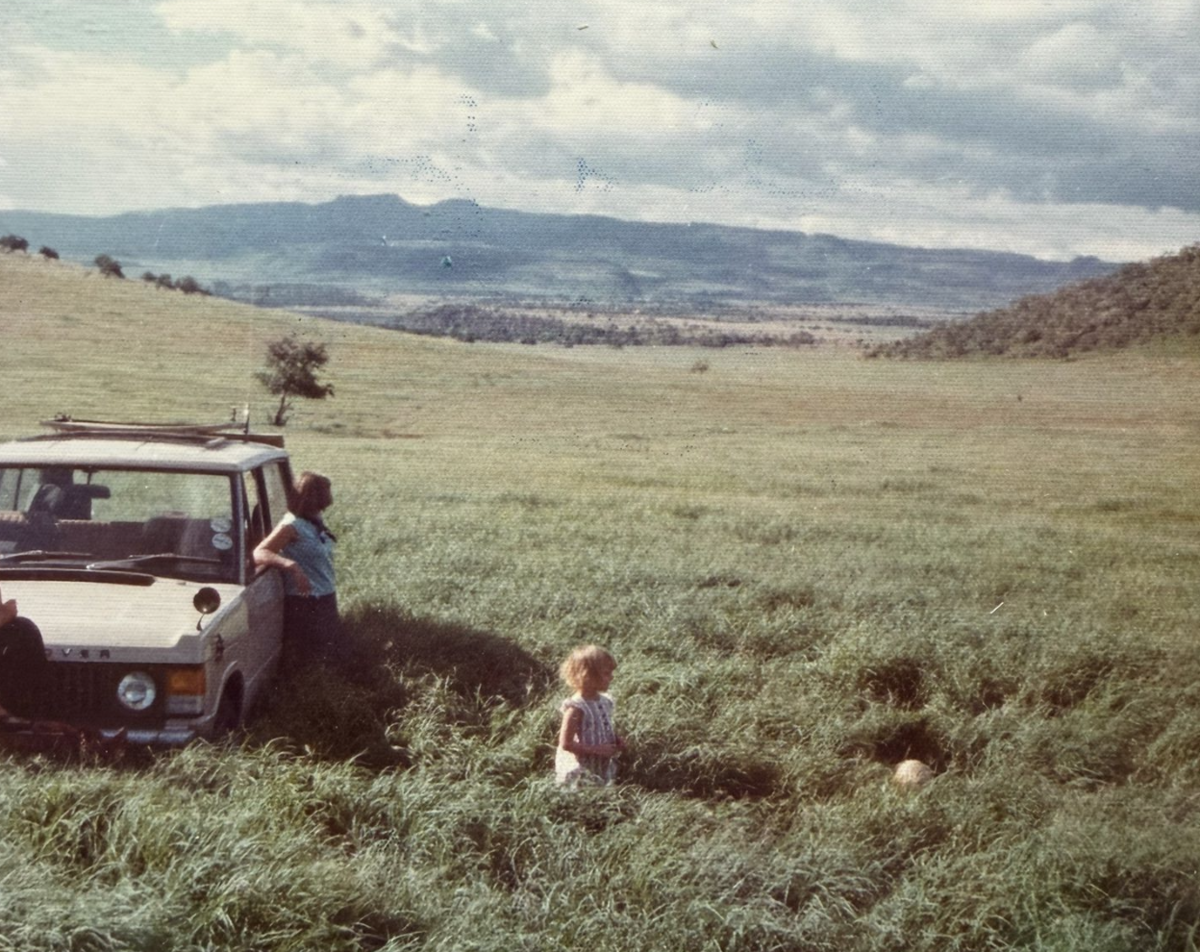
Tamara Britten’s journey across the African continent is a testament to how lifelong geographical immersion can culminate in regional tourism leadership. Arriving in Kenya at the age of four with her parents and baby sister, Britten’s early exposure to the red soil, golden savannahs, and diverse wildlife of East Africa laid the psychological foundation for a career dedicated to experiential travel. Decades later, that foundational connection evolved into an established network of personalized travel services operating across Kenya, Ethiopia, Uganda, Rwanda, and Tanzania.
Chronology of an Itinerant Life and Early Encounters
Britten’s formative years in Nairobi were defined by the sensory details of a rapidly developing post-colonial East Africa: playing hide-and-seek in coffee plantations, learning Swahili phrases from kiosk vendors, and navigating the equatorial crossings between residential areas and agrarian communities. However, life in Kenya also exposed her to geopolitical volatility. Notably, Britten recalls a day when a lion breached a school playground, forcing a classroom lockdown, and an emergency evacuation during the 1976 Entebbe crisis, which saw her family boarding one of the last flights out of Nairobi amidst an airport blackout.
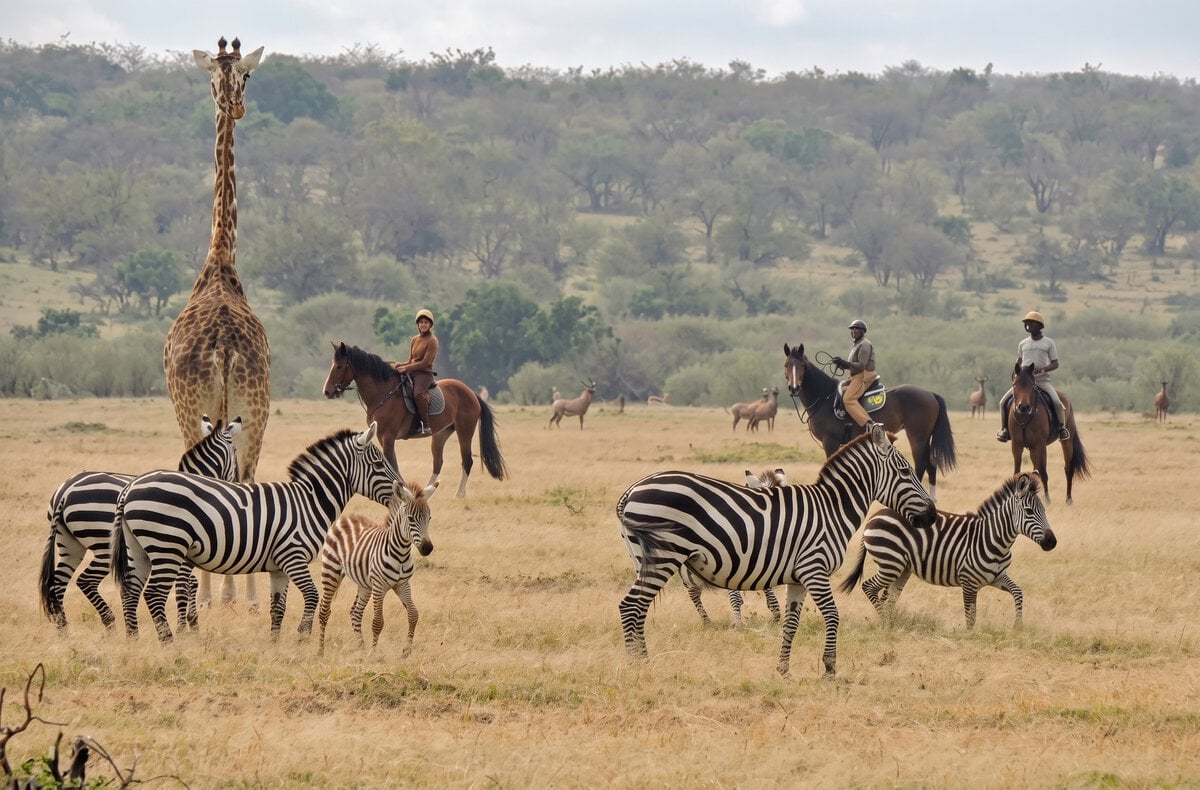
Following her father’s international assignments and her own burgeoning curiosity, Britten’s young adulthood spanned multiple continents. Her professional and itinerant milestones included teaching English in Bangkok, managing adult education initiatives in Hong Kong, serving as an assistant manager at a Namibian safari camp, hitchhiking across Zimbabwe, scuba diving on the Great Barrier Reef, and constructing a beach bar on Koh Pha Ngan in Thailand. These experiences cultivated a comprehensive understanding of global tourism infrastructure and traveler psychology.
Returning to a Modernized Kenya
Upon her return to East Africa, Britten observed a fundamental socio-economic transformation. Kenya had transitioned into a technological and economic hub characterized by rapid urbanization, digital innovation, and infrastructural expansion. The rise of youthful, tech-savvy demographics yielded digital solutions spanning mobile money transfers, agricultural applications, and conservation tracking, alongside the linguistic evolution of Sheng—a dynamic urban slang combining Swahili, Kikuyu, and English.
Re-entering the tourism sector, Britten spent three intensive years managing a luxury safari camp in the Masai Mara. Responsibilities ranged from logistics management and vehicle allocation to hosting international guests during the Great Migration—an ecological phenomenon where millions of wildebeest and zebra sweep from the Serengeti across the Mara River. This operational grounding provided the empirical research necessary for her next major undertaking: authoring Karibu Kenya, a comprehensive travel guide endorsed by the Kenya Tourist Board, the Kenya Tourism Federation, and the Kenya Professional Safari Guide Association. The two-year research process required independent vehicular and maritime expeditions across the Lamu Archipelago, Western Kenya’s tea estates, Laikipia conservancies, and the Rift Valley lakes.
Institutionalization of Sustainable Tourism Practices
What began as informal itinerary planning for visiting friends eventually formalized into a registered tour operator entity. As the enterprise expanded, Britten recruited specialized teams to handle reservations, financial administration, and digital marketing. Emphasizing corporate social responsibility, the organization integrated conservation and community support into its operational model. Collaborating with entities such as Wildlife Works, Karibu Kenya facilitates tree-planting initiatives in Tsavo, supports rural literacy campaigns through Kenya Connect, funds community health projects via the Mathari Children’s Fund, and maintains active membership with Ecotourism Kenya.
The broader East African tourism sector operates under stringent environmental frameworks. Notably, Kenya enforces one of the world’s strictest plastic bag bans, alongside active anti-poaching units, chimpanzee rehabilitation programs, and orphaned elephant hand-rearing initiatives managed by organizations like the David Sheldrick Wildlife Trust. These institutional safeguards have positioned the country as a leader in sustainable conservation tourism.
Expansion into Ethiopia and the Greater East African Circuit
Seeking to diversify regional offerings, Britten partnered with Mulugeta Ababu, an experienced Ethiopian tour guide, to establish Exclusive Ethiopia. The expansion tapped into Ethiopia’s distinct cultural and geographical landscape, which features 12 UNESCO World Heritage sites—among the highest concentrations on the African continent. From the 4th-century cliffside churches of Tigray and the 12th-century rock-hewn monuments of Lalibela to the imperial castles of Gondar and the tribal traditions of the Omo Valley, the joint venture bridges logistical gaps for international travelers navigating Ethiopia’s complex terrain.
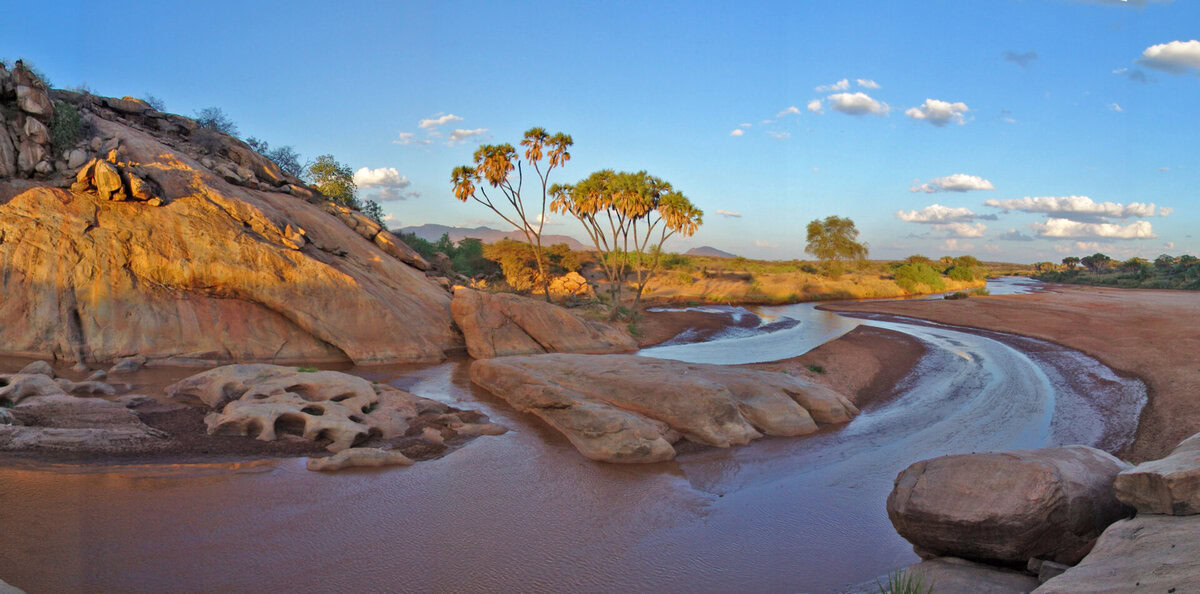
Over subsequent years, Karibu Kenya’s operational footprint scaled to include Uganda, Rwanda, and Tanzania. The expansion incorporated high-value eco-tourism products, including mountain gorilla trekking in Volcanoes National Park and Bwindi Impenetrable Forest, chimpanzee tracking in Kibale, and marine excursions in Zanzibar and the Shimoni coast. By conducting exhaustive preliminary site inspections, Britten’s team established a standardized quality assurance protocol across all five operating nations.
Resilience and Adaptation During the COVID-19 Pandemic
The global COVID-19 pandemic introduced unprecedented challenges to the international travel sector, causing an immediate collapse in tourist arrivals across East Africa. During periods of sustained lockdown, Britten utilized domestic travel opportunities to audit and refresh her regional expertise. Traveling via pickup truck with her newly adopted dog, Lola, she evaluated coastal infrastructure, inspecting historical sites such as the Gede and Takwa ruins, as well as modern hospitality venues along the Kenyan coastline.
In response to the socio-economic stagnation caused by the pandemic, Britten and a cohort of local entrepreneurs conceived the Kilifi Wellness Festival. Initiated during international travel restrictions with a modest gathering of 40 participants, the event has since matured into an annual fixture celebrating holistic health, arts, music, and marine conservation. The festival serves as a micro-economic stimulus for local coastal artisans, practitioners, and hospitality providers, generating alternative revenue streams outside traditional peak safari seasons.
Economic Implications and Industry Outlook
The maturation of boutique, personalized tour operations like Karibu Kenya and Exclusive Ethiopia reflects shifting consumer demands within the global travel market. Modern tourists increasingly favor bespoke, low-impact itineraries over mass-market package tours. Industry analysts note that operators who successfully integrate local community empowerment, wildlife conservation, and digital logistical management are best positioned to capture high-value tourism segments.
By maintaining rigorous on-the-ground presence, fostering strategic cross-border partnerships, and aligning commercial success with ecological preservation, Britten’s enterprises illustrate the modern trajectory of East African tourism—one where heritage, conservation, and experiential travel converge to support sustainable regional development.