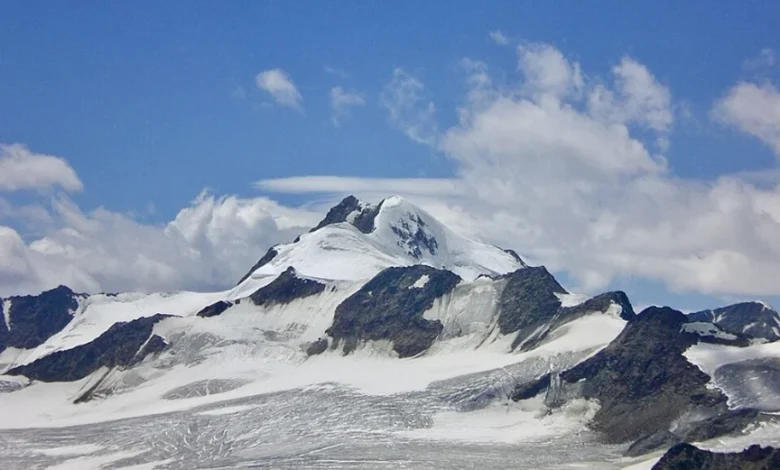
The 2026 summer mountaineering season in the Austrian Alps has delivered a stark, chilling indicator of the shifting climate realities facing high-altitude recreation. Between May and September, data released by the Austrian Board for Alpine Safety revealed a alarming spike in crevasse-related incidents, with the number of falls nearly tripling compared to the preceding 10-year average. While the broader statistics regarding alpine fatalities show a surprising downward trend, the specific hazard of glacier travel has become significantly more lethal and unpredictable due to persistent, intense heatwaves above the 3,000-meter mark.
A Seasonal Surge in Glacial Hazards
According to the official alpine accident database, the summer of 2026 recorded 19 distinct crevasse incidents. When measured against the long-term mean of seven incidents for the same timeframe, the data suggests a systemic change in the integrity of alpine terrain. The primary catalyst for this escalation was a series of prolonged heatwaves that gripped Central Europe.
High-altitude temperatures remained consistently above freezing for weeks at a time, preventing the nocturnal refreezing cycles necessary to stabilize snow bridges. As the seasonal protective snowpack—the "firn"—was stripped away, glaciers were left exposed in a state of rapid ablation. Mountaineers found themselves navigating routes where once-solid snow bridges had thinned to transparent, unstable veils, leading to catastrophic collapses. The human cost of these conditions was underscored by a tragic fatality on the Wildspitze, the highest mountain in the North Tyrol and the second-highest in Austria, where a climber succumbed to a fall into a hidden crevasse.
Statistical Paradox: Fewer Deaths, More Distress
While the frequency of crevasse accidents has surged, the overall mortality rate for the Austrian Alps paints a more complex picture. Bergsteigen, reporting on the season’s comprehensive statistics, noted that total summer fatalities dropped to 62. This figure is a notable decrease from the 78 deaths recorded in 2025 and sits well below the long-term historical average of 80.
This statistical divergence—rising accident counts alongside falling fatality counts—suggests several potential factors, including improved emergency response times and more effective mountain rescue infrastructure. However, the data also highlights a concerning rise in "distress" incidents. The number of people rescued while unhurt has climbed by approximately 70% compared to 2017 figures, while non-fatal injuries have increased by nearly 50%.
These figures indicate that while fewer individuals are losing their lives, a growing number of mountain users are finding themselves overwhelmed by terrain conditions, requiring the intervention of professional rescue teams. Tyrol remains the epicenter of these challenges, accounting for exactly 50% of all recorded accidents and 33 of the 62 seasonal deaths.
The Human Element: Participation and Risk Profiles
The 2026 season saw a notable increase in the sheer volume of high-altitude traffic. From May 1 through September 13, some 2,742 individuals engaged in high-mountain tours, climbing, or via ferrata activities. This represents a significant uptick from the 10-year average of 2,351 participants.
Hiking remains the primary activity associated with alpine incidents, accounting for 65% of all rescue operations for uninjured persons, 47% of injuries, and half of all fatalities. The profile of these accidents is diverse:
- Falls and Slips: These remain the leading cause of death, claiming 30 lives over the summer period.
- Medical Emergencies: Cardiovascular issues accounted for 18 fatalities, highlighting the physical toll that high-altitude exertion takes on hikers, particularly those who may be underprepared for the rapid changes in elevation and exertion levels.
The Climate Context and Structural Implications
The degradation of glacier stability is not a novel phenomenon, but the 2026 season serves as a benchmark for how quickly conditions can deteriorate. Climate scientists and alpine safety experts have long warned that the "permanent" ice of the Alps is in a state of accelerated retreat.
As glaciers thin, the internal structural stresses on the ice change, often leading to the widening of crevasses and the creation of new, unpredictable fracture zones. Routes that were considered standard and relatively safe a decade ago now require a significantly higher level of technical proficiency and, crucially, an ability to read the changing state of the ice.
The Austrian Board for Alpine Safety has been forced to mandate the closure of several established glacier routes throughout the summer, as the risk of bridge collapse reached levels deemed untenable for standard commercial and private traffic. These closures serve as a logistical frustration for the tourism sector, but more importantly, they are a defensive measure against a landscape that is becoming increasingly hostile to traditional mountaineering techniques.
Official Responses and Future Outlook
While specific statements from individual mountain guides and rescue organizations vary, the collective sentiment from the Austrian alpine community is one of heightened caution. The trend toward increased "distress" calls—where hikers find themselves unable to proceed due to technical difficulties—suggests a growing gap between the difficulty of the terrain and the experience level of the average mountain visitor.
Experts suggest that the future of alpine tourism will require a paradigm shift. This includes:
- Stricter Route Management: Implementing real-time digital monitoring of glacier bridges and providing live updates to hikers.
- Increased Educational Requirements: Emphasizing that "hiking" in 2026 involves navigating conditions that are fundamentally different from those of the early 2000s.
- Enhanced Risk Communication: Using data-driven alerts to prevent amateur hikers from attempting high-altitude routes during periods of extreme heat.
The 2026 season acts as a grim reminder that the mountain environment is a dynamic, rather than static, system. The reduction in fatalities is a victory for the tireless efforts of mountain rescue services, yet the increase in accidents and the specific surge in crevasse falls signal that the environment itself is demanding a higher price for passage. As the glaciers continue to respond to global temperature fluctuations, the primary challenge for the Austrian Alps will be managing the balance between preserving access to these iconic landscapes and ensuring that the risks to the public remain within manageable thresholds.
As winter approaches and the 2026 summer data is fully synthesized, policymakers and safety boards are expected to reassess the infrastructure of high-mountain trails. The lessons of this summer—marked by the fragility of ice and the resilience of human rescue operations—will undoubtedly shape the safety protocols for the 2027 season and beyond. The data is clear: the Alps are changing, and the methods used to traverse them must change with equal speed.
Related posts: