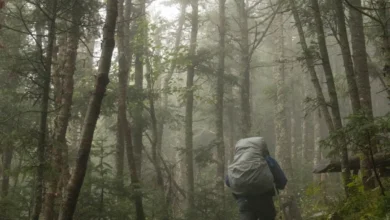
Behind the Climb chronicles the arduous pursuit of the Southeast Ridge of Cerro Torre by elite alpinists Colin Haley and Tyler Karow.

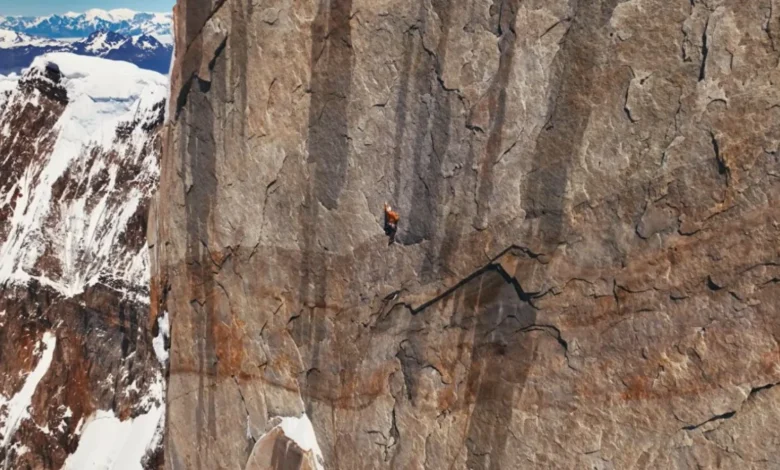
Cerro Torre, a jagged monolith rising from the Southern Patagonian Ice Field on the border of Argentina and Chile, has long been regarded as one of the most formidable alpine objectives on the planet. Its Southeast Ridge, often described by those who have attempted its granite spires as a modern classic of technical climbing, serves as the stage for a new short film, Behind the Climb. The production offers an intimate, unvarnished look at the partnership between Colin Haley and Tyler Karow as they attempt to conquer a route that has served as a recurring hurdle for Haley.
The Anatomy of the Southeast Ridge
The route to the summit of Cerro Torre via the Southeast Ridge is not a singular challenge but a tiered test of endurance and technical skill. It is broadly categorized into three distinct sections: the Haston Crack, the labyrinthine Ice Towers, and the imposing, near-vertical Headwall.
For Haley, the mountain has been a site of significant frustration. Despite his status as one of the world’s most accomplished alpinists, the Southeast Ridge has proven elusive. He has previously attempted the route three times, with the Ice Towers serving as the primary point of failure due to the volatile Patagonian weather. The Headwall, which demands extreme technical precision and sustained focus, has remained an unconquered final barrier for both men. Behind the Climb documents their strategic collaboration, underscoring the necessity of finding the perfect weather window in a region notorious for unpredictable and severe meteorological shifts.
Chronology of an Alpine Attempt
The expedition’s approach is a masterclass in the logistical pressures of high-altitude mountaineering. The team began by navigating the treacherous glacial terrain surrounding the base of the peak, a process involving the traversal of shifting ice fields and the fording of frigid, high-volume meltwater streams.
The strategy employed for this attempt centered on a rigid timeline designed to maximize the stability of the terrain. To ensure the Ice Towers remained stable and the Headwall was sufficiently exposed to the sun to allow for safe movement, the pair adopted an unconventional sleep cycle. By resting during the day and launching their push in the early hours—effectively climbing through the night—they aimed to sync their movement with the changing temperatures of the mountain.

As they progressed, the film captures the evolving nature of the terrain. Karow, reflecting on his previous encounters with the route, notes the stark environmental shifts occurring in Patagonia. The Ice Towers, which were once dense with glacial buildup, show clear evidence of significant recession. This observation is not merely anecdotal; it aligns with broader climate data regarding the rapid retreat of glaciers in the Southern Patagonian Ice Field, which is currently losing mass at a rate that has profound implications for the safety and viability of classic alpine routes.
Technical Challenges and Environmental Constraints
The climb reached a critical juncture at the Headwall. While the team successfully navigated the lower sections, the Headwall presented an unexpected environmental complication: heavy snowmelt. As the sun warmed the upper reaches of the mountain, water began to flow down the rock faces. For a climber, "wet rock" is more than a nuisance; it is a significant safety hazard that reduces friction and increases the risk of slipping on technical holds.
Haley’s persistence on the final pitches illustrates the psychological toll of such an endeavor. Having been turned back multiple times, the weight of his previous failures was palpable. Even as he neared the summit, his internal dialogue remained guarded. It was only in the final moments of the ascent that the tension broke, replaced by the realization that the long-standing objective was finally within reach.
Broader Implications and Context
The success of Haley and Karow on the Southeast Ridge is a significant contribution to the history of Cerro Torre, but it also highlights the changing landscape of professional alpinism. The "modern classic" status of the route is being challenged not just by the inherent danger of the climbing, but by the changing physical state of the mountain.
The sport of alpine climbing is currently grappling with the reality of climate change. Routes that were historically protected by deep ice and stable seasonal conditions are becoming increasingly fragmented or "dry," leading to more frequent rockfall and hazardous climbing conditions. The observations shared by Karow regarding the degradation of the Ice Towers reflect a growing concern among the global climbing community. As glacial ice continues to disappear, the window for safe climbing is narrowing, forcing athletes to adapt their strategies—often resulting in more daring, high-risk endeavors to beat the shifting seasons.
Furthermore, the film serves as a departure from the traditional "hero" narrative often seen in mountain documentaries. By including the logistical planning, the fatigue, the physical pain, and the moments of doubt, Behind the Climb provides a realistic, grounded look at what high-stakes mountaineering entails. The post-climb reaction, which focuses on the visceral reality of physical exhaustion rather than grandiloquent triumph, emphasizes the utilitarian nature of the sport.

Industry and Community Reception
Within the mountaineering community, the documentary is being viewed as a vital resource for those interested in the technical nuances of the Southeast Ridge. Experts point out that the film’s strength lies in its transparency. By showing the footage review process, the film allows viewers to understand the "why" behind their decision-making—a critical component for aspiring alpinists looking to understand the complexities of route-finding and risk management.
The partnership between Haley and Karow is also a point of interest. In a discipline often characterized by solitary pursuit or intense, ego-driven competition, their collaborative approach underscores the importance of mutual trust. When the primary constraint is a combination of technical difficulty and environmental instability, the strength of the rope team becomes the most important asset.
Conclusion
As climate patterns continue to alter the face of Patagonia’s peaks, the successful summiting of the Southeast Ridge by Colin Haley and Tyler Karow stands as both a testament to their skill and a documentation of a mountain in flux. The short film effectively captures the tension of the climb, the reality of the environmental degradation, and the quiet, often painful, end result of a successful expedition.
For the general public, Behind the Climb serves as an accessible introduction to the rigor of professional mountaineering. For the climbing community, it is a sobering reminder that even the most "classic" routes are subject to the inexorable march of environmental change, requiring constant reassessment and a deep, fundamental respect for the changing nature of the world’s most iconic summits. As they descended from the peak, the simplicity of their post-climb analysis—that their hands were merely sore—belied the complexity of the feat they had just accomplished, providing a final, grounding detail to an extraordinary athletic achievement.